

If you encountered the Mohali case through the label love jihad, you face an immediate choice: amplify it, ignore it, or try to help. Start with the woman’s safety and agency. Then keep every public claim at the level the evidence can bear.
The allegations involve sexual exploitation under a promise of marriage, a coerced nikah, forced religious conversion, and physical abuse. They demand attention, but attention is not the same as a verdict. A responsible Hindu response can oppose possible adharma, defend freedom of faith, and insist on investigation without treating an accusation as an adjudicated fact.
What has been alleged in the Mohali-area case
A woman who describes herself as Hindu says she had lived in Dhakoli, Zirakpur, for several years while working as a labourer. She met a Muslim man from Bihar’s Araria district who worked in construction contracting. She alleges that he built a relationship on the assurance of marriage, maintained sexual relations with her for about five years while repeatedly postponing marriage, later subjected her to a nikah and religious conversion against her will, and physically abused her. She has sought justice through social media.
Those are several distinct allegations, not one established event. At this stage, the safe conclusion is that a woman has publicly made serious claims. The information available to us does not establish a police finding, criminal charge, judicial ruling, or response from the accused man. It also does not independently prove the alleged conduct.
That distinction is not a reason for indifference. It tells you what responsible action requires. Use alleges or says when describing her claims. Do not replace those words with proved, and do not say that authorities have confirmed something unless a named authority has actually done so. Precision protects the woman’s credibility as much as it protects due process.
Separate the allegations before judging the case

A slogan can compress a complicated account into one emotionally charged phrase. An investigation cannot. The promise of marriage, consent to sexual relations, the alleged nikah, the alleged conversion, and the alleged violence each raise different factual questions. Treating them separately makes the account more testable and prevents uncertainty about one part from swallowing stronger evidence about another.
| Allegation | Question that must be answered | Material that may help establish the facts |
|---|---|---|
| Marriage assurance and deception | What was promised, when was it promised, and is there evidence that the promise was knowingly false when made? | Complete conversations, call records, a dated chronology, and names of people who heard the representations |
| Sexual coercion or exploitation | What did the woman agree to on each relevant occasion, and were force, threats, pressure, confinement, deception, or control involved? | Contemporaneous messages, medical records where relevant, location and time records, and witness accounts |
| Coerced nikah | When and where did it allegedly occur, who conducted or witnessed it, what did the woman understand, and did she freely agree? | Marriage papers, photographs or recordings, names of the officiant and witnesses, and communications surrounding the event |
| Forced conversion | What religious act or declaration was demanded, and what threat, violence, confinement, dependency, or deception allegedly removed free choice? | Documents, messages, recordings, identity-related records, and witness names |
| Physical abuse | What happened on each occasion, where did it happen, and what injuries or threats resulted? | Medical records, original photographs, messages sent near the time, a dated incident log, and witness accounts |
None of these items automatically proves an allegation. A call record may establish contact but not what was said. A screenshot may be genuine while omitting the messages around it. A certificate may show that a ceremony was recorded without answering whether consent was free. Originals, complete conversations, dates, corroboration, and a clear chain of custody matter more than a folder of disconnected images.
A relationship crossing religious lines is not evidence of a crime. Nor does a person’s religious identity prove or disprove an accusation. The relevant question is conduct: was there free and continuing consent, or were deception, threats, violence, confinement, and religious pressure used? That is where scrutiny belongs.
If you or someone you know may be at risk
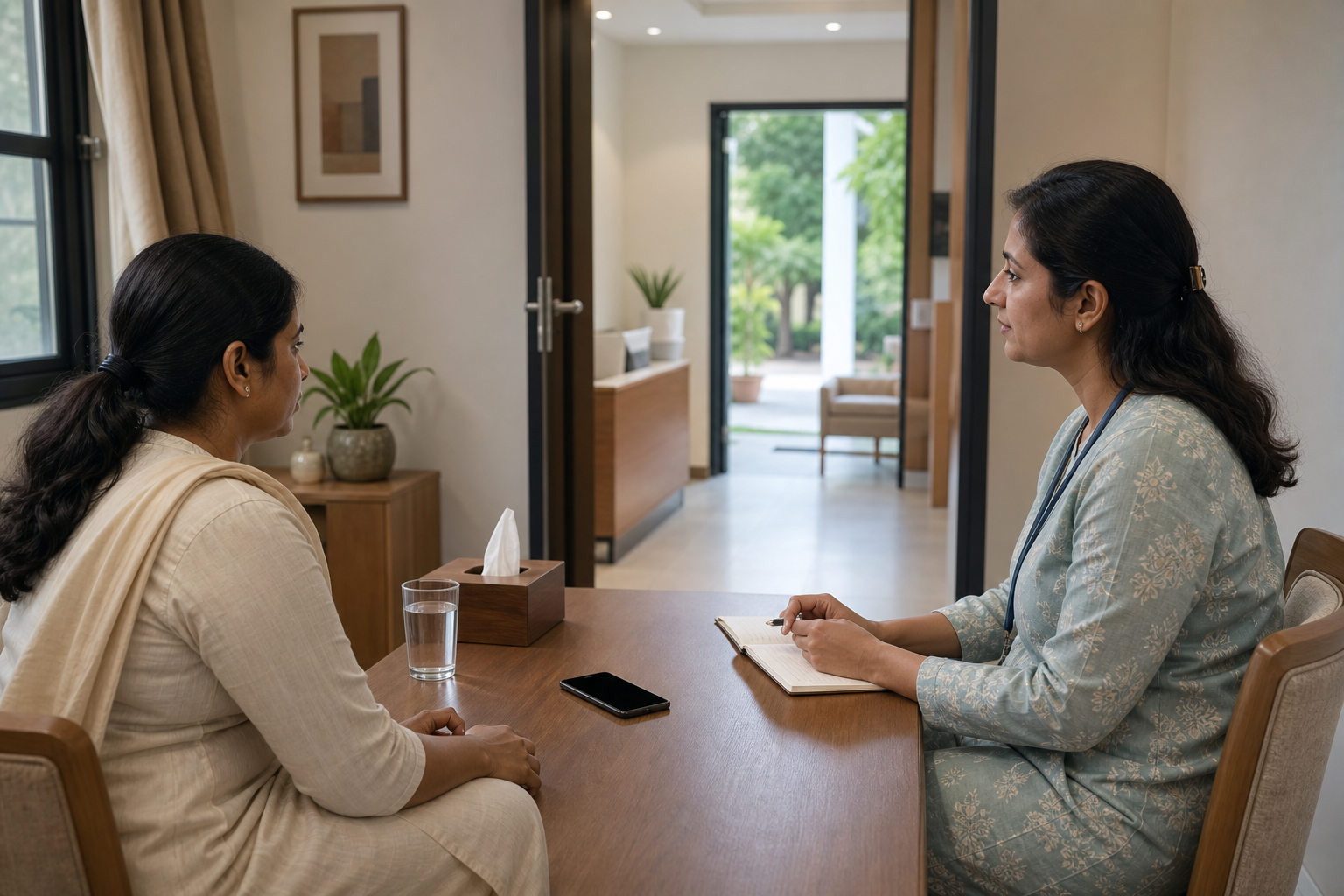
If this case resembles your own situation, do not begin by trying to win an argument online. Begin with safety. The following steps are general safeguards, not a substitute for advice from a qualified local lawyer, medical professional, police officer, or recognised women’s support service.
- Deal with immediate danger first. If violence or confinement may be imminent, move to a populated or trusted place if you can do so safely and contact local emergency services or police. Do not announce an escape plan or arrange a private confrontation. If leaving at that moment could increase the danger, use a safer device or trusted intermediary to seek local help.
- Tell one dependable person exactly what you need. Agree on a check-in time or code phrase. Identify transport and a place where you can stay without the accused person having access. Keep essential identification, medicines, money, keys, and a charger accessible when doing so is safe.
- Preserve evidence without editing it. Keep the original phone and files where possible. Export complete conversations rather than saving only selected screenshots. Make copies in an account the other person cannot access or give them to a trusted person. Write a chronology that separates what you directly remember from what another person told you. Do not alter dates, crop originals, or invent certainty where memory is incomplete.
- Seek medical care for injuries or urgent distress. Treatment comes before evidence collection. If it is safe, explain that an injury may be connected to assault and ask how the examination will be recorded. Keep discharge papers, prescriptions, bills, and other records.
- Get procedural help. A qualified local lawyer or recognised support organisation can help identify the appropriate police and legal route. Take a trusted person when making a complaint if that is permitted and helpful. Bring a concise chronology and copies of relevant material. Ask how your submission will be acknowledged, and retain a copy of everything handed over.
- Secure digital access after reaching safety. From a device the other person does not control, change passwords, enable two-factor authentication, review location sharing, sign out unknown linked devices, and check account-recovery phone numbers and email addresses. If your phone may be monitored, seek technical help before making changes that could alert the other person.
- Use public disclosure cautiously. A public appeal can attract assistance, but it can also reveal a location, expose intimate details, trigger harassment, or warn a person who may destroy evidence. Never publish identification documents, a home address, a live location, private medical records, intimate material, or unredacted contact details. Obtain the woman’s informed permission before sharing her name, image, voice, or personal history.
What a responsible Hindu community response looks like
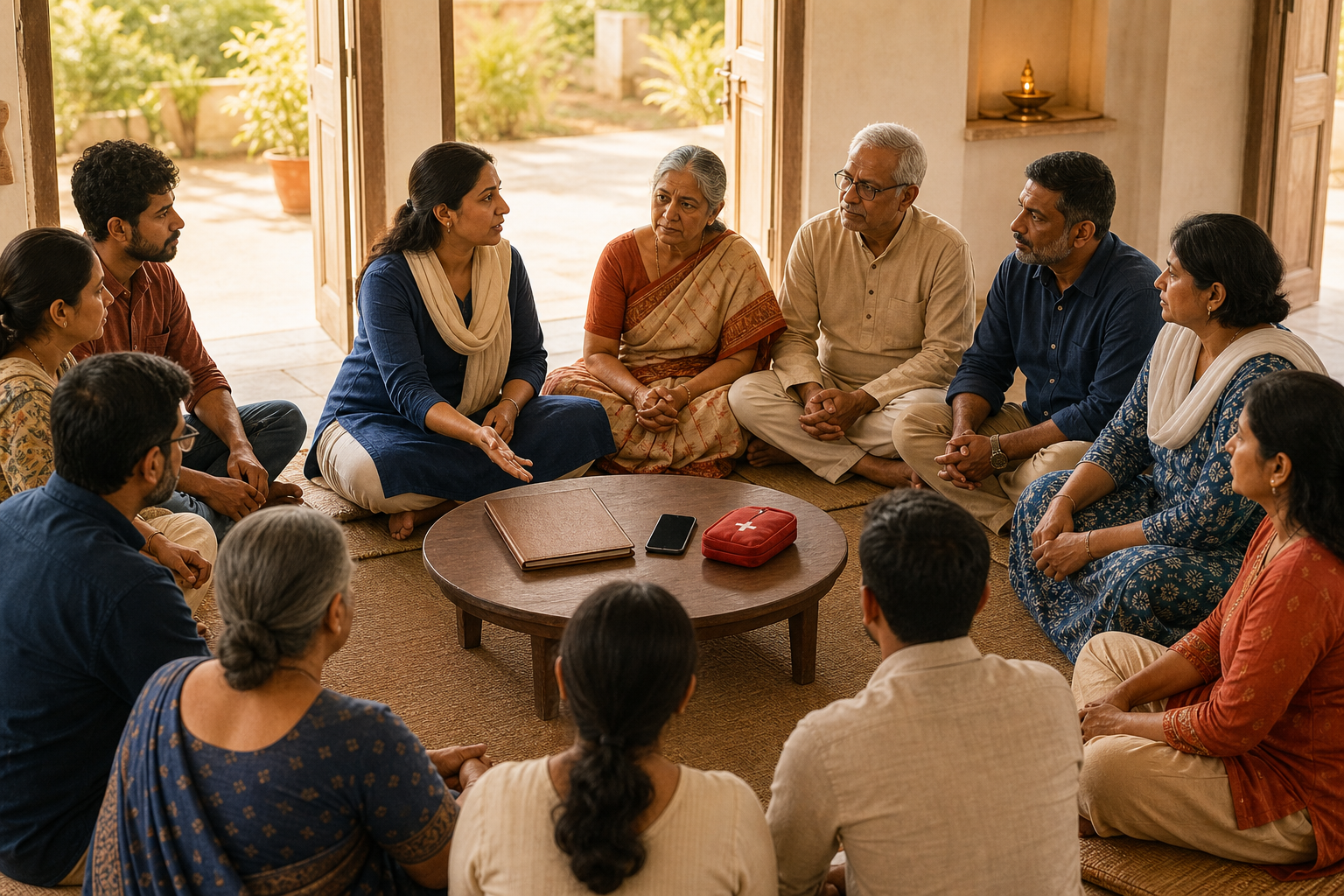
A pro-Hindu response should be visibly pro-woman, pro-truth, and opposed to coercion. The woman is not raw material for a campaign. Ask whether she is safe, whether her phone is monitored, what help she wants, and what information she permits others to disclose. Do not pressure her into a press appearance, religious ceremony, family reunion, or public denunciation.
Keep practical support and public advocacy on separate tracks. A small support team can assign one trusted woman as the main contact, one person to handle transport or safe accommodation, one qualified person to coordinate legal and procedural help, and one person to preserve records. Limit access to personal information. A crowded messaging group is not a case-management system.
Public advocacy should request identifiable actions: assess the woman’s immediate safety, formally record her allegations, preserve digital and medical evidence, examine any nikah or conversion documents, obtain accounts from the parties and named witnesses, and communicate procedural developments through lawful channels. These requests are stronger than a demand for punishment based only on a viral clip.
Do not publish the accused person’s address, encourage a crowd to confront him, threaten relatives, or target Muslims generally. Such conduct can endanger the complainant, invite retaliation, contaminate witness accounts, and turn a question of individual culpability into communal intimidation. It also abandons the Dharmic standards of satya, ahimsa, self-command, and proportionate action that Hindu advocacy claims to defend.
If you use the term love jihad, do not ask the label to perform the work of evidence. State the alleged acts underneath it. Was a religious identity concealed? Was marriage knowingly promised as a means of exploitation? Was there pressure to convert? Was violence used? Is there evidence of coordination beyond the two individuals? The Mohali allegations may justify asking those questions, but the allegations alone do not settle every answer.
The principle must remain consistent. Adults must be free to enter an interfaith relationship or adopt a faith through informed choice. They must also be free to refuse a marriage, religious rite, conversion, or sexual act without threats or violence. Defending both freedoms is not a compromise. It is the difference between religious liberty and religious domination.
Key takeaways
- A Hindu woman in the Mohali area has made serious allegations; the underlying conduct has not been established by a judicial finding in the information available to us.
- Examine the promise of marriage, sexual consent, nikah, conversion, and physical abuse as separate factual claims.
- If someone may be in danger, prioritise safe contact, medical care, qualified local assistance, and preservation of original evidence.
- Share no name, image, address, intimate material, or personal record without informed permission and a clear safety reason.
- Demand an impartial, documented investigation while rejecting threats, vigilantism, and collective blame.
If you are deciding what to do after seeing this case, choose one action that improves safety or factual clarity: preserve credible information, connect a person at risk with qualified local help, or ask the relevant institutions for a documented investigation. Do not add a rumour, an identifier, or a threat. Justice becomes more likely when concern is converted into disciplined support.
References
