
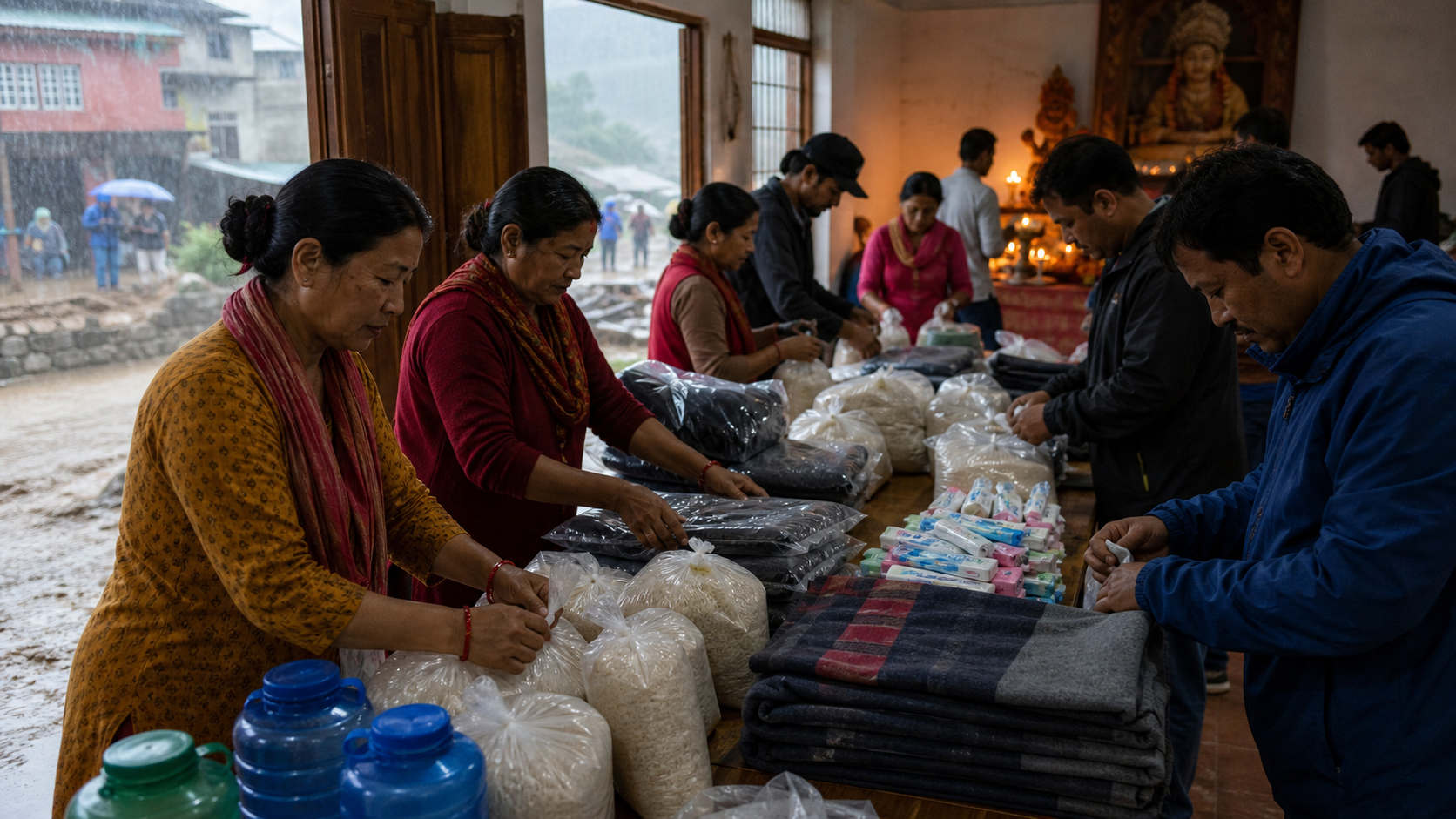
If you want to help Nepal after the flash floods, begin by separating what feels urgent from what is actually useful. The clearest response is to combine focused prayer with verified assistance, careful communication, and respect for the people living through the disaster.
ISKCON Nepal has called devotees to unite in prayer, compassion, and service. That is a meaningful summons, but each part asks something different of you. Prayer directs the heart. Compassion governs how you speak and share. Service carries a real burden without creating another one.
What is known about the emergency
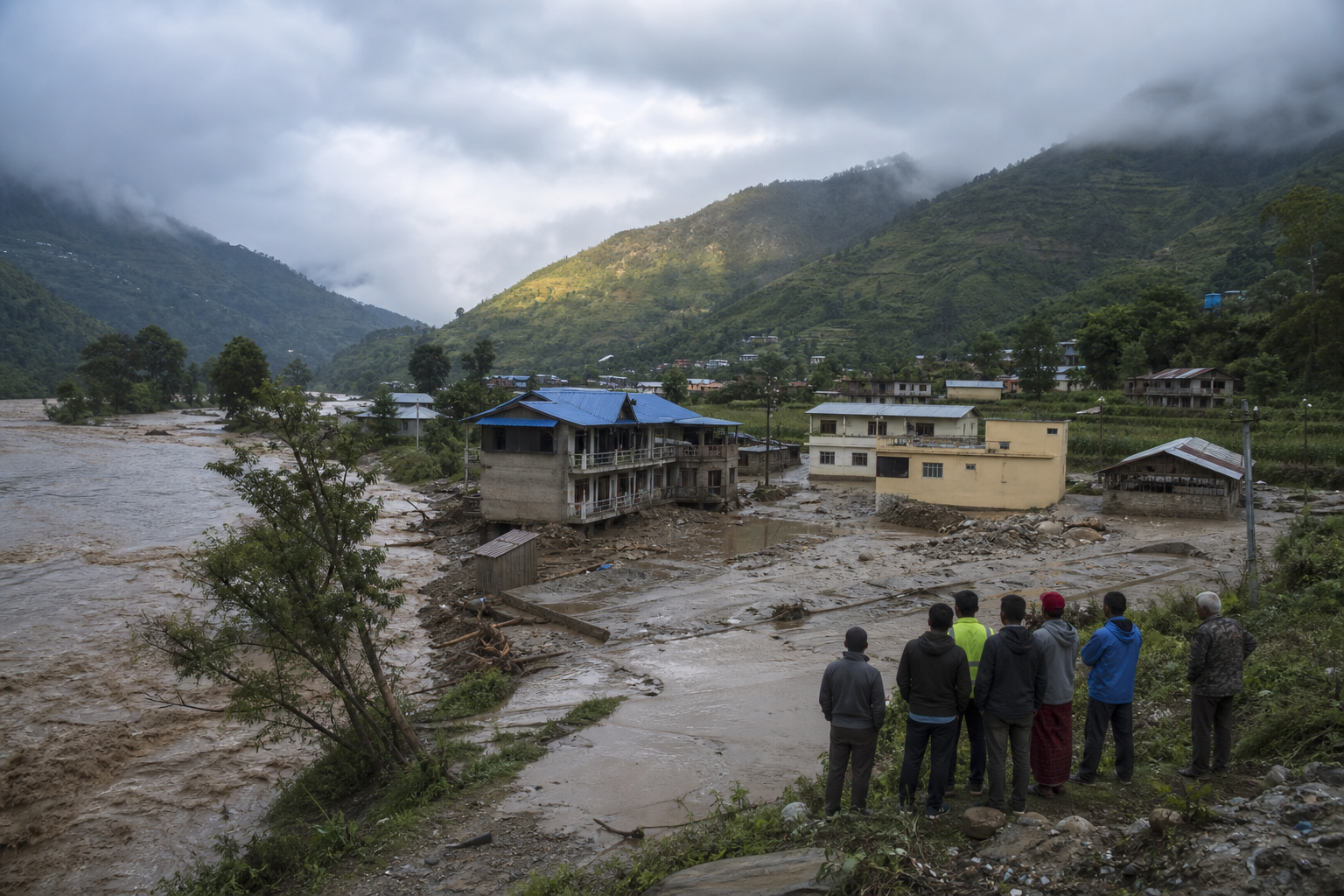
Catastrophic flash floods have struck Himalayan valleys in Nepal. Homes, bridges, roads, and communities have been swept away. Families have lost loved ones, many people have been displaced, and rescue teams are searching for missing people while trying to reach isolated villages.
No casualty total, affected-district list, donation account, material-needs list, or timetable for an ISKCON relief operation is included in the information available here. That boundary matters. You can accurately say that ISKCON Nepal has issued a spiritual and humanitarian appeal. You should not turn that appeal into an unsupported claim that a particular shelter, food-distribution programme, medical camp, or fundraising campaign is already operating.
When sharing the news, preserve that distinction. Do not add a death toll, village name, bank account, deadline, or volunteer instruction unless you have verified it through an official channel. Disaster rumours often travel inside well-meant messages because each person adds one detail that sounds plausible. Refusing to pass on an unverified detail is itself a form of care.
Give prayer a clear purpose
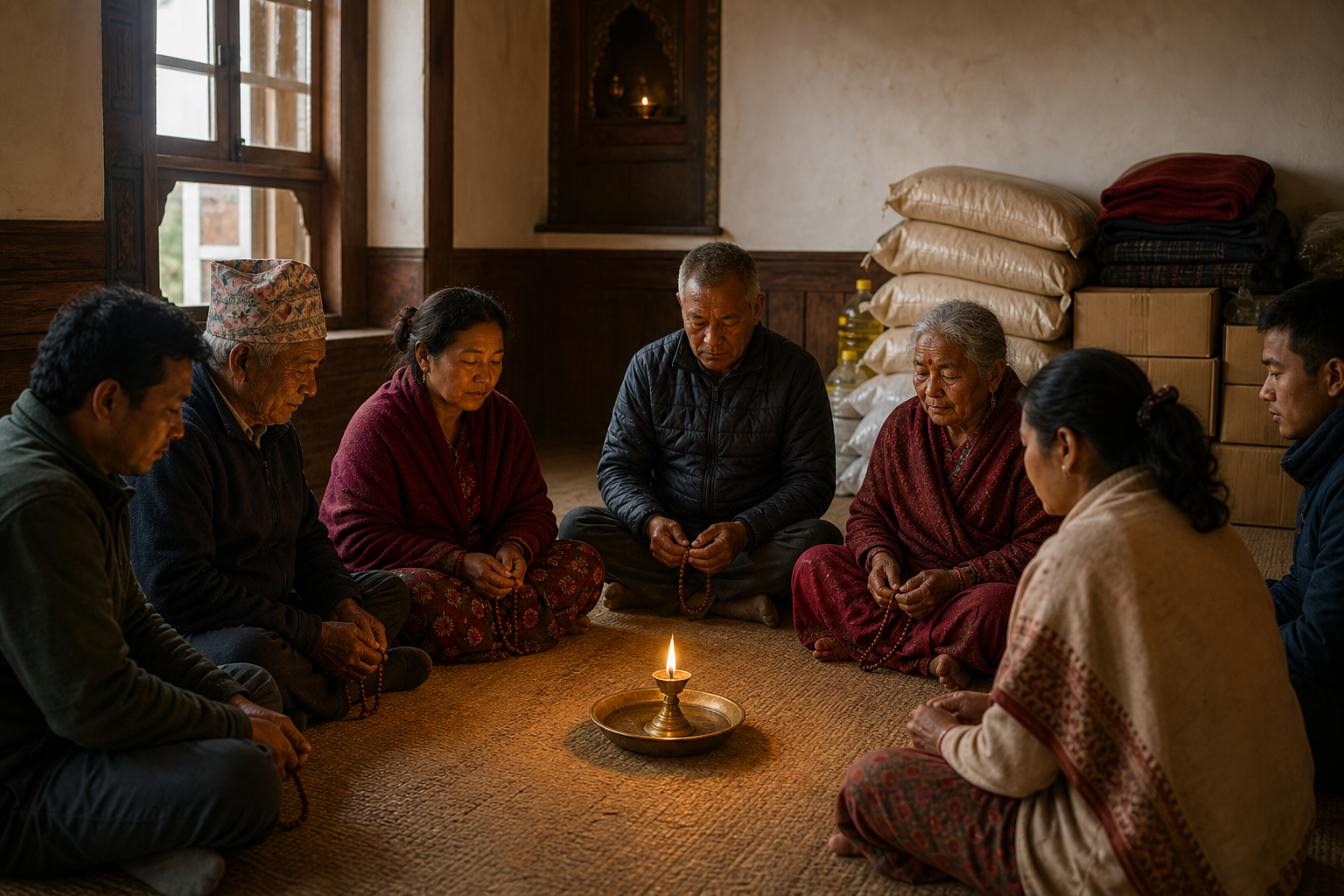
Prayer need not be a vague expression of concern. ISKCON Nepal has identified the people who should be held in remembrance: those who have departed, the injured, the missing, displaced and grieving families, and the rescue workers and volunteers serving in dangerous conditions.
If you are organising a temple, nama-hatta, household, or online gathering, name those intentions plainly. A useful announcement can say that the gathering will pray for:
- peace for those who have departed;
- protection and recovery for the injured;
- the safe finding of people who remain missing;
- courage and practical support for bereaved and displaced families; and
- strength and safety for rescuers and local volunteers.
Also tell participants exactly what the gathering is and is not doing. If no collection has been authorised, say so. If you are only holding kirtan and prayer while awaiting verified relief instructions, make that explicit. Clarity protects the community from assuming that attendance, a social-media share, or an informal cash offering automatically reaches flood survivors.
Make compassion disciplined, not performative
The spiritual premise behind the appeal is that every life is precious before the Lord. In practice, this means that affected people are not material for dramatic content. Their grief should not be used to increase engagement, demonstrate piety, or pressure others into giving.
If you know someone in Nepal, send a simple check-in that does not demand an immediate reply. Ask whether they are safe and whether they want a specific need shared. Do not press them for photographs, casualty details, or a firsthand account while rescue and family communication may still be underway.
Before forwarding photographs or names, consider whether the affected person consented and whether publication could expose a location, invade a family’s privacy, or spread an unconfirmed report. Use the least graphic material needed to communicate the emergency. The dignity of the injured, deceased, and bereaved does not become secondary because public attention may help a campaign.
Use a verification gate before collecting money or goods
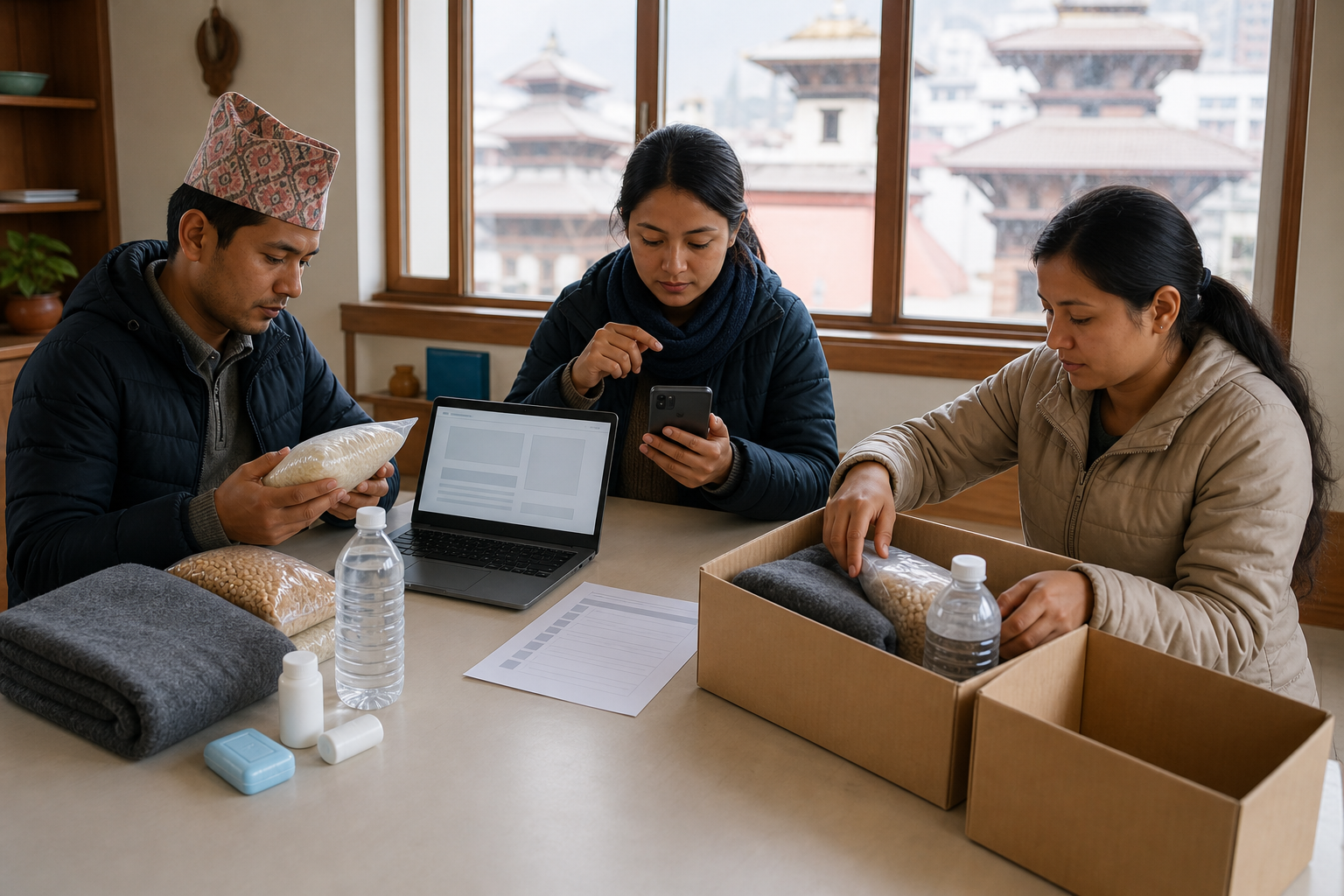
The desire to act quickly can make devotees vulnerable to forwarded payment details, copied logos, and collections with no clear route to the beneficiary. No official donation link is provided in the information cited here, so this article cannot direct you to a particular account.
Before you solicit or transfer money in ISKCON Nepal’s name, verify all of the following:
- Authority: The appeal appears on an official channel that you reached independently, not only through a forwarded screenshot or shortened link.
- Recipient: The account holder or payment recipient matches the organisation or authorised relief partner.
- Purpose: The campaign states what the money is intended to fund and whether donations are restricted to flood response.
- Contact: A responsible person or office can confirm the collection through a separately obtained contact method.
- Reporting: The organiser explains how donors will be told what was received, transferred, or spent.
If any of these elements is missing, pause the collection. A delay while details are verified is safer than sending funds to an account that survivors may never benefit from.
Apply the same discipline to material donations. Do not begin collecting clothing, food, medicines, or household goods merely because they seem generally useful. Wait for a verified needs list and instructions about quantity, condition, destination, transport, and local distribution. Unrequested goods still require storage, sorting, transport, and volunteers; without a receiving plan, they can consume capacity that should remain focused on urgent relief.
A five-step response for temples and devotee groups
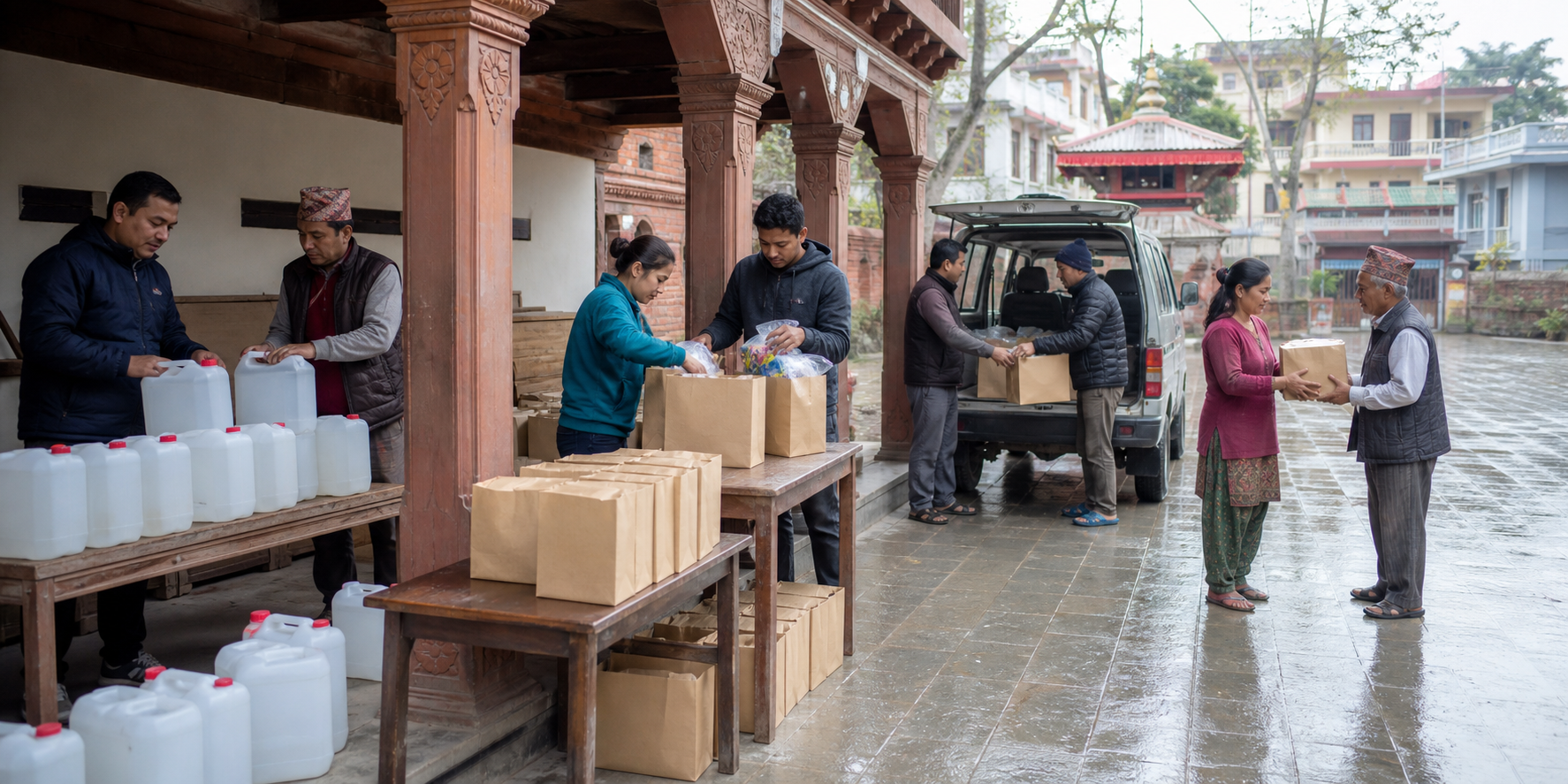
A community can prepare now without pretending that missing operational details are already settled. Use this simple sequence:
- Appoint one coordinator. Give one person responsibility for checking official updates, recording contacts, and correcting outdated announcements.
- Keep three separate lists. Label information as confirmed, requested but not yet confirmed, or unverified. Only the first list should appear in public announcements.
- Open the spiritual response. Schedule prayer or kirtan with the specific intentions identified above. State clearly whether any material collection is active.
- Set a fundraising gate. Do not publish payment details until authority, recipient identity, purpose, contact information, and reporting arrangements have been checked.
- Close the communication loop. If a collection later begins, tell donors when it closes, what was transferred, and whether further help is still requested.
Do not self-deploy into a flood-affected area on the strength of a social-media appeal. Roads and bridges have been destroyed, villages are isolated, and rescue work is taking place in dangerous conditions. Travel into such areas should follow local authority and experienced responder guidance. An uncoordinated visitor can require transport, shelter, information, or rescue that local teams cannot spare.
Key takeaways
- ISKCON Nepal’s confirmed response is a call for prayer, compassion, and service; do not invent operational details around it.
- Direct prayer toward the departed, injured, missing, displaced and grieving families, and the safety of rescuers.
- Share only confirmed facts, and protect the identities and dignity of affected people.
- Do not transfer funds or organise a public collection until the authority, recipient, purpose, contact, and reporting process are verified.
- Wait for a requested-goods list before collecting material aid, and do not travel into the disaster area without coordination.
Your next step can be modest and real: offer a focused prayer, check for verified instructions through an official ISKCON Nepal channel, and prepare your community to respond when a concrete need is confirmed. Seva is not measured by how quickly an appeal is forwarded. It is measured by whether your action reaches the suffering without compromising truth, safety, or dignity.
References
