
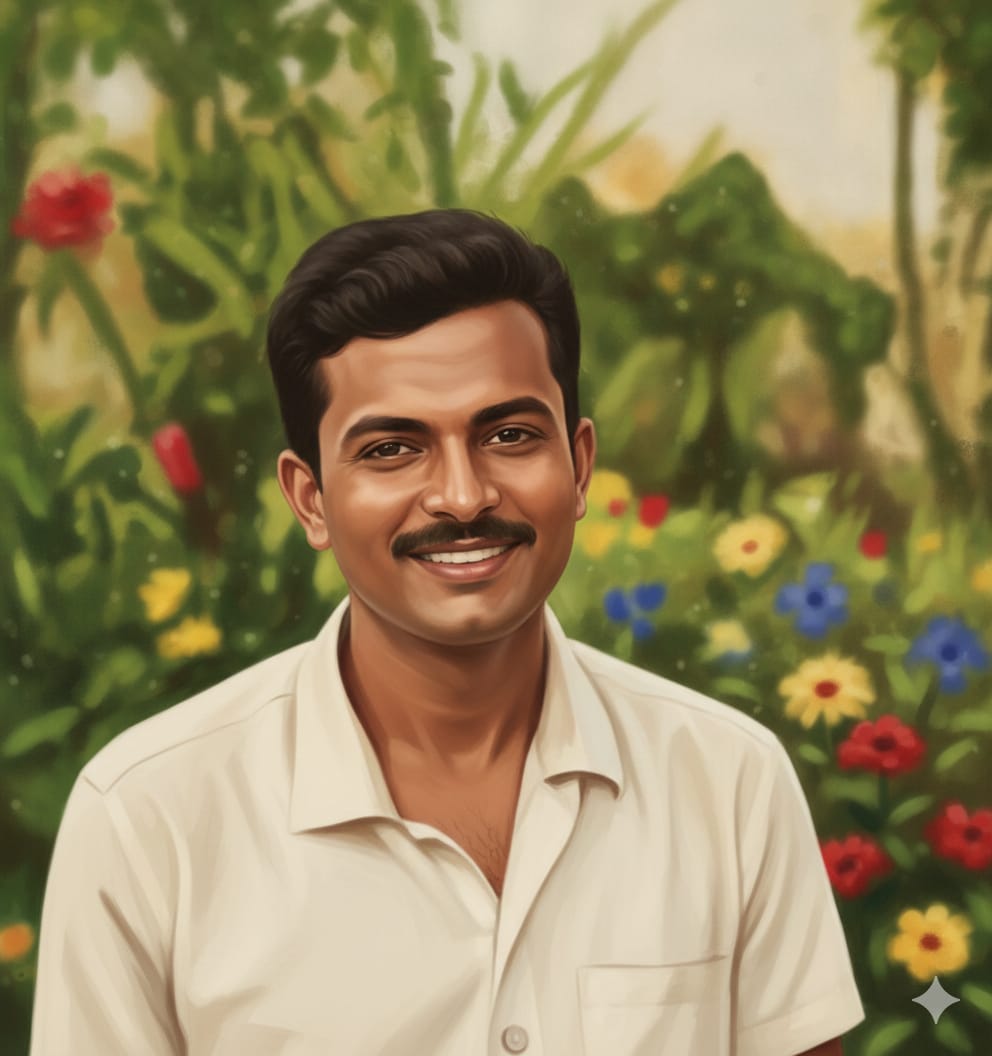
Dhirendra Datta Chowdhury, remembered in Sreemangal as Panu Babu, represents a kind of Liberation War participant easily lost between village memory and official history. The supplied biographical account portrays him as a political organiser, recruiter and community servant, but his name never entered Bangladesh’s completed freedom-fighter register.
His case offers more than a personal tribute. It shows why non-combat roles mattered in 1971, why post-war conduct can illuminate a person’s commitments, and why testimony must be preserved without being mistaken for independently verified documentation.
Key takeaways
- The account describes Panu Babu as a local mobiliser and camp organiser, not as a formally documented commander.
- His reported work included preparing volunteers, encouraging recruits and connecting them with the wider independence effort.
- His 1973 Union Parishad election and reputation for integrity suggest that public service continued after the war.
- Family testimony, community memory and a reported testimonial provide leads for research, but they do not replace archival verification.
The war depended on people who could build confidence
The Liberation War required more than soldiers and weapons. Local organisers had to identify volunteers, sustain morale, move information and connect frightened communities with emerging resistance networks. These activities often left thinner documentary trails than formal commands or major engagements, although they could determine whether a local effort survived.
The source account says Panu Babu helped mobilise volunteers during March and April 1971 and later moved through Moulvibazar, Sherpur and Sylhet before entering India. It reports that he worked in training camps as a political organiser and recruiter, encouraging young people and directing prepared fighters toward the front. It does not identify a military rank, unit, commander or specific battle, so describing him as a documented combat commander would go beyond the evidence provided.
His political relationships are also significant. The narrative places him among people associated with NAP-Muzaffar, the Awami League and the Student Union. Their cooperation demonstrates a practical lesson in national resistance: distinct ideological groups can retain their identities while acting together for a shared civilisational and civic purpose.
Victory changed the task, not the ethic of service
Panu Babu’s public record after independence gives the wartime recollections important context. The family says he returned to Noagaon, entered local development work and won a Union Parishad seat in 1973 under the Fish symbol by a substantial margin. Community descriptions emphasise his honesty, accessibility and concern for public welfare.
This continuity matters. Wartime courage can be difficult to reconstruct decades later, but elected service exposes a person to sustained public judgment. Roads, relief, disputes and access to institutions are less dramatic than battle, yet they reveal whether liberation is treated as a single victory or as an obligation to build accountable community life.

Why an official list cannot settle every historical question
Official recognition carries legal and material consequences, so it requires procedures and evidence. The account states that applications for enlistment were accepted online between 6 October 2013 and 31 October 2014. Panu Babu’s family says serious illness prevented him from completing the process and acknowledges that relatives lacked sufficient procedural awareness and follow-up.
His name was also absent from the roster of the NAP-Communist Party-Student Union special guerrilla force. That omission limits what can responsibly be claimed: political association and reported camp work do not prove formal membership in the listed force. At the same time, an unsubmitted or incomplete claim is not equivalent to an official determination that no service occurred.
The family reportedly holds a testimonial from Professor Muzaffar Ahmed concerning Panu Babu’s contribution. Its value depends on its exact wording, date, signature and provenance, as well as comparison with authenticated records. It should therefore be treated as a serious research lead rather than either dismissed or accepted without examination.
Preserving the record as an act of dharma
A responsible preservation effort would scan the testimonial in high resolution, transcribe it fully and establish its chain of custody. Researchers could then compare it with authenticated correspondence, interview surviving relatives and associates with informed consent, and search 1973 electoral materials, Union Parishad records, party papers and local newspapers. Agreement among independent sources would strengthen the account; contradictions should also be retained rather than concealed.
A dharmic approach to memory joins reverence with truthfulness. Hindu, Buddhist, Jain and Sikh traditions express duty and service in different ways, yet all offer moral resources for courage, self-restraint and responsibility beyond personal gain. That shared ethic helps explain why a locally remembered life of seva matters, while dharma’s demand for integrity also forbids turning uncertain recollection into settled fact.
Panu Babu died on 20 December 2015 without official recognition. The constructive next step is not uncritical canonisation, but careful local archival work that can give future generations a fuller and more testable history of Sreemangal’s contribution to liberation.
