

You may be reading this after seeing another report of violence and asking a practical question: what would meaningful protection for Bangladesh’s Hindu minorities actually look like? The answer cannot stop at condemnation, diplomatic concern, or a general appeal for harmony.
Protection becomes real when a warning reaches someone empowered to act, police intervene before danger spreads, allegations are investigated impartially, perpetrators face legal consequences, affected people receive relief, and authorities explain what happened next. That gives you a concrete standard for judging official action and a safer, more effective way to advocate.
Key takeaways
- Judge protection by the experience of Hindu citizens in daily life: their physical safety, livelihoods, access to essential services, and freedom to worship.
- Treat prevention, investigation, justice, relief, and public monitoring as one chain. A broken link can leave a community exposed even when officials have made reassuring statements.
- Ask for named mechanisms: an accessible warning channel, proactive policing, impartial investigations, legal follow-through, coordinated relief, and transparent updates.
- When documenting reported harm, distinguish an allegation from a verified event or legal finding. Protect names, faces, contact details, and locations when disclosure could increase danger.
- Keep advocacy rights-based and directed at perpetrators and institutional failures. Collective blame weakens both the moral case and the practical work of securing protection.
Protection is a chain, not a statement

A government can condemn communal violence and still fail to protect people. The decisive question is whether its institutions can move a warning through a complete chain of action. Early-warning mechanisms, community liaison, proactive policing, impartial investigation, humanitarian coordination, and transparent legal follow-through are not separate policy ornaments. They are connected parts of the same protective system.
- Receive the warning. A threatened community needs a clear and usable channel for raising an alert. A mechanism that exists on paper but is inaccessible, distrusted, or unable to escalate a warning will not prevent harm.
- Act before escalation. Proactive policing means responding to credible danger while prevention is still possible. A response that begins only after violence has occurred may restore order, but it has already failed its first protective test.
- Investigate impartially. Allegations must be examined according to evidence rather than the religious identity, influence, or political affiliation of the people involved. An arrest or announcement is not the same as a completed investigation.
- Carry the case into legal accountability. Protection loses credibility when attention fades between an initial complaint and its eventual legal outcome. Authorities should be able to explain what action followed and whether the process is still moving.
- Support affected daily life. Safety is not confined to surviving the immediate incident. It includes access to places of worship and essential services, the ability to maintain a livelihood, and humanitarian help where disruption has created an urgent need.
- Monitor and report. Consistent monitoring and transparent updates allow communities to see whether promises became action. They also show where cooperation between police, civil authorities, diplomatic channels, and humanitarian institutions has stalled.
Use this chain whenever you encounter an official assurance. If it mentions harmony but identifies no preventive mechanism, ask what will stop the next escalation. If it announces an inquiry but offers no follow-through, ask how progress will be communicated. If it promises justice but says nothing about immediate safety or relief, ask what happens to affected people while the legal process continues.
Ask questions that turn concern into an accountable plan
On 26 December 2025, West Bengal Leader of the Opposition Suvendu Adhikari met officials at the Bangladesh Deputy High Commission in Kolkata over reports of violence against Hindu minorities. The demands associated with that engagement were concrete: immediate protection, impartial investigation, swift justice, proactive policing, institutional cooperation, and relief where required.
The useful lesson is the method. Diplomatic representations, petitions, community resolutions, and public statements become more effective when they carry requests that an institution can answer. Whether you are writing to an elected representative, a diplomatic mission, a community organisation, or an authority responsible for public order, ask:
- What channel can a vulnerable community use to report an emerging threat, and which institution receives the alert?
- What preventive action follows a credible warning, rather than waiting for an incident to become severe?
- Who is responsible for conducting an impartial investigation into the reported event?
- How will legal follow-through and the status of the response be communicated?
- What immediate relief is available to people whose safety, worship, essential services, or livelihoods have been disrupted?
- How are police, civil authorities, community representatives, diplomatic channels, and humanitarian institutions sharing relevant information?
- When will the next transparent update be issued, even if the matter has not yet reached a final legal outcome?
A declaration that cannot yet answer these questions may still express a valid concern, but it is not a complete protection plan. The questions reveal whether responsibility has been assigned, whether the response covers both immediate safety and eventual justice, and whether anyone will check the result.
This approach also respects an important boundary. External advocates can request accountability and institutional cooperation, but they should not claim to know the outcome of an uncompleted investigation. Describe reported events as reported, identify what remains unverified, and demand a fair process without pre-judging its findings.
Advocate without increasing the risk to vulnerable people
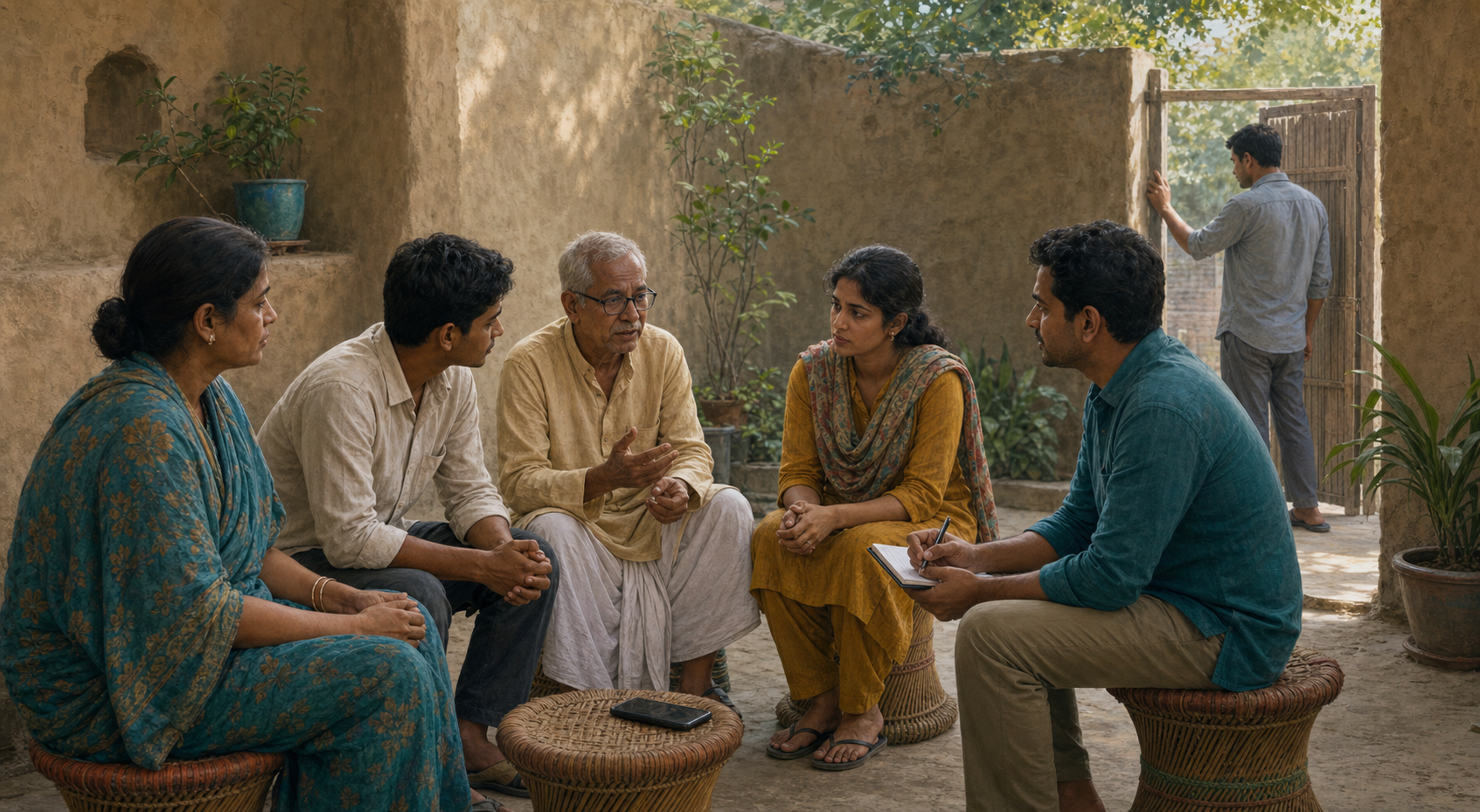
Public attention can help produce action, but careless amplification can expose the very people you intend to support. A frightened family should not have to trade privacy for solidarity. If you document or share a reported incident, build the record around institutional action rather than personal exposure.
- Label the status of the information. State whether something is an allegation, a report attributed to a named party, a fact confirmed by an authority, or a legal finding. Do not collapse those different stages into one claim.
- Keep a consistent incident record. Note the date, place, nature of the reported harm, immediate need, institution notified, response received, and follow-up status. Leave a field blank when the information is unknown instead of filling it with an assumption.
- Remove unnecessary identifiers. Do not publish names, faces, telephone numbers, private messages, or exact refuge locations when disclosure could expose someone to retaliation or renewed danger. Obtain informed consent before identifying an affected person, and remember that consent does not eliminate every safety risk.
- Convert concern into four requests. Ask for immediate protection; an impartial investigation with legal follow-through; relief and restored access to ordinary life; and a dated public update. These requests cover prevention, justice, recovery, and accountability without pretending that an advocate can replace the responsible institutions.
- Set a follow-up point. Record when you will ask again. A message sent during a moment of public attention is only the beginning; consistent monitoring is what reveals whether an assurance produced action.
- Coordinate information. Where community liaison or humanitarian coordination exists, use it to reduce duplication and conflicting claims. Share only the information necessary for protection, investigation, or relief.
If contacting a person directly, filming an affected location, or publishing a testimony could heighten danger, use a trusted intermediary and keep identifying details private. Visibility is a means, not the goal. The goal is safety, justice, and the restoration of ordinary life.
A short advocacy brief is often more usable than a stream of disconnected posts. Put the verified or carefully attributed facts first, separate unknowns from established information, list the four requests, identify the institution expected to act, and include the date on which you will seek an update. That format gives officials something specific to answer and helps supporters measure whether the response changed.
A Dharmic response joins ahimsa to justice

Concern for Hindus in Bangladesh should be explicitly Hindu without becoming collectively accusatory. The demand is straightforward: a citizen’s safety and access to justice must not depend on faith. Authorities should act consistently with Bangladesh’s constitutional protections and international obligations, and accountability should be directed at actual perpetrators and responsible institutions.
Ahimsa does not require silence in the face of reported violence. It disciplines the means by which we respond: truthful speech, protection of the vulnerable, compassion in relief, insistence on lawful accountability, and refusal to transfer guilt from an offender to an entire religious community. Hindu, Buddhist, Jain, and Sikh traditions differ in doctrine and practice, but their shared ethical vocabulary of non-violence, justice, and compassion can support this disciplined response.
Communal harmony cannot serve as a substitute for enforcement. Dialogue without accountability asks vulnerable people to trust institutions that have not yet demonstrated protection. Enforcement without community liaison can miss the warnings that make prevention possible. Durable confidence requires both: a capable rule-of-law response and channels through which communities can raise concerns before they become crises.
The stakes extend beyond an individual incident. Protecting worship, essential services, cultural heritage, and everyday livelihoods strengthens interfaith trust and reduces the risk that communal violence will damage cross-border relations and people-to-people ties. A rights-based approach therefore serves Hindu security, democratic legitimacy, and regional stability at the same time.
When the next credible report reaches you, begin with three actions: record what is known without overstating it, protect the identities of people who may remain at risk, and send a four-part request covering immediate safety, impartial investigation, relief, and a dated update. Then return to the case. Concern becomes protection only when institutions act and someone verifies that they did.
References
