
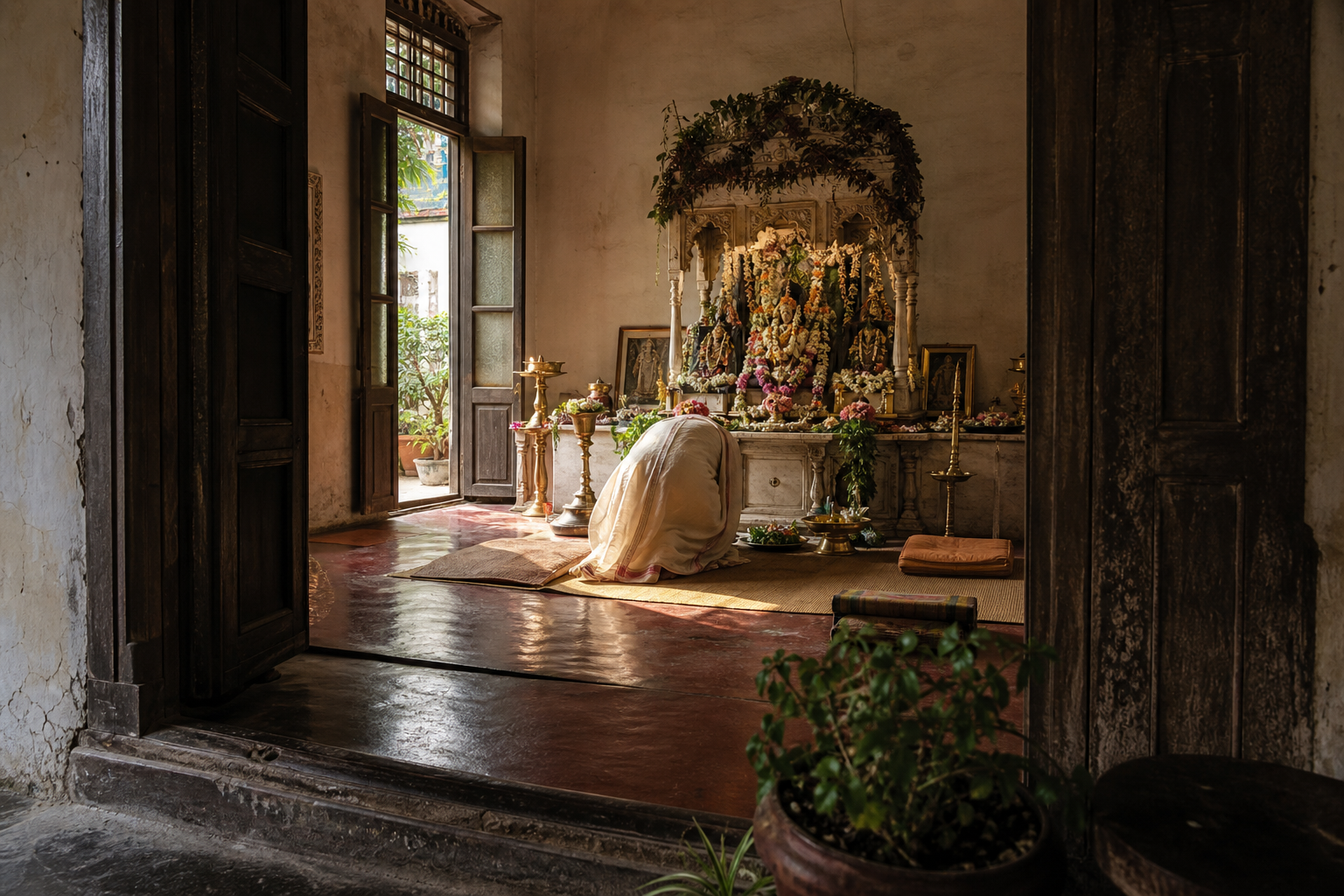
If you are considering Bhakti Bhavan as one more Kolkata heritage stop, pause before you plan the visit. The house becomes intelligible only when you see what it preserves: not memorabilia from a famous life, but a discipline of worship carried through a Gaudiya Vaishnava lineage.
Your most useful question is therefore not simply, ‘What old things are kept here?’ Ask instead, ‘What responsibilities passed through this home, and how should I meet them?’ That shift turns darshan into attentive study and study into a practical choice about nama, shastra, and seva.
A home becomes heritage when its practice remains visible
Srila Bhaktivinoda Thakura (1838-1914) helped revitalize Gaudiya Vaishnavism through research, writing, organization, and renewed emphasis on Sri Caitanya Mahaprabhu’s teachings. Bhakti Bhavan matters because it locates that public achievement inside a household ordered by worship. It reminds you that a religious renaissance is not sustained by publications and institutions alone. It also depends on repeated acts of remembrance, regulated service, and personal responsibility.
This is the first distinction to carry into the house. Bhakti Bhavan is historical, but it is not merely a historical house. Its sacred objects are not inert exhibits that acquired religious meaning only because an important person once possessed them. They are deities and silas served within a living tradition. Their continuing worship belongs to their identity.
At the same time, calling the house sacred should not make its history vague. Names, relationships, forms of worship, and lines of custody still matter. You can read the heritage through three connected layers:
- Historical: who worshipped, received, or entrusted a sacred presence, and how the house fits into the Gaudiya revival.
- Theological: whom the deity or sila manifests and why that form is worshipped rather than treated as a symbolic keepsake.
- Practical: what kind of archana, remembrance, discipline, or service the sacred presence asks of a practitioner.
Keep all three layers in view. A museum-only reading strips worship from the objects. An imprecise devotional reading can erase the human acts by which the tradition was preserved. Bhakti Bhavan is most revealing when evidence and reverence are allowed to illuminate each other.
Read the four sacred presences as a devotional map
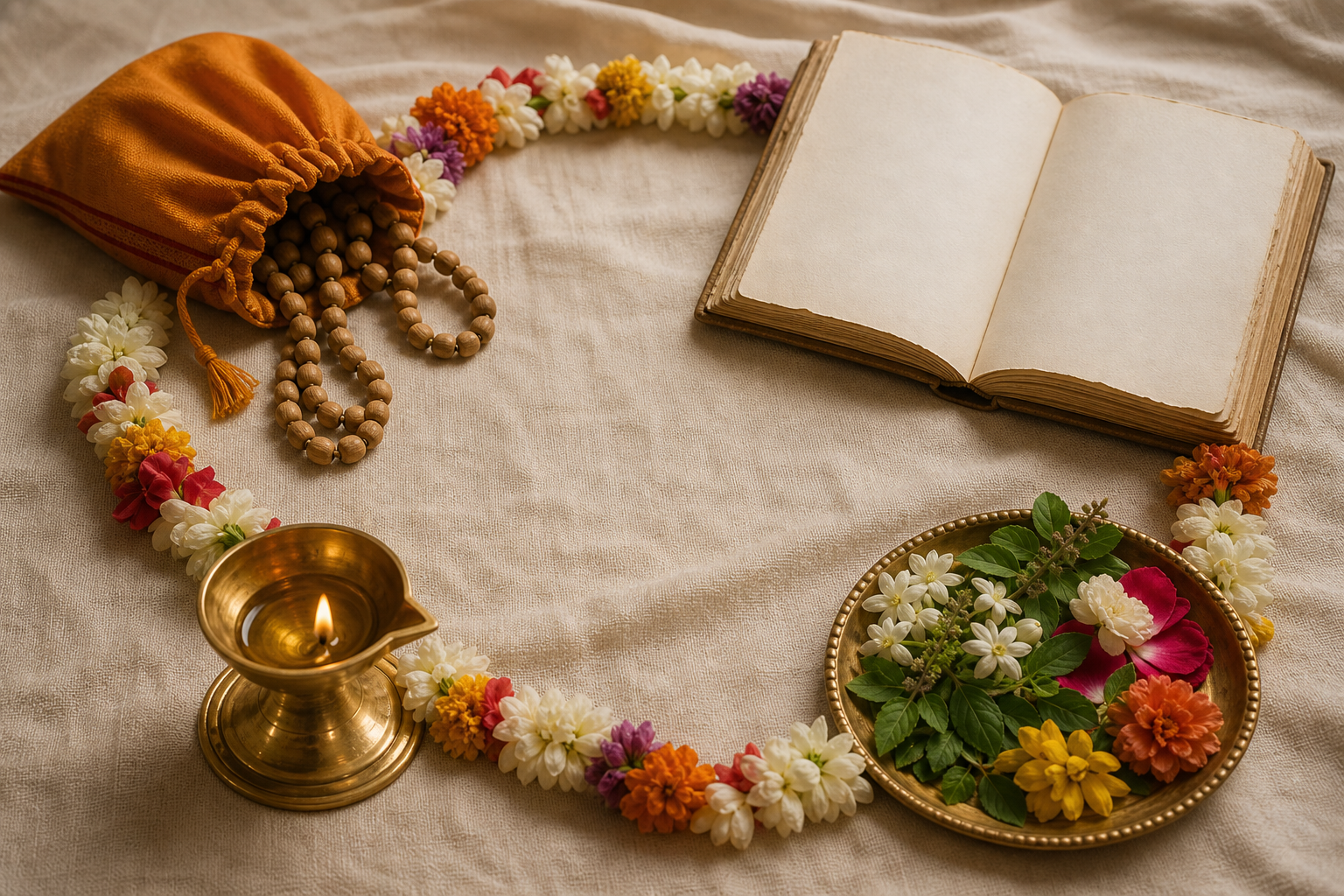
The Madhava deity, Giriraja Sila, Salagrama Sila worshipped as Jagannatha, and Kurma Sila do not merely give you four things to see. Together they show how household worship, sacred geography, avatara theology, and parampara meet in one place.
Madhava: devotion made regular
The Madhava deity places daily archana at the center of the house. Archana is regulated, attentive service to the deity. Its strength lies partly in recurrence: devotion orders time, conduct, and household responsibility instead of being left to occasional emotion.
When you take darshan of Madhava, notice the relationship between this domestic rhythm and Bhaktivinoda Thakura’s wider mission. The public teacher and the household worshipper are not competing identities. The useful question is not how he found time for both, but how regular worship gave direction to everything else.
Giriraja: sacred importance is not measured by size
The Giriraja Sila at Bhakti Bhavan was received from Srila Jagannatha Dasa Babaji. Within Vaishnava theology, Giriraja is nondifferent from Krishna and recalls the Govardhana-lila celebrated in the Bhagavata tradition. A visitor accustomed to judging importance by visual scale can easily miss the point: a sila’s modest physical size does not make it a lesser devotional presence.
Giriraja also joins theology to lineage. Ask both whom the sila manifests and what the act of receiving it meant. The first question protects the sacred identity of Giriraja. The second reveals trust and responsibility between practitioners.
Jagannatha Salagrama: Bengal and Puri meet in the home
Salagrama Silas, traditionally associated with the Gandaki region, are revered across Vaishnava traditions as self-manifest forms of Vishnu. The Salagrama at Bhakti Bhavan is worshipped in the manifestation of Jagannatha. That identity brings the devotional world of Puri into a Bengali household shaped by Sri Caitanya Mahaprabhu’s mission.
Do not reduce that connection to geography. Jagannatha here is not a souvenir of a pilgrimage route. The Puri-Bengal relationship is made present through worship. Look for the movement by which a sacred landscape enters daily life: pilgrimage becomes remembrance, and remembrance becomes service.
Kurma: stability expressed through custodianship
Kurma, the second avatara, supports the cosmic churning. The form therefore carries a natural meditation on steadiness, patience, and support amid turbulence. Bhakti Bhavan’s Kurma Sila also has a particular lineage significance: it was later entrusted to Srila Bhaktisiddhanta Sarasvati Thakura for worship.
The verb ‘entrusted’ deserves your attention. It describes more than movement from one custodian to another. It names a duty. The sacred presence is received for seva, not acquired for private possession. This makes the Kurma Sila both an object of worship and a concrete lesson in how parampara carries responsibility forward.
For each sacred presence, use the same four questions:
- Who is being worshipped?
- Which person, place, or event connects this presence to Bhakti Bhavan?
- What form of sadhana does the presence bring into focus?
- What responsibility was received and passed onward?
Those questions will tell you more than a list of names. They reveal a devotional system in which theology is embodied through repeated care.
The lineage is the house’s real architecture
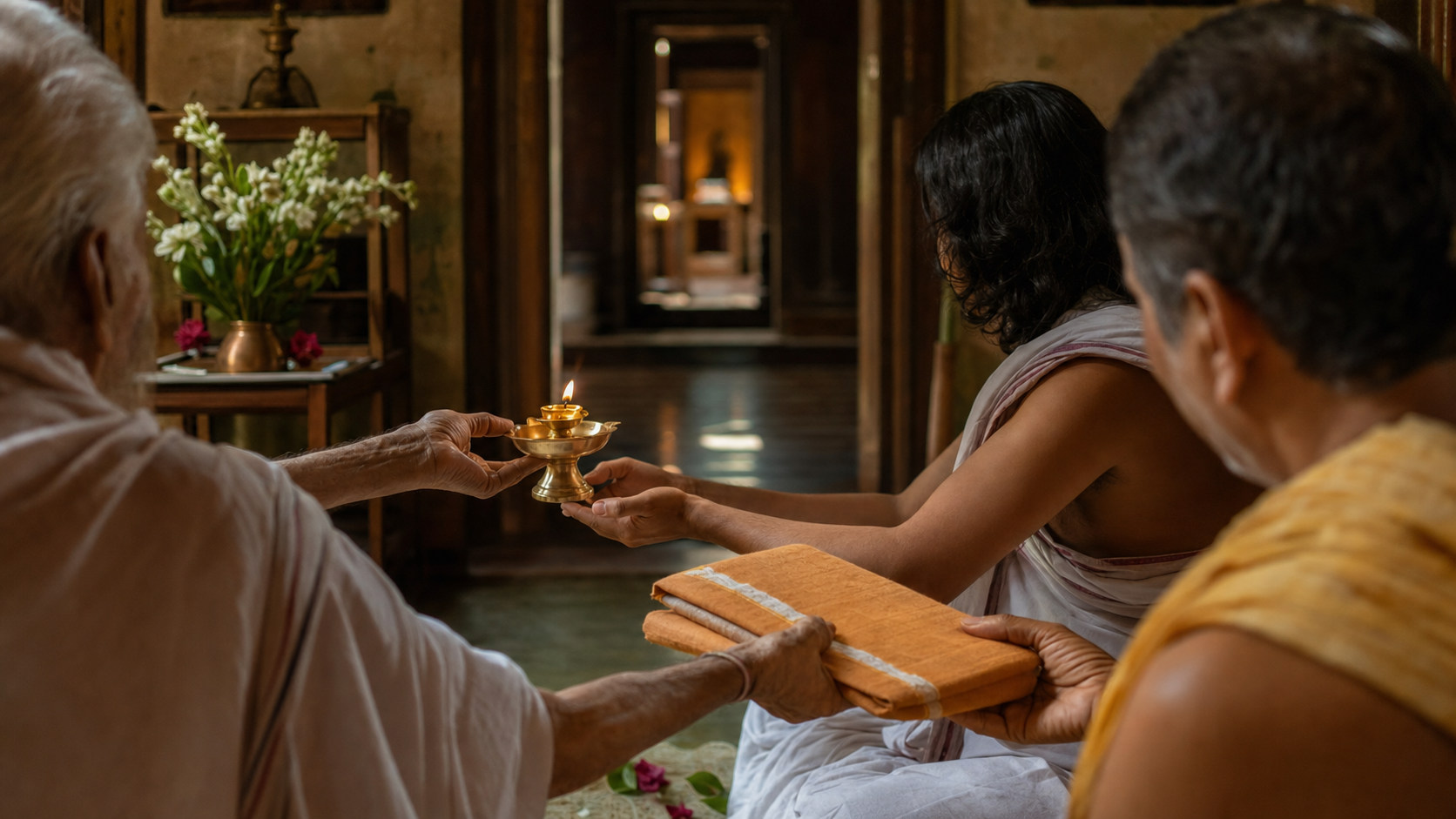
Parampara is often presented as a sequence of names. Bhakti Bhavan invites you to read it as a sequence of disciplined actions: receiving, worshipping, teaching, entrusting, preserving, and serving. Srila Jagannatha Dasa Babaji’s connection with Bhaktivinoda Thakura and the later custodianship of the Kurma Sila by Srila Bhaktisiddhanta Sarasvati Thakura make that continuity tangible.
Bhaktivinoda Thakura’s work helped renew Gaudiya devotional life around scripture, seva, and nama. Bhaktisiddhanta Sarasvati Thakura carried the disciplic mission into a more organized form, and that continuum eventually helped animate worldwide Hare Krishna outreach. The global reach is easier to understand when you first see the household discipline beneath it.
There is also a useful standard of accuracy here. A custodial connection should not be inflated into proof of every claim made by every later institution. Nor should it be dismissed as picturesque family history. It is meaningful evidence of how a recognized lineage understood and enacted sacred responsibility.
If you are studying Bhakti Bhavan rather than visiting only for darshan, keep four kinds of information distinct in your notes:
- Direct observation: the present arrangement of the shrine, visible labels, current patterns of access, and worship you personally witness.
- Custodial memory: names, narratives, and explanations communicated by those caring for the place. Record who conveyed them rather than turning every recollection into an unattributed fact.
- Textual context: the Bhagavata Purana, Hari-bhakti-vilasa, and the writings of Bhaktivinoda Thakura and Bhaktisiddhanta Sarasvati Thakura can clarify the language and purpose of the practices.
- Theological meaning: claims such as Giriraja’s nondifference from Krishna belong to Vaishnava theology and should be represented faithfully as such, not translated into the thin language of metaphor merely to suit a secular catalogue.
This separation does not weaken devotion. It prevents categories from being confused. A careful historian need not pretend that theology is archaeology, while a careful devotee need not accept a catalogue that misidentifies worship as folklore.
Plan your visit around worship, not sightseeing
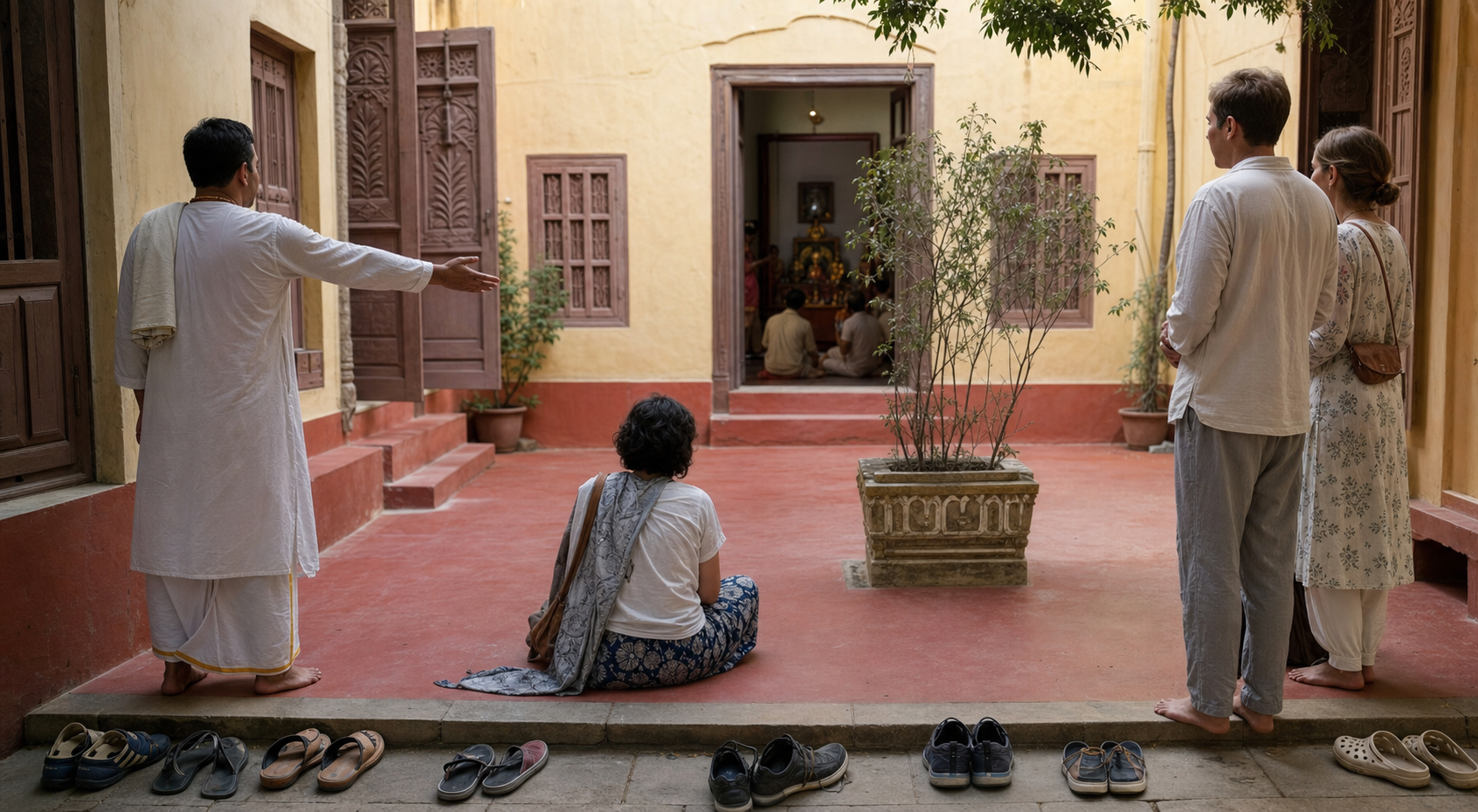
Bhakti Bhavan’s devotional rhythm comes before visitor convenience. Access, etiquette, and suitable times for questions should therefore be confirmed in advance, especially when puja is taking place. A respectful plan is simple:
- Learn the essential names before you arrive. Know Madhava, Giriraja, Jagannatha Salagrama, and Kurma. Remember the lineage links involving Jagannatha Dasa Babaji, Bhaktivinoda Thakura, and Bhaktisiddhanta Sarasvati Thakura. You will then recognize what you are seeing without trying to conduct a hurried lesson inside the shrine.
- Confirm local guidance. Ask about visiting hours, puja schedules, photography, and offerings. Wear modest clothing, keep your manner quiet, and bring an offering only when you know it accords with Vaishnava norms. Local custodians, not assumptions carried from another temple, determine the appropriate practice in the house.
- Let darshan precede documentation. Put away the phone, do not touch a deity, sila, altar, or associated object, and wait for a suitable moment before asking questions. If photography is permitted, permission still does not turn worship into a photo opportunity. Observe first.
- Make one practical response. After the visit, choose a sustainable expression of what you learned: steadier nama-japa, attentive study of shastra, or a defined act of community seva. A modest discipline you can maintain is more faithful to the house than an emotional promise you will quickly abandon.
If you are visiting as a researcher, write notes after leaving the immediate worship space unless the custodian directs otherwise. Mark what you saw, what you were told, and what you inferred. Ask for exact spellings and relationships. Seek permission before recording oral history or making images intended for publication. These small habits protect both scholarly credibility and devotional trust.
You do not need an elaborate reading programme before going. A focused selection from the Bhagavata Purana, Hari-bhakti-vilasa, or Bhaktivinoda Thakura’s own writings is enough to give the visit a question. Read to recognize the logic of seva, not to collect quotations that compete with the darshan.
Key takeaways
- Bhakti Bhavan is best understood as a functioning sacred home, not an inert museum.
- Its four principal sacred presences connect daily archana, Krishna’s Govardhana-lila, Jagannatha devotion, Kurma theology, and lineage custody.
- The clearest evidence of parampara lies in acts of receiving, worshipping, entrusting, and serving.
- Confirm hours, puja etiquette, offerings, and photography rules before visiting.
- Let the visit change one actual practice: nama-japa, shastra study, or community seva.
Preserve continuity, not only the building
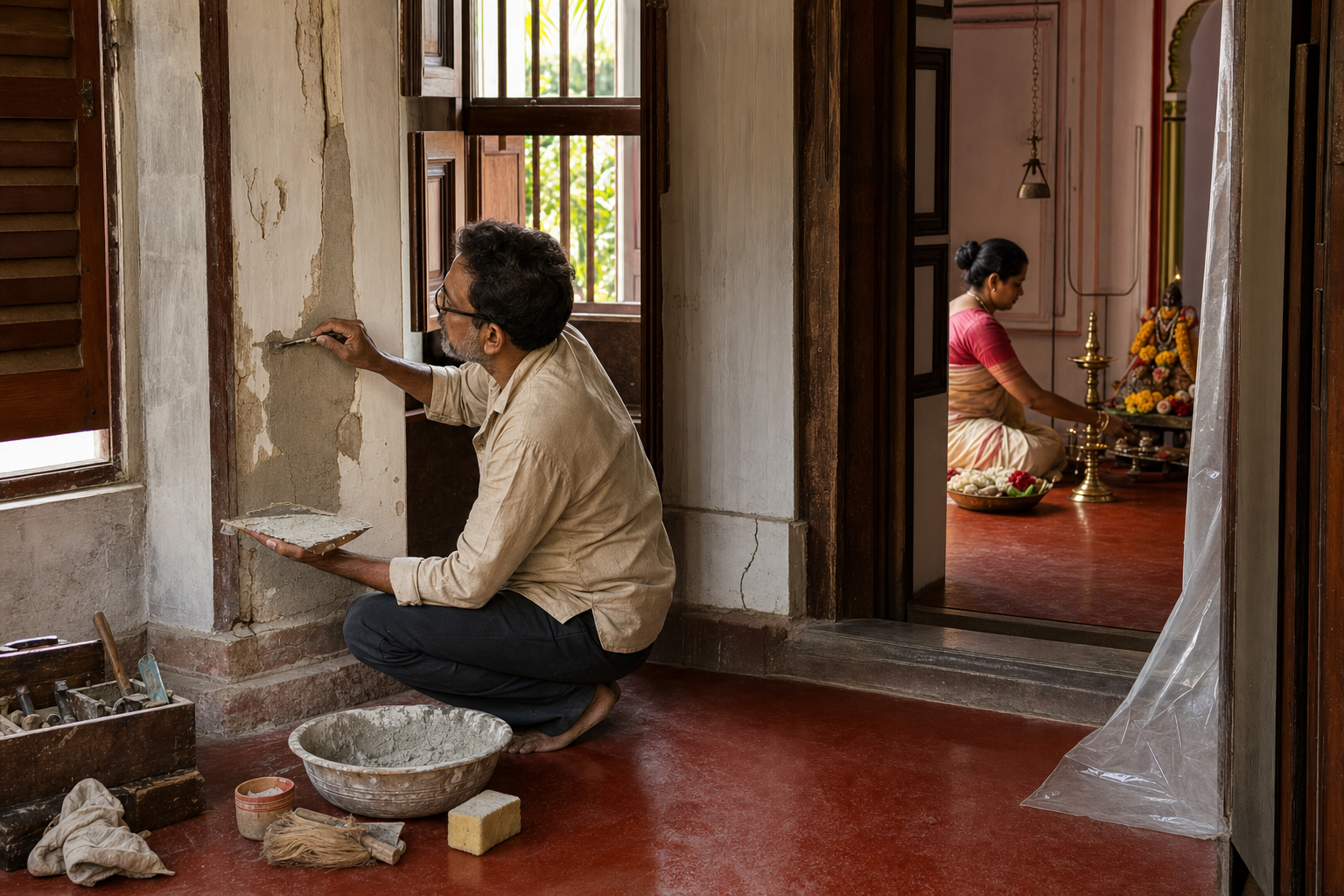
Bhakti Bhavan’s renovation has sought to respect both devotional use and heritage preservation. That balance matters because a freshly finished room can still fail as living heritage if it interrupts worship, loses provenance, or treats the community as an obstacle to display.
A serious preservation effort should be tested against five responsibilities:
- Protect the sacred objects. Environmental care should respond to the actual materials and conditions involved, with specialist advice where needed. Visual improvement is not a substitute for conservation.
- Protect living worship. Visitor access and conservation work should accommodate puja rather than quietly turning it into a performance staged for visitors.
- Manage movement respectfully. Clear guidance and responsible visitor flow reduce accidental intrusion without making the house inaccessible.
- Document the heritage. Textual records, photographs, object histories, and properly attributed oral memories should be organized before knowledge disappears with a generation of custodians.
- Keep stewardship within the community. Scholars and conservation specialists can contribute important skills, but the people who sustain the worship must remain participants in decisions about meaning, use, and access.
This is relevant beyond Gaudiya Vaishnavism. Hindu, Buddhist, Jain, and Sikh traditions differ in doctrine and sacred form, yet each knows the importance of disciplined practice, remembrance, service, and custodial memory. Those convergences offer a basis for Dharmic cooperation in heritage work.
Cooperation does not require theological flattening. Giriraja’s identity as nondifferent from Krishna is specifically Vaishnava; it should not be repackaged as a generic symbol acceptable to everyone. The strongest Dharmic solidarity protects each tradition’s right to explain its sacred inheritance in its own terms.
If you visit Bhakti Bhavan, arrive knowing the four sacred names and carrying one honest question about service. Leave with one practice you are prepared to sustain. If you document or help preserve the house, record not only what is present but also how it is worshipped, who cares for it, and what responsibility must pass next. That is how a sacred home continues to teach.