
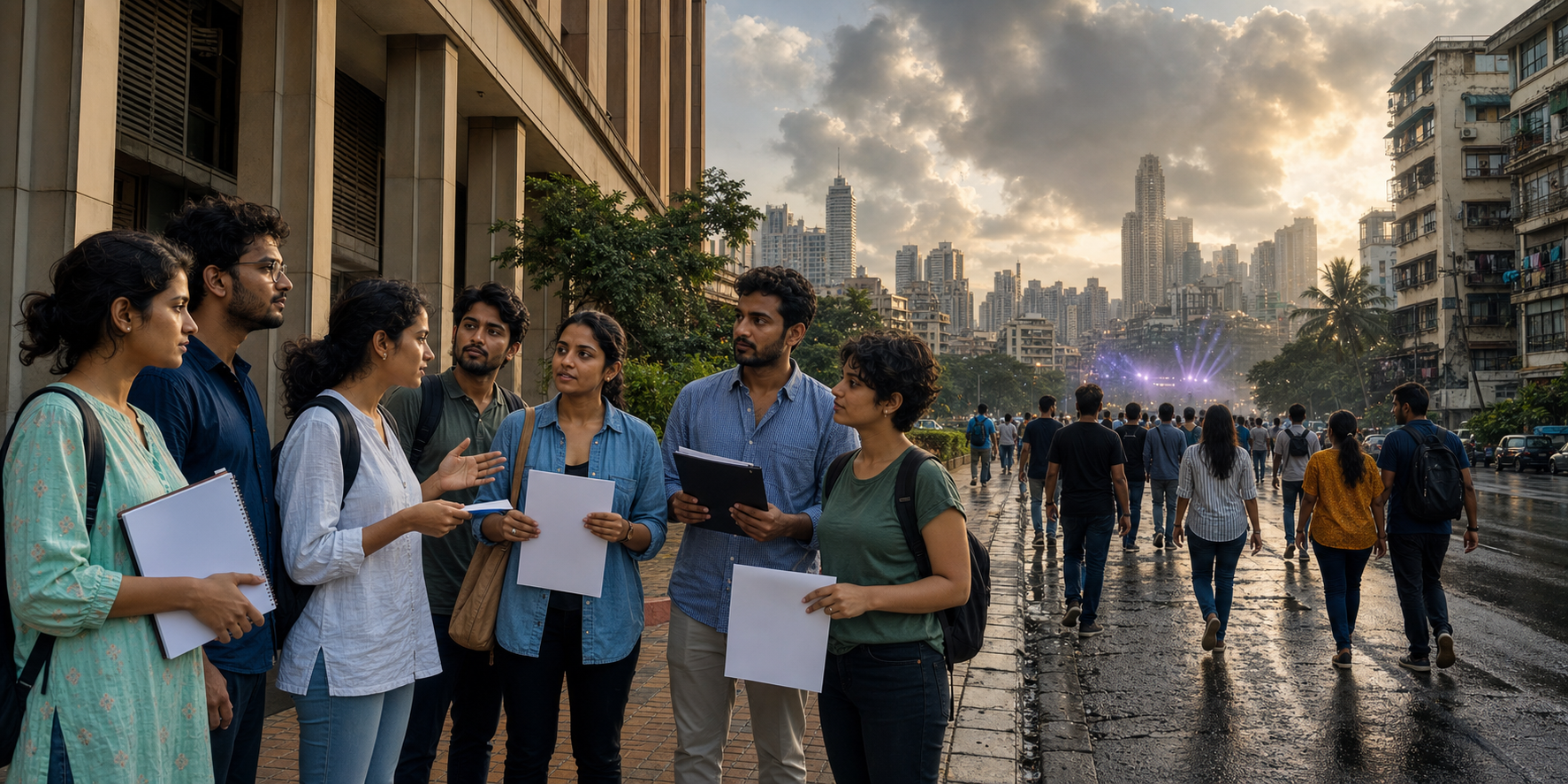
If you are worried that a large music festival could expose your neighbourhood to illegal drugs, late-night noise, congestion or unsafe crowd conditions, you do not have to choose between remaining silent and joining an angry confrontation. The stronger response is disciplined civic action: verify what you can, state what remains a concern, and demand safeguards that authorities and organisers can demonstrate.
That distinction matters in Mumbai. A campaign can defend young people, families and public order without treating every concertgoer as an offender or presenting an alleged drug connection as a proven fact. It also gives officials something concrete to answer.
Start with the claim you can actually defend
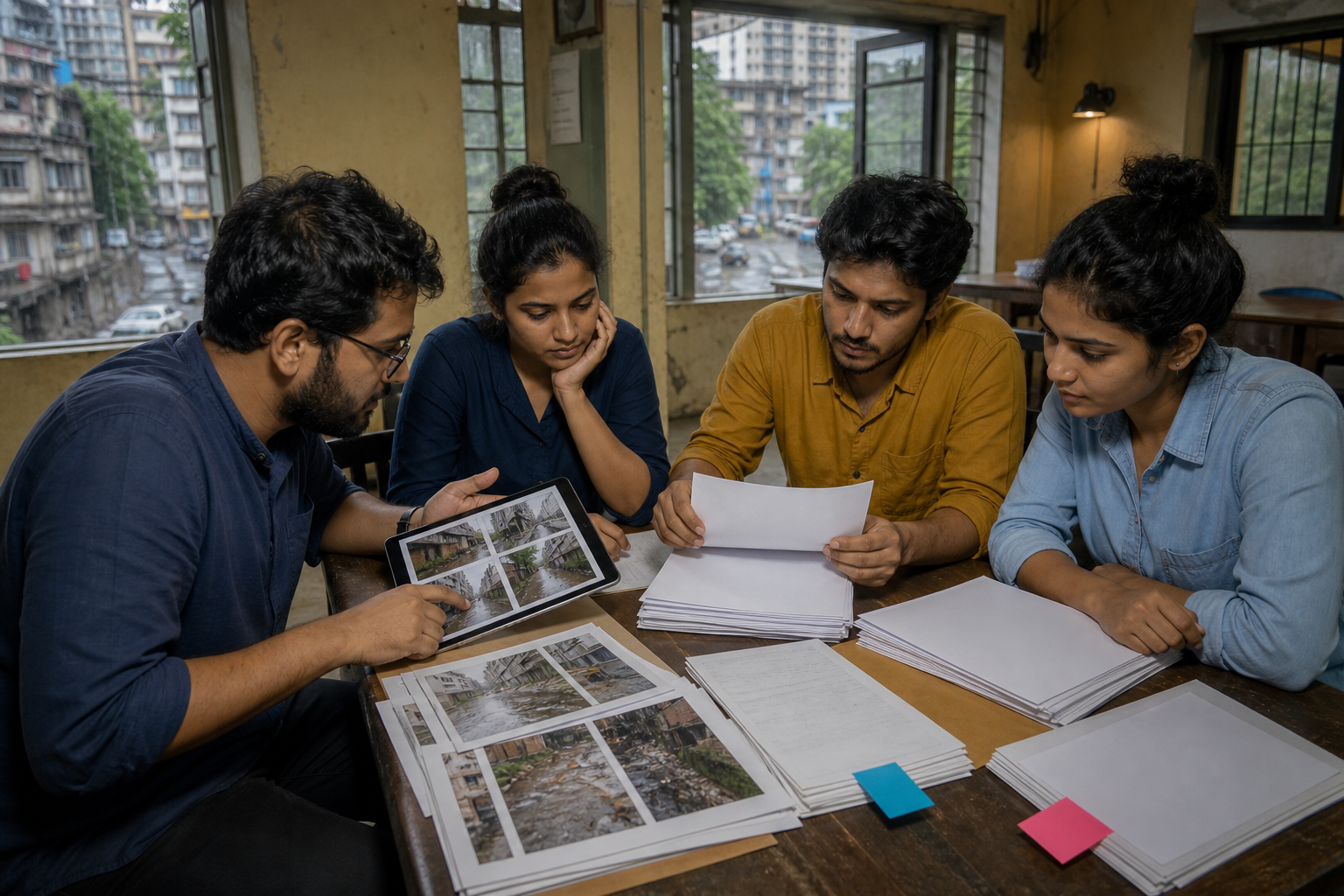
The opposition to Sunburn across the Mumbai Metropolitan Region concerns its perceived association with drug culture and its possible effects on public safety, traffic, noise and neighbourhood life. The word “perceived” is essential. Concern can justify scrutiny, but it does not by itself prove that an organiser, performer or attendee has committed an offence.
If you are preparing a petition, campus statement or neighbourhood representation, divide your material into three clear buckets:
- Verified facts: event details, official notices, published policies and conditions you can document directly.
- Reported concerns: complaints or experiences whose origin you can identify, without presenting them as established findings.
- Public-interest questions: the safeguards, enforcement plans and consultation records you want the responsible bodies to disclose.
This structure prevents the easiest dismissal of a civic campaign: the charge that it is built on rumour. It also protects the cause from a serious mistake. Publicly accusing named people of criminal conduct without evidence can harm them, expose campaigners to legal risk and distract attention from legitimate safety demands. Ask authorities to investigate suspected illegality; do not declare guilt from a stage or social-media account.
A defensible position is simple: cultural and musical expression deserves space, but an event operating in a dense city must show how it will prevent illegal substance use, protect emergency access, control nuisance and respect the surrounding community.
Turn a moral objection into a usable civic brief
General slogans may attract attention, but a short brief is more useful in a meeting with police, municipal officials, educational institutions or the organiser. Build it so that another student or resident can understand the case without hearing a speech.
- Define the scope. State whether you seek cancellation, additional conditions, disclosure of safety plans or a formal community consultation. Do not allow different campaigners to promise different outcomes.
- Name each impact separately. Illegal substances, noise, traffic, crowd movement, emergency access and disruption to residents require different answers. Combining them under “bad culture” makes the demand vague.
- Create an evidence log. Record the origin, date and status of every claim. Keep verified material apart from unconfirmed reports, and remove anything you cannot responsibly defend.
- Match each demand to the body able to act. Organisers can publish policies and operating plans. Municipal bodies can address local permissions and infrastructure. Law enforcement can explain enforcement coordination. Campuses, parent groups and neighbourhood associations can document community concerns.
- Use lawful channels. Petitions, stakeholder meetings, campus forums and peaceful public awareness work allow the campaign to build a record of requests and responses.
- Publish a compliance scorecard. For every requested safeguard, mark whether it was disclosed, left unanswered or promised without a way to verify delivery. Judge the response, not the reputation of the person giving it.
Before submitting anything, choose one contact person and one approved version of the brief. Loose claims added during interviews or online arguments can undermine careful work done elsewhere. Campaign discipline is not cosmetic; it is part of factual integrity.
Ask for safeguards that can be checked
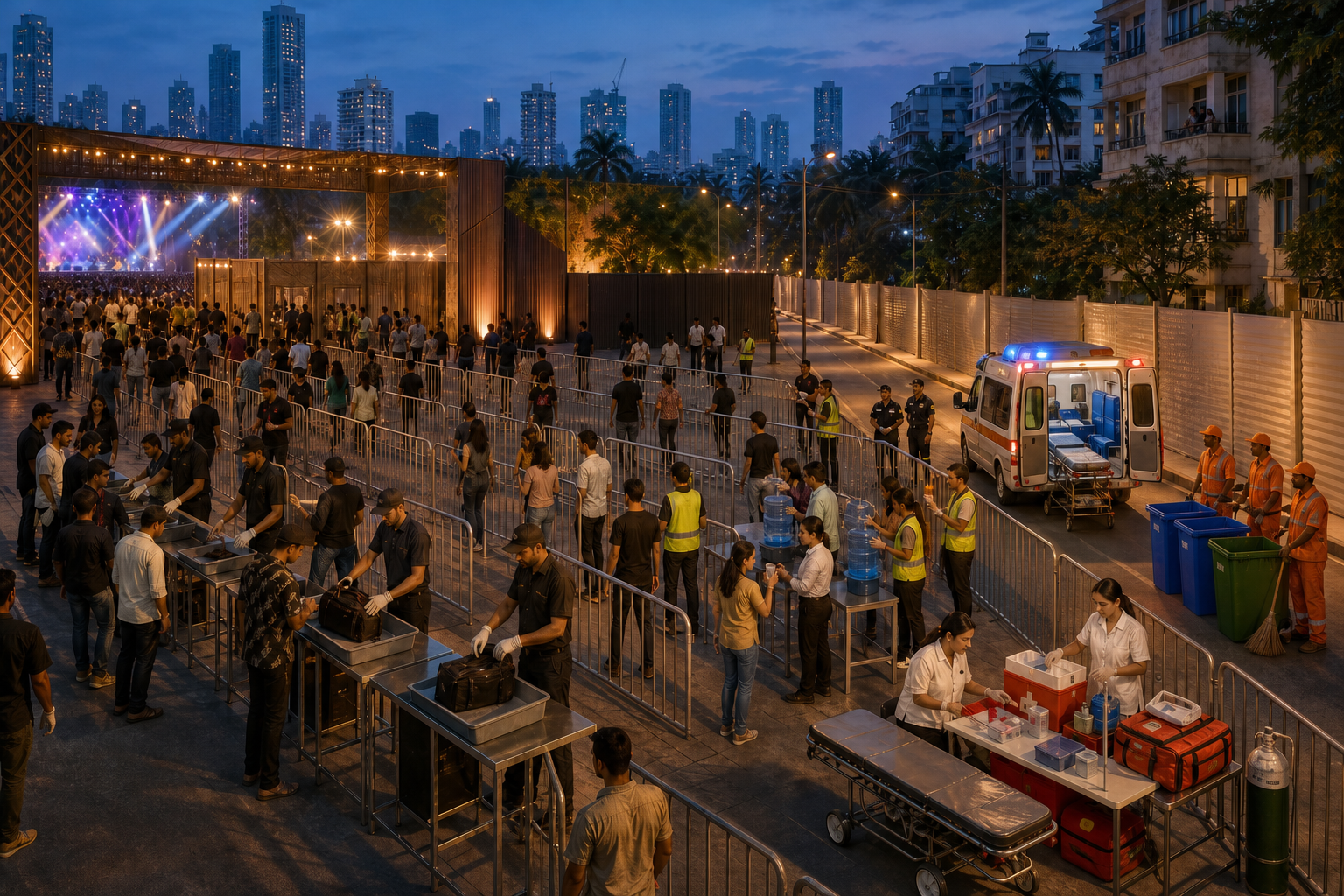
“Keep the festival safe” is a sentiment, not an enforceable standard. A useful demand identifies the protection, the responsible party and the evidence that would show whether it exists.
- Illegal substances: request a clearly published zero-tolerance policy and an explanation of how it will be applied on the ground. Ask who holds operational responsibility and how suspected offences will be referred to law enforcement.
- Emergency readiness: ask how emergency services will reach and move through the site, how distressed attendees will obtain help, and who coordinates the response. A harm-prevention plan addresses foreseeable emergencies; it does not weaken opposition to illegal drug use.
- Noise and neighbourhood disturbance: request the operating controls that will prevent late-hour sound from spilling into residential areas, along with a channel residents can use to report problems.
- Crowd and transport pressure: ask how arrivals and departures will affect roads, public transport, pedestrian movement and emergency routes. The plan should address the period after the event as carefully as entry.
- Community consultation: request a documented opportunity for residents, parents, campuses and neighbourhood associations to raise location-specific concerns before decisions are treated as settled.
- Independent verification: ask which safeguards can be audited, who can inspect compliance and whether the findings will be available after the event. A promise that cannot be checked is not yet accountability.
These questions also reveal whether cancellation is the only possible remedy. If authorities cannot show credible controls for a foreseeable risk, opposition to approval becomes easier to explain. If enforceable safeguards are disclosed, the campaign can assess them on their merits. Either way, the decision rests on public obligations rather than cultural dislike.
Let ahimsa govern the method as well as the message
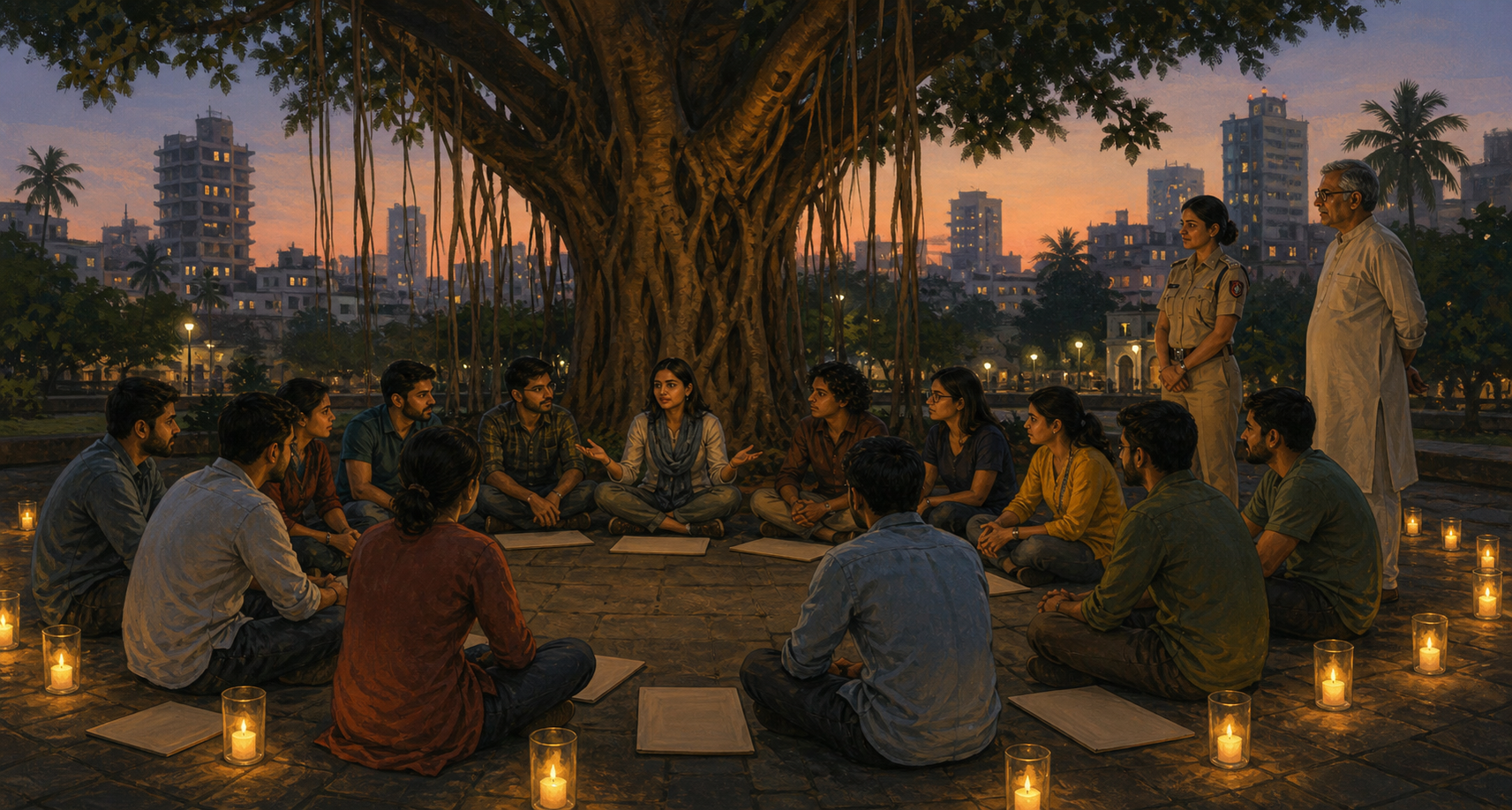
Young people from Hindu, Buddhist, Jain and Sikh families have joined the Mumbai effort around a shared concern for social harmony and responsible public culture. That unity is most persuasive when it is expressed through ahimsa, self-restraint and regard for the dignity of people who disagree.
Ahimsa does not require passivity. It requires refusing to reproduce the harm you oppose. A movement concerned about the exploitation or endangerment of young people should not humiliate attendees, threaten workers, spread unverified accusations or turn cultural disagreement into personal abuse.
Adopt a public code of conduct before holding a demonstration or running an online campaign:
- Criticise policies, risks and decisions, not the inherent worth of attendees or performers.
- Do not confront anyone you suspect of carrying or using an illegal substance. Move to safety and refer the concern to the appropriate authorities.
- Do not publish identifying images of distressed people or unverified suspects. Public shaming can endanger them and does not establish what occurred.
- Reject threats, communal insults, harassment and damage to property, including when they come from someone claiming to support the campaign.
- Correct a false or overstated claim openly. A visible correction strengthens trust more than quietly leaving misinformation in circulation.
- Make clear that music, youth gatherings and cultural celebration are not the enemy. The demand is for conditions in which they do not enable preventable harm.
This approach keeps a cross-community alliance broad. A parent worried about safety, a student defending civic space and a resident concerned about congestion may begin from different convictions. They can still support the same transparent safeguards without being required to adopt identical tastes or beliefs.
Key takeaways and your next move
- Treat a perceived drug association as a reason to seek evidence and safeguards, not as proof of criminal conduct.
- Separate verified facts, reported concerns and unanswered public-interest questions.
- Direct each demand to the organiser, municipal body, law-enforcement unit or community institution able to act on it.
- Ask for policies and plans that can be inspected, enforced and audited.
- Protect the campaign through lawful action, factual discipline, non-confrontation and respect for privacy.
- Use ahimsa as an operating rule: firm opposition without humiliation, threats or collective blame.
Your practical next step is to draft a one-page brief with five headings: verified facts, community impacts, questions for authorities, requested safeguards and campaign conduct. Circulate that version among participating campus and neighbourhood groups before seeking signatures. Agreement on the brief will prevent the loudest slogan from replacing the strongest case.
Mumbai does not have to choose between cultural energy and civic responsibility. Youth can insist on both by asking precise questions, rejecting reckless allegations and keeping every public action consistent with the safer community they want to build.
References
