
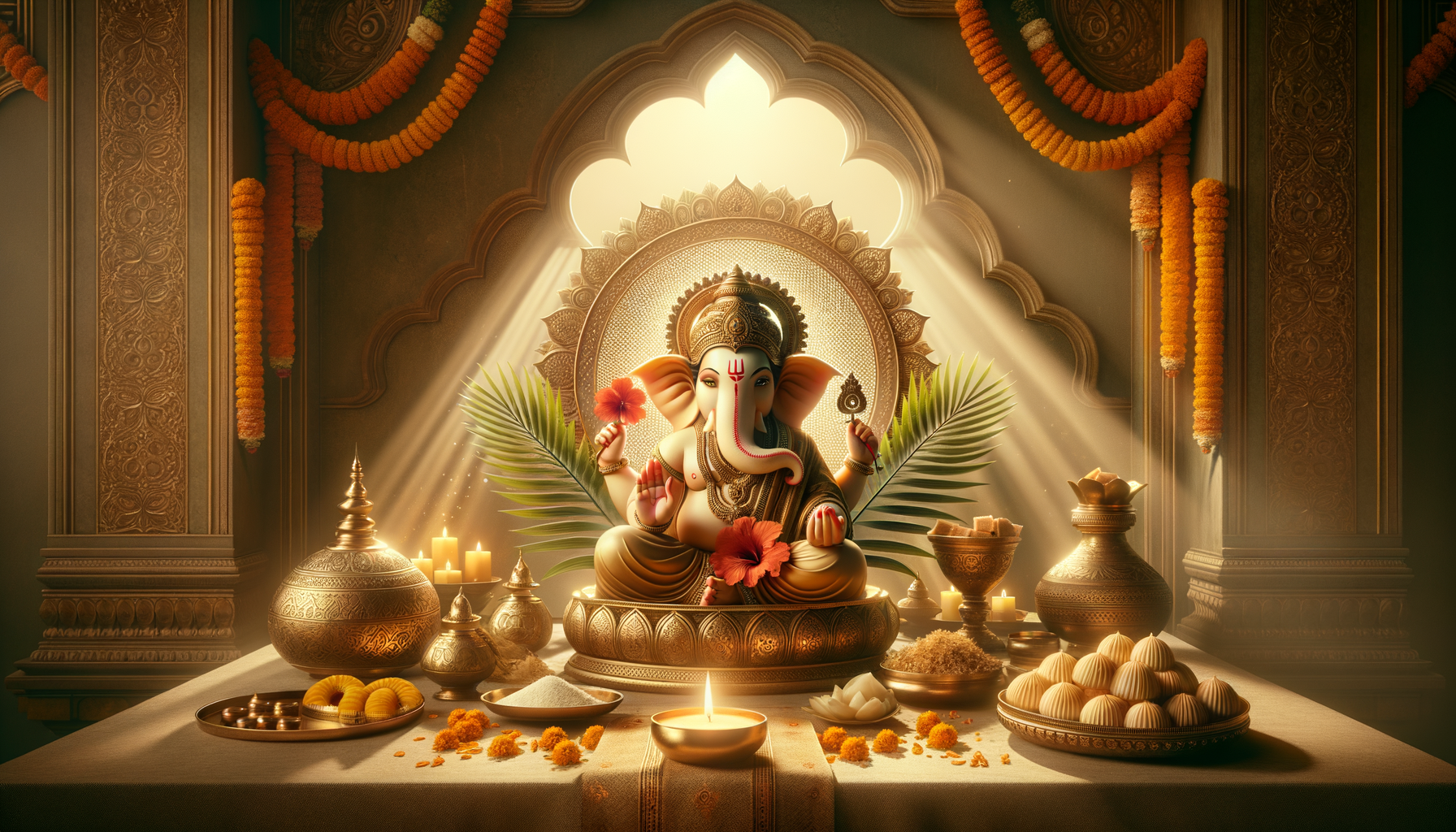
Ganesh Jayanti, also known as Maghi Ganesh Chauth, is observed on Shukla Paksha Chaturthi in the Magh month as per the Hindu calendar. Commemorated as a sacred day venerating Ganeshathe remover of obstacles and patron of wisdomthis observance blends ritual discipline with reflective devotion. Across regions, devotees recognize its gentle, early-year rhythm as a moment to reset intention, cultivate humility, and invite auspicious beginnings.
The vrat katha commonly associated with Ganesh Jayanti narrates the life of a righteous and judicious King and his wise queen, Ratnavali. The account emphasizes steadfast dharma, ethical governance, and compassionate conduct. Their devotion to Ganeshaexpressed through vrata, prayer, and ethical actionbecomes a vehicle for overcoming obstacles, restoring social equilibrium, and nurturing collective well-being. The moral arc of the story is clear: when duty, discernment, and devotion align, grace follows.
Read as a living teaching rather than a mere tale, the katha highlights values that resonate across dharmic traditions. The virtues of śraddhā (faith), dayā (compassion), dāna (charity), and ahiṁsā (non-violence) are celebrated in Hinduism, Buddhism, Jainism, and Sikhism alike. By centering ethical action alongside worship, the narrative encourages unity in diversity and affirms that spiritual maturity is measured as much by conduct as by creed.
Observance practices during Maghi Ganesh Chauth often include fasting (vrata), early-morning purification, and the worship of Ganesha with durva grass, red flowers, and offerings such as jaggery, sesame (til), and modak. Many households recite the vrat katha and conclude with dāna or seva, reinforcing the social dimension of worship. Those who are unable to fast may participate through mindful prayer, scriptural reading, or acts of community servicereflecting the inclusive spirit of dharmic traditions.
While Bhadrapada Ganesh Chaturthi is widely known for grand festivities, Ganesh Jayanti in Magh is contemplative in tone. In places such as Maharashtra and the Konkan region, devotees may visit temples, join collective readings, and emphasize simple, heartfelt worship. Families often describe a quiet strengthening of hope and togetherness on this day, as the symbolism of Ganeshawisdom, clarity, and auspicious beginningsturns into lived experience.
For accuracy in timing, observance follows the local panchang, aligning with Shukla Paksha Chaturthi in Magh Month. Communities often consult nearby temples or trusted almanacs for precise tithi and puja windows. Beyond ritual correctness, the emphasis remains on intention: cultivating inner clarity, removing subtle obstacles such as distraction or impatience, and embodying the teachings of the katha in everyday decisions.
Ultimately, the Ganesh Jayanti vrat katha invites reflection on ethical leadership, shared responsibility, and compassionate social order. By honoring Ganesha, devotees symbolically cultivate the wisdom to navigate complexity and the steadiness to uphold dharma. In celebrating Maghi Ganesh Chauth, diverse communities can find common groundaffirming a unifying message: spiritual insight blossoms where humility, service, and respect for all paths are nurtured.
Inspired by this post on Hindu Pad.
