Category: India

  • Karnataka KCOCA Breakthrough: Complete Update on Bantwal Murder Case and Legal Implications

    Karnataka KCOCA Breakthrough: Complete Update on Bantwal Murder Case and Legal Implications

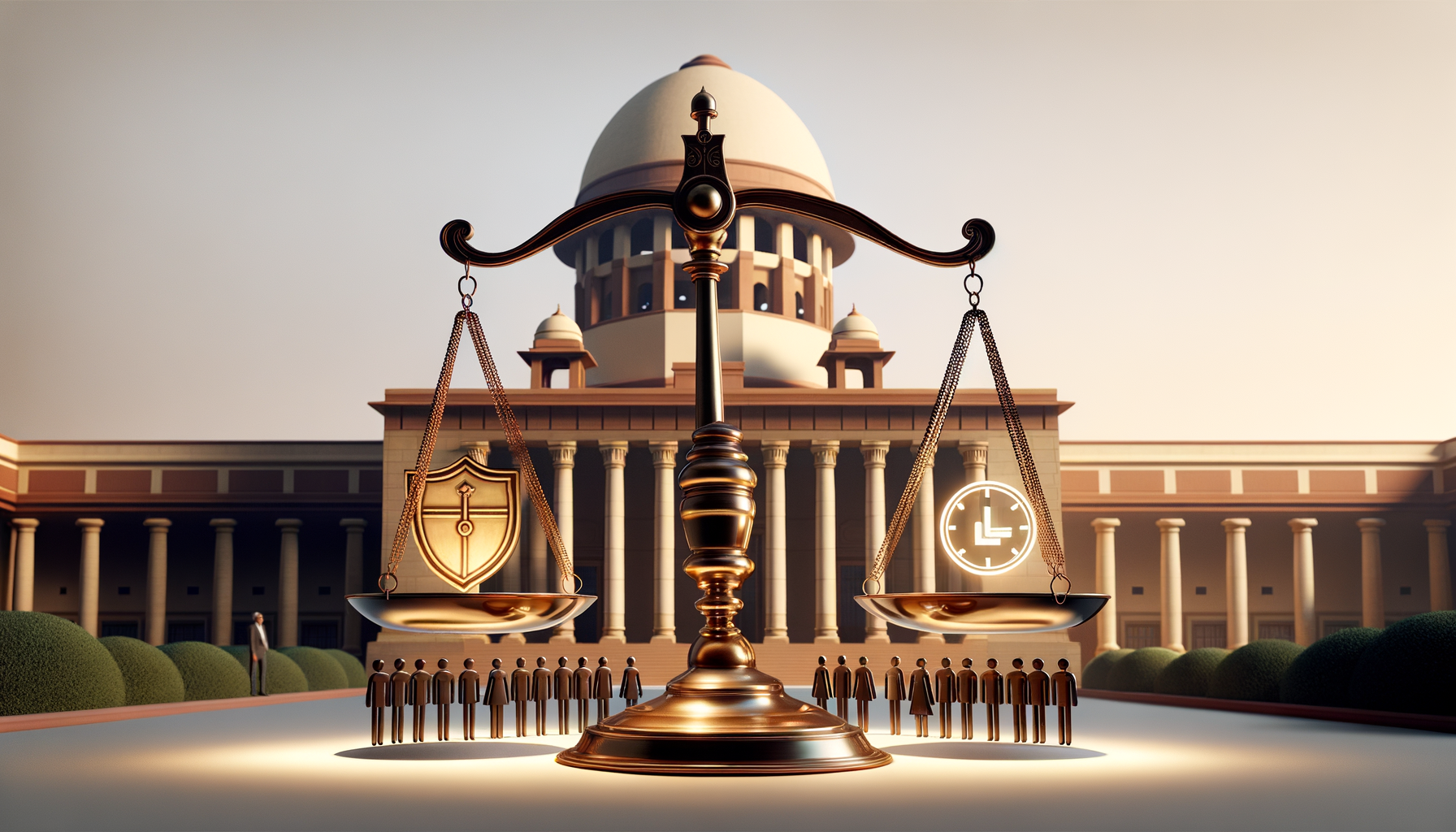
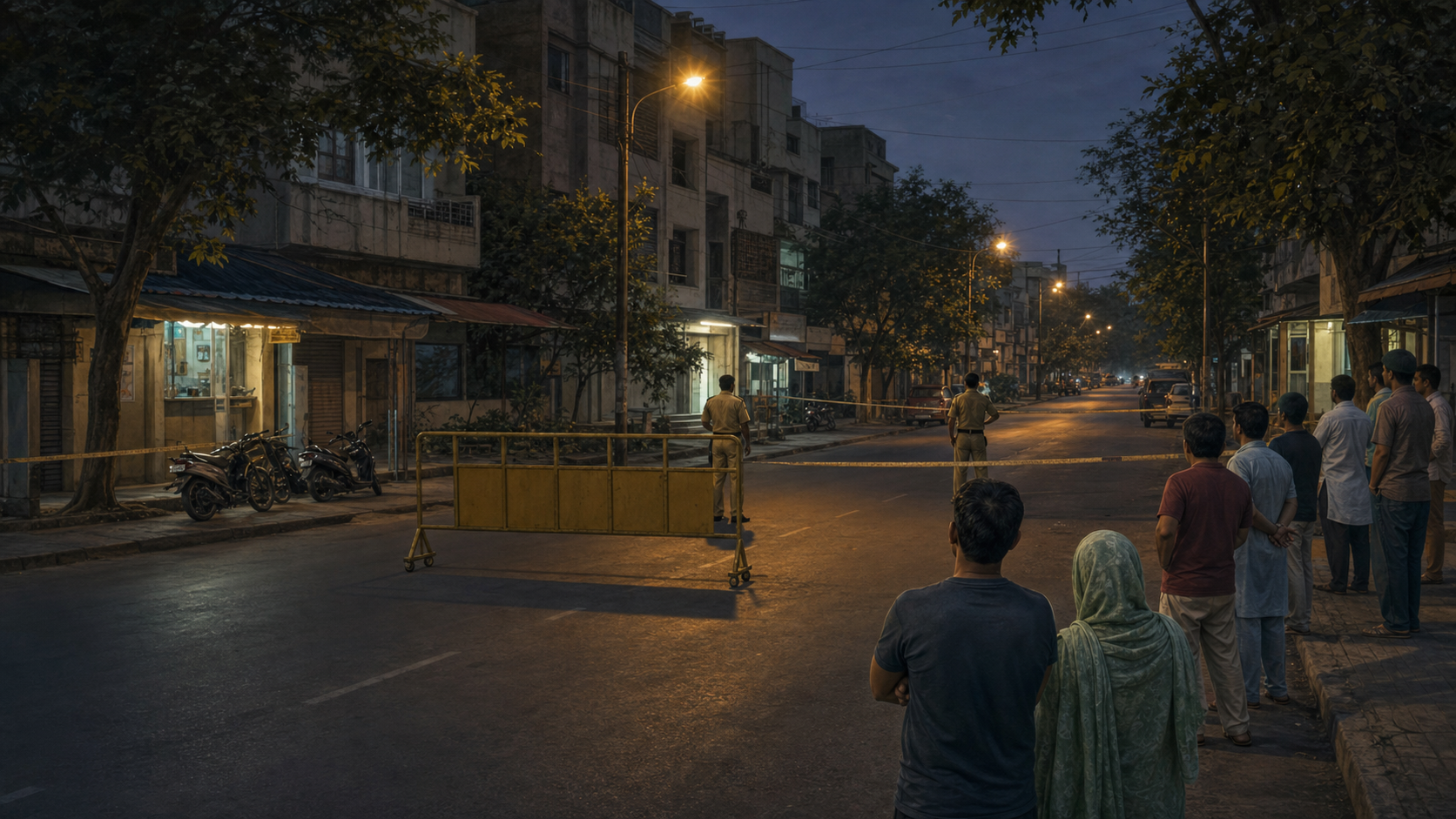
    Karnataka Police have invoked the Karnataka Control of Organised Crime Act (KCOCA) 2000 in the Bantwal murder case involving the killing of Abdul Rahiman, signaling an intensified inquiry into possible organised crime. This update explains why KCOCA is used, what legal thresholds apply, and how judicial oversight safeguards due process. Readers gain clarity on bail…

  • Complete Analysis: RSS Chief’s ‘Unified Hindu Identity’ Claim and Paths to Dharmic Harmony

    Complete Analysis: RSS Chief’s ‘Unified Hindu Identity’ Claim and Paths to Dharmic Harmony

    This article presents a balanced, evidence-based analysis of Mohan Bhagwat’s recent “Unified Hindu Identity” and “same DNA” remarks. It clarifies how genetic research supports a nuanced view: deep shared ancestry alongside real diversity. It reframes unity around dharmic ethical values shared by Hinduism, Buddhism, Jainism, and Sikhism, rather than biological metaphors. Readers will discover clear…

  • Essential Analysis: Shoe at CJI Gavai Over ‘Lord Vishnu’ Sparks a Dharmic Unity Dialogue

    Essential Analysis: Shoe at CJI Gavai Over ‘Lord Vishnu’ Sparks a Dharmic Unity Dialogue

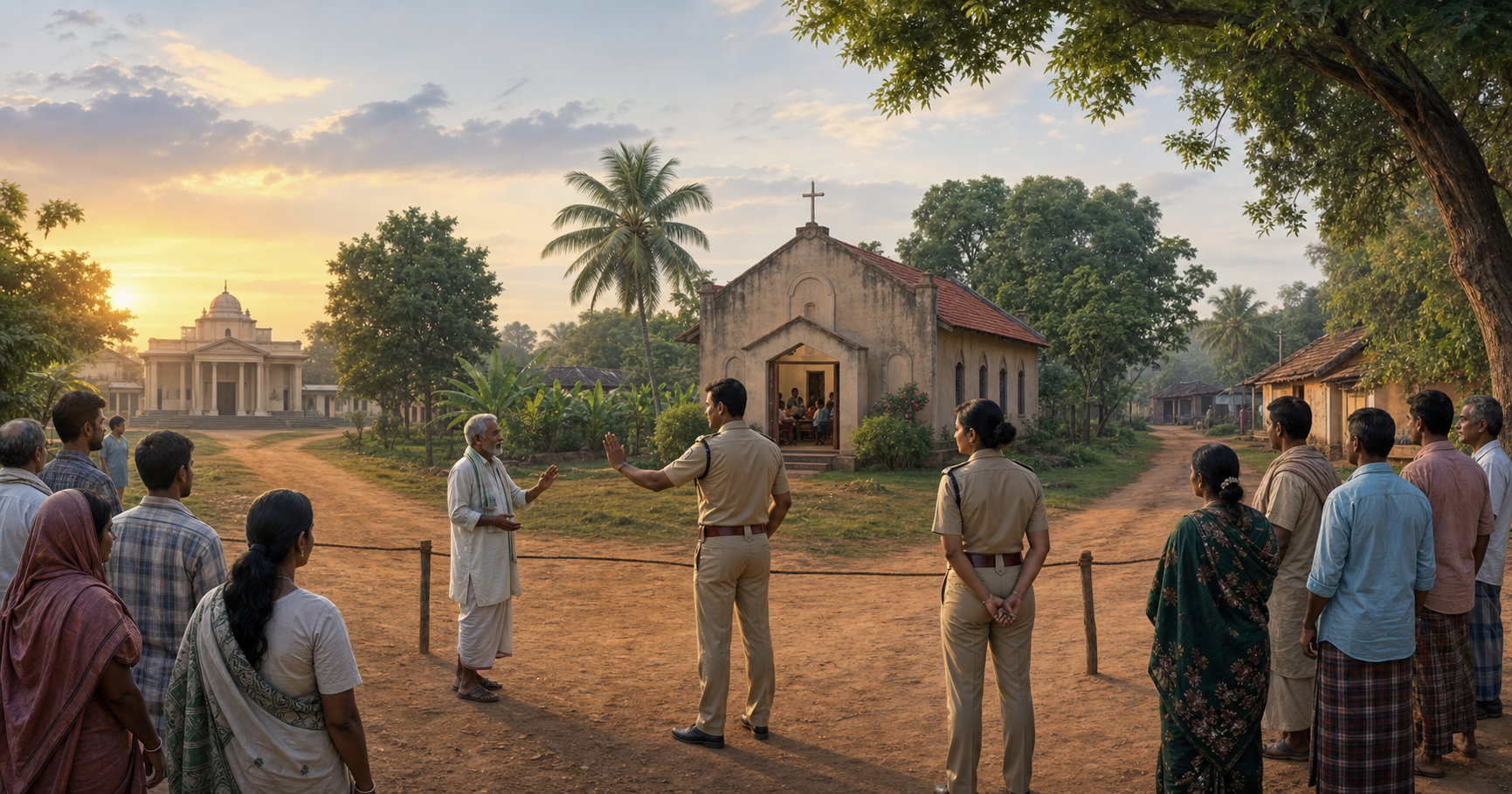
    A reported shoe-throwing incident involving CJI B.R. Gavai amid debate over remarks referencing Lord Vishnu has prompted fresh reflection on protest, faith, and judicial decorum. This analysis clarifies why nonviolent, respectful dissent strengthens both religious sentiment and the rule of law. It outlines constitutional considerations—due process, courtroom security, and the limits of contempt—without sensationalism. It…

  • Proven Blueprint to Transform Agriculture: Why Farmers Bear All Risk and How to Fix It

    Proven Blueprint to Transform Agriculture: Why Farmers Bear All Risk and How to Fix It

    I map risk and capital across industries, and agriculture stands out as dangerously misaligned: farmers bear the highest risk with the least capital. While global policy has obsessed over yield and productivity, we’ve neglected risk-sharing and market access. In India, collusion among creditors, input suppliers, and buyers further concentrates risk on the farmer—reforms like Modi’s…

  • Essential Breakthroughs: How Narendra Modi’s Decade Transformed India—My Firsthand View

    Essential Breakthroughs: How Narendra Modi’s Decade Transformed India—My Firsthand View

    In this personal reflection, I share how India has become almost unrecognisable over the past decade—powered by essential breakthroughs in governance, the economy, and culture. From UPI and Direct Benefit Transfer to GST and an unapologetic India-first foreign policy, I trace the irreversible shifts that redefined stability and national confidence. I revisit the surprise abolition…

  • Essential History: Ghar-Wapsi from Vijayanagara to Marathas

    Essential History: Ghar-Wapsi from Vijayanagara to Marathas

    I trace the essential history of Parāvartana (Ghar-Wapsi) from Vijayanagara to the Maratha Empire, spotlighting rare mass Shuddhi efforts and their social impact. From Harihara II’s era to Shivaji’s Panditarao and the Arya Samaj’s bold campaigns, discover how Hindu society fought to restore its own against daunting odds.

  • A Quick Reference Guide of E.V. Ramaswamy Naicker’s Career of Anti-Hindu and Separatist Activism: From his Own Biography

    A Quick Reference Guide of E.V. Ramaswamy Naicker’s Career of Anti-Hindu and Separatist Activism: From his Own Biography

    E.V. Ramaswamy Naicker, famously known as Periyar, stands as a controversial figure in Indian history due to his vehement activism against what he perceived as the oppressive elements of Hinduism, particularly Brahminical dominance and Aryan influence. This critical examination sheds light on Periyar’s lifelong crusade, encapsulated in his speeches and actions aimed at dismantling societal…

  • The Awful Record of the Sufis in India told in their Own Words

    The Awful Record of the Sufis in India told in their Own Words

    In this thought-provoking blog post, I unravel the myth of Sufism and its relationship with Hinduism, shedding light on the disturbing historical truths behind this enigmatic mysticism. While many Hindus have embraced Sufism as a bridge between religions, I delve into the genuine Sufi literature and the fanaticism that contradicts this perception. I explore the…

  • Why Indian Marxist Historians are Worse than Communist Historians of Soviet Russia and Maoist China

    Why Indian Marxist Historians are Worse than Communist Historians of Soviet Russia and Maoist China

    In this blog post, the author delves into the pervasive influence of Marxist history writing, drawing parallels between Soviet Russian and Indian Marxist historical narratives. The article highlights the deliberate omission of crucial historical events, such as the excesses during collectivization and famines in the Soviet Union, as well as the stifling of dissenting voices…

  • How the Fanatic Syed Ahmad Barelvi Met his Maker at Balakot

    How the Fanatic Syed Ahmad Barelvi Met his Maker at Balakot

    The blog post discusses the historical narrative of post-Mughal India, highlighting the glorification of figures like Tipu Sultan as freedom fighters against British rule while sidelining others like Siraj-ud-Daulah. It delves into the controversial figures of Shah Waliullah, Abdul Aziz, and Syed Ahmad Barelvi, who are often depicted as “Muslim revivalists” but had a more…

  • J&K Battle Of Narratives

    J&K Battle Of Narratives

    This blog post discusses the complex narrative battle in Jammu and Kashmir, highlighting the challenges and strategies employed by both India and the anti-India cabal. It addresses the issue of separatism, terrorism, and propaganda, emphasizing the importance of addressing the battle of narratives as a key element for long-term peace in the region. The post…

  • How Dravidianists Savaged the Tamil Hindu Heritage and Gifted Tamil Nadu to the Global Church

    How Dravidianists Savaged the Tamil Hindu Heritage and Gifted Tamil Nadu to the Global Church

    This blog post delves into the historical development of the Dravidian ideology in Tamil Nadu, tracing its evolution from linguistic separatism to religious separatism and the pervasive influence of the Church. The narrative revolves around the impact of Bishop Robert Caldwell’s writings and their role in shaping Dravidian identity, alongside the suppression of contrary evidence.…

  • The Story of the Profound Hebbale Inscription

    The Story of the Profound Hebbale Inscription

    In a nondescript village called Hebbale, situated in the heart of Bharatavarsha, an ancient tradition of Tirtha-Yatra (pilgrimage) was upheld. This story unfolds eight centuries ago when Hebbale played a pivotal role in enabling Hindu pilgrims to undertake their sacred journeys, despite the oppressive Jizya tax imposed by the Islamic rulers. The noble act of…

  • Why is the Complete History of the Communists Still not Part of our School Textbooks?

    Why is the Complete History of the Communists Still not Part of our School Textbooks?

    The history of Communism in India is a contentious and complex one. The rise and influence of Communist parties in India have had significant consequences on the country’s political and social landscape. From its early days to the present, Communism has played a prominent role in Indian politics, often polarizing opinions and leading to intense…

  • Origins of Khalistani Terrorism in Canada

    Origins of Khalistani Terrorism in Canada

    The rise of Khalistani terrorism in Canada and India is a troubling phenomenon that has had far-reaching consequences for the security and social cohesion of both countries. Advocates of Khalistan, a hypothetical independent Sikh state, have resorted to violence and terror tactics to achieve their political aims, including bombings, assassinations, and targeted killings. The victims…

  • THE 100-Year History of Indian Communism in Half an Hour

    THE 100-Year History of Indian Communism in Half an Hour

    In this podcast episode, I delve into the complex history of Communism in India, tracing its roots back to its founding in 1920. As a narrator, I take you on a journey through the various stages of its development, discussing its profound impact on the country and its cultural heritage. From destructive forces to a…

  • How Gandhi became a Congress Leader in Four Years

    How Gandhi became a Congress Leader in Four Years

    In January 1915, a 46-year-old Mohandas Gandhi returned to India after two decades in South Africa. Despite his unconventional social activism there, he faced skepticism from Indians who saw him as a foreigner. This blog explores how Gandhi, within four years, transformed from an outsider into a national leader of the Congress. It delves into…

  • The Crisis In Manipur : An Assessment

    The Crisis In Manipur : An Assessment

    In Manipur, a state in northeastern India, the situation remains unresolved, with ongoing violence and a cloud of uncertainty shrouding the truth. The narrative surrounding this violence is heavily influenced by the ethnicity and perspective of those who share it. Manipur, geographically bordered by Nagaland, Mizoram, and Assam, also shares volatile borders with Myanmar, particularly…

  • Punjab – Seeking Way Forward In Simmering Crisis

    Punjab – Seeking Way Forward In Simmering Crisis

    Amidst evolving geopolitical dynamics, the reported Kashmir-Khalistan (K2) project orchestrated by Pakistan’s ISI has raised concerns, aimed at rekindling the Khalistan movement even in the face of improving conditions in Kashmir. Extremist leaders operating from Pakistan and the recent shooting down of the Khalistan Commando Force Chief, Paramjit Singh Panjwar, in Lahore, serve as unsettling…

  • Karnataka 2023 Elections: Options for the BJP

    Karnataka 2023 Elections: Options for the BJP

    If the voter gives a hung verdict on May 13, it will be respectable for the BJP to sit in the opposition and attend the gym regularly to strengthen itself for the next five years. The last stable Government that Karnataka witnessed was during the tenure of S.M. Krishna who left office in 2004. Ever…