
-
Congress, Khilafat, and the Crucial Question of Defending India Under British Rule
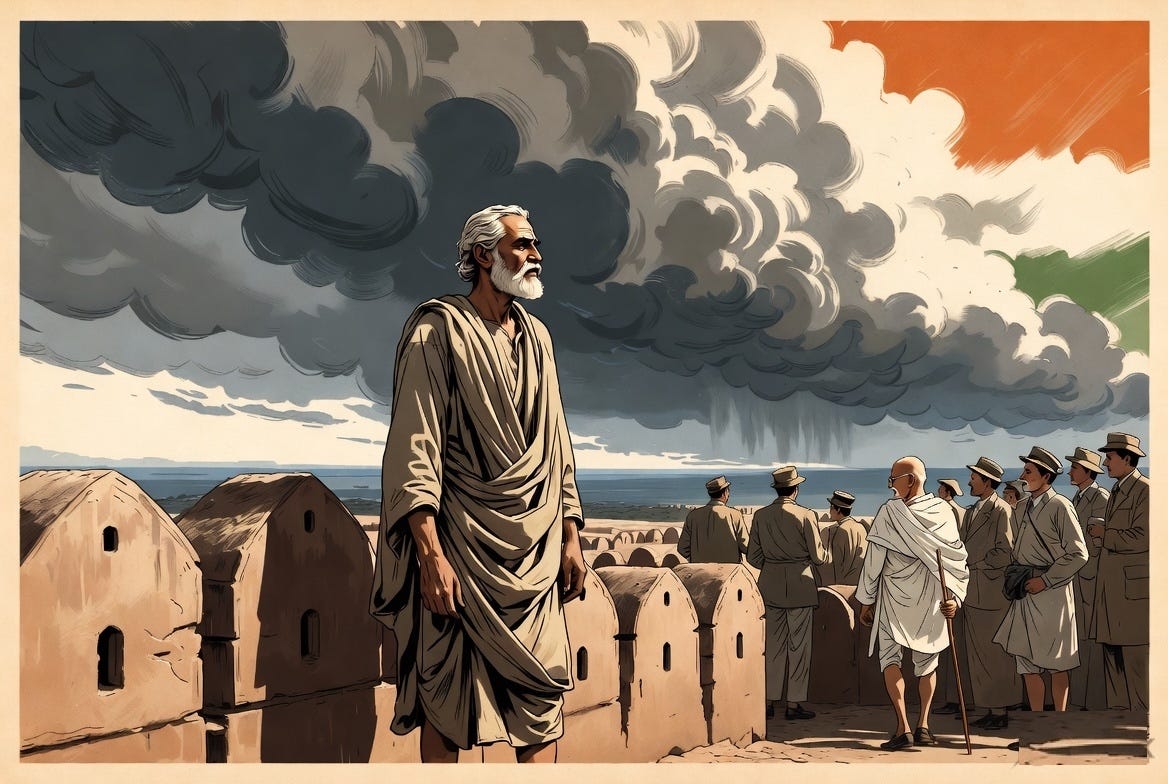
This study examines how Congress, the Khilafat leadership, the Muslim League, and British authorities approached national defence during the crises of 1921 and the Second World War. It explains why opposition to colonial rule did not remove India’s need to resist foreign conquest. Statements attributed to Maulana Abul Kalam Azad and Lala Lajpat Rai are…
-
Gandhi, Ahimsa, and National Defence: A Powerful Historical Reassessment
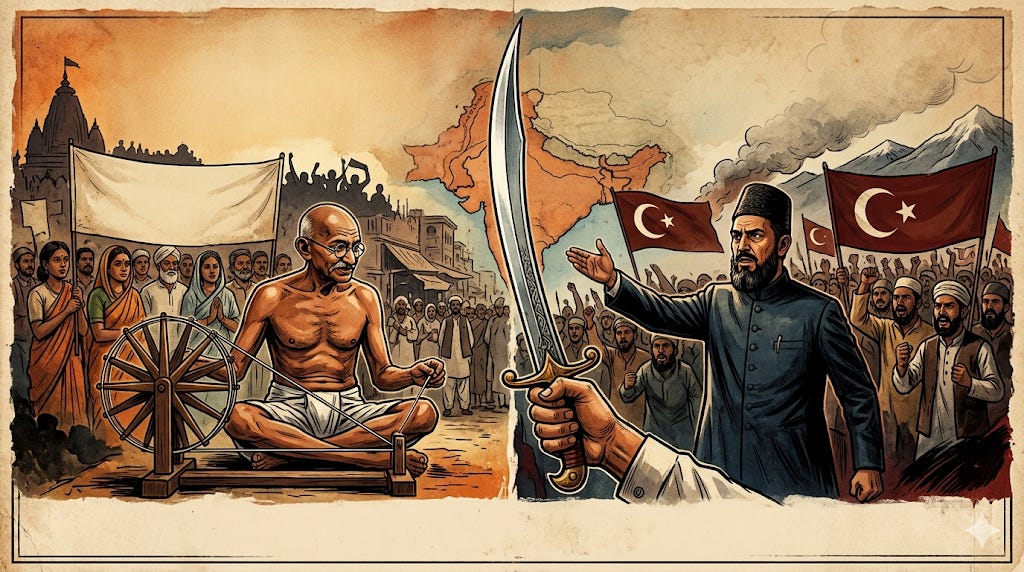
This article reassesses the historical controversy around Gandhi’s doctrine of non-violence, the Khilafat movement, Congress politics, and the demand for national defence in late colonial India. It explains why critics feared that absolute pacifism could weaken sovereignty, especially during a period of communal mobilisation and imperial uncertainty. The analysis distinguishes between legitimate scrutiny of political…
-
Gandhi, Ahimsa, and Statecraft: A Hard Lesson in Idealism, Power, and Unity
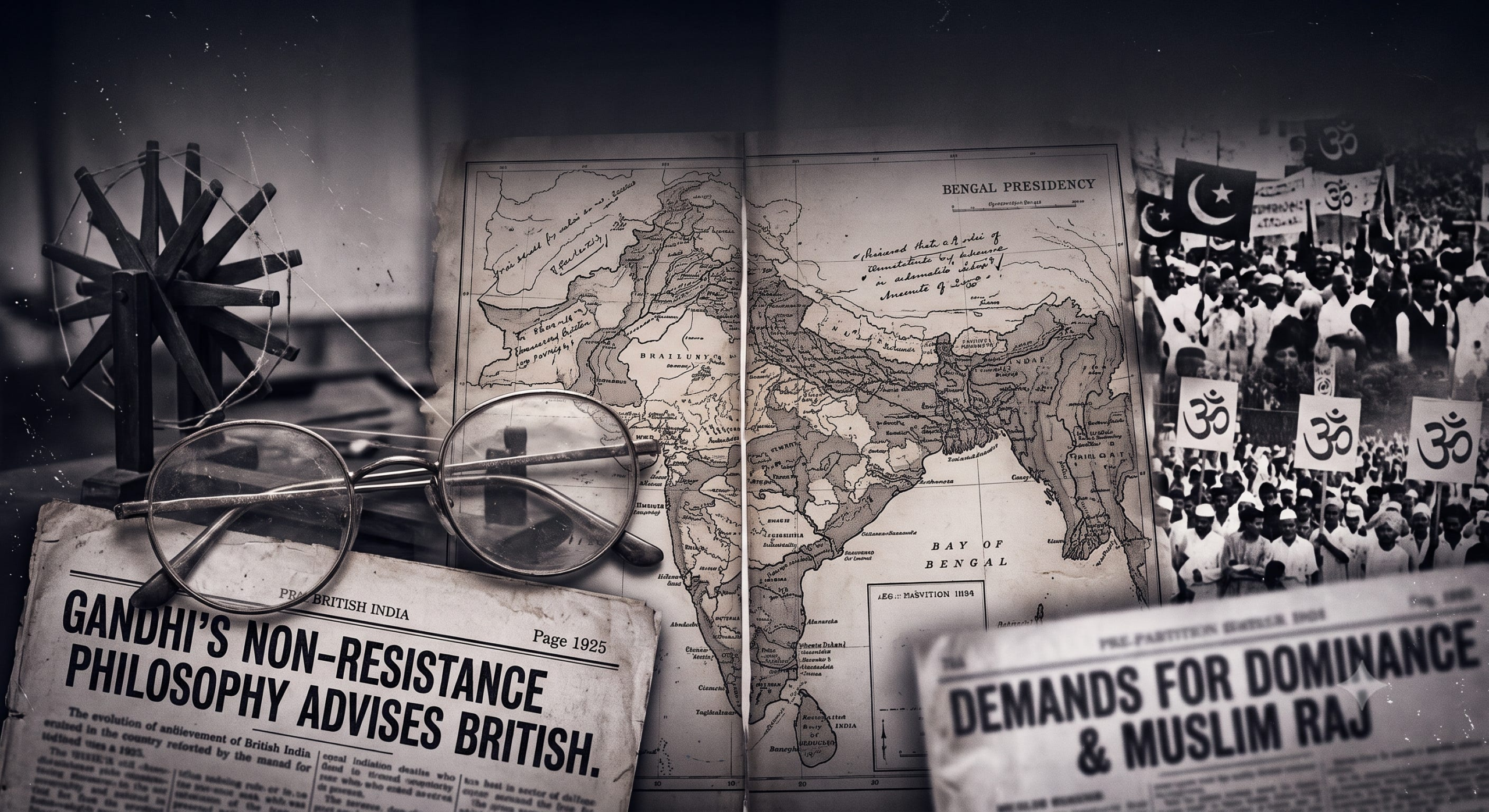
This article revisits Gandhi’s philosophy of ahimsa through the lens of statecraft, national security, and Hindu-Muslim relations in colonial India. It explains why Gandhi’s moral idealism inspired millions while also creating serious political tensions when applied to questions of defence, communal bargaining, and organised power. The discussion examines 1920s debates around Muslim political aspirations without…
-
Gandhi, Khilafat, and the Forgotten 1941 Controversy That Still Demands Study
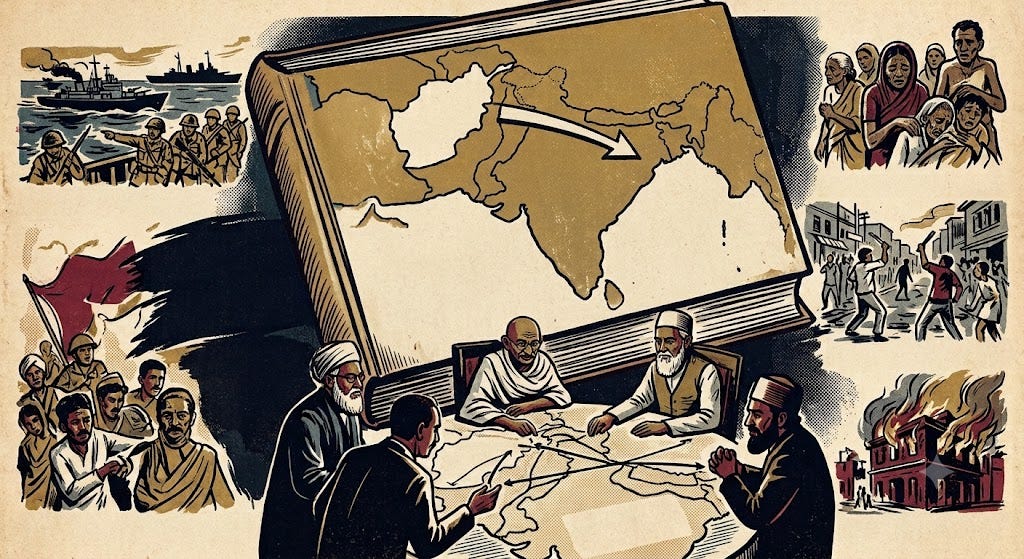
This article revisits the 1941 tract Gandhi-Muslim Conspiracy and places its allegations within the wider history of the Khilafat Movement, Non-cooperation, Afghanistan, and the politics of Partition-era India. It explains why Gandhi’s support for Khilafat became one of the most disputed decisions of his public life. The discussion treats the book as a historical document…