
-
Historic Homecoming: ISKCON London Reacquires 7 Bury Place, Shrine of Radha Londonisvara

ISKCON London has reacquired 7 Bury Place, the historic site where Srila Prabhupada inaugurated the city’s first Radha Krishna Temple in 1969. The building is where Srila Prabhupada installed Sri Sri Radha Londonisvara and performed abhiseka, making it a landmark of Gaudiya Vaishnava history. Its return strengthens community ties, preserves spiritual heritage, and invites deeper…
-
12 Jyotirlingas by Rashi: Unlock Auspicious Blessings and Clarity with Your Zodiac Temple
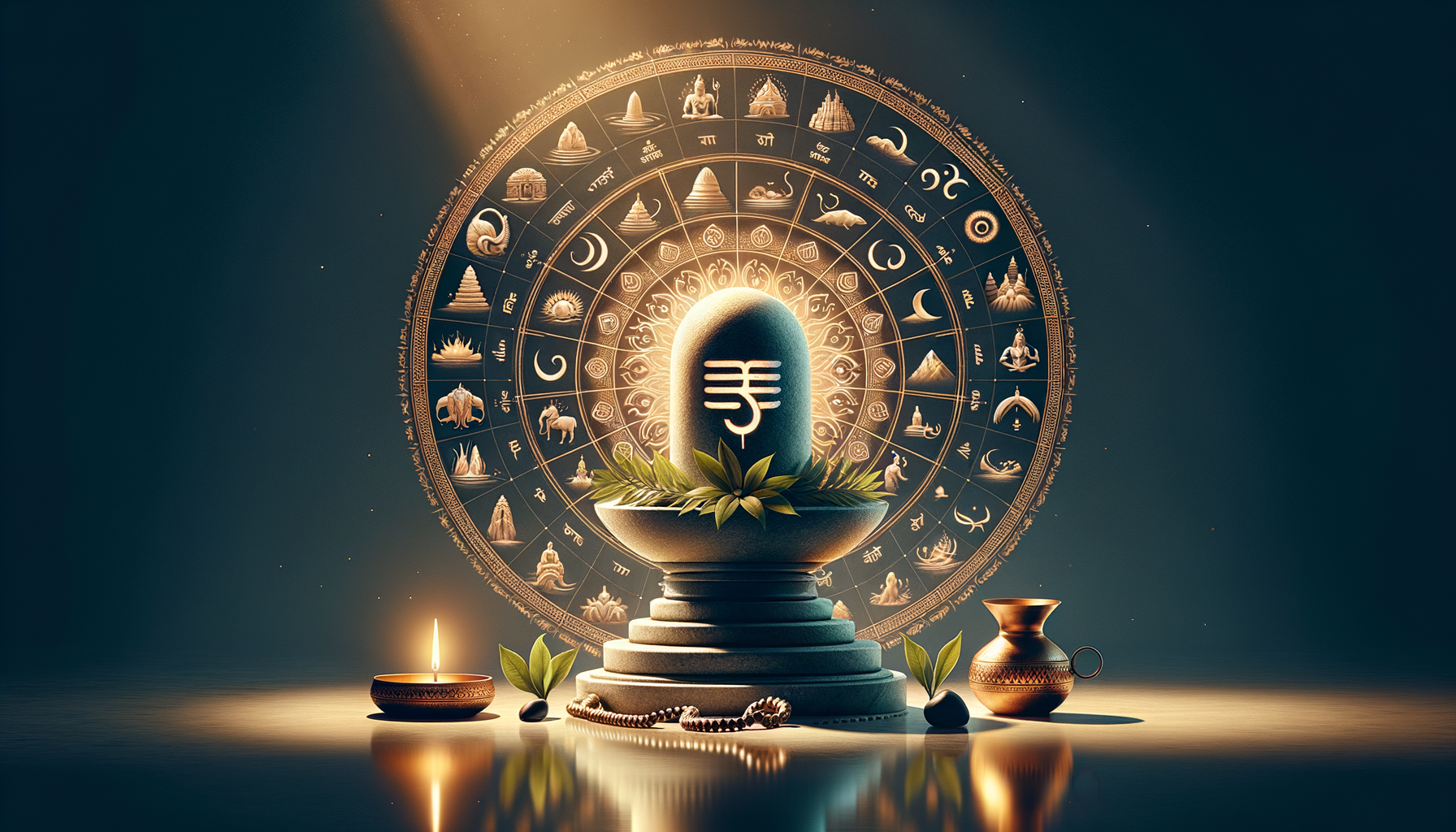
This article presents the traditional view in Jyotish that associates each Rashi (zodiac sign) with one of the twelve Jyotirlingas, offering a thoughtful way to focus devotion and intention. It explains how a Rashi-aligned pilgrimage functions as a contemplative aid rather than a rigid rule. Practical guidance covers identifying the Moon-based Janma Rashi, setting a…
-
Rajnath Singh’s Sindh Remark Sparks Diplomatic Firestorm as Pakistan Revives ‘Expansionist’ Charge

Pakistan’s Ministry of Foreign Affairs condemned remarks attributed to India’s Defence Minister Rajnath Singh referencing Sindh, calling them evidence of a ‘Hindutva mindset’ and reviving the ‘expansionist’ charge. The controversy highlights how rhetoric can escalate Indo-Pak Relations and complicate confidence-building measures. Situating the issue within South Asian Geopolitics, the analysis emphasizes the need to distinguish…
-
Daksha–Shiva and the Dharma Dilemma: Powerful Lessons on Order, Freedom, and Unity

The Daksha–Shiva narrative illuminates a universal dilemma: how to balance social order with individual freedom without sacrificing either. This analysis interprets Daksha as the guardian of institutional harmony and Shiva as the emblem of spiritual sovereignty, arguing that dharma requires both. Drawing parallels with Buddhism’s Middle Way, Jainism’s Anekāntavāda, and Sikh ethics, it highlights a…
-
Endure the Challenge: Timeless Hindu Wisdom for Modern Resilience and Steady Mind

This reflection explores the Bhagavad Gita’s teaching on sthithaprajnasteady wisdomas a practical guide to modern resilience. Rooted in Chapter 2 (Verses 55–72), it emphasizes equanimity as the basis for ethical action and emotional balance, not detachment from life. The discussion connects Hindu insights with related ideas in Buddhism (upekkha), Jainism (sāmāyika), and Sikhism (Sehaj and…
-
Community Outrage at Liquor Party in State‑Protected Bandra Fort Sparks Heritage Action

A video shows a liquor party at Mumbai’s state-protected Bandra Fort; organisers claimed permission but failed to produce documents when questioned by police. The incident raises urgent concerns about safeguarding India’s cultural heritage and upholding preservation norms at protected monuments. Readers gain clarity on what happened, why it matters, and how transparent permissions and enforcement…
-
Anger Distracts from Solutions: Dharmic Wisdom for Clear Thinking and Inner Peace

Hindu philosophyand related dharmic traditionsteach that anger clouds intellect, drains attention, and diverts energy from the real problem. The Bhagavad Gita maps this precisely: anger breeds confusion, weakens memory, and undermines judgment. Across Buddhism, Jainism, and Sikhism, practices of mindfulness, forgiveness, and living without enmity offer practical antidotes. In everyday contextsat work, at home, and…
-
Guru Nanak’s Transformative Journeys: Across Lands, Uniting Hearts and Dharmic Traditions
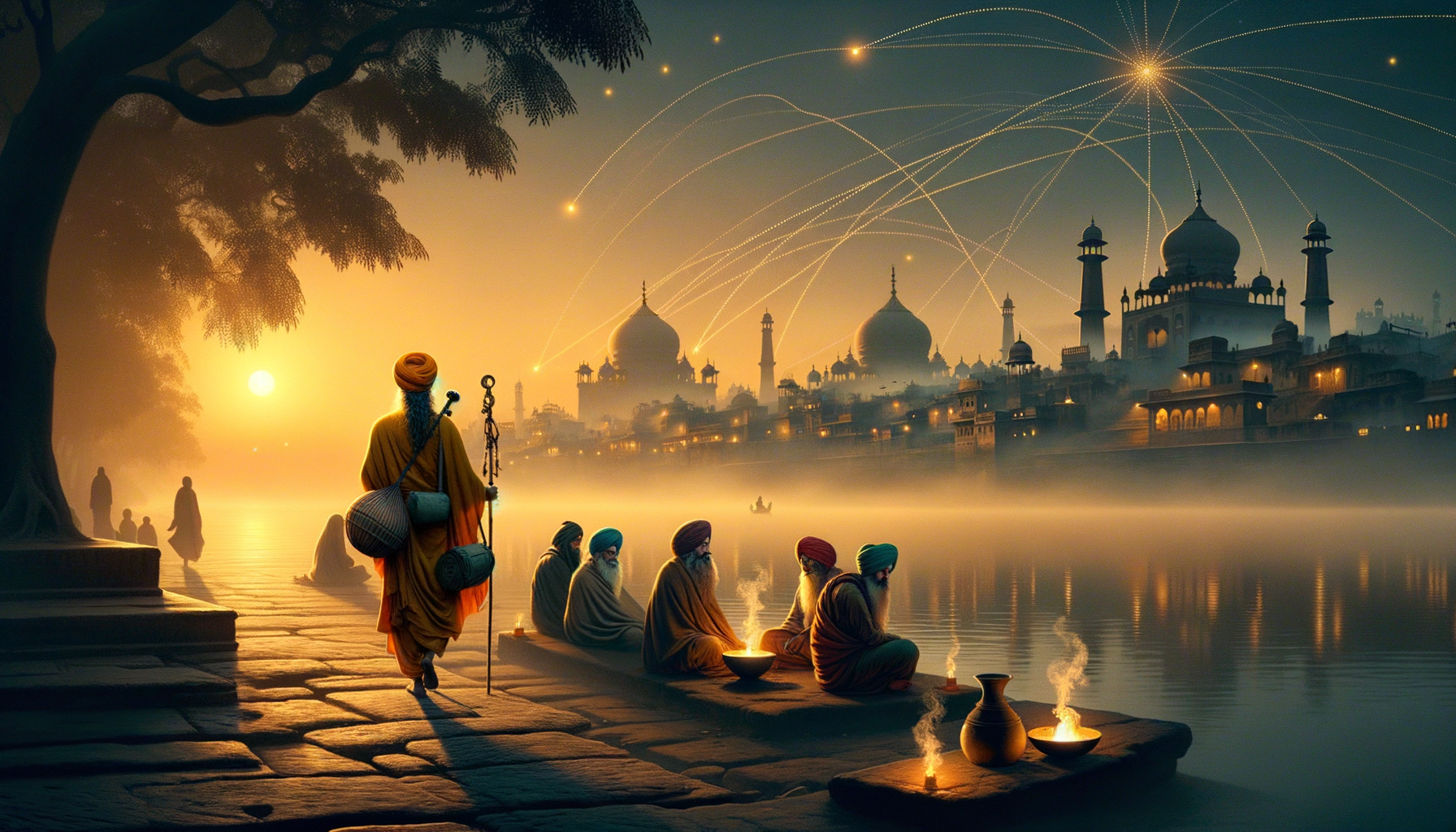
This post explores Guru Nanak’s transformative journeys as living dialogues that fostered unity among Hinduism, Buddhism, Jainism, and Sikhism. It situates the travels within historical contexts, draws on janamsakhi traditions with scholarly care, and highlights core teachings such as Ik Onkar, Naam-simran, and sarbat da bhala. The narrative shows how music (kirtan) and langar embodied…
-
पितृ ऋण के कारण: संतान व मान–प्रतिष्ठा पर गहरा प्रभाव, Pitru Runa remedies और व्यावहारिक उपाय

यह लेख “पितृ ऋण (Pitru Runa)” की धारणा को स्पष्ट करते हुए कारण, प्रभाव और व्यावहारिक उपायों का संतुलित, अकादमिक विश्लेषण प्रस्तुत करता है। इसमें बताया गया है कि कृतज्ञता, सेवा और पारिवारिक उत्तरदायित्व के क्षीण होने पर मान–प्रतिष्ठा व संतान-सुख प्रभावित हो सकते हैंजैसे संतानाभाव, संतान का स्वास्यि खराब होना या बुरी संगति में…
-
Padma’s Sacred Power: How the Divine Lotus Unites Hindu, Buddhist, Sikh, and Jain Paths

Padma, the divine lotus, is a shared sacred symbol across Hinduism, Buddhism, Sikhism, and Jainism that embodies purity, resilience, and spiritual awakening. In Hindu practice, it serves as the seat of Mata Lakshmi Devi and is offered in puja to Lord Vishnu and Ma Lakshmi, signifying prosperity and auspiciousness. Buddhist teachings present the lotus as…
-
November 20, 2025 Panchang: Amavasya to Shukla Pratipada Tithi Timings and Insights
On Thursday, November 20, 2025, the Hindu Panchang notes Amavasya tithi until 11:00 AM, followed by Shukla Paksha Pratipada through 1:09 PM on November 21. These timings, observed in most regions, help plan prayers, charity, and contemplative practices during the no-moon day. The shift to the waxing phase supports fresh beginnings and structured sadhana aligned…
-
Beyond Dogma: Hindu and Dharmic Wisdom on Religion as a Universal Spiritual Journey
The idea that the soul of religion is a universal journey, not a single doctrine, sits at the heart of Hinduism and aligns with Buddhism, Jainism, and Sikhism. This perspective emphasizes inner transformation, disciplined practice, and ethical living over rigid belief. It is grounded in concepts such as Ishta, anekāntavāda, the Buddhist Middle Way, and…
-
Bhishma and Drona Stood ReadyWhy Arjuna Faltered: Ego, Dharma, and the Inner War

Arjuna’s hesitation at Kurukshetra was not cowardice but a collision of compassion and duty, distorted by ego’s self-referential lens. The Bhagavad Gita reframes this confusion through Atman-centered understanding and Nishkama Karma, showing how to act without attachment to outcomes. Readers gain a practical framework: steady the mind, examine attachments, discern contextual dharma, and act with…
-
Lakshmana and Jambukumara: Unseen Karma, a Broken Vow, and the Ethics of Regret in Ramayana
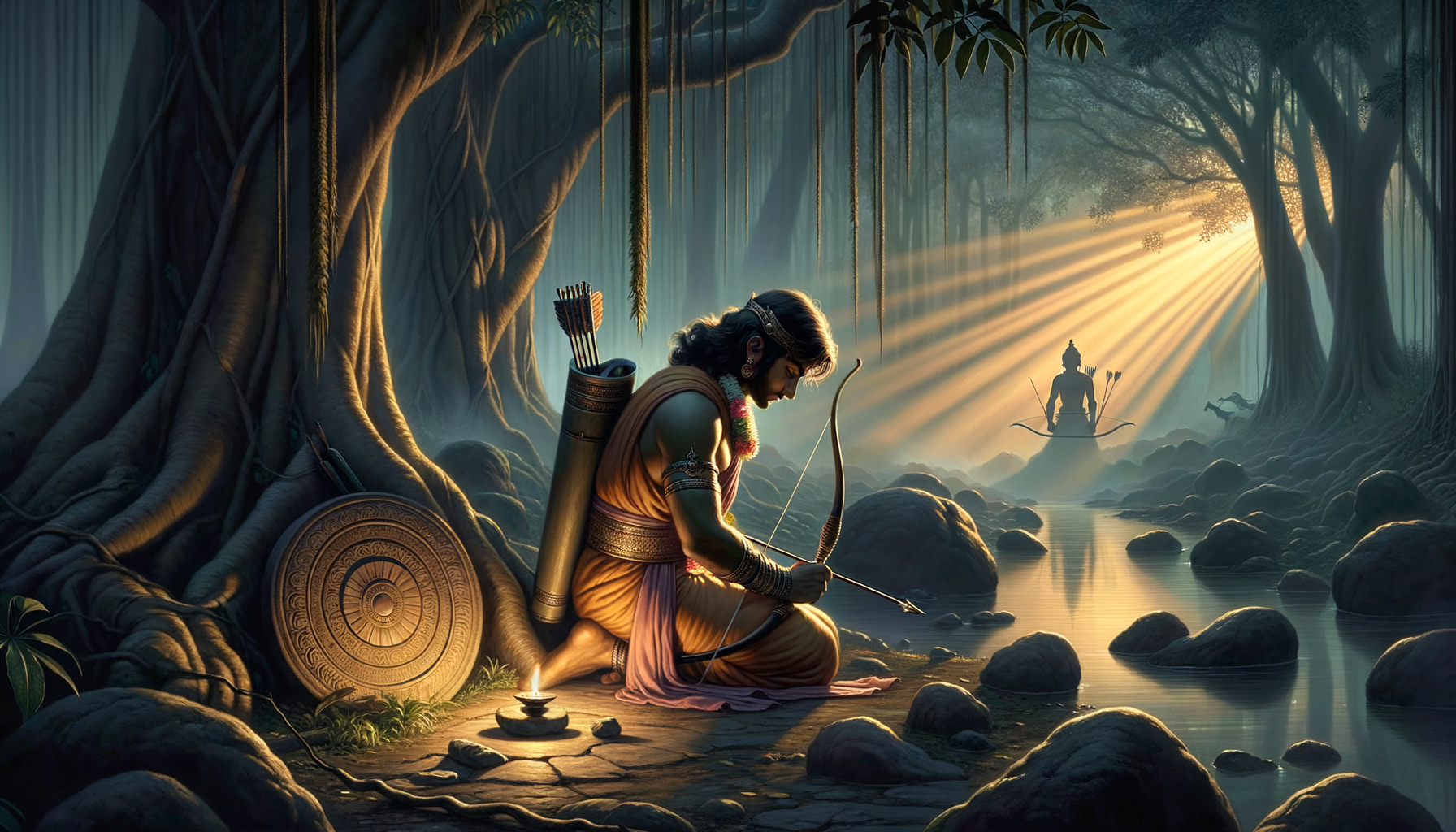
This article explores a lesser-known Ramayana tradition about Jambukumaradescribed in some folk accounts as the son of Surpanakha and Vidyutjihvaand the inadvertent killing by Lakshmana, framed as the “karma of an unseen blade.” It examines how the motif of a “forgotten promise” enriches the ethics of dharma-yuddha, emphasizing restraint, accountability, and moral repair. Readers gain…
-
Ramagundam Uproar: Daari Maisamma Temple Demolitions Spark Telangana Protest, Demand Redressal
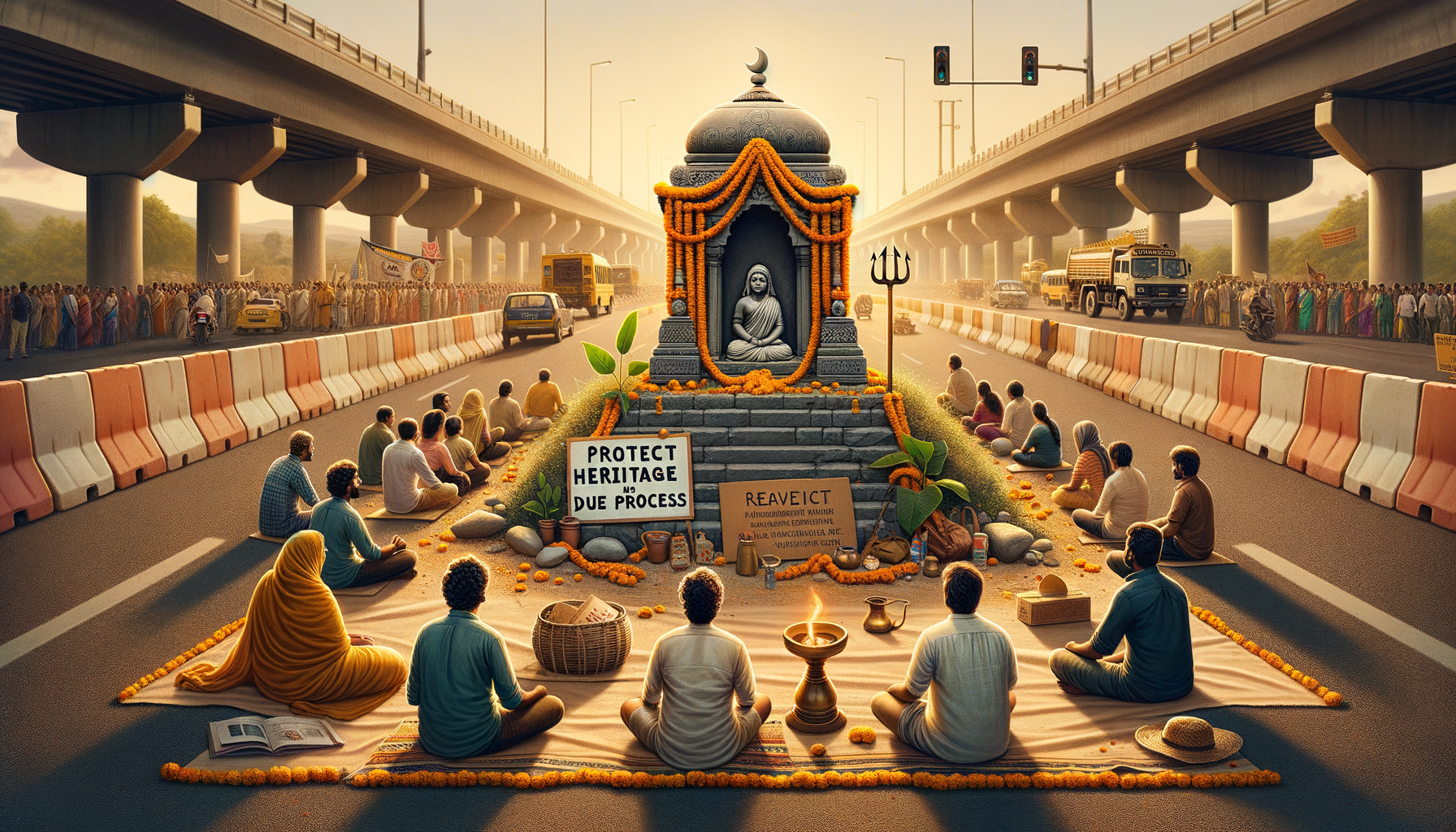
A peaceful dharna in Ramagundam highlighted public concern over the reported removal of Daari Maisamma temples during civic works. The protest centred on due process, transparent inquiry, and culturally sensitive relocation where needed. Community voices described the emotional impact on families for whom these wayside shrines serve as living heritage, especially during Karthika masam. Dharmic…
-
Protect Maharashtra’s Youth: Memorandum to Mumbai DC Urges Ban on Drug‑Linked Festivals

Nasha Virodhi Sangharsh Abhiyan has petitioned the Mumbai District Collector to withhold permission for the Sunburn festival, arguing that Maharashtra must not allow drug-associated festivals. The appeal centers on youth safety, public health, and community welfare. It recommends strict licensing conditions, zero-tolerance enforcement, age controls, and medical preparedness. Families, educators, and health workers share concerns…
-
Lal Kitab Remedies for Mars in the 7th House: Practical Steps to Harmonize Partnerships

This article explains Lal Kitab remedies for Mars (Mangal/Kuja) in the 7th house with clear, practical steps to harmonize marriage and partnerships. It reframes classical cautions as ethical calls to safeguard family bondsespecially through respectful conduct toward womenrather than fatalistic predictions. Readers learn actionable upāya: Tuesday vrata, dāna of Mars-associated items, Hanuman devotion, and the…
-
Triprayar Ekadashi 2025: Sacred 14-Day Thriprayar Vrata and Sastha Procession in Kerala
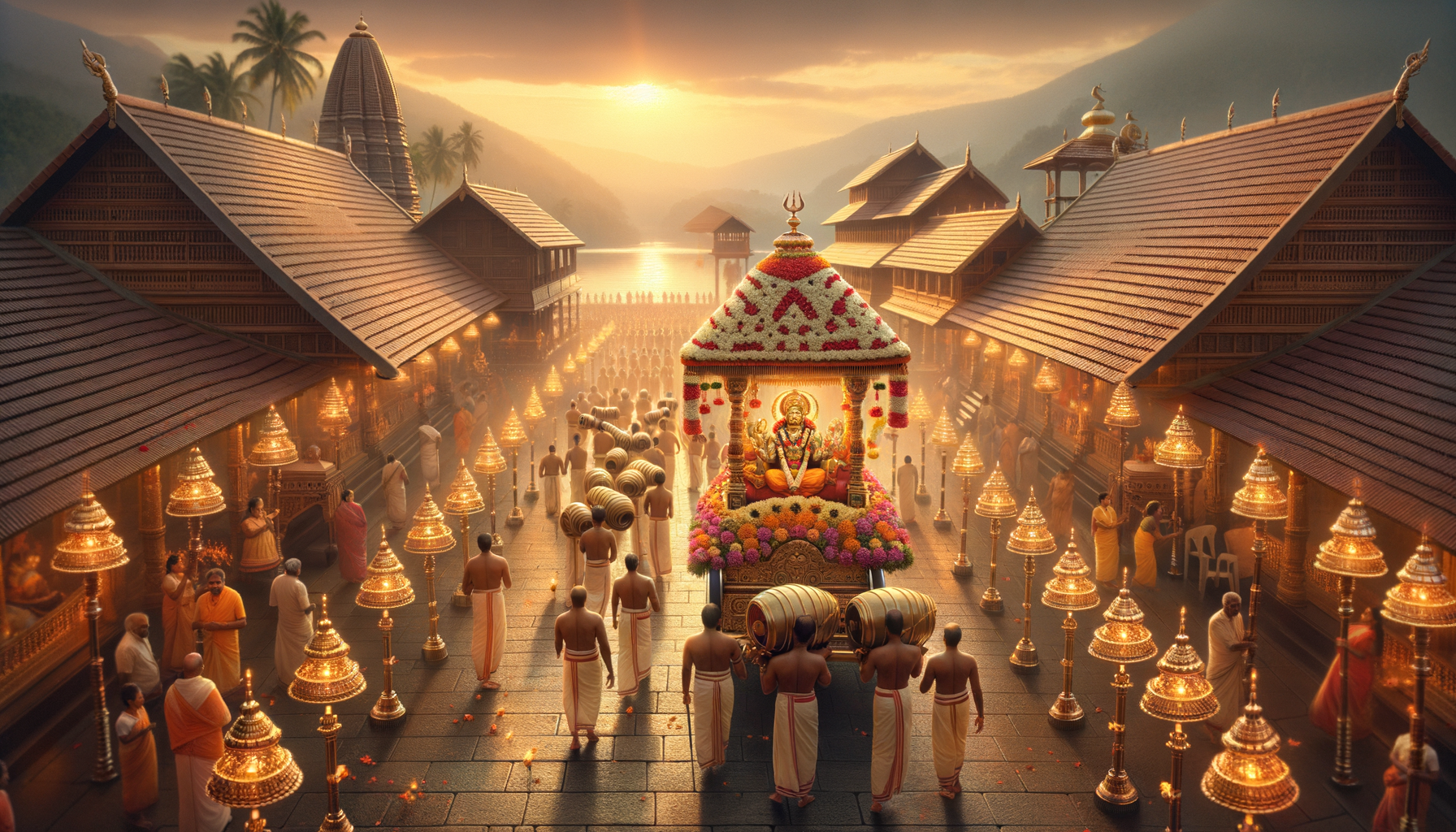
Triprayar Ekadashi 2025 falls on December 15 during the Vrischikam month of the Malayalam calendar. The 14-day celebration at Triprayar Sri Rama Temple near Thrissur culminates in the distinguished procession of Saasta. The vrata emphasizes fasting, prayer, and remembrance of Sri Rama and Vishnu, inviting a contemplative and community-centered observance. Devotees note the serene ambienceoil…
-
Why Hinduism Has No Satan: A Powerful Dharmic Lens on Evil, Responsibility, and Liberation

Many ask why Hinduism has no Satan. The answer reveals a deliberate dharmic framework: evil is understood as ignorance, imbalance in the guṇas, and misalignment with dharmanot the work of an eternal adversary. Karma and the possibility of purification make an all-evil figure unnecessary, while epics like the Mahābhārata and the Bhagavad Gita emphasize inner…
-
Bhakti and the Worship of Form: Why Murti-Puja Guides the Mind Toward the Infinite

Bhakti embraces worship of form because the universe is seen as emerging from the Supreme Being, making contemplation of Bhagavan accessible. Since human cognition relies on imagery, murti-puja provides a practical bridge from form to the formless. As a symbolic focus, a murti does not limit the Infinite; it points beyond itself while cultivating one-pointedness…