
-
Manmatha’s Five Arrows and the Five Bhakti Rasas: Symbolism, Practice, and Dharmic Unity

This article explores Manmatha (Kamadeva) as the celestial archer whose five flower-arrows symbolize the refinement of love from emotion to devotion. It connects these arrows to the five bhakti rasasśānta, dāsya, sakhya, vātsalya, and mādhuryaclarifying how each rasa expresses a distinct relationship with the Divine. Readers gain practical ways to integrate these rasas into daily…
-
Citizen Action Spurs Change: Maharashtra ST Launches Statewide Deep Clean of Bus Depots

Maharashtra has launched the ‘Swachh Sundar Bus Sthaanak Abhiyan’ after engagement by Surajya Abhiyan, beginning a statewide deep-cleaning of ST bus depots and stands. The initiative improves hygiene, safety, and commuter comfort while signaling a strong commitment to good governance. Surajya Abhiyan notes the campaign remains incomplete without restoring non-functional ST helplines, which are critical…
-
Sun–Rahu Conjunction Across the 12 Houses: Clear, Dharmic Insights and Practical Remedies

This balanced guide explores the Sun–Rahu conjunction (Ravi Rahu) across the twelve houses in Vedic astrology, explaining how its eclipse-like symbolism can magnify identity, ambition, and visibility while inviting ethical self-mastery. It outlines house-wise themes at a high level, emphasizes that outcomes depend on the full chart and timing (daśā), and reframes early-life intensity as…
-
Akola Families Call for Regular Self-Defence Training as HJS Highlights Urgent Safety Needs
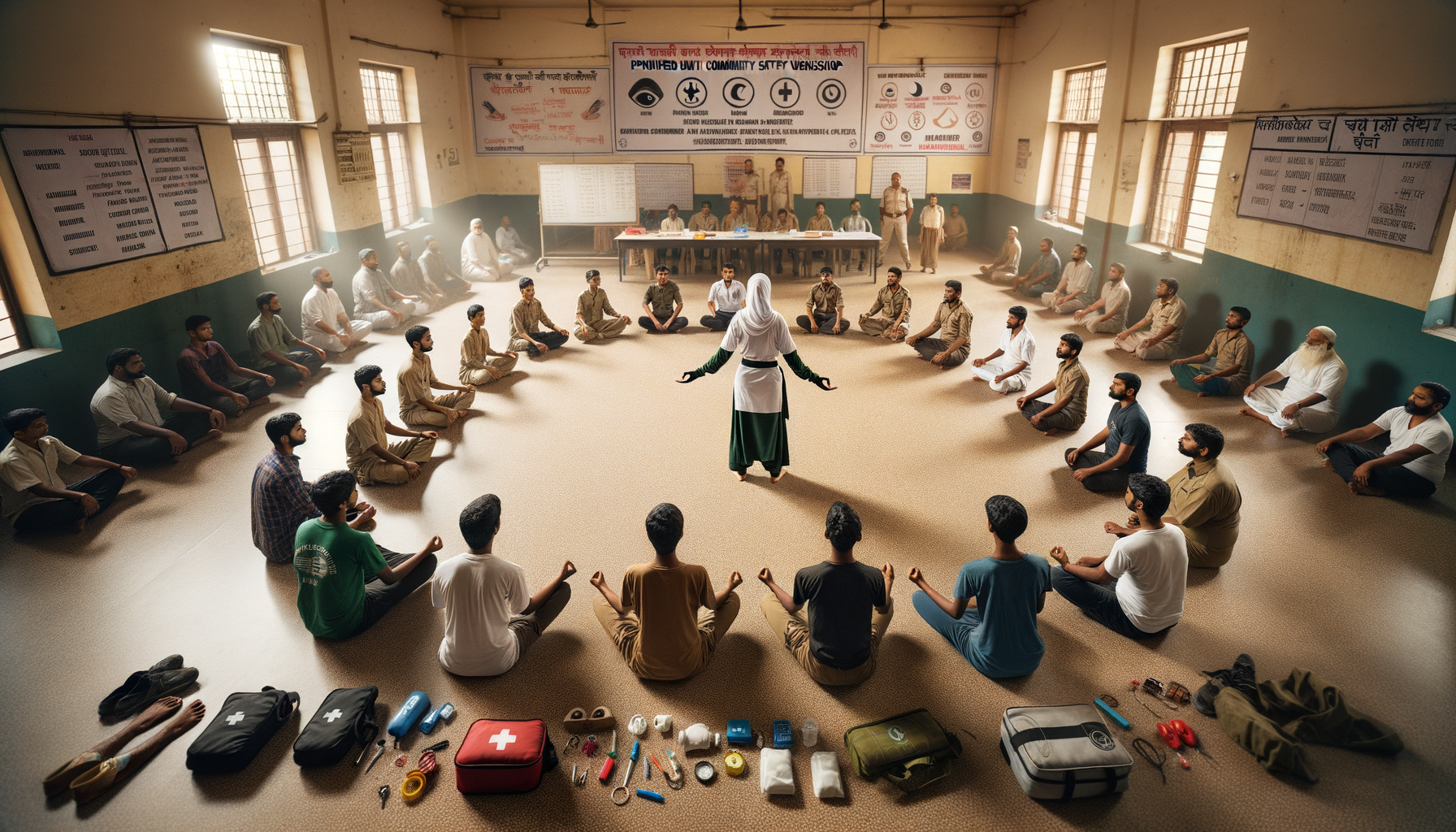
A community programme in Akola spotlighted an urgent need for structured self-defence training, with Hindu Janajagruti Samiti (HJS) and Amol Wankhade emphasizing prevention, preparedness, and ethical conduct. Students and parents called for regular classes to enhance safety on commutes and campuses. The proposed approach blends situational awareness, de-escalation, and basic legal literacy with age-appropriate physical…
-
Peta Utsavam: Tirupati Kodandarama Swamy’s Sacred Procession to Kupuchandra Peta, 2 Feb 2026

On 2 February 2026, Sri Kodandarama Swamy’s Utsava Idols, along with Sita and Lakshmana, will proceed from Tirupati to Kupuchandra Peta (Kupucandrapeta), arriving at 9:30 a.m. The sacred Snapana Tirumanjanam will follow, offering devotees a moment of purification and reflection. This Peta Utsavam strengthens bonds between temple and community while preserving living heritage in Andhra…
-
Shankaracharya urges Yogi Adityanath: Lead compassionate cow protection and ethical trade reforms

Shankaracharya Avimukteshwaranand Saraswati has urged Uttar Pradesh Chief Minister Yogi Adityanath to align governance with dharmic ethics through humane cow protection and ethical trade reforms. The appeal emphasizes a constructive, solutions-oriented dialogue over labels, focusing on practical measures, legal clarity, and transparent enforcement. By situating cow protection within the shared principle of Ahimsa respected by…
-
February 6, 2026 Panchang: Krishna Paksha Panchami Timings, Significance, and Guidance

February 6, 2026 begins with Krishna Paksha Chaturthi tithi until 1:40 AM and then continues as Krishna Paksha Panchami for the remainder of the day. The waning Moon’s rhythm supports steady practice, study, and reflective sadhana across dharmic traditions. Location-specific Nakshatra, Rashi, and shubh muhurat should be checked in a regional Panchang for accuracy. The…
-
Vibhishana Gita: Courageous Counsel on Dharma and Ethical Leadership in the Ramayana

The Vibhishana Gita in the Ramayana preserves the courageous counsel Vibhishana offers Ravana, spotlighting how conscience and dharma guide ethical leadership. As the youngest son of Kaikesi and Sage Vishrava, Vibhishana’s asura lineage underscores that noble character is defined by virtue, not birth. His plea to return Sita to Rama blends moral clarity with strategic…
-
Holi Dhuleti 2026: Date, Meaning, and Joyful Traditions that Unite Communities
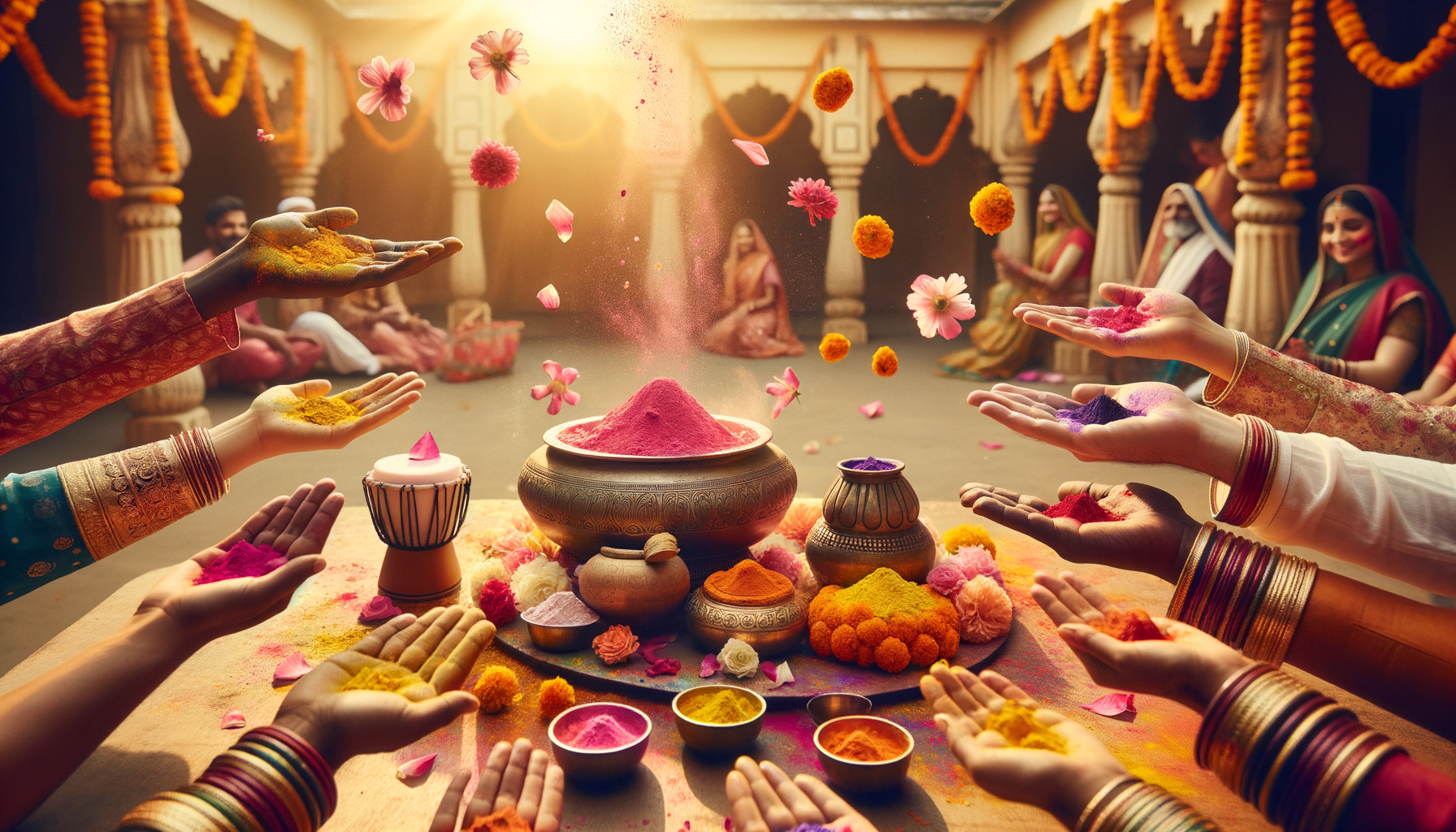
Dhuleti (Holi Dhuleti), the joyous day of colors following Holika Dahan, will be observed in India on March 4, 2026. Celebrated as Vasanatotsav in several North Indian Krishna temples, the day welcomes spring with devotion, music, and floral festivity. In some traditions, an extended eight-day observance associated with Holi culminates on Dhuleti, emphasizing renewal and…
-
Conquering the Fear of Death through Krishna Consciousness: Lessons from Maharaja Parikshit
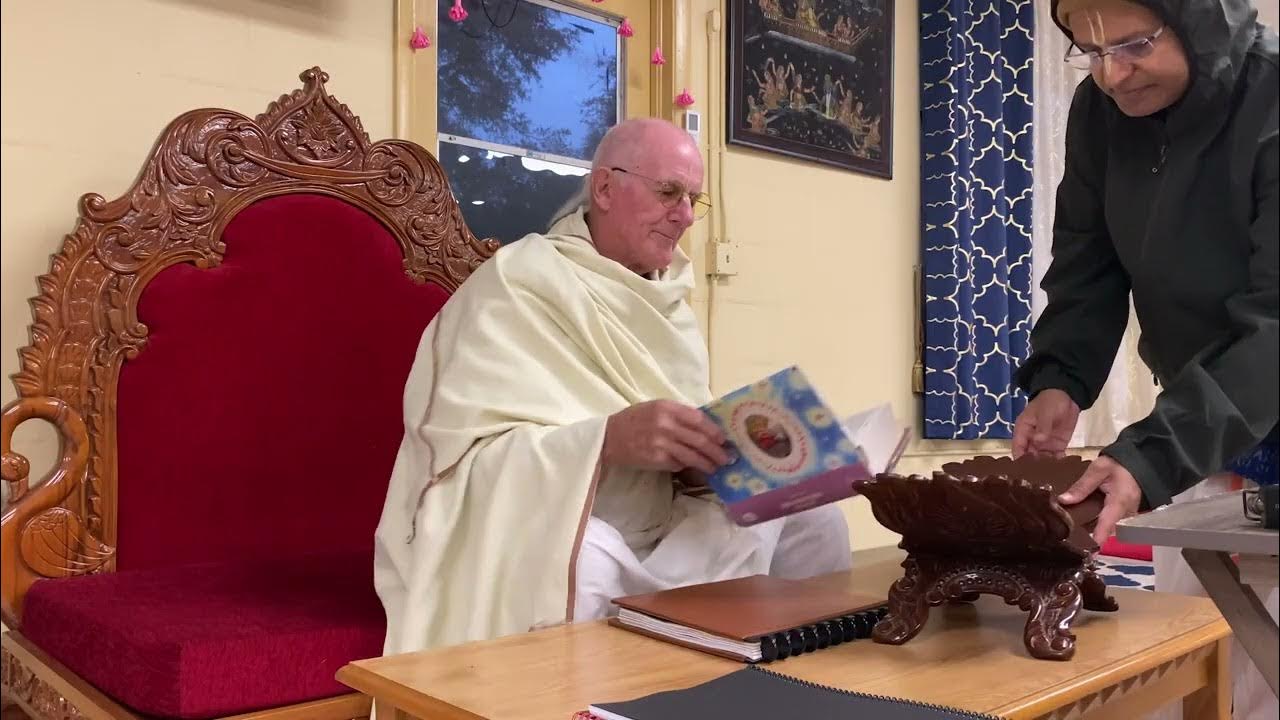
This reflection on Srimad Bhagavatam presents how Krishna consciousness transforms the fear of death into composure and clarity. Using Maharaja Parikshit’s fearless surrender as a living example, it explains that consistent remembrance of Vishnu/Krishna dissolves anxiety by anchoring awareness in the eternal nature of the soul. Practical disciplinesscriptural study, japa, kirtan, and ethical servicebuild daily…
-
Swastika on the Kalash: Timeless Symbolism of Creation, Prosperity, and Dharmic Harmony

The Swastika on the Kalash unites two powerful dharmic symbols into a visual theology of creation, prosperity, and cosmic order. The Swastika embodies auspiciousness and balanced motion, while the Kalash represents the life-bearing womb and sacred abundance. Together, they anchor household and communal ritualsfrom Griha Pravesh to Navaratriin a lived experience of harmony (ṛta). The…
-
Guru Ravidas Jayanti 2026 on Magh Purnima: Date, Rituals, and a Bhakti Legacy of Unity

Guru Ravidas Jayanti 2026 falls on 1 February, aligning with Magh Purnima, the Full Moon of the Magh month. The day honors Sant Ravidas, a seminal Bhakti poet-saint, through Akhand Paath, Aarti, and Nagar kirtan, reflecting inclusive devotion and service. Observances at Ravidas temples and many gurdwaras underscore unity across Hinduism, Sikhism, Buddhism, and Jainism.…
-
Telangana High Court Clears ‘Jago Bhagyanagar – Chalo Balapur’ Rally, Peace and Public Order First

The Telangana High Court on 22 January 2026 cleared the ‘Jago Bhagyanagar – Chalo Balapur’ mobilisation in Hyderabad, permitting it to proceed within legal and administrative safeguards. The decision reflects the constitutional balance between peaceful assembly and public order. Effective preparationroute management, clear advisories, and trained volunteer marshalscan minimise disruption and support civic confidence. Emphasising…
-
When Words Meet Light: Pen and Camera Shaping Shared Dharmic Memory and Meaning

This article explores how the synergy of writing and photography preserves cultural heritage and strengthens unity across Hindu, Buddhist, Jain, and Sikh traditions. It shows how Anekantavada, Ahimsa, Seva, and Karuna guide ethical documentation and storytelling. Readers gain practical methods for pairing field notes with metadata-rich images to support long-term archival value and SEO discoverability.…
-
Six-Armed Dhanalakshmi Decoded: Powerful Symbols of Fearlessness, Prosperity, and Dharma
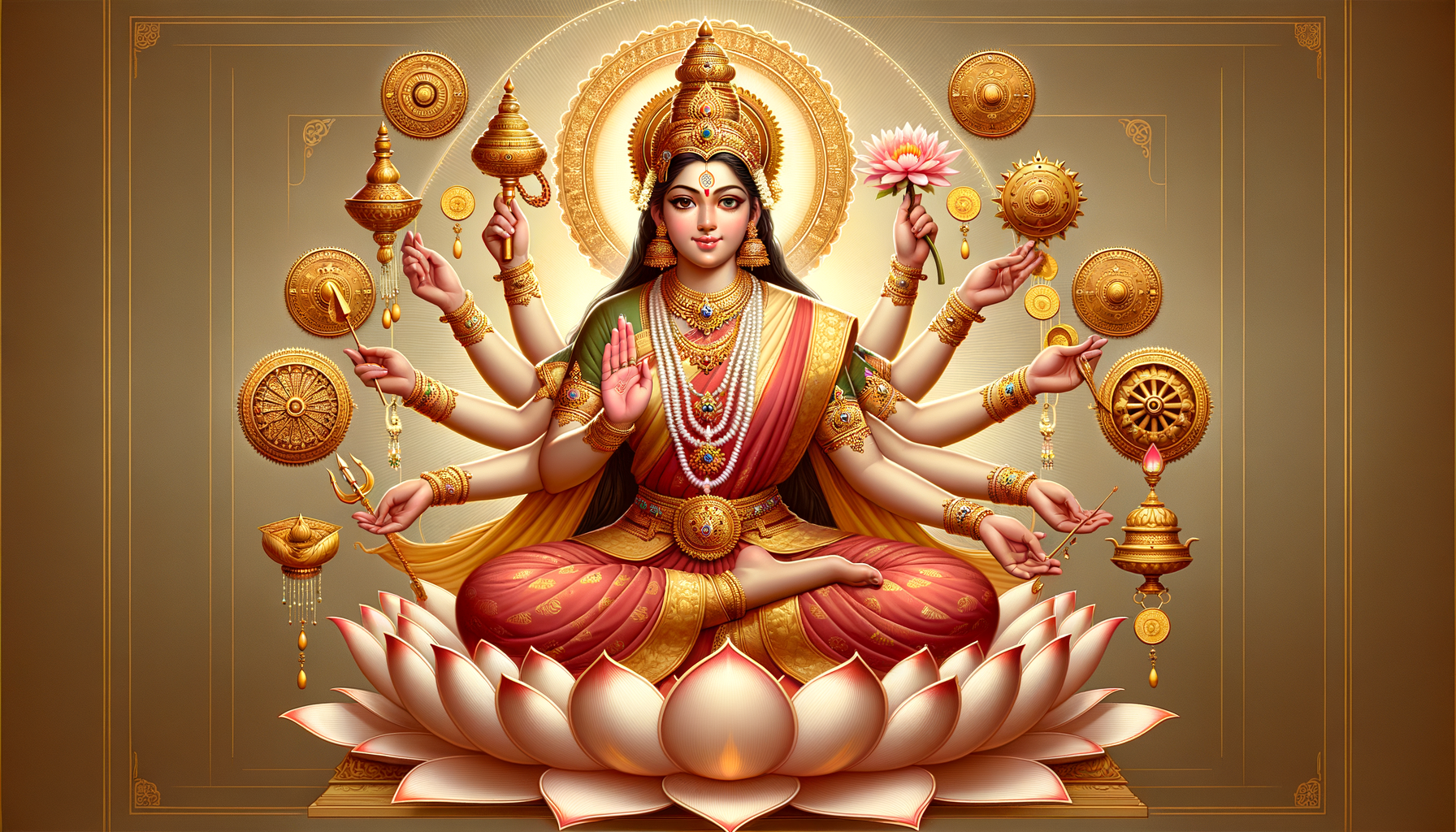
This article clarifies the two principal iconographic forms of Dhanalakshmifour-armed and six-armedand decodes the meaning of each sacred attribute. Readers learn how the chakra, padma, shankha, kalasha, bow and arrow, and abhaya mudra together convey prosperity grounded in dharma. The discussion highlights practical applications: ethical earning, mindful use of resources, and generosity. It also connects…
-
Inside Nehru’s Marxist Lens: Indo-Islamic Art, Mughal Decline, and India’s Enduring Vitality
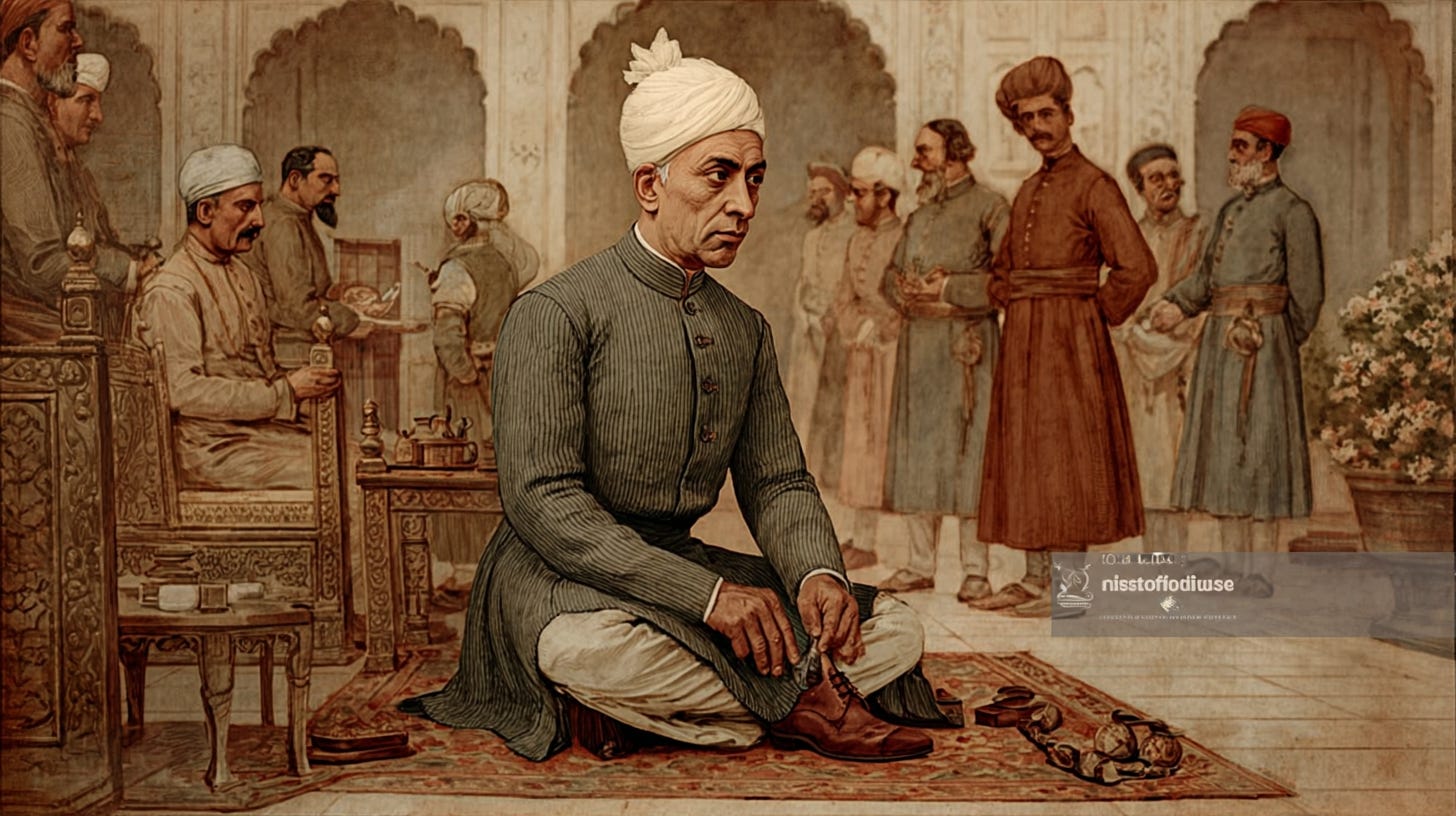
This essay reassesses Jawaharlal Nehru’s Marxist interpretation of medieval India, including his claim that “Islam shook India to its very foundations” and his use of Indo-Islamic architecture as a marker of social renewal. It explains how Nehru links aesthetic change to broader historical progress and why critics caution against drawing civilizational conclusions from art alone.…
-
When Silence Heals: Dharmic Wisdom on Compassionate Presence over Quick Fixes

Across Hinduism, Buddhism, Jainism, and Sikhism, compassionate presence often heals more than advice. Silence, framed as mauna, becomes active care rather than absence, enabling emotions to unfold safely. Small gesturesoffering water, preparing a meal, keeping vigilembody ahimsa and seva without imposing solutions. This approach mirrors Buddhist karuṇā and upekkhā, Jain anukampā, and Sikh seva within…
-
Auspicious Days for Ashwini Nakshatra 2026: Powerful Muhurat Guide for New Beginnings

This concise 2026 muhurta guide helps Ashwini Nakshatra natives time significant actions with clarity and confidence. It highlights how all four Padas of Ashwini lie in Mesha Rashi (Aries) and why this supports fresh starts, healing, and swift execution. Readers learn to prioritize the Moon’s transit through Ashwini, choose supportive Shukla Paksha tithis, and favor…
-
British MP Sounds Alarm: Minority Hindus Face Deadly Islamist Extremism in Bangladesh

A British MP has sounded the alarm about a worsening situation for minority Hindus in Bangladesh, warning of rising Islamist extremism and the urgent need to protect vulnerable communities. The analysis emphasizes a rights-based, dharmic response grounded in ahimsa, dignity, and pluralismuniting Hindu, Buddhist, Jain, and Sikh perspectives while partnering with Muslim civil society that…
-
When Harm Returns Home: Dharmic Wisdom on Ahimsa, Karma, and Inner Well-Being
The maxim “In injuring others you really injure yourself” expresses a shared dharmic truth: harm rebounds upon the doer through the natural interplay of karma and dharma. Across Hinduism, Buddhism, Jainism, and Sikhism, ahimsa, compassion, and seva sustain both inner calm and social trust. Practical experience confirms this lawhurtful conduct unsettles the mind, while ethical…