
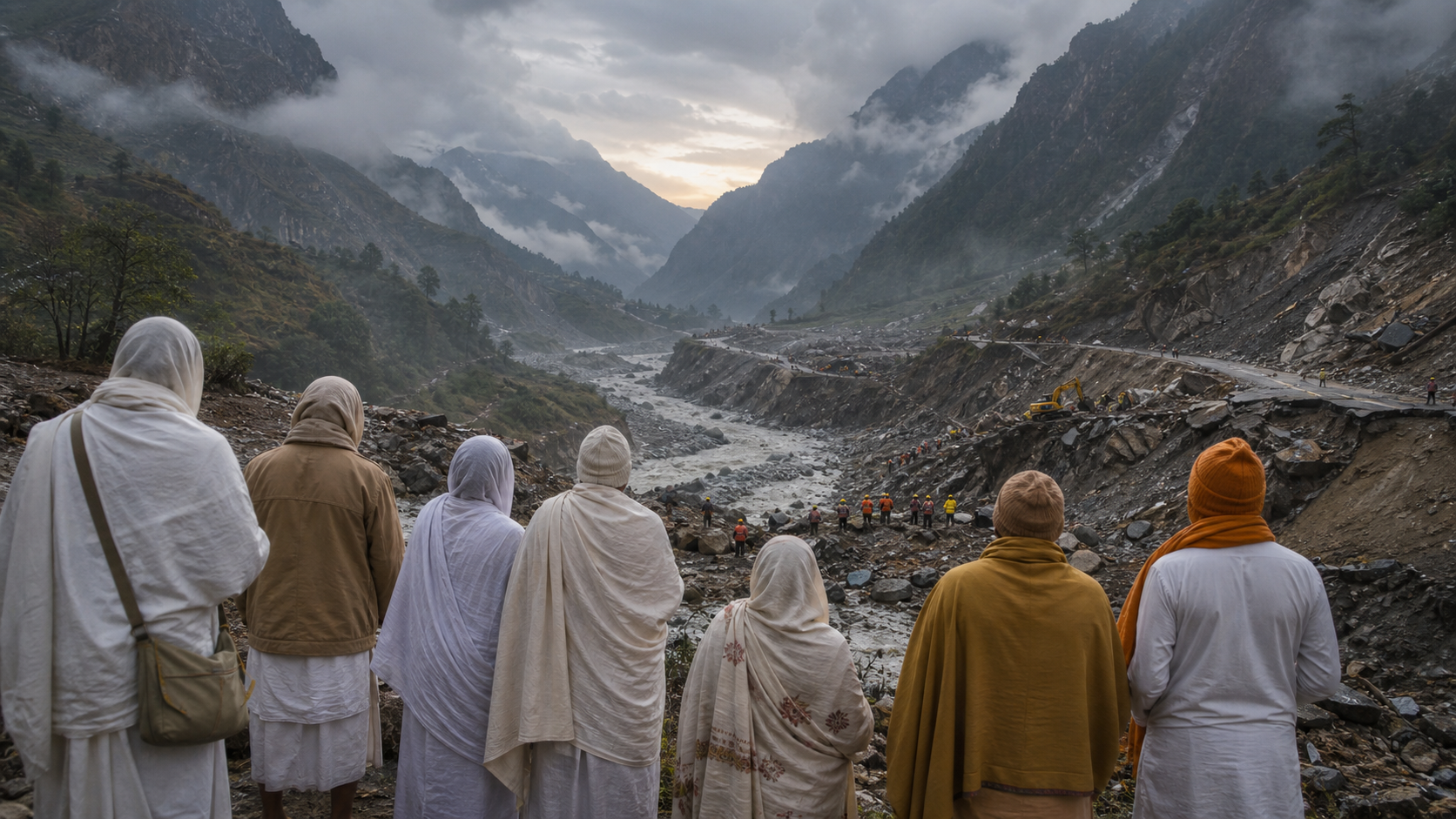
If you are trying to understand what happened to the ISKCON pilgrims in the Nepal-Tibet disaster, keep a firm line between confirmed information and anxious speculation. The confirmed news is grave, but the fate of the missing devotees has not been established.
Your most useful response now is disciplined: share only attributable updates, protect the families from rumor, direct material help through verified channels, and make prayer part of organized community care.
What is confirmed about the missing devotees
More than 100 people were reported dead and more than 1,000 missing after a natural disaster affecting Nepal and Tibet. Within that wider tragedy, 17 devotees connected to ISKCON communities in Ireland, South Africa, and the United Kingdom were reported missing.
The devotees had been taking part in an annual pilgrimage to Gosainkunda. At the time of the community appeal, all 17 were described as missing. No later outcome for them is established by the information available here.
That wording matters. They are associated with communities in three countries; their nationalities were not specified. Their names, ages, individual circumstances, last known locations, and the composition of their pilgrimage party were not made public. Do not fill any of those gaps with assumptions.
The precise kind of natural disaster was also not identified in the confirmed information used here. Avoid calling it an earthquake, flood, landslide, or another specific event unless a verified update does so.
Why the word missing requires disciplined language

In a disaster, missing is a status of uncertainty. It does not establish that a person has died, and it does not establish that the person is safe. Communications, travel, identification, and information-sharing can all be disrupted. Until an authorized update changes the status, the honest description remains missing.
This distinction protects both truth and people. Declaring a reunion without confirmation can create false hope. Declaring a death can inflict profound harm on relatives and may spread faster than any later correction. Even a well-meant phrase such as no survivors reported can be misleading when the only confirmed fact is that people have not yet been accounted for.
If you administer a temple page, WhatsApp group, or community mailing list, preserve the original wording. Put the status, the issuing organization, and the time of the update together. When nothing has changed, say that no verified change has been received; do not manufacture a new update from silence.
Key takeaways
- Seventeen devotees from ISKCON communities in Ireland, South Africa, and the UK were reported missing during an annual Gosainkunda pilgrimage.
- Missing is the confirmed status available here; it should not be rewritten as either safe or deceased.
- No public names, nationalities, individual histories, or precise last-known locations are established by the available information.
- Share updates only when you can identify who issued them and where they were published.
- Support ISKCON Nepal only through a verified appeal or payment channel, and keep prayer connected to practical care.
How you can help without creating more confusion

A disaster produces two urgent needs at once: reliable coordination and compassionate support. You can serve both by choosing a defined role instead of forwarding every message that reaches you.
- Verify before sharing. Look for an identifiable ISKCON body, temple authority, or responsible local coordinator behind an update. A cropped screenshot, copied voice note, or message attributed only to a devotee is not enough.
- Protect personal information. Do not publish names, photographs, phone numbers, passport details, medical information, or family contacts unless the affected person, family, or authorized coordinator has made them public for a clear purpose.
- Route direct knowledge privately. If you genuinely know something about a missing pilgrim, send it to a designated coordinator rather than a public group. Include the person’s full name as recorded for travel, the pilgrimage connection, the last confirmed contact, the original sender of the information, and a callback number. Mark assumptions as assumptions.
- Keep a simple update log. Record the exact status, the organization or person who issued it, the publication time and time zone, and the original link. This prevents an older message from being recirculated as new.
- Give through a verifiable route. ISKCON Nepal has been identified as needing support, but no payment details are established here. Wait for a named appeal whose recipient can be checked. Do not send money merely because a forwarded message uses ISKCON names or images.
- Respect the families’ attention. Do not call relatives for news unless you already have a pastoral, family, or coordination responsibility. Questions from curious strangers can force a family to repeat the same painful uncertainty while they are waiting for dependable information themselves.
If a temple collects assistance, separate money intended for emergency relief from ordinary temple funds, state the intended recipient before collecting it, and retain a record of the transfer. If the recipient or transfer route is not yet known, say so plainly rather than presenting a general collection as an established relief channel.
Make prayer a form of organized community care

The call to the ISKCON community asks devotees to pray for everyone affected and invokes the grace of Sri Sri Radha-Krishna. A temple can respond with kirtan, japa, or a dedicated prayer gathering while remaining exact about what is known. Use language such as prayers for the missing pilgrims, their families, those who have died, and all affected communities. Do not announce an outcome that has not been confirmed.
Prayer and practical help should reinforce each other. Assign one person to monitor verified updates, another to coordinate family or pastoral care where requested, and another to check any relief appeal before it is shared. This keeps spiritual attention from dissolving into an uncontrolled stream of messages.
Remember that the disaster extends beyond the 17 devotees. More than 100 deaths and more than 1,000 missing people mean many families across Nepal and Tibet are living with bereavement or uncertainty. A Dharmic response should hold the ISKCON pilgrims close without treating other lives as background.
Choose one useful act now: organize a clearly worded prayer gathering, verify an update before forwarding it, offer quiet care to an affected family if invited, or prepare to support a confirmed ISKCON Nepal appeal. Restraint is not passivity here. It is part of protecting truth, dignity, and the people already carrying the heaviest burden.
References
