
If you saw the Bathinda school-wall slogans circulating online, the useful question is not whether they make you angry. It is what has actually been established, what remains unknown, and how you can respond without helping separatist messaging travel farther.
Two things can be true at once. Glorifying a political assassin and invoking a banned separatist organization on public property is serious. It still does not justify inventing suspects, blaming a community, or treating an unfinished police investigation as a solved case.
What has been established, and what has not
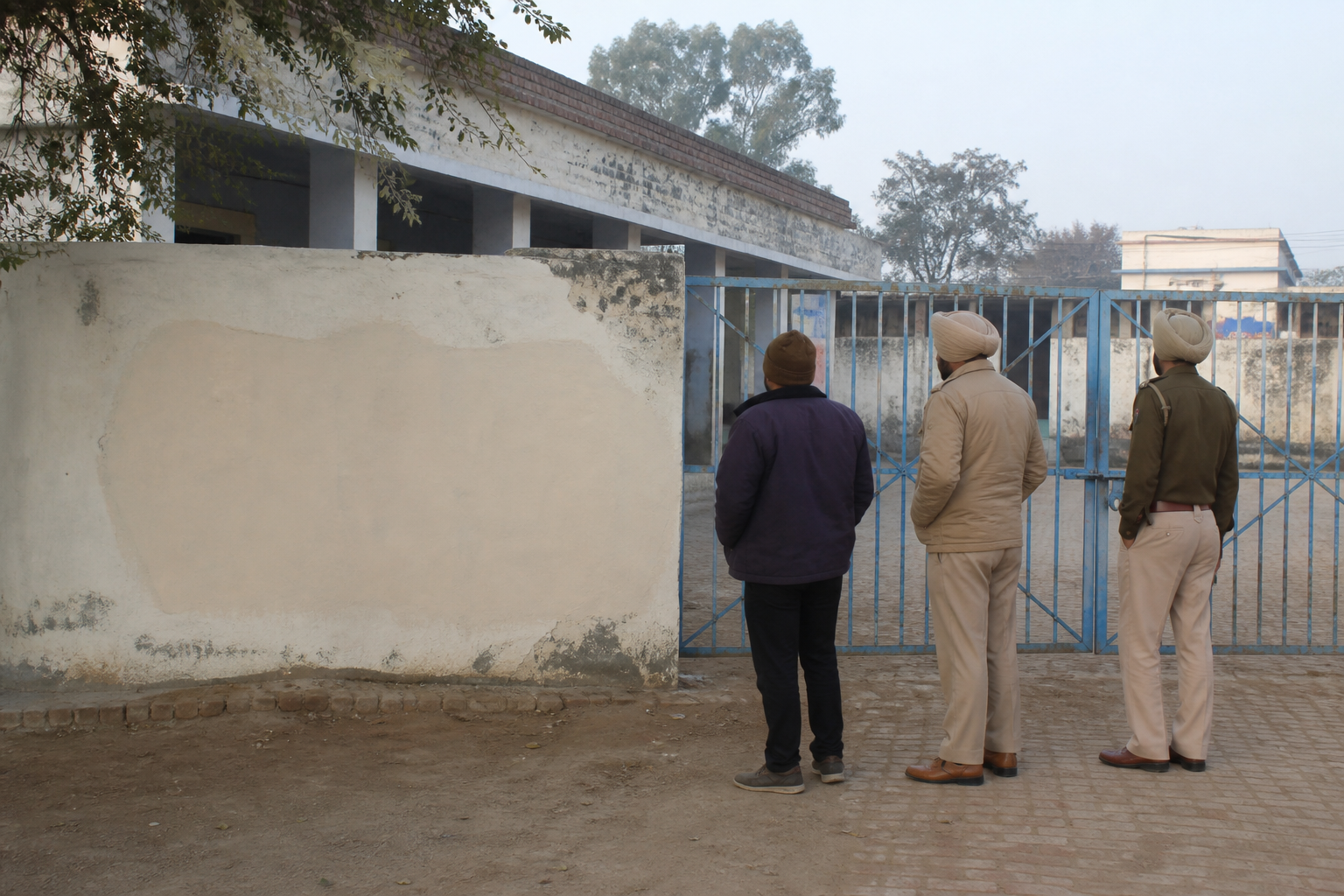
Residents of Jai Singh Wala village in Bathinda district found slogans on a government school wall and another nearby wall on Monday morning. The writing praised "Shaheed Dilawar Babbar" and mentioned SFJ, or Sikhs for Justice. Villagers alerted the panchayat, which informed the police.
A team from Sadar Police Station inspected the locations. SHO Munish Kumar confirmed that investigators were examining CCTV footage and questioning residents. The police were trying to identify who wrote the slogans, when the act occurred, and whether the motive was mischief, deliberate provocation, separatist promotion, or an attempt to create tension.
That gives you a clear boundary between evidence and inference:
- The presence of the writing at two village locations has been established.
- The involvement of the panchayat and Sadar Police Station has been established.
- The identity, number, and affiliation of those responsible had not been established when the investigation was confirmed.
- No disclosed evidence establishes that students, teachers, the school, or the wider village supported the slogans.
- No disclosed evidence yet establishes whether the act was locally conceived or connected to a larger organization.
Keep that line intact when you discuss the incident. Saying that the slogans require investigation is accurate. Naming a supposed culprit without evidence is not. A premature accusation can harm an innocent person, distort witness recollections, and make the eventual police findings harder for the public to trust.
Why the school wall makes the incident more serious
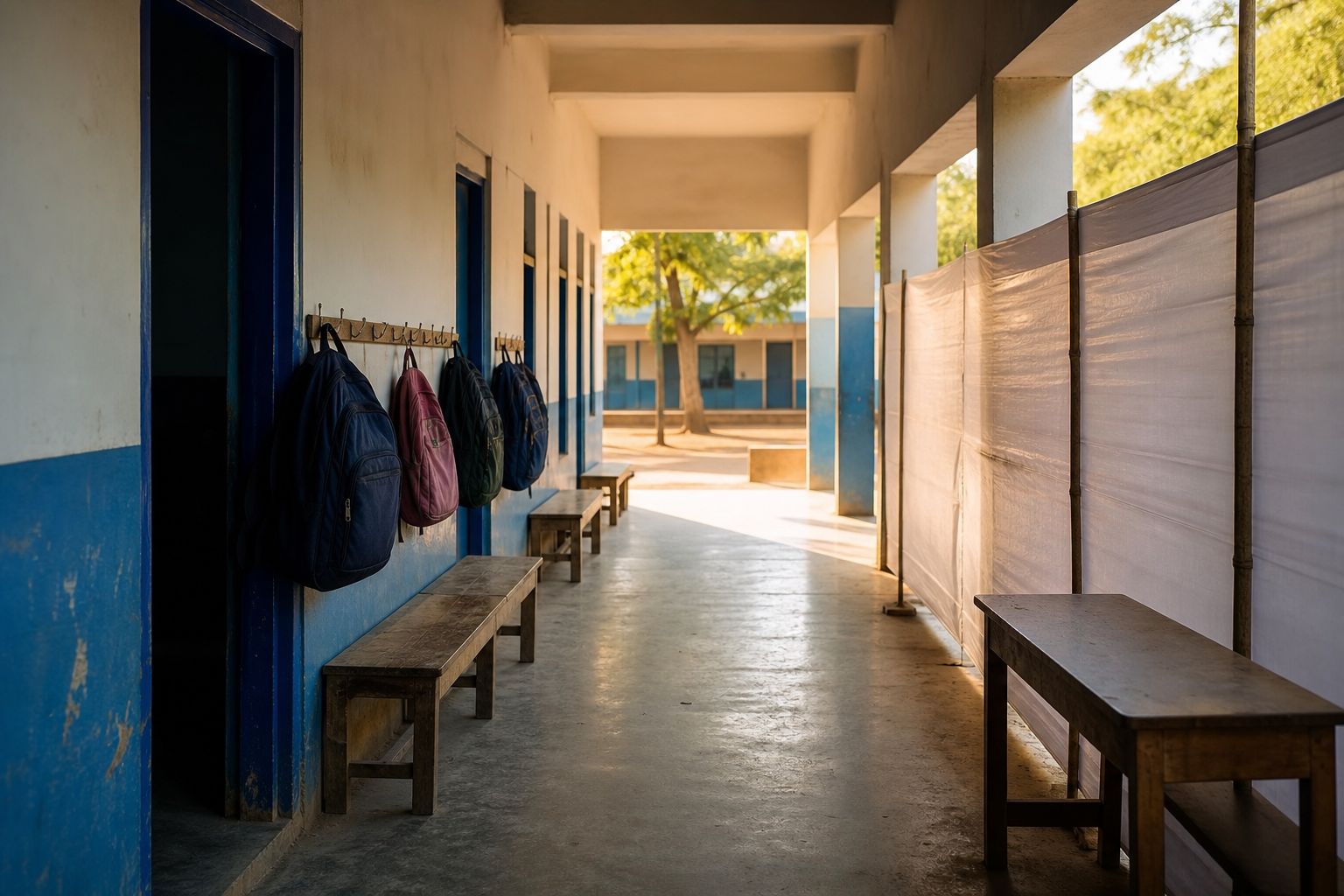
A government school is not just another available surface. Children, parents, teachers, and public employees must use the space. Political messaging placed there creates an involuntary audience and tries to borrow the visibility of a state institution. That is why the location deserves prompt documentation, removal after evidence is preserved, and a review of how the property was accessed.
The location must not be misread, however. Writing on a school wall does not show that the school endorsed it or that pupils were recruited into an extremist cause. The wall is evidence about where an act happened, not proof of who approved it.
The words themselves carry a grave history. Dilawar Singh, a militant associated with Babbar Khalsa, carried out the 1995 suicide bombing at the Punjab Civil Secretariat in Chandigarh that killed Punjab Chief Minister Beant Singh and 16 other people. SFJ is a US-based separatist organization banned in Bharat. Pairing praise for the bomber with an SFJ reference therefore links the graffiti to lethal political violence and separatist ideology; it is not ordinary schoolyard scribbling.
Its seriousness is also why careless amplification is a mistake. Provocative graffiti can acquire a much larger audience through repeated photographs, sensational captions, and clips stripped of context. If you need to alert the public, describe the verified facts. Give original images to investigators, but do not endlessly recirculate the slogan, expose children in the background, or share unverified accounts that claim responsibility.
A dharmic civic response joins satya, ahimsa, and responsibility. Satya means refusing to turn suspicion into fact. Ahimsa does not mean passivity toward the glorification of assassination; it means opposing that glorification without directing hostility at innocent people. Responsibility means protecting the school, preserving evidence, and refusing to let an unknown writer dictate relations among neighbours.
SFJ cannot be treated as synonymous with Sikh society, and an unidentified graffitist cannot be treated as the voice of Jai Singh Wala. Collective blame would be unjust and would widen exactly the kind of social fracture that separatist provocation can exploit. A pro-Bharat position should be firm about political violence and equally firm about the dignity of law-abiding Sikh citizens.
If you encounter similar graffiti, follow five steps

Your first job is to make the evidence clearer and the atmosphere calmer. Use this sequence:
- Put safety first. If someone is still painting the wall, do not confront or pursue that person. Move to a safe place, observe only what you can without risk, and contact the local police. Do not summon a crowd.
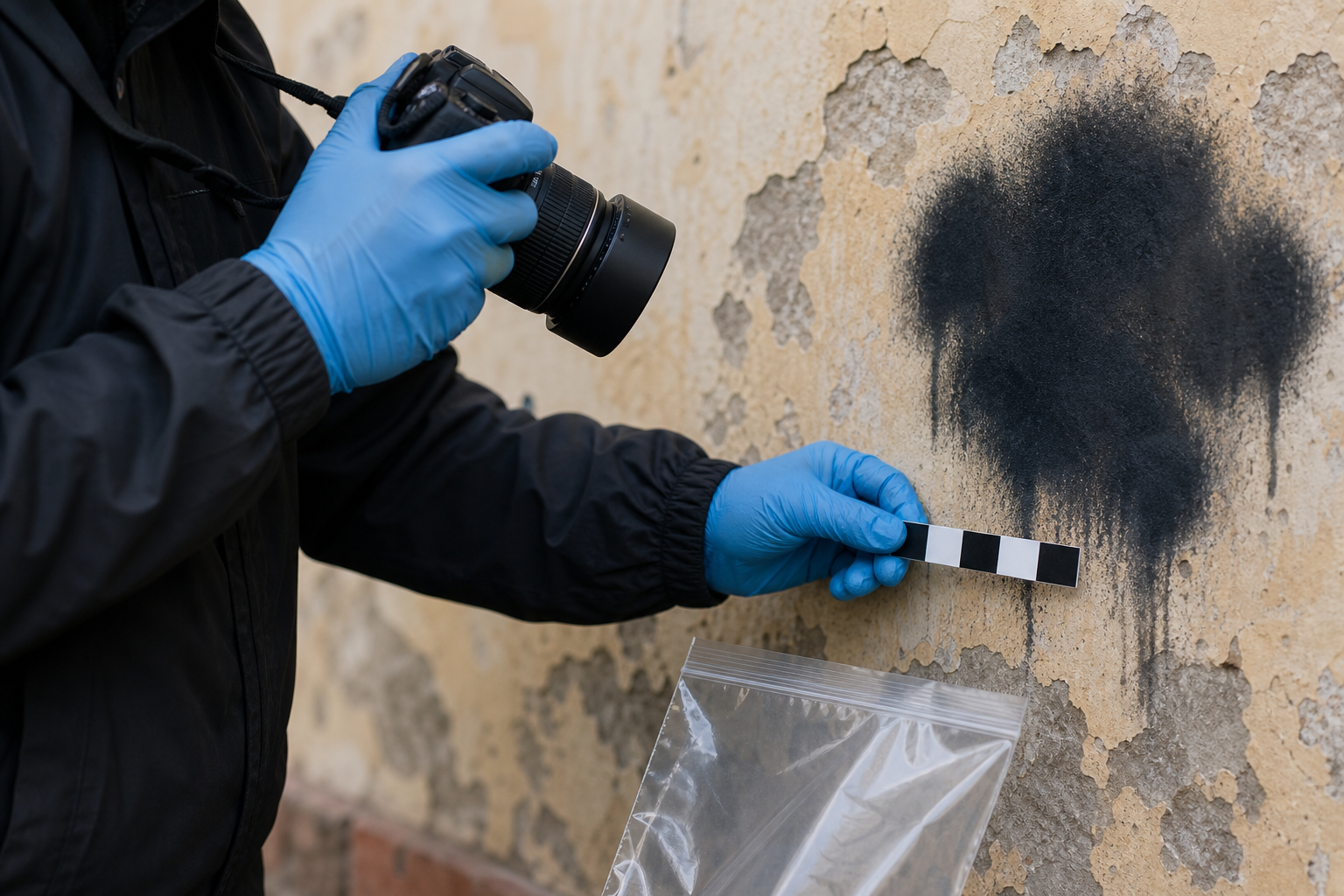
- Leave the surface untouched. Do not wipe, repaint, trace over, or add a counter-slogan before investigators have documented it. Note the exact location and the time you noticed it. If it is safe and lawful to do so, take an unedited photograph from a reasonable distance and retain the original file.
- Report facts through responsible channels. Notify the school head or property custodian, the village panchayat where applicable, and the police. State what you personally observed. Separate that from what somebody forwarded to you or claimed online.
- Protect children and due process. Do not publish pupils’ faces, speculate about a student’s involvement, or circulate the names of supposed suspects. Do not pressure children to pose beside the writing or make public political statements about it.
- Restore the site after evidence is secured. Once the police or responsible authority confirms that documentation is complete, the writing should be removed promptly. The school can then review lighting, gates, camera coverage, footage retention, and who needs to report unusual activity outside school hours.
Do not delay a police report while trying to produce better social-media footage. Do not organize a counter-graffiti response. Both choices can damage evidence and transform a manageable scene into a confrontation.
What a credible investigation and school response should answer
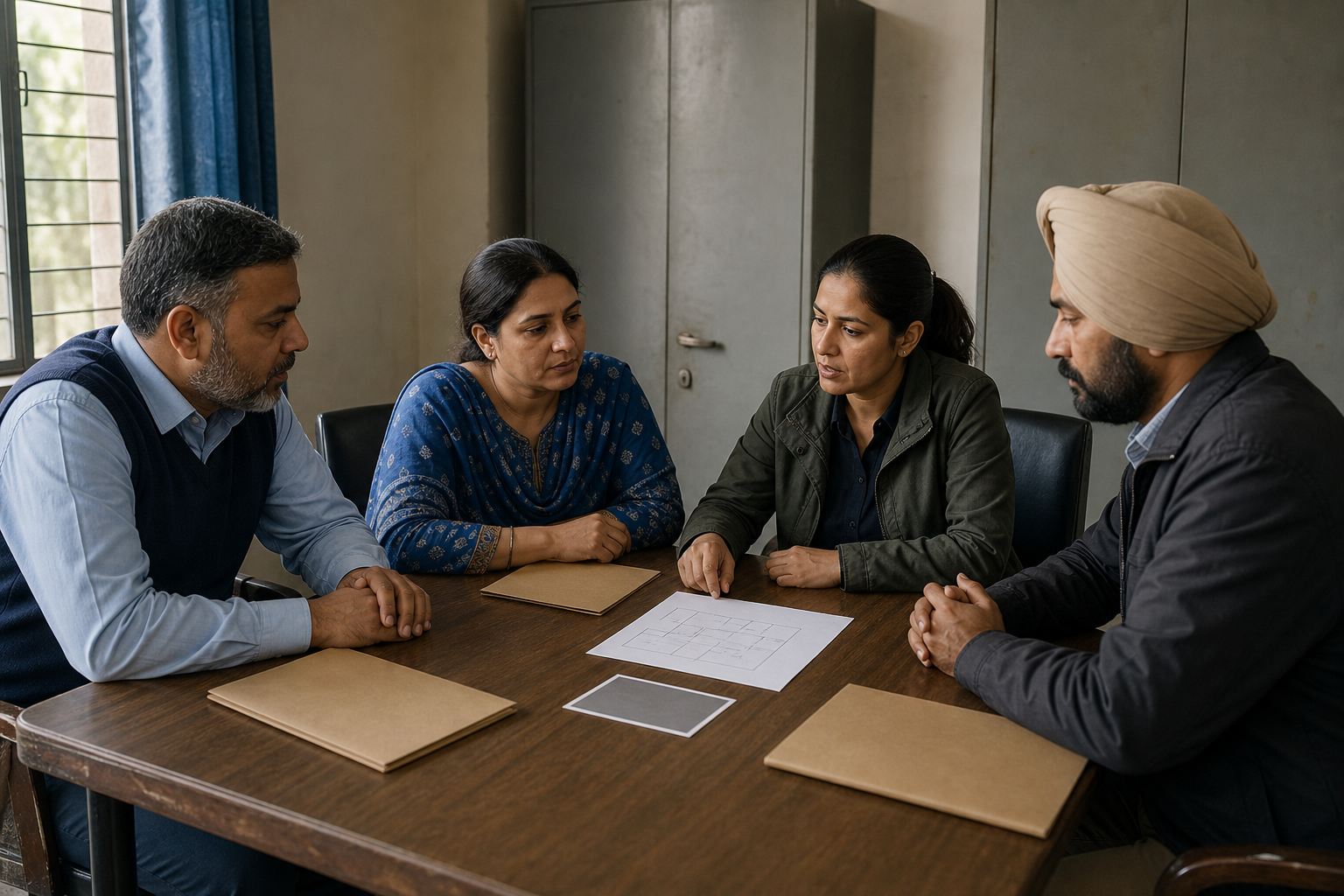
The public does not need a dramatic theory while CCTV footage and witness information are still being examined. It needs a disciplined inquiry built around answerable questions:
- When was each wall last known to be clean, and when was the writing first observed?
- Do available cameras show movement toward or away from both locations during that interval?
- Do witness accounts, original photographs, and physical evidence support the same timeline?
- Was one person responsible for both surfaces, or is that merely an assumption based on similar wording?
- Is there evidence of an actual organizational connection, or did the writer use a recognizable name to attract attention?
- Which legal provisions apply to the established conduct, and what action is proportionate if an offence is proved?
Officials may need to withhold operational details while the inquiry is active. They can still tell residents which questions have been resolved, which remain open, and whether any immediate threat to the school has been identified. A useful update distinguishes a confirmed fact from a line of investigation instead of blending the two.
The school response should be just as precise. Administrators should preserve any relevant footage, record when the writing was found and removed, and communicate directly with parents if normal access or classes are affected. Students should not be used as scenery for political reactions. If the incident is discussed educationally, the distinction should be clear: lawful disagreement belongs in civic life; praise for assassination and intimidation of a public institution do not.
Motive matters to the final legal assessment, but it should not be used to minimize the immediate institutional harm. Even if the act proves to be attention-seeking mischief, the writer selected the name of a man responsible for a bombing that killed 17 people and paired it with a banned separatist reference. If evidence instead shows deliberate extremist coordination, authorities should say so only when that connection can be demonstrated.
Key takeaways
- The slogans are serious because they praise a figure tied to a deadly political assassination, mention a banned separatist organization, and were placed on a government school wall.
- The presence of the graffiti is established; the writer, motive, and any organizational direction remained under investigation.
- The location does not prove that the school, its pupils, or the village endorsed the message.
- Citizens should preserve the scene, report verified observations, protect children’s privacy, and avoid publishing suspects’ names without evidence.
- Rejecting separatist glorification does not require collective blame. Firmness toward political violence and fairness toward Sikh citizens belong together.
- A credible outcome depends on CCTV, witnesses, physical evidence, a defensible timeline, and legal action only where offences are proved.
If such messaging appears near you, make the record cleaner rather than the atmosphere hotter. Preserve the scene, report what you know, keep children out of the spectacle, and let evidence identify the actor. That is how a community refuses both intimidation and manipulation.
References
