

You want to know whether the 10 November 2025 Red Fort blast was terrorism, an accident, or something else. The honest answer is that investigators had not yet established the cause or assigned a motive. What was known was grave: at least nine people were killed and several others were injured near one of Delhi’s most important historic landmarks.
If you are deciding what to believe or share, separate three things: a confirmed event, an investigative step, and a conclusion. Confusing them can turn a legitimate question into a false accusation before investigators have finished examining the evidence.
The facts that can safely be stated
The explosion occurred near Delhi’s Red Fort on 10 November 2025. Emergency services responded, hospitals treated the injured, and authorities introduced traffic diversions and crowd-control measures around the precinct. The location intensified public concern because the Red Fort is both a UNESCO World Heritage site and a national symbol.
Delhi Police, forensic specialists, and national agencies began a coordinated inquiry. Union Home Minister Amit Shah said the authorities were examining the incident from all angles. That language matters. It means investigators were testing multiple explanations, not announcing that any one explanation had been proved.
A possible terror connection was one line of inquiry. Criminal and accidental explanations also remained open. No confirmed motive, organizational affiliation, or communal responsibility had been announced at that stage. Anyone claiming certainty beyond those facts was moving ahead of the evidence.
Key takeaways
- The confirmed human toll was at least nine dead and several injured.
- The cause and motive had not been conclusively established in the initial information.
- A terror link was being examined, but an investigative possibility is not a finding.
- Physical debris, electronic components, CCTV recordings, movement patterns, and digital trails were central to the inquiry.
- Your most useful response is to follow official safety directions, preserve relevant original evidence, and avoid forwarding unverified allegations.
How investigators move from a blast to a defensible conclusion
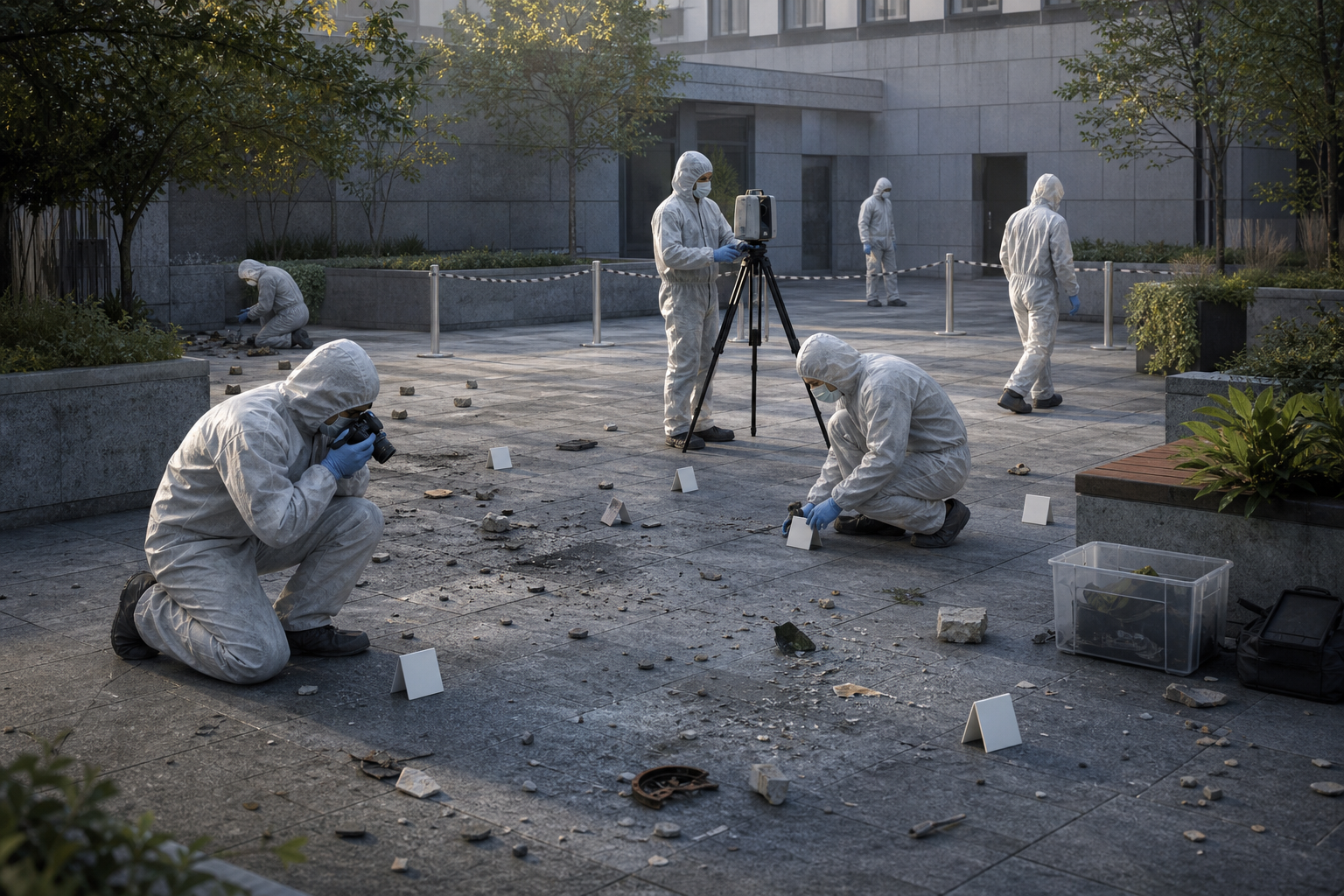
A major blast investigation is not solved by one dramatic clue. Investigators build a sequence from evidence streams that must support one another. That distinction will help you judge future claims about the case.
- Debris and the physical scene: The location and condition of fragments can help reconstruct what happened and in what order. Blast signatures and residue samples may narrow the technical possibilities, but they do not by themselves reveal motive or identify the responsible person.
- Electronic components: Recovered parts can help investigators understand how a device may have functioned or been activated. A component is only one link in the chain; investigators still have to establish where it came from, how it reached the scene, and who handled it.
- CCTV recordings: Footage from approach roads and transport nodes can help construct a timeline. Investigators compare routes, objects, vehicles, and movements across multiple cameras rather than treating a single image as decisive.
- Digital and movement trails: Relevant communications and movement patterns can be tested against the physical timeline. This work may reveal connections, but proximity or contact alone does not establish complicity.
- Intelligence assessment: National agencies can compare the incident with known risks or networks. Intelligence may direct attention toward a possibility; forensic and admissible evidence must still carry the conclusion.
The reported inquiry included debris analysis, blast-signature examination, residue testing, recovery of electronic material, CCTV review, and scrutiny of possible digital trails. When a new claim appears, ask which of these evidence streams supports it and whether another independent stream corroborates it. A conclusion supported only by an anonymous message, a cropped image, or a communal stereotype has not met that test.
Read investigation language before believing the headline
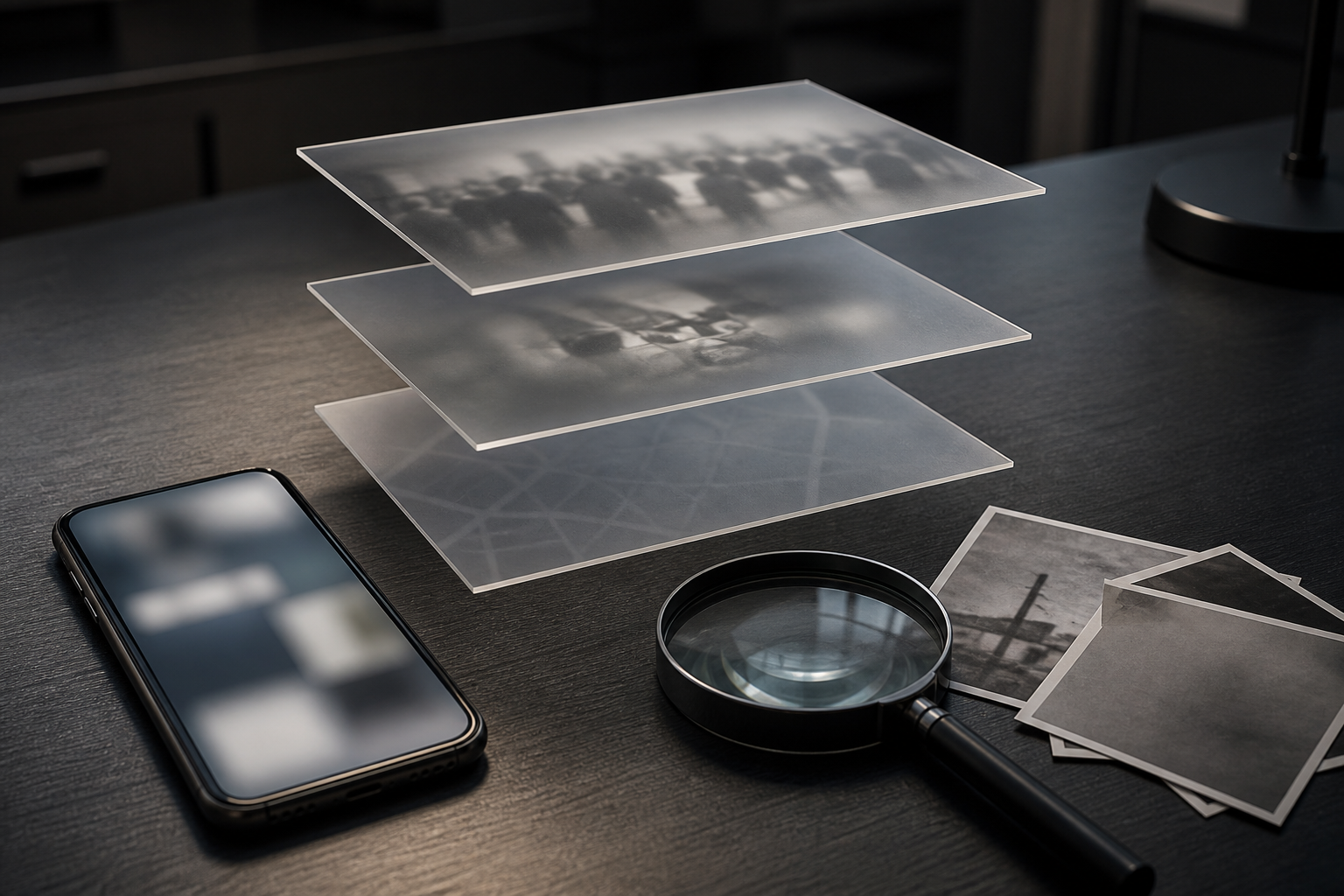
The fastest way to avoid misinformation is to notice the status words in each claim. “Being examined,” “possible link,” and “line of inquiry” describe questions. “Recovered,” “detected,” and “matched” can describe evidence, but their significance still requires explanation. “Detained” or “questioned” does not mean convicted, while an arrest or charge remains an allegation until tested through due process.
The most important correction in this case is simple: investigation of a terror angle did not, at that stage, amount to a determination that the blast was a terrorist act. It certainly did not authorize the public to assign guilt to a religion, region, or community.
Before forwarding a message, pause over five questions:
- Does it identify a named authority that is responsible for the investigation, or does it rely on “sources” that cannot be checked?
- Does it report a verified fact, or convert a possibility into certainty?
- Does the image or video retain its original date, location, and context?
- Has an old or unrelated incident been relabelled as the Red Fort blast?
- Does it accuse an entire community before investigators have established individual responsibility?
If any answer is unclear, do not forward the material as fact. Save the link if you need to revisit it, but do not help an unsupported allegation acquire credibility through repetition. Being first is of no public value if the claim is wrong.
Heightened security at transit hubs, crowded markets, and other important sites should also be read accurately. Such precautions are standard after a major incident. They show that authorities are managing risk; they do not, on their own, prove that another attack is expected or that a particular theory has been confirmed.
If you hold useful footage, preserve evidence before sharing it
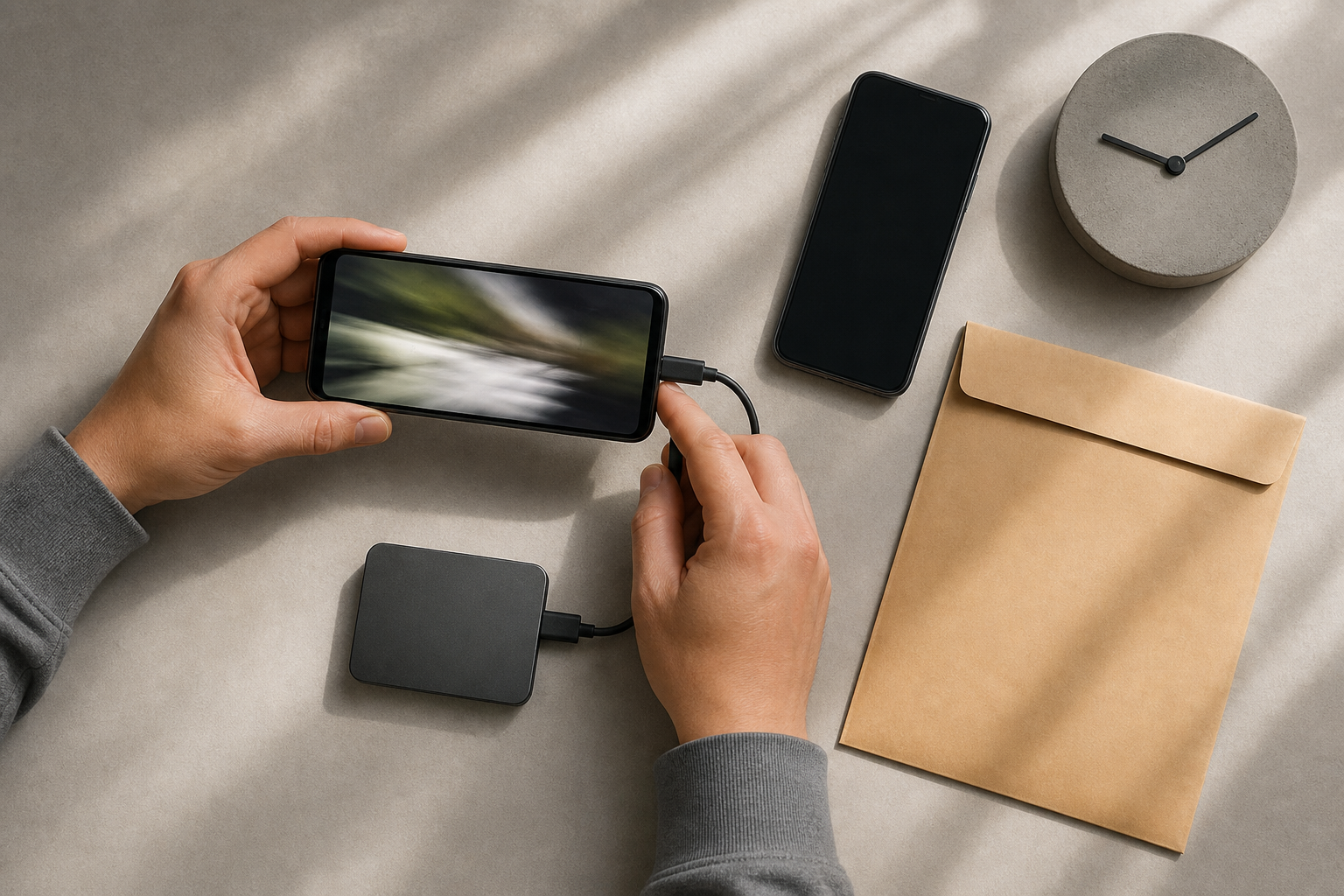
A bystander’s recording can matter, but the original file is more useful than a compressed social-media copy. If you possess relevant footage or photographs, preserve the material in the form in which your device captured it.
- Do not crop, filter, annotate, or edit the original file.
- Keep the original on the capturing device and make a separate backup if possible.
- Write down when and where you recorded it, the direction you were facing, and what happened immediately before and after the recording.
- Separate what you directly saw or heard from what you inferred later.
- Submit the material through a designated official channel. Authorities specifically encouraged citizens with verifiable photographs or videos to assist evidence collection.
- Avoid publishing the file first, especially if it shows injured people, security positions, potential evidence, or an identifiable person whose role is unknown.
If you encounter debris or an unattended object near a restricted scene, do not touch, move, or collect it. Increase your distance, prevent others from approaching if you can do so safely, and alert police or emergency personnel. Physical material can be hazardous, and unnecessary handling can damage the evidence needed to establish what occurred.
Follow cordons and traffic diversions even when they seem inconvenient. Access controls protect the public, allow medical movement, and reduce contamination of the scene. If you have no direct evidence, the useful civic action is restraint: do not flood official channels with rumours or second-hand screenshots.
A dharmic response requires compassion and evidentiary discipline

For a dharmic readership, restraint is not indifference. Ahimsa requires us not to add preventable harm to an already grievous event. Satya requires more than avoiding a deliberate lie; it asks us not to present an unverified suspicion as knowledge. Seva turns attention toward the injured, bereaved families, medical responders, and those doing the painstaking work of establishing the truth.
Compassion, courage, and collective responsibility are recognizable across Hindu, Buddhist, Jain, and Sikh traditions. In this situation, those values have practical consequences:
- Mourn the dead without turning their suffering into spectacle.
- Protect the privacy and dignity of injured people and families.
- Cooperate with lawful evidence collection when you possess something relevant.
- Reject communal blame unless individual responsibility is established through verified evidence and due process.
- Demand a thorough investigation without demanding a predetermined conclusion.
This balance is neither softness nor evasion. Violence must be investigated firmly, networks must be uncovered if the evidence establishes them, and those responsible must face lawful accountability. The same commitment to justice requires refusing to manufacture culprits while the facts remain unsettled.
For now, hold two duties together: the severity of the blast calls for determined investigation, while uncertainty about its cause calls for disciplined restraint. Watch for updates that add verified evidence or a formal finding. Until then, preserve anything genuinely useful, follow official security instructions, and refuse messages that turn unanswered questions into communal verdicts.
References
