
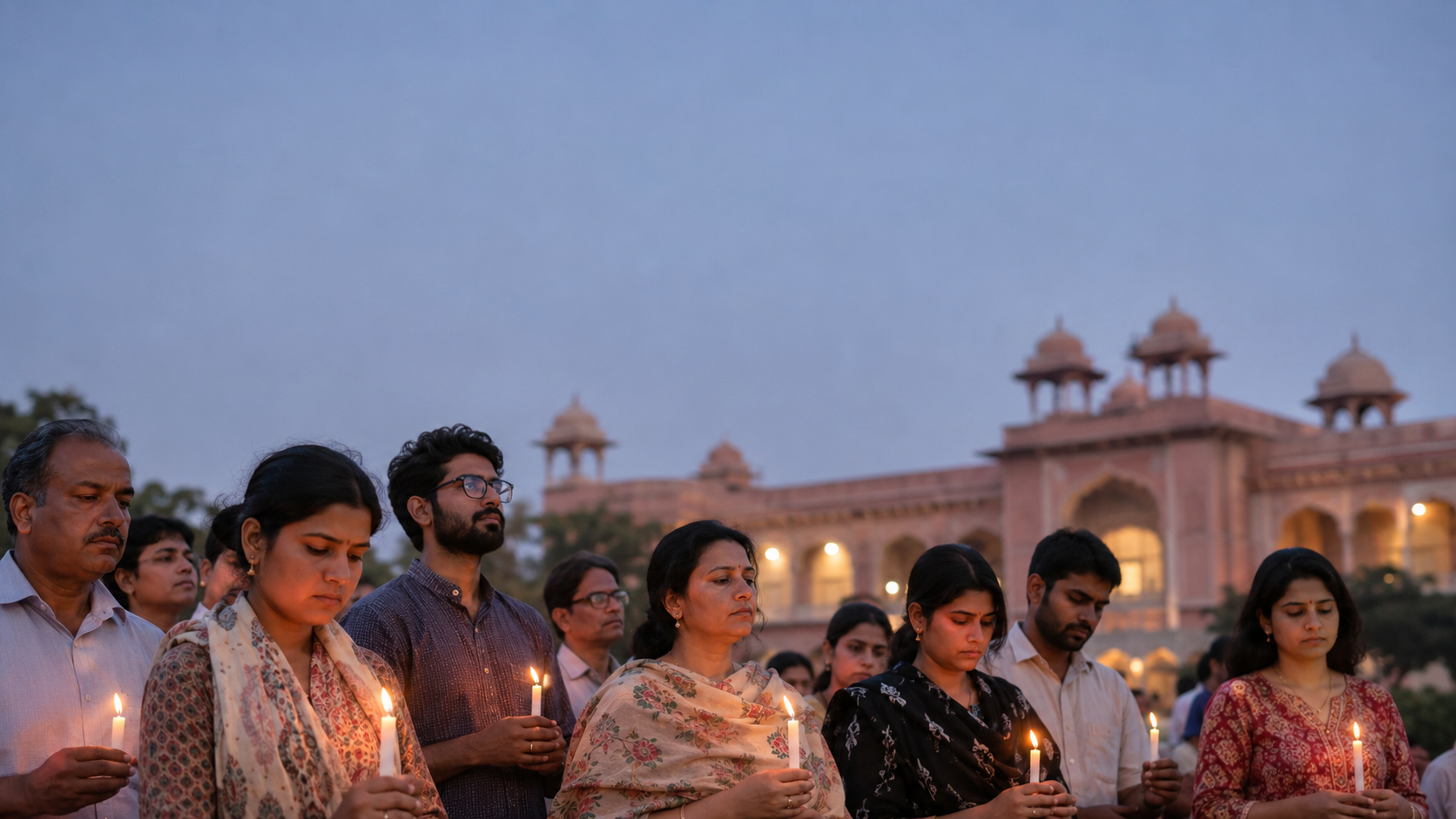
If you saw the candle-march slogans and are trying to understand what happened to Mayank Gopaliya, start by separating three things: the reported facts of the attack, the allegations still to be tested, and the remedies protesters are demanding. Blurring those categories may intensify anger, but it does not strengthen the pursuit of justice.
The essential facts are grave enough without embellishment. Mayank died after a violent assault in Jaipur, police reportedly arrested several accused, and protesters are now seeking both severe action against the principal accused and substantial support for Mayank’s family. You can support that cause most effectively by being exact about what is known and equally exact about what remains unresolved.
The reported chronology of the fatal attack
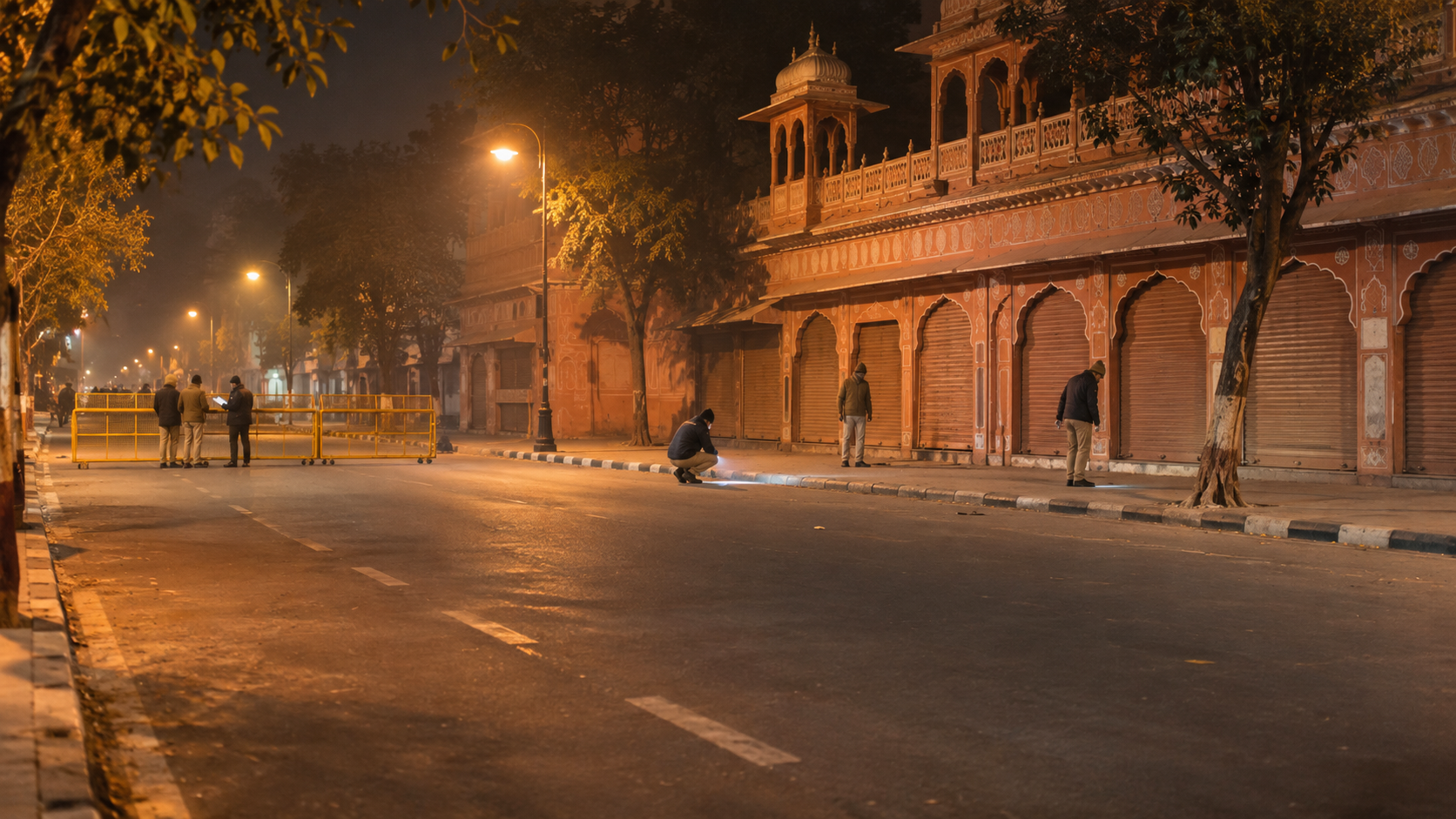
Mayank Gopaliya owned Oven The Bakery Cafe in Vaishali Nagar, Jaipur. On November 5, he was reportedly ambushed with sticks and rods while returning home after closing the cafe. The blows caused severe injuries, particularly to his head.
Mayank remained in hospital for 11 days and died during treatment on November 16. CCTV footage reportedly captured the assault. That recording could be important evidence, but short clips circulated online should not be treated as a complete account of everything that led to the attack or of every participant’s role.
The dispute has been described as involving a female employee and a man who frequently visited the cafe. That remains a reported background to the confrontation, not a judicial finding about motive. Mayank’s Hindu identity and the religious identities attributed to accused persons do not, by themselves, prove that religious hostility caused the attack.
Police reportedly arrested Mohammad Shahrukh, Mohammad Rashid alias Altamash, and others in connection with the assault. Arrest is a significant investigative step; it is not a conviction. Until the roles of the accused are established through the legal process, describe them as accused rather than as proven perpetrators.
What protesters are demanding in Jaipur
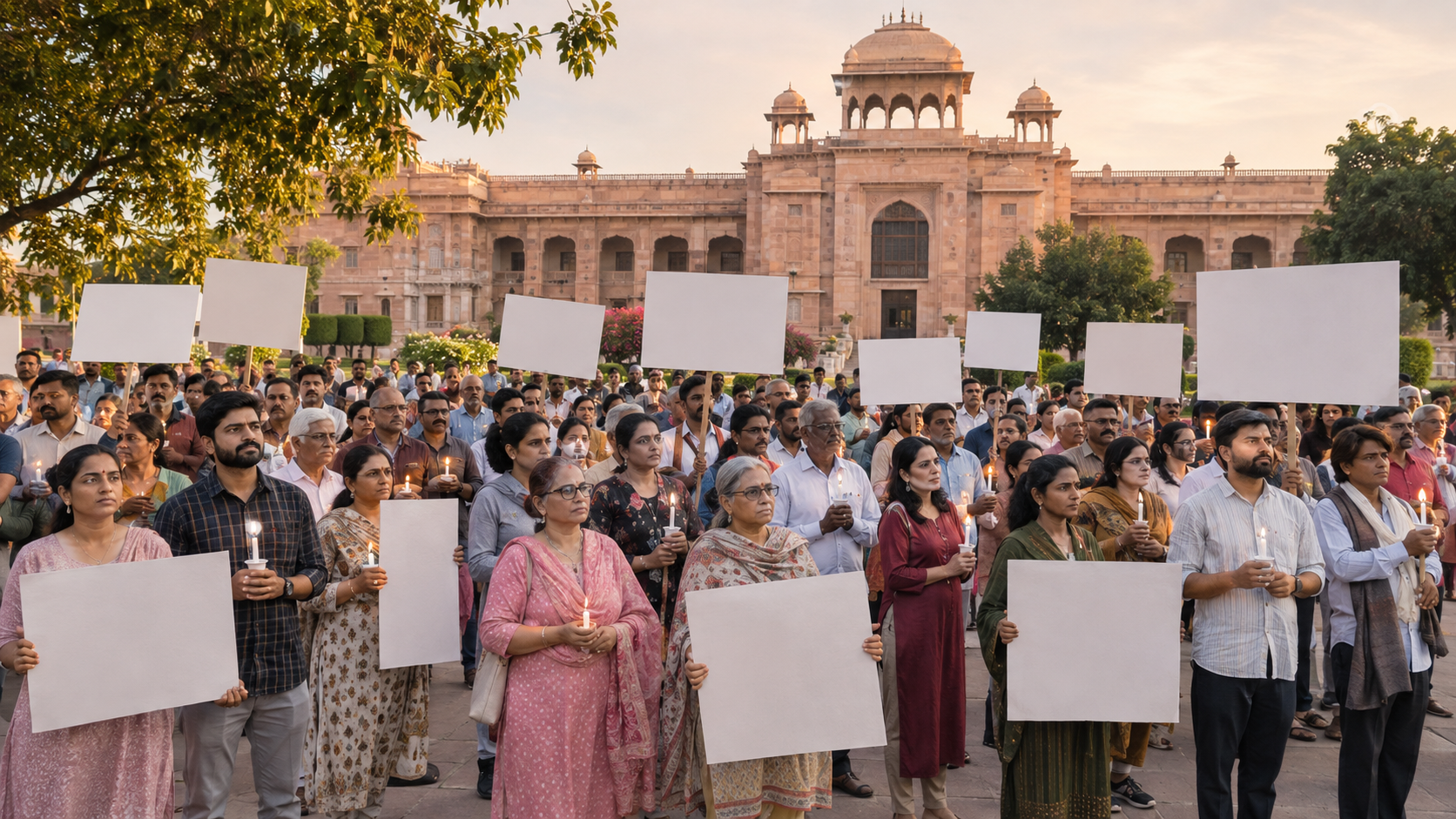
On November 24, members of the public joined a candle march toward Shaheed Smarak. Their two most prominent demands were bulldozer action against Shahrukh, described as action on the lines associated with Uttar Pradesh, and Rs 1 crore in compensation for Mayank’s family.
These demands need to be stated accurately. The Rs 1 crore figure is a demand from protesters, not a reported compensation award. Likewise, the call for bulldozer action is a demand for punitive property action, not evidence that an authority has issued a demolition order or established a property violation.
Compensation and criminal accountability also answer different needs. Compensation can provide material security to a bereaved family, but it cannot determine guilt or replace prosecution. Arrest and prosecution address alleged criminal responsibility, but they do not automatically meet the family’s financial needs. A serious campaign can pursue both while keeping the two processes distinct.
The same distinction matters for demolition. If a property is unlawful, action should follow a proved violation and valid procedure. Property action should not become a substitute for establishing responsibility for Mayank’s death. Before supporting a demolition demand, ask which property is involved, who legally owns it, what violation is alleged, and what process authorises the proposed action. Those questions protect relatives, co-owners, tenants, and other people who may not be accused of any offence.
Keep reported facts, allegations and decisions separate

A dharmic response holds truth and justice together. Anger at a brutal death is understandable, but anger cannot turn an allegation into a verdict or one accused person’s identity into collective guilt. Satya requires us to resist convenient additions even when they appear to support our side.
| Category | What belongs in it | How to describe it |
|---|---|---|
| Reported facts | The November 5 assault, 11 days in hospital, Mayank’s death on November 16, CCTV footage, and reported arrests | State these with dates and attribution links |
| Allegations | The role of each accused and the reported dispute behind the attack | Use “accused,” “alleged,” and “reportedly” until adjudicated |
| Protest demands | Bulldozer action and Rs 1 crore for Mayank’s family | Call them demands, not government decisions |
| Unresolved outcomes | Final guilt, motive, compensation approval, and any lawful property action | Do not announce an outcome that has not been established |
This discipline does not weaken advocacy. It prevents avoidable errors from becoming distractions. If a false detail spreads under Mayank’s name, officials and critics can use that error to divert attention from the documented violence, the investigation, and the needs of his family.
It also keeps the campaign focused on individual responsibility. Naming entire religious communities as responsible for the alleged acts of particular accused persons is neither evidence nor justice. Demand a complete investigation into every participant and every provable motive, but do not assign guilt to people who had no role in the attack.
How supporters can pursue justice constructively
- Share the verified chronology. Use the dates, location, hospitalisation period, reported arrests, and protest demands. Do not add an unverified motive, invented quotation, or unsupported number.
- Ask for official case transparency. Seek clear updates about the people arrested, the alleged role of each person, the offences invoked, the investigation’s progress, and subsequent court milestones. Refer to formal police or court records when they become available.
- Preserve evidence instead of repackaging it. Anyone holding original video, photographs, messages, or direct witness information should retain the original material and provide it to the investigating authorities or an appropriate lawyer. Editing evidence for social-media circulation can strip away context and complicate verification.
- Make the compensation demand measurable. Ask the relevant authorities whether the Rs 1 crore request has been received, which authority can decide it, whether interim relief is available, and when a decision will be communicated. Do not present requested relief as approved relief.
- Verify any private fundraising. Confirm that a collection is authorised by Mayank’s family and that payment details belong to the stated beneficiary before sending or forwarding money. The public demand for government compensation does not authenticate a private fundraiser.
- Apply the same due-process standard to property action. If you support action against an unlawful structure, demand documentation of the violation, ownership, notice, and legal authority. The standard should be one you would consider fair if a Hindu family, tenant, or co-owner faced the same action.
- Keep public pressure peaceful and specific. Candle marches, written representations, petitions, and requests for official updates keep attention on the case. Threats, doxxing, retaliatory violence, and collective blame create new victims and give the justice campaign an avoidable legal and moral burden.
The strongest demand is not simply “do something.” It identifies the responsible authority, the requested action, the evidence or legal basis, and a date by which the public expects an answer. That structure turns outrage into accountable civic pressure.
Key takeaways
- Mayank Gopaliya was reportedly assaulted with sticks and rods in Jaipur on November 5, suffered severe head injuries, and died on November 16 after 11 days in hospital.
- Police reportedly arrested Mohammad Shahrukh, Mohammad Rashid alias Altamash, and others; their individual responsibility remains to be determined through the legal process.
- A November 24 candle march toward Shaheed Smarak demanded bulldozer action against Shahrukh and Rs 1 crore for Mayank’s family.
- Neither compensation approval nor a demolition decision is established by the reported facts. Both must be described as protest demands unless authorities announce otherwise.
- A credible justice campaign should press for a complete investigation, transparent legal progress, verified family support, and action against proven offenders without collective blame.
If you speak or post about Mayank’s case, use four labels carefully: reported, alleged, demanded, and decided. Keep asking who is responsible for the next official step, what evidence supports it, and when the public will receive an answer. That is how you honour the victim while protecting the integrity of the demand for justice.
References

Leave a Reply
You must be logged in to post a comment.