
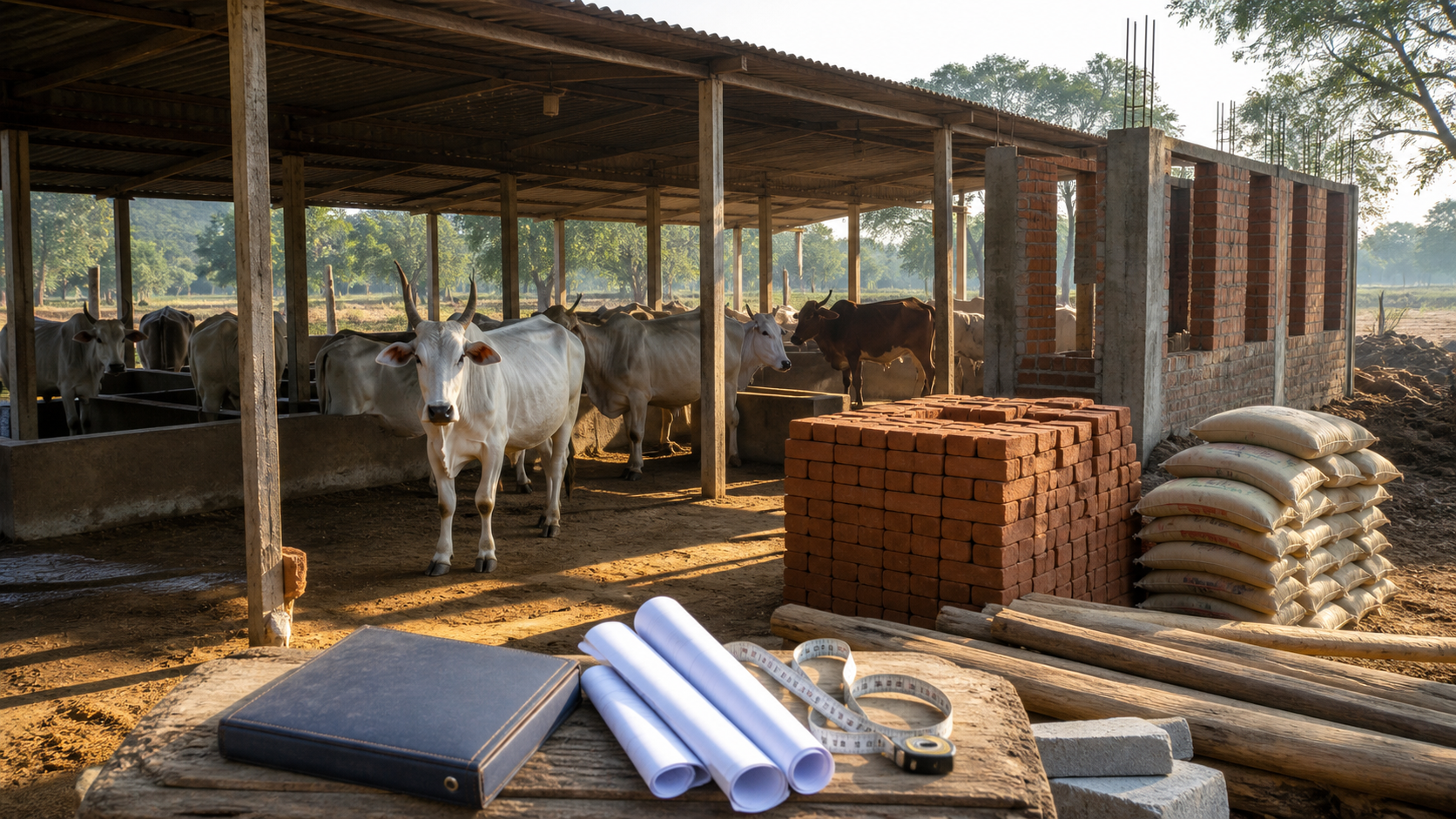
If you have heard the Kanasageri government goshala described as a proven corruption case, pause at one word: proven. Serious allegations have been raised, but an allegation is not an audit finding, a judicial conclusion, or proof of an official’s guilt. You do not have to choose between ignoring the matter and declaring a verdict before the records are examined.
The responsible position is firmer than either extreme. Demand the construction file, a genuinely independent review, dated milestones, fair hearings for those accused, and public findings wherever the law permits. That approach protects public money, animal welfare, and the credibility of the demand for justice.
Start with the line between an allegation and a finding
The Hindu Rashtra Samanvay Samiti has publicly sought prompt action over alleged construction irregularities said to involve lakhs of rupees at the Kanasageri government goshala. Concerns have also been raised about administrative laxity and delay in taking legal action against officials reportedly connected with the matter.
Those are serious claims. They justify scrutiny; they do not complete it. Keep four different propositions separate when you discuss the case:
- A complaint exists: concerns have been raised publicly about the goshala’s construction and the official response.
- The allegations require examination: the claimed value and public character of the project make delay a legitimate governance concern.
- Culpability has not been established merely by repetition: no individual should be treated as guilty solely because an organisation or campaign has named a concern.
- A defensible conclusion requires records: investigators must connect each disputed payment, quantity, specification, certification, or approval to documentary and physical evidence.
This distinction is not a concession to corruption. It is how an anti-corruption demand remains credible. The word alleged should stay attached to the claim until a competent inquiry establishes what happened, who was responsible, and which rule or duty was breached.
The project records that can turn suspicion into a finding

A useful accountability campaign asks for a document trail, not merely a stronger denunciation. For a public construction project, the central question is whether the work authorised, the work recorded, the work visible on the ground, and the money paid can be reconciled.
Ask for an indexed project file containing, where applicable, the following record groups:
- Sanction and approved estimate: the authorised purpose, scope, specifications, quantities, and cost ceiling.
- Tender and bid records: the notice, eligibility requirements, bids received, comparative evaluation, selection decision, and recorded reasons for any exception.
- Contract and bill of quantities: the rates, materials, dimensions, deliverables, completion conditions, and responsibilities accepted by the contractor.
- Change approvals: any revised quantity, substituted material, additional work, cost increase, or extension, together with the authority that approved it.
- Measurement and billing records: the work certified at each stage, the corresponding running or final bill, deductions, and the officials who checked and approved payment.
- Payment records: the amount released against each bill, payment date, recipient, authorisation, and any withheld or recovered amount.
- Inspection and completion records: quality checks, site observations, defect notices, photographs where maintained, completion certification, and action taken on deficiencies.
- Complaint and inquiry records: the allegations received, offices to which they were forwarded, audit or departmental objections, responses submitted, and current status.
Once these records are assembled, compare them across six questions: Was the sanctioned work contracted? Was the contracted work measured? Was the measured work actually built? Did its quality meet the specification? Did the amount paid match the work properly certified? Were changes approved before they became liabilities?
A discrepancy is a lead, not automatically proof of fraud. A missing signature may indicate weak administration; a revised quantity may have a valid approval elsewhere; a payment may have been corrected later. Investigators must seek the explanation, test it against the complete record, and state why they accepted or rejected it. Conversely, a tidy payment voucher cannot answer for work that was never delivered or did not meet the agreed specification. Paper review and physical verification belong together.
A time-bound inquiry needs milestones, not a slogan
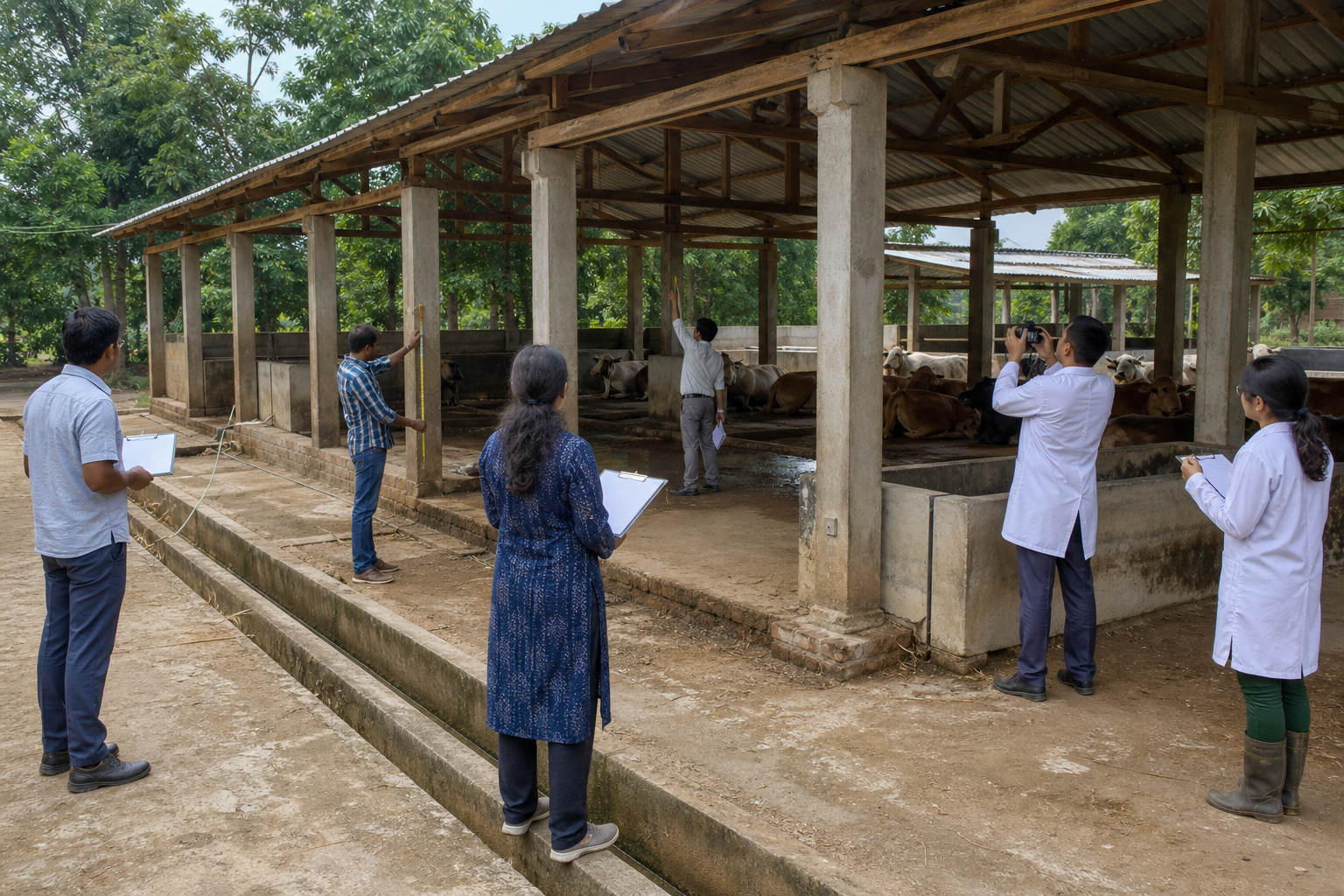
Calling an inquiry time-bound means little unless citizens can tell what must happen next, who owns the task, and when an explanation is due. A credible inquiry framework should contain these elements:
- Define the scope. State whether the review covers tendering, construction quantities, quality, payment certification, inspection, administrative delay, or all of them. An undefined inquiry can quietly avoid the hardest allegation.
- Preserve and inventory the records. Identify the custodian of each file, obtain certified copies or secure originals, note missing items, and record who had access. This reduces the risk of later disputes over an incomplete file.
- Address conflicts of interest. The person reviewing a decision should not simply validate a process in which that person participated. Any unavoidable institutional connection should be disclosed and managed.
- Create an allegation matrix. List every claim separately, the evidence needed to test it, the records obtained, the response of the person concerned, and the eventual finding. This prevents a general conclusion from concealing unanswered claims.
- Give notice and a fair opportunity to respond. Officials, contractors, and other affected parties should know the specific conduct questioned and see the material they are expected to answer, subject to lawful restrictions.
- Fix dated milestones. The order should identify the inquiry owner, the deadline for collecting records, the response stage, the final decision date, and the office responsible for explaining any extension.
- Issue reasoned findings. Each major allegation should be classified as established, partly established, not established, or unresolved because evidence is missing. The conclusion should identify the records and reasoning supporting it.
- Publish the follow-through. To the extent permitted by law, citizens should be told whether the matter resulted in corrective construction, recovery proceedings, disciplinary action, a criminal referral, procedural reform, or closure with reasons.
Due process is not an excuse for indefinite delay. It is a disciplined sequence that makes the eventual decision harder to manipulate and easier to trust. It protects the public when wrongdoing occurred, and it protects individuals when an accusation cannot be proved.
What citizens and dharmic organisations can do now
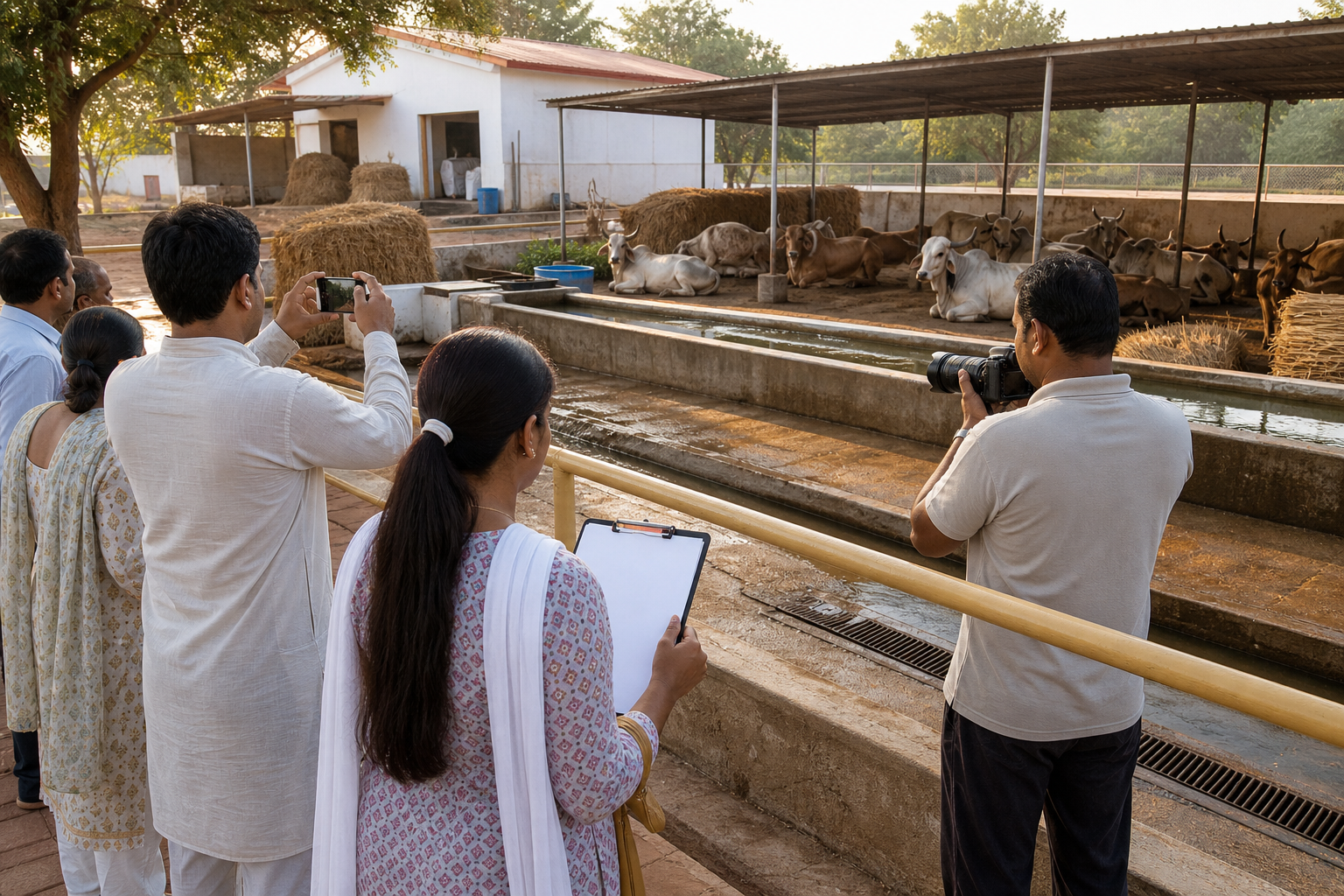
If you want movement on the Kanasageri matter, make each representation narrow enough to require a checkable answer. A broad demand for justice can receive a broad assurance. A request for the name of the inquiry authority, the present stage, the next dated milestone, and the project-file index is much harder to answer vaguely.
Send a record-centred request
A workable request can ask the competent department to provide the sanctioned project scope, tender and contract details, approved changes, measurement and payment records, inspection or completion documents, complaint status, name or designation of the reviewing authority, and the expected date of a reasoned decision. Ask for each item separately so an incomplete reply remains visible.
Use the appropriate public-record, grievance, departmental, or representative channel for the jurisdiction. Keep the acknowledgement, submission date, reference number, reply, and any appeal or escalation together. If several organisations are participating, maintain one shared chronology rather than circulating conflicting versions of events.
Publish a tracker that distinguishes status from proof
A simple public tracker can list the request made, office contacted, acknowledgement received, promised action, next milestone, documents released, and outstanding questions. Label every entry accurately. A complaint, an audit objection, a departmental reply, and a final finding are different kinds of information and should never be presented as interchangeable.
Protect daily animal care while scrutiny proceeds
The animals cannot wait for the inquiry to finish. Do not make interruption of essential care the price of financial control. Ask the administration to separate ongoing care expenditure from disputed construction payments, document new approvals carefully, and maintain uninterrupted responsibility for the animals. Accountability should protect the goshala’s purpose, not paralyse it.
Use legally and morally precise language
Say that irregularities have been alleged, that records are being sought, or that a stated question remains unanswered. Do not publicly declare an identifiable person corrupt unless a competent process has established the relevant facts. Premature accusations can unfairly damage reputations, weaken the campaign’s credibility, and create legal risk. If you intend to publish leaked material, personal information, or direct accusations, obtain advice from a qualified local lawyer first.
Whistleblower safety requires the same care. Preserve original material and its context, avoid exposing a person’s identity unnecessarily, and submit sensitive evidence through an appropriate competent channel. A dramatic disclosure that endangers the informant or breaks the chain of evidence may make accountability harder, not easier.
Why a goshala demands a higher standard of stewardship

A government goshala joins public administration to a place associated with care, reverence, and service. That symbolism must not become a shield against scrutiny. It should make accurate accounts, sound construction, humane operations, and honest supervision more important.
Across Dharmic traditions, compassion, non-injury, service, restraint, and ethical conduct receive different expressions and emphases. None requires citizens to confuse devotion with institutional trust. Money assigned to animal welfare is held for a purpose. If it is misused, both the public and the animals bear the cost. If an accusation is unfounded, fairness requires that the person accused be cleared through a credible process rather than left under permanent suspicion.
The dharmic response therefore has two inseparable parts: refuse indifference to a credible allegation, and refuse injustice in the pursuit of accountability. Transparent records, independent examination, a fair hearing, and a reasoned finding serve both duties.
Key takeaways
- The Kanasageri construction allegations are serious enough to require prompt scrutiny, but they remain allegations until evidence is tested and findings are issued.
- The decisive comparison is between the sanctioned scope, contract, measured work, physical work, inspection record, and payments made.
- A time-bound inquiry should name its scope, responsible authority, record-collection stage, response process, completion date, and publication plan.
- Citizen requests should seek specific records and dated status information rather than only demanding action in general terms.
- Daily animal care should continue under documented controls while disputed construction matters are examined.
- Precise language protects due process, reduces legal risk, and makes the eventual accountability finding more credible.
Your most useful next step is a one-page, itemised request for the project-file index, the identity of the inquiry authority, and the next dated milestone. Keep the reply on a public chronology, follow the missing records, and publish only what the evidence can support. That is how concern for Kanasageri becomes disciplined civic action.
References
