
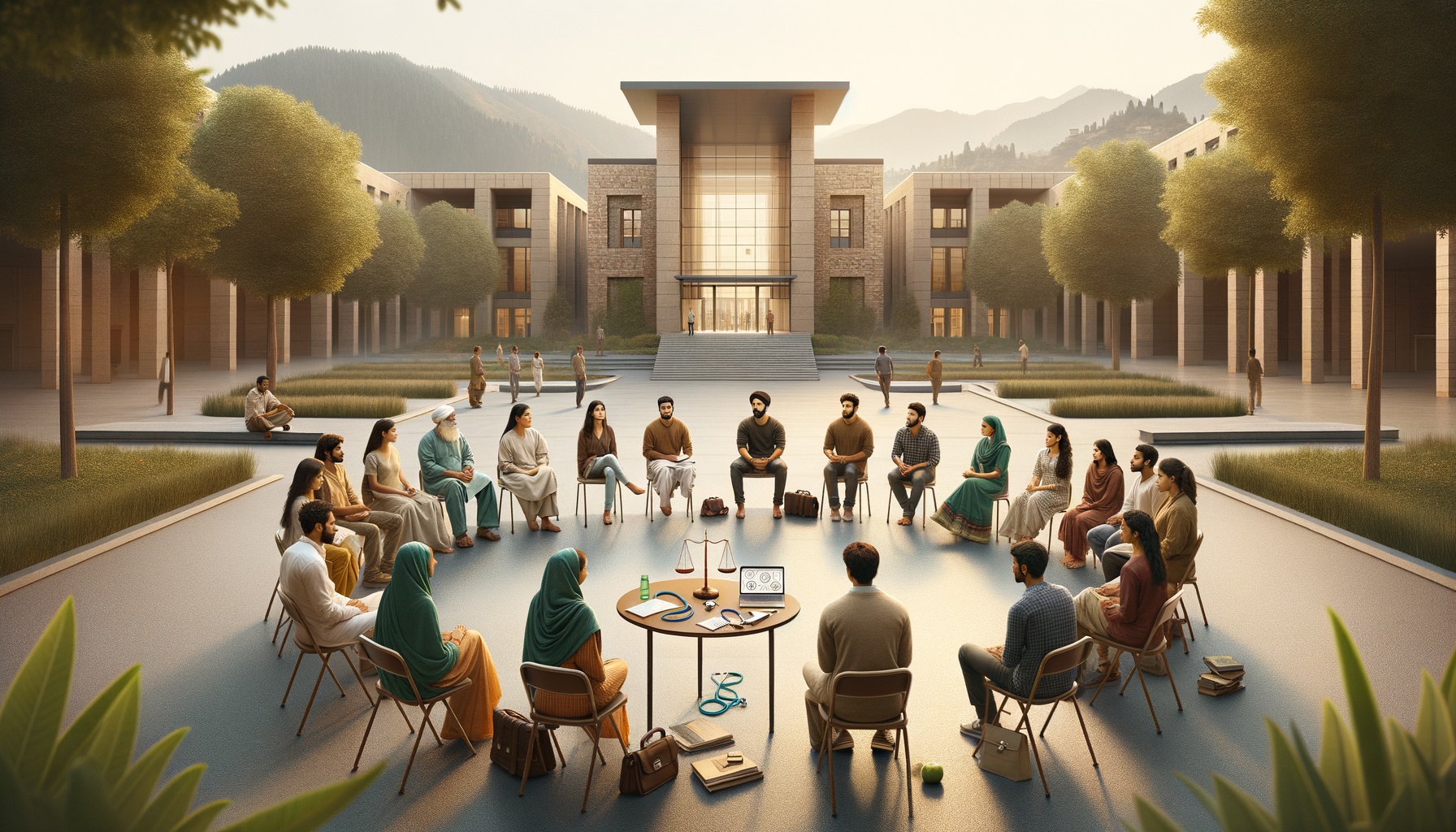
Tensions were reported in Jammu following demonstrations linked to admissions at the Shri Mata Vaishno Devi Institute of Medical Excellence (SMVDIME). The incident drew attention due to competing narratives around fairness in medical college admissions and the imperative to preserve campus harmony. Authorities maintained a watchful presence, while community leaders and education stakeholders called for calm and a lawful path forward.
Accounts circulating in Jammu suggested that some organizations expressed objections to recent intake patterns and, in that context, floated exclusionary demands that risked targeting a specific community. Civic interlocutors, students, and parents emphatically emphasized constitutional equality, reiterating that redressif requiredmust be grounded in transparent procedures rather than community-based exclusions. The core priority identified by many stakeholders was clear: protect every student’s dignity, safety, and right to education.
Given the sensitivity of the situation, constructive proposals centered on an institutional review of admissions, transparent publication of criteria, and accessible grievance redressal at SMVDIME. These measures align with best practices in higher education across India and support the integrity of the admissions process without inflaming communal fault lines. Ensuring clarity on eligibility, waitlists, and counseling protocols can reduce speculation and restore trust.
Calls for interfaith dialogue and community mediation resonated strongly in Jammu’s plural setting. Drawing on shared dharmic valuesahimsa, karuṇā, maitri, and sevaleaders from Hinduism, Buddhism, Jainism, and Sikhism encouraged de-escalation, mutual respect, and fact-based engagement. Such dialogue offers an immediate pathway to defuse tensions while reaffirming the region’s ethos of coexistence.
Public order considerations remained central. Local administration increased its focus on non-violence, student well-being, and campus safety. Educational institutions and civil society groups advocated counseling support, safe transport, and clear communication channels so that studentsirrespective of backgroundfeel secure and heard during periods of heightened anxiety.
Observers in Jammu underscored the importance of responsible information-sharing. Avoiding rumor amplification, verifying claims through official notices, and prioritizing primary documentation are essential to prevent polarization. Media literacy, combined with principled reporting on the SMVDIME admissions controversy, helps the public distinguish between grievance, process, and prejudice.
A practical roadmap emerged from community consultations: independent review of admissions data; a time-bound grievance portal; open briefings by SMVDIME on policy and timelines; and joint statements from faith and community leaders rejecting any form of discrimination. These steps, taken together, can convert unrest into institutional learning and reaffirm Jammu’s commitment to lawful remedies.
Beyond the immediate protests, the episode serves as a reminder that Jammu and Kashmir’s strength lies in building consensus across differences. In safeguarding equal opportunity and campus harmony, stakeholders reinforce both constitutional values and the shared dharmic ideal of unity in diversity. With transparent processes and empathetic dialogue, Jammu can turn a moment of strain into a durable example of inclusive education and social trust.
Inspired by this post on Struggle for Hindu Existence.
