
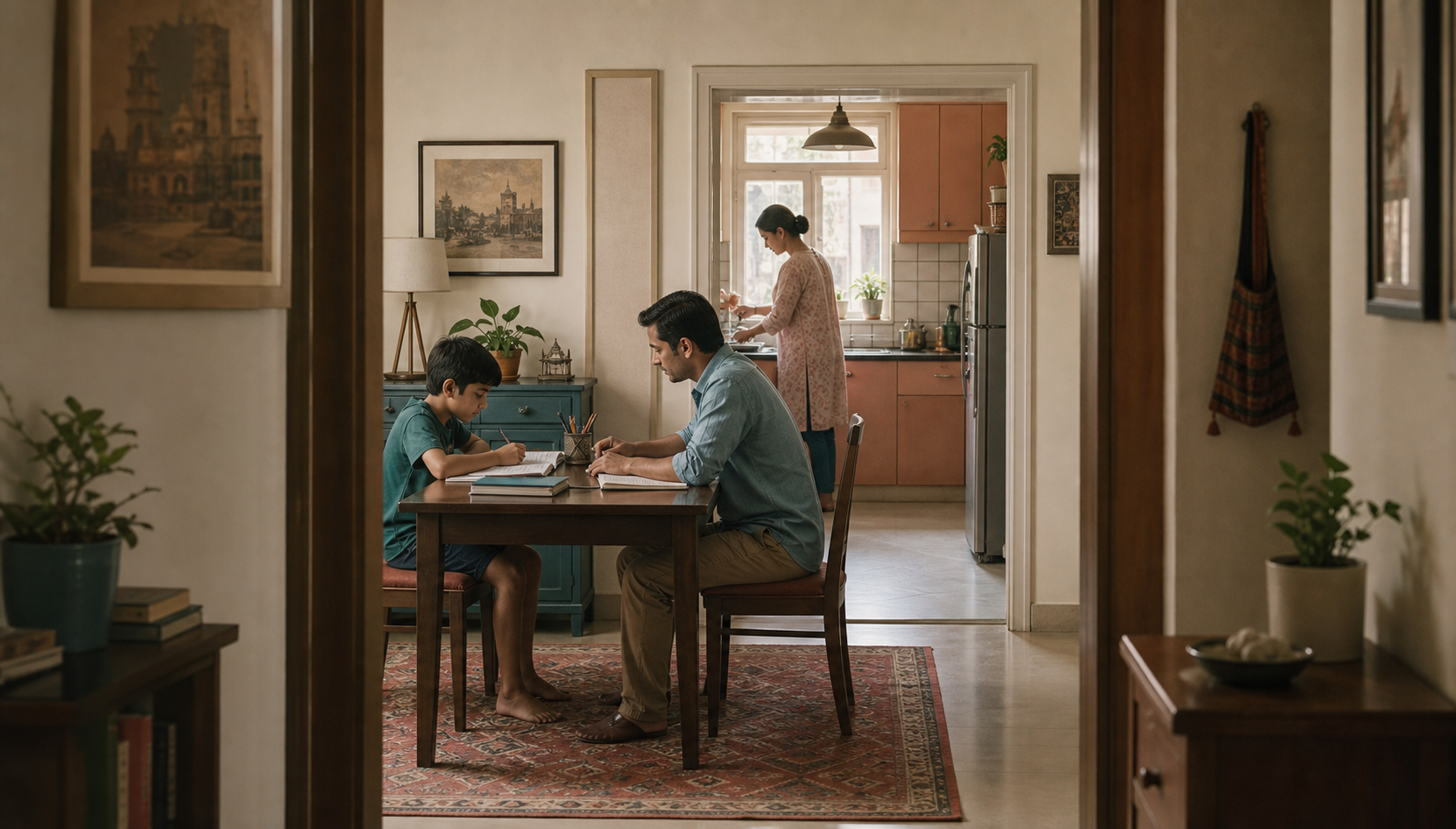
A reported abuse case involving a private tutor in Delhi’s Ashok Vihar area illustrates a wider safeguarding problem: tuition often functions like an extension of school without comparable visibility, procedures or accountability.
The immediate allegations require a lawful investigation, but families and educators need not wait for a verdict to examine the conditions that can leave children vulnerable. The practical question is how private tuition can retain its academic value while replacing informal trust with verifiable safeguards.
What the Ashok Vihar report says—and leaves unresolved
The supplied DharmaRenaissance Blog report states that police arrested 35-year-old private tutor Mohammed Imran after minor female students made allegations of sexual harassment. It reports that three FIRs were filed and that investigators feared additional complainants might emerge.
According to the account, the investigation began after a Class 12 student returned from tuition on June 1, 2026, and disclosed an alleged incident to her parents. The report, referring to FIR No. 200/2026, says the tutor had asked her to attend an individual doubt-clearing session and allegedly groped her when she was alone. It further says that other students subsequently spoke about alleged misconduct.
These details remain reported allegations, not findings of guilt. The suggestion that as many as 20 more victims might exist is also an investigative concern rather than a verified total. Each complaint requires its own evidence, statement and legal assessment; neither public anger nor repetition of an allegation can substitute for that process.
At the same time, uncertainty about the eventual criminal findings should not obscure the safeguarding signal. The reported circumstances—an adult educator, a minor student and an isolated academic session—describe a foreseeable category of risk. Prevention can address that category without prejudging the accused.
Why tuition can fall into a safeguarding gap
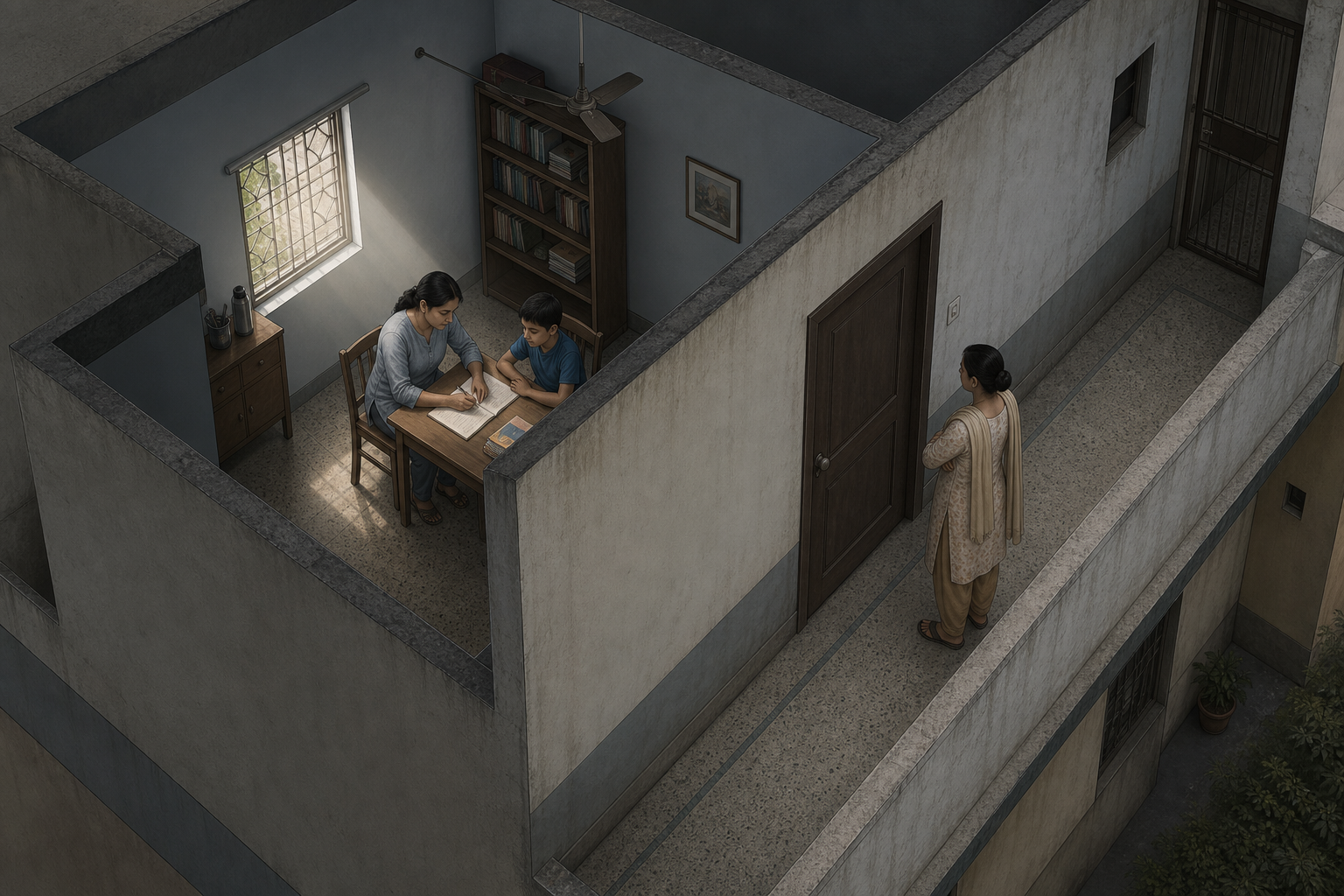
Private tuition occupies an ambiguous place in a child’s educational life. It may be central to daily learning, yet operate from a residence, shop, basement or small commercial room. Parents commonly assess subject knowledge, fees and examination results, while safety arrangements remain unstated because the relationship is built around personal reputation.
That model can combine authority, access and privacy. A tutor can decide when a student should arrive, remain after class or attend a separate session. Requests to clear doubts or receive extra help are academically ordinary, which is precisely why children cannot be expected to identify every unsafe situation in advance. Respect for a teacher may further make it difficult to refuse an instruction or describe conduct that felt confusing or improper.
The central lesson is not that individual tuition is inherently unsafe. It is that safety should not depend on predicting an adult’s character. Visible teaching spaces, reliable attendance information and parental awareness reduce opportunities for misconduct while also protecting responsible tutors from ambiguity or false suspicion.
Key takeaways for families and educators
- Make isolation exceptional. Closed-door, one-to-one sessions with minors should not be routine. Extra help can take place within view of others, with another student present or with a guardian informed and able to enter.
- Keep schedules transparent. Parents should know normal class times, attendance, location and any change involving an early arrival, late departure or separate session.
- Assess the premises as well as the tutor. Academic results do not answer whether entrances and teaching areas are visible, who else has access, or how a child can seek help.
- Give children usable language. Calm, age-appropriate conversations should explain that no teacher or other trusted adult may demand secrecy about touching, use academic authority to override physical boundaries or punish a child for expressing discomfort.
- Share responsibility across institutions. Tutors need written safeguards, parents need open communication, and schools need trusted reporting channels because a student may first disclose an outside incident to a teacher, counsellor or classmate.
Responding without shifting the burden onto the child

Safety education can help children report discomfort, but it must never become an argument that a child should have prevented abuse. Adults control the premises, schedules, supervision and response. A child may remain silent because of fear, shame, uncertainty, academic pressure or concern about not being believed; delayed disclosure does not by itself resolve whether an allegation is true or false.
When a disclosure occurs, the first response can shape everything that follows. The child should be heard calmly, protected from blame and spared repeated informal questioning by multiple adults. Families and responsible institutions should involve the appropriate authorities rather than attempt a public or private adjudication of the allegation themselves.
The supplied report points to the Protection of Children from Sexual Offences Act, 2012, as the relevant child-protection framework. It describes the law as requiring child-sensitive reporting, careful statement-taking, identity protection and efforts to reduce secondary trauma. Those principles matter beyond procedure: justice can be undermined when a child’s identity, alleged experience or family circumstances become material for public spectacle.
Separate FIRs, as reported in the Ashok Vihar matter, also underline that multiple allegations should not be treated as one indistinct narrative. Every complainant deserves an individual record and protection from intimidation, while the accused retains the right to investigation and due process.
Accountability should produce safer systems
A child-protection case can be diverted when attention moves from evidence and safeguards to the accused person’s religious, caste, linguistic or social identity. Collective blame neither proves an allegation nor makes the next tuition room safer. The relevant questions concern conduct, access, supervision, reporting and the institutional response.
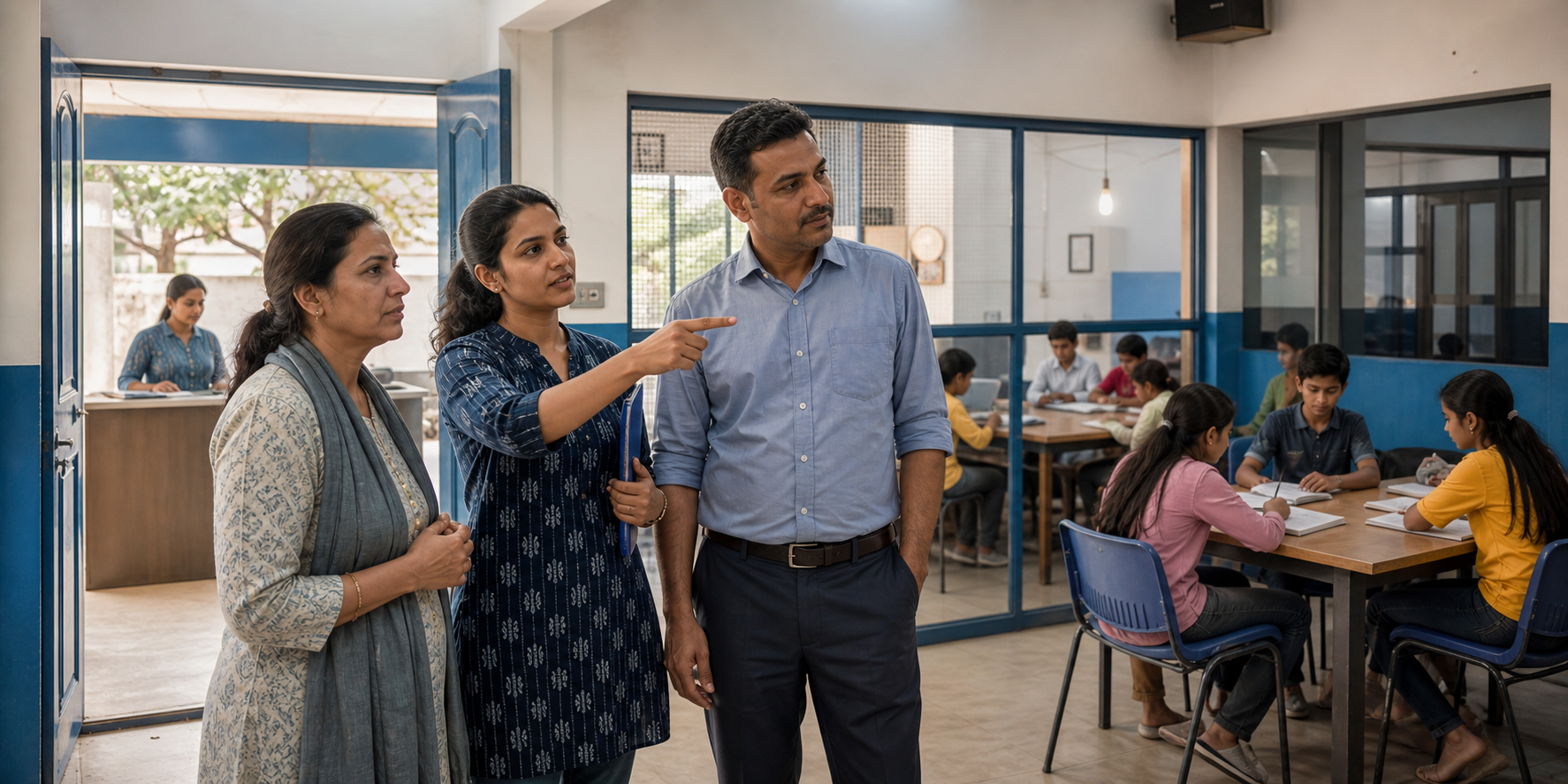
Communities can contribute constructively by treating safeguarding expectations as normal rather than insulting. Tutors should be able to explain their attendance practices, rules for individual sessions, communication with guardians and complaint process. Parents should be able to inspect the setting and ask questions without being told that trust makes precautions unnecessary.
Technology may assist in common areas where its use is lawful and appropriate, but cameras alone are not a complete policy. Visibility, documented routines, informed guardians and accessible reporting channels work together; none removes the need to listen when a child speaks.
The durable response to the Ashok Vihar allegations is therefore a shift from personality-based trust to demonstrable safety. If transparent routines become an ordinary condition of private tuition, honest educators gain clearer protection and children are less dependent on courage after something has already gone wrong.