

If you encountered the Baranagar case through a charged social-media caption, you were probably pushed toward one of two premature conclusions: that Isha Sau was murdered because a man concealed his identity, or that her family’s allegations can be dismissed as communal rhetoric. Neither conclusion has been proved. You can take the allegations seriously without pretending the investigation is finished.
That distinction is not a plea for passivity. It is how you make a demand for justice harder to ignore. The strongest public response separates established events, family allegations and unanswered questions, then insists that police test each claim against evidence.
What the Baranagar case presently allows us to say
Isha Sau was a 24-year-old Wipro employee from Baranagar in North 24 Parganas. During the early hours of October 4, she fell from a five-storey residential building. Residents reportedly came outside after hearing an impact and found her below the building. Baranagar Police took her to Sagar Dutta Medical College and Hospital, where doctors declared her dead.
Her family makes a much more serious accusation about what preceded the fall. They allege that a man with whom Isha had a relationship had presented himself as Hindu while concealing that he was Muslim. They say the discovery of his identity led to distress and conflict. Whether he intentionally made a false representation, what exactly he told Isha, and when she learned otherwise all require proof.
The family further alleges that the man arrived at the residence between 3:30 a.m. and 4:00 a.m. with three or four associates. Isha’s mother reportedly tried to stop them from entering and says she was assaulted and abused. The group allegedly confronted Isha, took her toward the roof and argued with her shortly before she fell. Family members say the men then fled, while motorcycles associated with them remained near the building.
These claims amount to a coherent accusation, but they are not yet a proven reconstruction. The case remains at the investigation stage. Police have been examining whether the fall was a suicide, an accident or the result of criminal action, and no final conclusion about its cause or anyone’s criminal liability has been publicly announced.
This is the line you should hold in conversation and online: Isha’s death is real; her family’s allegations are grave; the decisive sequence on the roof remains unresolved. Calling murder an established fact goes beyond the evidence now public. Treating murder as a possibility that must be thoroughly investigated does not.
Identity deception, confrontation and homicide are separate claims
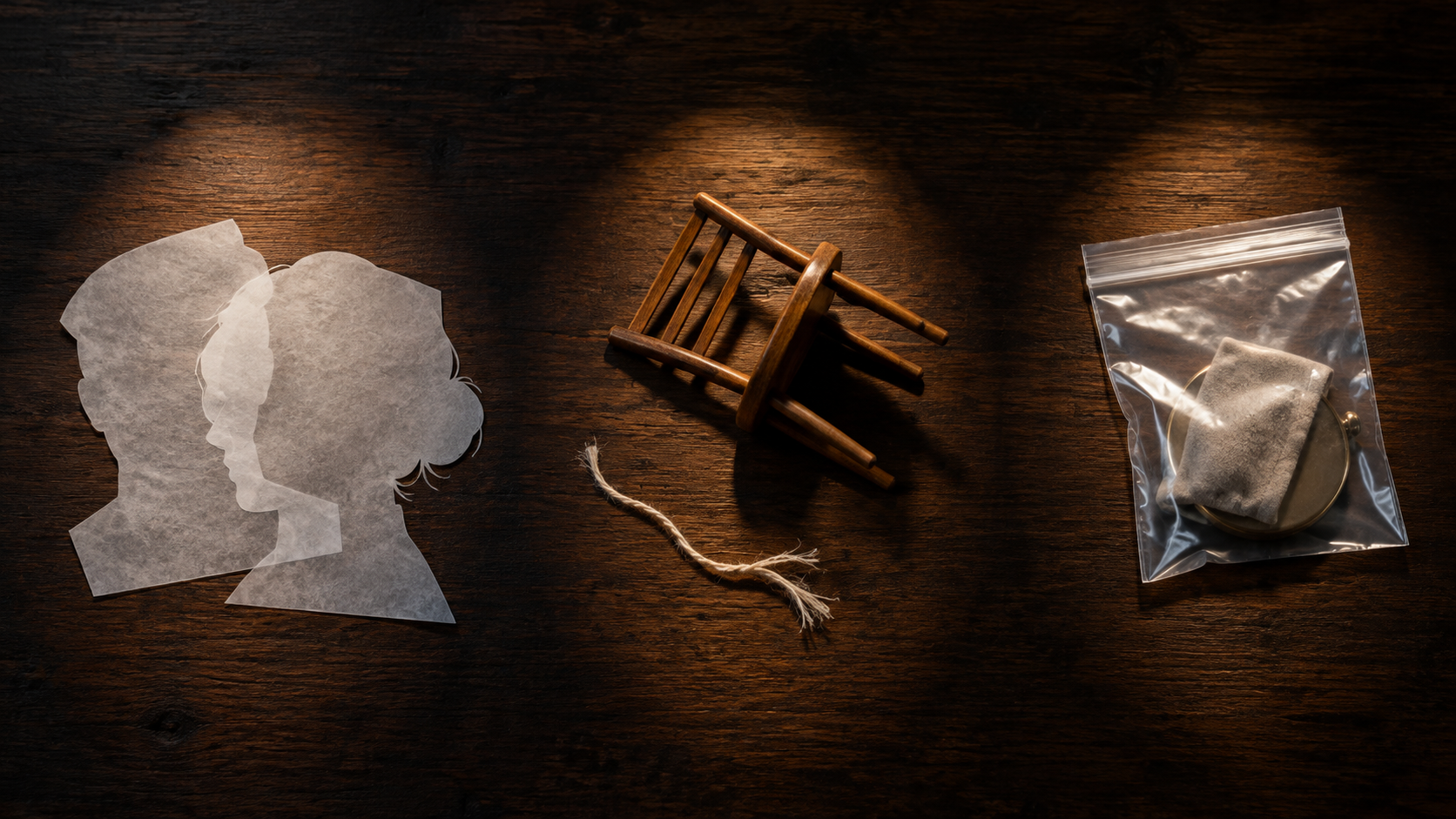
The most common error is to compress every disputed issue into one slogan. An alleged lie about religious identity, an alleged forced entry, an alleged assault and possible responsibility for a death are related questions, but proof of one would not automatically prove all the others.
| Question | Present position | Evidence that could answer it |
|---|---|---|
| Was Isha deceived about the man’s identity? | Her family alleges that he posed as Hindu while concealing a Muslim identity. | Original messages, account histories, introductions to friends or relatives, call material and testimony from people who directly heard his representations. |
| Did he and others enter the building during the stated period? | The family alleges an arrival between 3:30 a.m. and 4:00 a.m. with three or four associates. | Entrance, street, lift and stairwell footage; phone-location and call records lawfully obtained by investigators; vehicle evidence; and independent witnesses. |
| Was Isha’s mother assaulted? | This is a direct allegation by the family. | Her earliest statement, medical or injury documentation if any exists, eyewitness accounts and relevant video. |
| What happened before the fall? | A heated rooftop confrontation is alleged, but the crucial actions remain disputed. | Roof-access footage, accounts from anyone who saw or heard the confrontation, device records and scene findings. |
| Did another person cause Isha to fall? | No final finding has been announced. | A complete police reconstruction combining witness, digital, medical-forensic and physical evidence. |
This separation protects the integrity of the case. Evidence that a false Hindu identity was deliberately used could establish serious personal deception and explain conflict. It would not, by itself, establish how Isha went over the edge. Conversely, an absence of provable identity deception would not settle what occurred on the roof. Each claim must survive examination on its own evidence.
The family’s demand for a murder probe is therefore legitimate as a demand that investigators test the possibility of homicide. A demand for investigation is not the same as a judicial finding. Keeping those ideas separate lets you support the family’s right to answers without assigning guilt before the decisive facts are known.
The evidence that could settle the disputed minutes
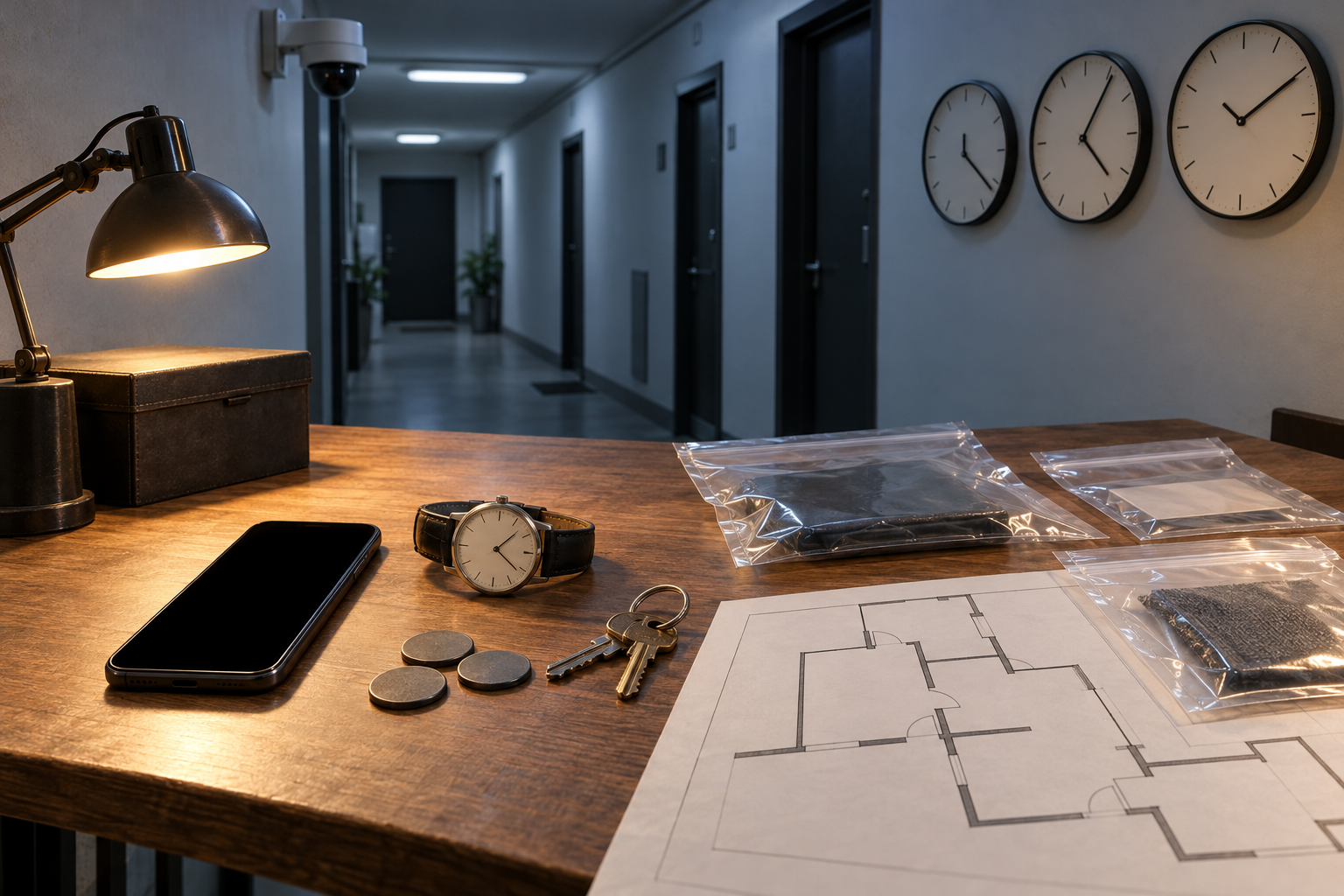
The central question is not whether the case generates outrage. It is whether investigators can reconstruct who entered the building, who went to the roof, what was said or done there, and what immediately preceded the fall. CCTV footage, witness statements, phone records and forensic findings matter because they can corroborate or contradict particular parts of the account.
If you live nearby, were present that night or possess relevant material, preservation is more useful than commentary. Take these steps:
- Keep original video files. Preserve footage from well before and after the alleged 3:30 a.m. to 4:00 a.m. arrival. Entrances, surrounding streets, parking areas, lifts, stairs and roof-access points may establish different parts of the timeline. Do not crop, caption or repeatedly re-encode the only copy.
- Write a first-person account promptly. Record exactly what you saw or heard, where you were standing and how you determined the time. Separate direct observation from information another resident later gave you. Witnesses should prepare independent accounts rather than harmonising memories in a group.
- Preserve phones and conversations. If you hold relevant messages, call logs, photographs or voice notes, retain the original device and make a secure backup. Screenshots can help locate material, but they may omit dates, account information and surrounding context.
- Document objects without disturbing them. Motorcycles were reportedly noticed after the men left. Anyone who recorded the vehicles, number plates or people using them should preserve the unedited material and provide it to investigators. Do not handle or relocate possible evidence.
- Give material to investigators or qualified legal counsel. Posting everything first can expose private information, alert people whose conduct is under examination and make later authentication more difficult. Keep a record of what you submitted, when and to whom.
- Do not stage a confrontation. Approaching people accused in a death can put you in danger and interfere with lawful fact-finding. Supply evidence through formal channels instead.
Residents who only heard the impact may still help establish timing, but they should not be described as eyewitnesses to the rooftop encounter unless they actually observed it. That difference sounds small online and becomes crucial when statements are tested.
Digital material must also answer a precise question. A photograph showing someone near the building is not automatically proof that the person was on the roof. A message showing identity deception is not automatically proof of physical violence. Investigators must connect time, place, conduct and causation rather than allowing one disturbing fact to stand in for the whole sequence.
A Dharmic demand for justice needs both satya and restraint

For a Hindu or wider Dharmic audience, restraint does not mean silence. Satya requires us to name an allegation accurately; nyaya requires us to pursue the truth until responsibility can be assigned lawfully. Anger becomes effective when it is converted into precise, verifiable demands.
- Demand a complete reconstruction, not a preferred verdict. Police should account for the entrance, stairs, roof, vehicles, relevant phones, available CCTV, witness testimony and medical-forensic evidence. Any conclusion should explain how the major pieces fit together.
- Keep identity concealment in evidentiary terms. Ask what identity the man actually presented, through which words or accounts, for how long and with what apparent purpose. Do not infer intentional deception merely from a name, appearance or second-hand claim.
- Describe unproven claims as allegations every time. Repetition does not turn an accusation into a finding. Careful language protects both credibility and the possibility of a fair prosecution if evidence supports one.
- Reject collective blame. If religious identity was deliberately concealed, the alleged deception should be condemned plainly. It still cannot make every Muslim responsible for one man’s alleged conduct. Collective accusation gives critics an excuse to ignore the specific evidence and harms people unconnected to the case.
- Support the family in practical ways. Reliable legal assistance, an organised chronology, preserved records and careful follow-up with investigators are more valuable than speculative viral posts. Respect the family’s privacy where disclosure does not advance the case.
- Correct the record when facts change. If police findings, forensic results or court proceedings establish a detail, incorporate it. If a widely shared claim proves false, retract it clearly rather than allowing it to remain part of the campaign.
It is also important not to let the identity allegation swallow the death investigation. The family’s account makes the alleged concealment relevant because it may explain the relationship conflict. The immediate issue, however, is what happened during the confrontation and whether anyone coerced, threatened, assaulted or physically caused Isha to fall. Motive and context matter, but they cannot replace proof of conduct.
A slogan may attract attention for a day. A disciplined demand tied to cameras, devices, witnesses and forensic findings is harder for authorities to answer with a vague assurance. Ask which evidence has been secured, which parts of the timeline have been corroborated and whether every person allegedly present has been identified and examined.
Key takeaways
- Isha Sau’s death after a fall from a Baranagar building is not in doubt; the cause and any criminal responsibility remain unresolved.
- Her family alleges that a man concealed his Muslim identity by presenting himself as Hindu, but intentional identity deception has not yet been publicly established.
- The family also alleges a pre-dawn entry, an assault on Isha’s mother, a rooftop confrontation and flight from the scene. Each element requires independent corroboration.
- Proof of identity deception would not, on its own, prove homicide. Proof concerning the fall must establish what happened on the roof and how another person’s conduct contributed to the death.
- CCTV, original digital communications, independent witness accounts, phone records and medical-forensic findings are more probative than social-media repetition.
- You can demand an impartial murder investigation while preserving the presumption that guilt must be proved and refusing collective blame.
If you share this case, use language that keeps the central demand intact: Isha Sau’s family alleges identity concealment and a rooftop confrontation before her death, and police must determine through witness, digital, CCTV and forensic evidence whether the fall was suicide, accident or a criminal act. Then revise what you say when verified findings emerge. That is how public attention becomes accountable pressure rather than another cycle of accusation.
References

Leave a Reply
You must be logged in to post a comment.