

If you have seen the plea from Chinmoy Krishna Das’s mother and are wondering what can responsibly be said or done, begin with the narrow human fact: a detained son’s ailing mother is asking Bangladesh’s prime minister for one chance to see him before she dies.
You do not have to settle every legal or political argument surrounding his detention before supporting that request. You do have to keep compassion tied to accuracy. The most useful response is a focused demand for prompt family contact, made without inventing medical details, legal developments, or official decisions that have not been established.
What the mother’s appeal actually establishes
Chinmoy Krishna Das is detained, and his ailing mother has appealed to Bangladesh’s prime minister for an opportunity to see him. Her reported words make the immediate request unmistakable:
Mother of Chinmoy Krishna Das
That plea establishes a humanitarian request for a meeting. It does not, by itself, establish the mother’s diagnosis, a medical prognosis, the precise conditions of detention, or whether any formal visitation application has been accepted or rejected. It also does not supply charges, hearing dates, court orders, or a government response.
This distinction matters whenever you repeat the story. You can accurately say that she is described as ailing and fears she may die without seeing her son. You should not turn that fear into a clinical prediction or claim that authorities have deliberately denied a final meeting unless reliable records later establish those details.
Compassion does not prejudge the detention case

A request for family contact and a judgment about the legality of detention are different questions. Authorities can facilitate a visit, call, or other permitted contact without conceding the merits of any legal dispute. Supporters can press for that contact without pretending that a public campaign replaces judicial process.
Keep three layers separate when you speak:
- Fact: Chinmoy Krishna Das is detained, and his ailing mother has made a public appeal to see him.
- Humanitarian request: The responsible authorities should facilitate prompt family contact and clearly explain the applicable procedure.
- Political or legal position: Any demand concerning release, prosecution, or the legitimacy of detention is a separate argument that needs its own evidence.
If you advocate for his release, identify that plainly as your position. Do not place it in the mother’s mouth or present it as the wording of this particular plea. Preserving the difference makes both the humanitarian request and any wider campaign more credible.
For a Dharmic public, satya and karuna belong together here. Truthfulness governs what we claim; compassion governs what we ask authorities to do. Exaggeration may create a brief surge of anger, but it gives officials and sceptics an easy reason to dismiss a legitimate appeal. Disciplined advocacy is not timidity. It is how moral pressure survives scrutiny.
Unsupported details can weaken a legitimate appeal

The common mistake is to fill every gap with an assumption. A reader sees “ailing mother” and adds an unnamed terminal illness. Someone else sees “detention” and supplies charges, a court decision, mistreatment, or a rejected visit. After enough repetition, speculation begins to look like established fact.
Before sharing a claim, ask whether it belongs to the narrow factual core, comes from an identifiable family or official statement, or is merely an inference. Leave out health diagnoses, supposed deadlines, private conversations, custodial conditions, and allegations of abuse unless they can be traced to reliable evidence. If an image is not clearly identified, do not use it as proof of the mother’s present condition or her son’s treatment.
Avoid collective accusations against Bangladeshis as a people. Accountability should be directed at the officials and institutions responsible for custody, visitation, and public communication. Sweeping hostility shifts attention away from the mother’s request and can make principled advocacy for vulnerable communities easier to dismiss as communal antagonism.
Public advocacy also cannot preserve legal rights, file an application, or meet a court deadline. Anyone directly assisting the family should leave case-specific legal action to qualified Bangladeshi counsel. A public campaign can create visibility and ask for humane treatment; it is not a substitute for representation within the relevant legal system.
A practical way to respond without losing the facts
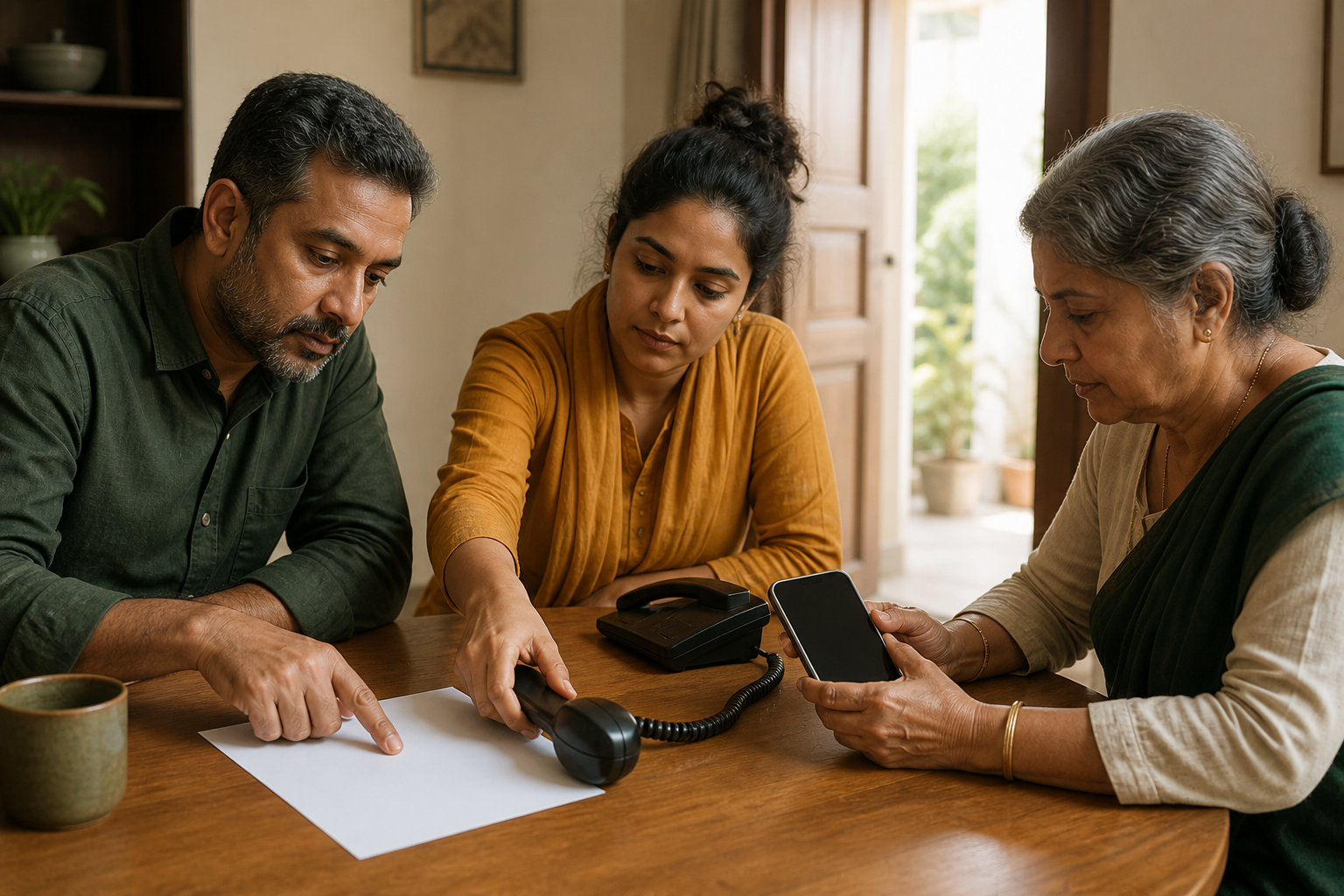
If you want to act rather than merely react, use a sequence that produces a clear request and a record of where it was sent.
- Preserve the factual core. Save the link carrying the mother’s appeal and note when you accessed it. If you later encounter an official response or a statement from an authorised family representative, keep that separately rather than blending the accounts.
- Write one narrow request. Ask the authorities responsible for Chinmoy Krishna Das’s custody to facilitate prompt family contact and to identify the procedure through which the family may request it.
- Choose an accountable recipient. Individuals outside Bangladesh can write respectfully to the relevant Bangladeshi diplomatic mission or ask their elected representative to convey the humanitarian request. Community organisations can send a signed letter and retain the delivery record. Journalists can seek an on-record response from the responsible authorities.
- Protect the family’s dignity. Do not publish private telephone numbers, addresses, medical documents, or unverified photographs. Urgency does not remove the need for consent.
- Correct the record when circumstances change. If a visit occurs, the detention status changes, or an official response appears, update the original message. Do not leave an obsolete appeal circulating as though nothing has changed.
Suggested wording: Chinmoy Krishna Das is detained, and his ailing mother has appealed to Bangladesh’s prime minister for a chance to see him before she dies. We respectfully ask the authorities responsible for his custody to facilitate prompt family contact and explain the applicable visitation procedure. This humanitarian request does not require anyone to prejudge the legal questions surrounding his detention.
That wording is intentionally restrained. It identifies the person, the appeal, the recipient, and the requested action. It does not claim that a court prohibited contact, that officials rejected a completed application, or that a particular medical outcome is certain.
If you represent a temple, cultural association, or rights group, send the request under a named signatory rather than relying only on a hashtag. Ask for acknowledgement of receipt and a response on the visitation process. A dated letter with a specific recipient is easier to follow up than a flood of interchangeable posts.
Key takeaways
- The immediate appeal is for an ailing mother to see her detained son, Chinmoy Krishna Das.
- Supporting prompt family contact does not require a judgment on every legal issue surrounding the detention.
- Do not invent a diagnosis, court ruling, rejected application, allegation of mistreatment, or government response.
- Direct advocacy toward a concrete result: family contact, a clear visitation procedure, and an accountable official reply.
- Keep public pressure separate from legal representation; each serves a different purpose.
If you act today, send one accurate request through an official channel, retain the record, and watch for a verified response. The dignity of this mother’s appeal is best defended by pressure that is compassionate, precise, and ready to be corrected when new facts emerge.
References
