

If you encountered the Kairana allegation through a charged headline or social-media message, you need two things before reacting: a precise account of what is alleged and a clear boundary between accusation and proof. A young woman’s safety deserves seriousness. So do the facts.
That distinction is not timidity. It protects the complainant, preserves the investigation and keeps legitimate Hindu concerns from being weakened by exaggeration. We can demand a thorough inquiry without declaring a man guilty before the evidence has been tested or treating an entire religious community as accused.
What is alleged in the Kairana case
The complainant is an 18-year-old Hindu BA student from Kairana in Uttar Pradesh’s Shamli district. Her father’s complaint alleges that she had become acquainted with the accused, Jacob, roughly a year earlier.
According to the allegation, Jacob took her by car to a hotel on Panipat Road on 16 November 2026 after persuading her to accompany him. He allegedly had her wear a burqa to conceal her identity. Yogi Dr Gautamnath and members of Hindu organisations reportedly intercepted the pair outside the hotel and handed them to police.
The student’s father then accused Jacob of raping his daughter. Police registered a case and sent the accused to jail. Jacob was described as a married Muslim man and the father of three children. These are serious particulars, but they remain part of an allegation under investigation rather than a judicial finding of guilt.
Several important matters remain unresolved in the available facts: what happened inside the hotel, what the young woman told police, whether coercion preceded or occurred during the journey, what communications exist between the two, what identification was presented to the hotel, and what the accused says in response. Nothing presently stated establishes a conviction or a final police finding.
The burqa and hotel details must be examined, not sensationalised
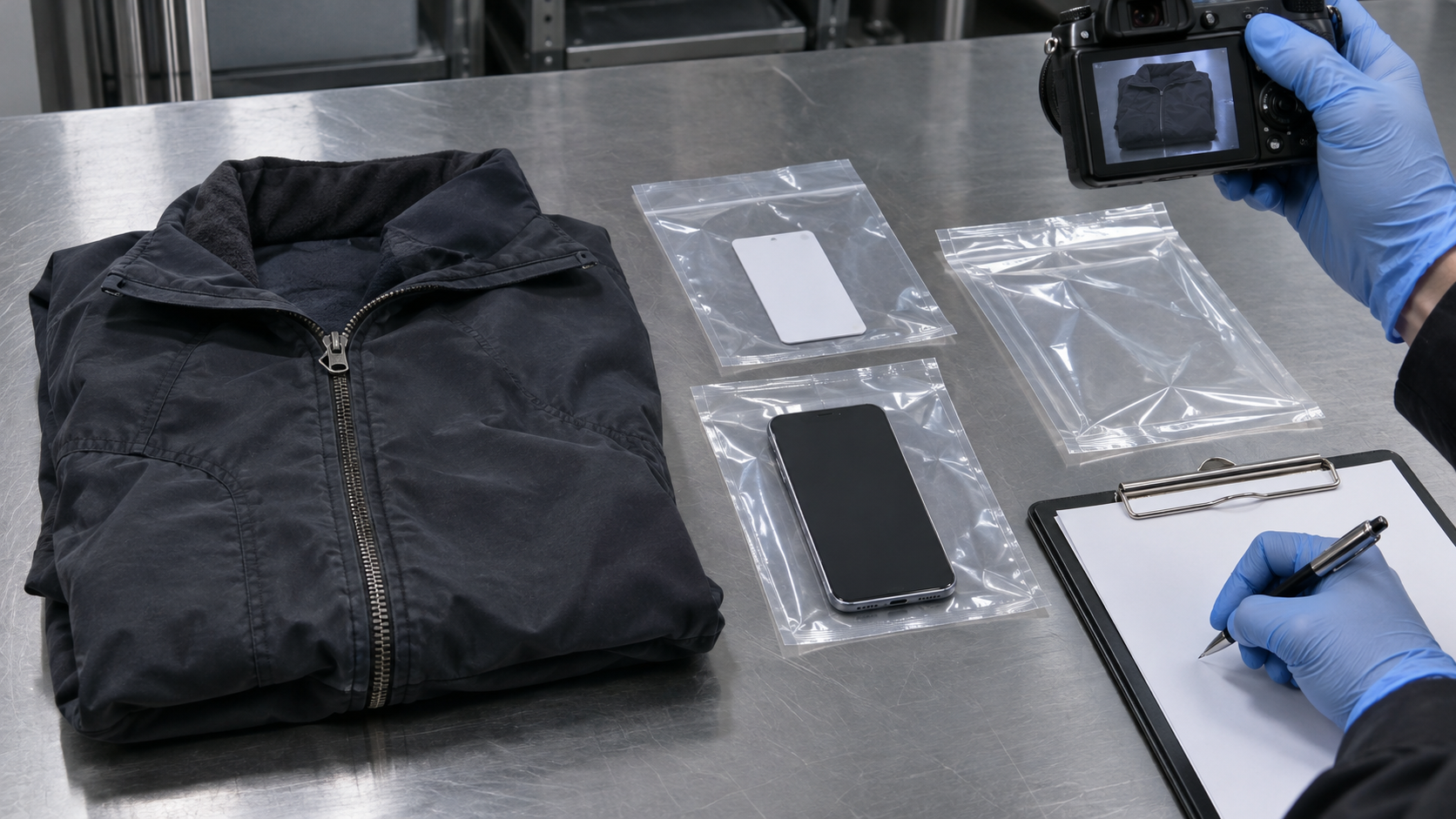
A burqa is not evidence of sexual assault. Its relevance here comes from the specific allegation that it was used to conceal the student’s identity. Investigators therefore need to determine who obtained it, who proposed wearing it, whether the young woman felt free to refuse, and whether messages, witnesses or video corroborate either account.
The hotel raises a separate set of questions. The fact that a room may have been obtained does not by itself prove an offence, but it makes the establishment’s records a legitimate line of inquiry. Police should be able to examine:
- How the room was booked and paid for.
- Which identification documents, if any, were presented.
- Whether the guest register matches the people who arrived.
- What the entrance, reception, parking-area and corridor cameras recorded, if footage exists.
- Which staff members interacted with the pair and what they observed.
- Whether timestamps from the booking, vehicle journey, phone communications and police intervention agree.
The hotel was not named in the father’s written complaint, and police were expected to investigate its role. That makes online guessing especially irresponsible. Naming an unverified establishment can harm uninvolved people and distract investigators from the actual records.
If you possess a relevant message, photograph, booking record or video, preserve the original and give it to police or qualified legal counsel. Do not crop it, annotate it or circulate it through messaging groups first. Public distribution can expose the young woman, generate conflicting versions and make the evidence harder to assess.
Families need an early-warning conversation, not only surveillance
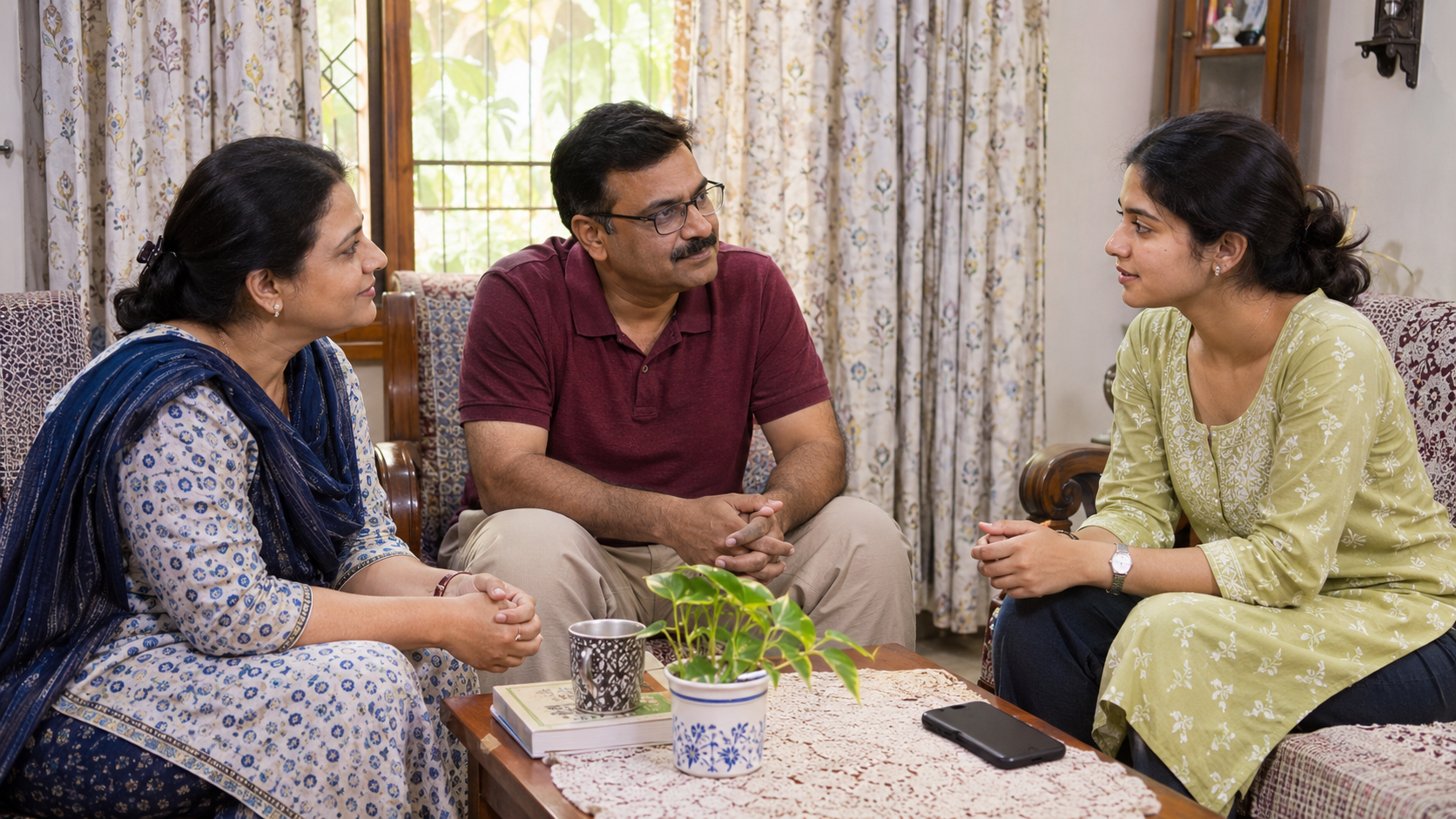
The practical lesson for a Hindu family is not that every interfaith friendship is a conspiracy. It is that deception about identity, marital status or intentions can create danger in any relationship, while secrecy prevents a family from noticing warning signs. The answer begins with a conversation your daughter or son can enter without expecting immediate humiliation.
An 18-year-old is legally an adult, so commands alone have limited protective value. If every difficult disclosure produces anger or threats, the next disclosure may arrive later, after the situation has become more dangerous. Make your first promise concrete: “If you feel trapped or frightened, call us. We will get you to safety before we argue about anything.”
Turn that promise into a simple family safety practice:
- Ask what is independently known about a new partner’s full name, age, marital status, family and ordinary place of residence. Do not treat claims made by the partner as verification.
- Before a private meeting or journey, share the location, expected return time and transport plan with one trusted person.
- Agree on a short code phrase that means “call me now” or “come and get me” without requiring an explanation in front of someone else.
- Keep access to a charged phone, personal identification and enough money or another means to return independently.
- If a person pressures someone to conceal her identity, lie about where she is going, surrender her phone or enter an isolated place, treat that pressure as a safety warning rather than proof of romance.
These precautions are not permission to blame a survivor. Responsibility for coercion or assault lies with the perpetrator. The purpose of a safety plan is to create an earlier route out and make it easier to ask for help.
If someone discloses sexual assault, move first toward safety and appropriate professional help. Listen without conducting your own interrogation, preserve messages and devices, and seek prompt medical care as well as police or legal assistance suited to the person’s circumstances. Do not force the person to repeat the account before a crowd or publish her identity. If danger is immediate, contact emergency services or police rather than organising a private confrontation.
Community vigilance must remain lawful and survivor-centred
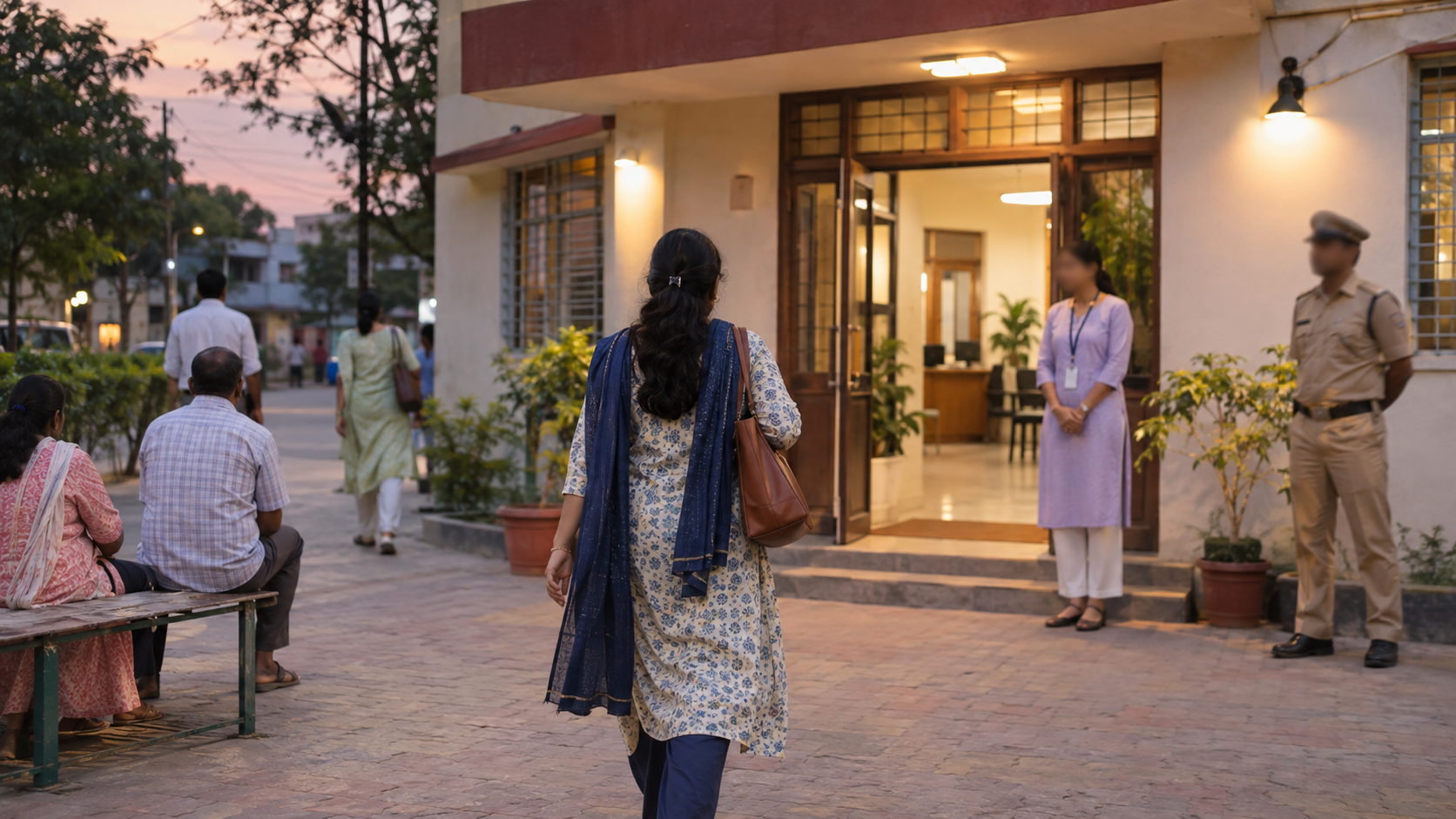
Community intervention reportedly brought the pair to police in this case. That can be useful when it prevents immediate harm and transfers the matter promptly to lawful authorities. It becomes dangerous when intervention turns into assault, public humiliation, forced statements or social-media spectacle.
If a community worker encounters a situation that may involve coercion, the disciplined response is straightforward:
- Check whether anyone needs immediate medical help or a safe place away from the other person.
- Call police and avoid violence, threats or an improvised public interrogation.
- Have one reliable witness note the time, place, vehicle details and sequence of events without embellishment.
- Keep the young woman’s name, image, address, college and family details out of public posts.
- Hand original recordings or documents to investigators rather than releasing edited clips.
- Describe the man as the accused unless and until a court establishes guilt.
The Hindu and Muslim identities in this allegation help explain the communal concern surrounding it, but identity is not a substitute for evidence. A pro-Hindu response should protect a Hindu daughter, insist on institutional accountability and refuse collective blame. That is not a retreat from dharma. It is how concern for protection remains aligned with truth and justice.
Key takeaways
- A father has accused Jacob of raping his 18-year-old daughter after allegedly taking her to a Kairana hotel on 16 November 2026.
- The alleged use of a burqa matters only insofar as evidence may show that it was used to conceal identity or facilitate coercion; the garment itself proves nothing.
- Police action and imprisonment pending the case are not the same as a conviction.
- The hotel records, identification process, available camera footage, communications and timeline are central factual questions.
- Families can reduce risk through verification, check-in plans and a credible promise of help without immediate shaming.
- Community groups should protect the woman, preserve evidence and involve police without violence, doxxing or public adjudication.
Your next useful step is modest but concrete: establish the safety conversation and check-in plan in your own family before a crisis arises. In the Kairana matter, watch for verified police findings and court proceedings, not louder repetition of the initial claim.
References

Leave a Reply
You must be logged in to post a comment.