
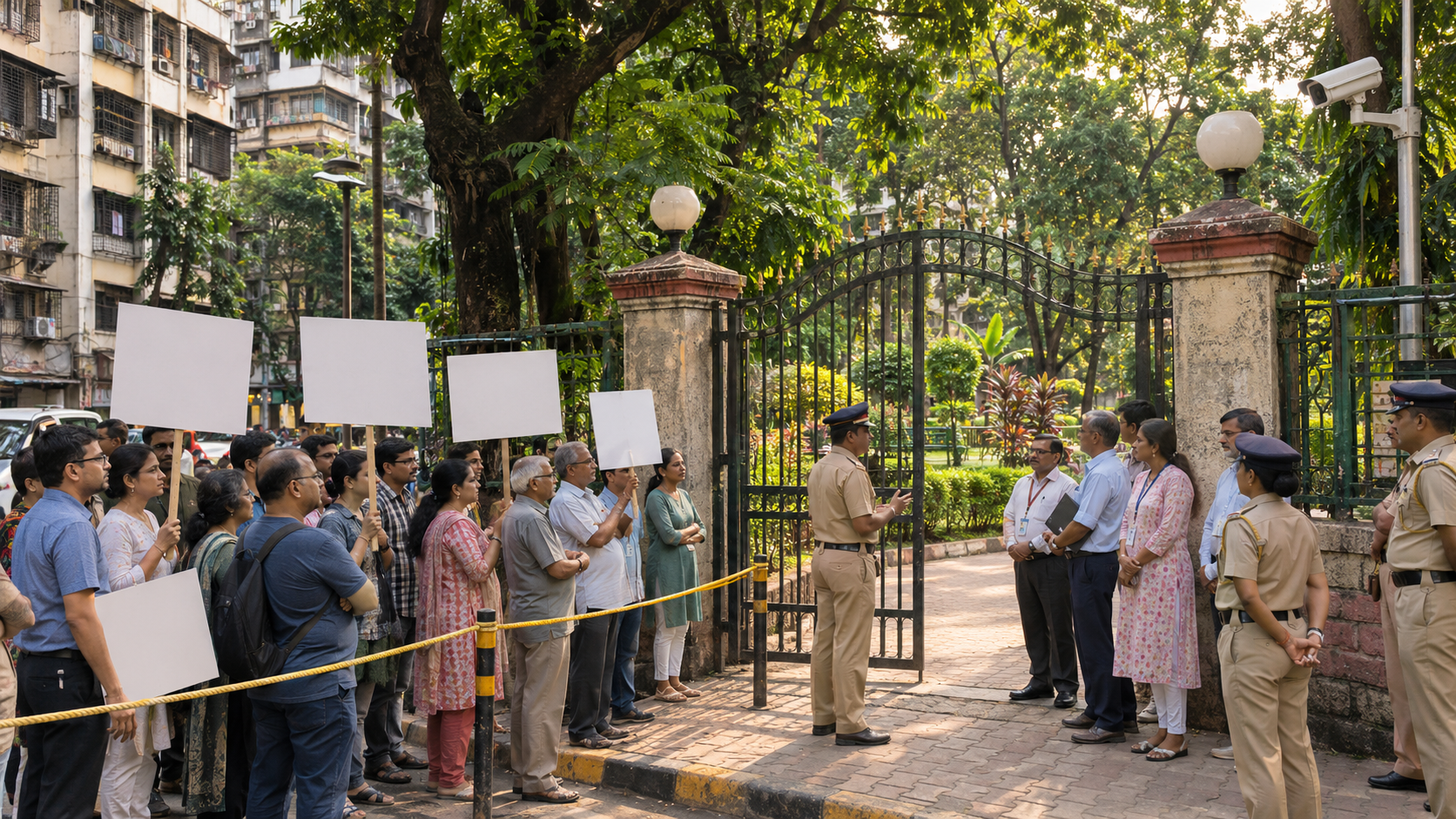
If you are being asked to join, share, or support the Kurla protest, the practical question is not whether public anger is justified. It is whether that anger can be converted into demands that protect the couple, improve safety, and survive factual and legal scrutiny.
A disciplined campaign should pursue justice without declaring guilt before the evidence is tested. It should also insist that security at the municipal garden be treated as a public-safety responsibility, not as a temporary response that disappears when attention moves elsewhere.
Start with what is reported and what remains unproven
Pro-Hindu organisations staged a protest in Kurla after an assault case involving a couple. They demanded stringent action against the accused and greater security at the municipal garden. Former BJP MP Kirit Somaiya also called for an investigation into the possible role of an adjoining madrasa.
Those are three distinct matters: the alleged assault, the security of a public garden, and a request to examine whether a neighbouring institution had any connection to the incident. Combining them into one sweeping accusation would weaken the demand for justice. Proximity is a reason to check relevant evidence; it is not proof of involvement.
No police conclusion or court determination is established by the information available here. When you discuss the case, use the word “accused,” not “attackers” or “criminals.” Describe the madrasa inquiry as something requested, not as a finding. These distinctions are not concessions. They prevent avoidable misinformation from obscuring legitimate questions about the assault and the garden’s security.
Turn the protest into five answerable demands
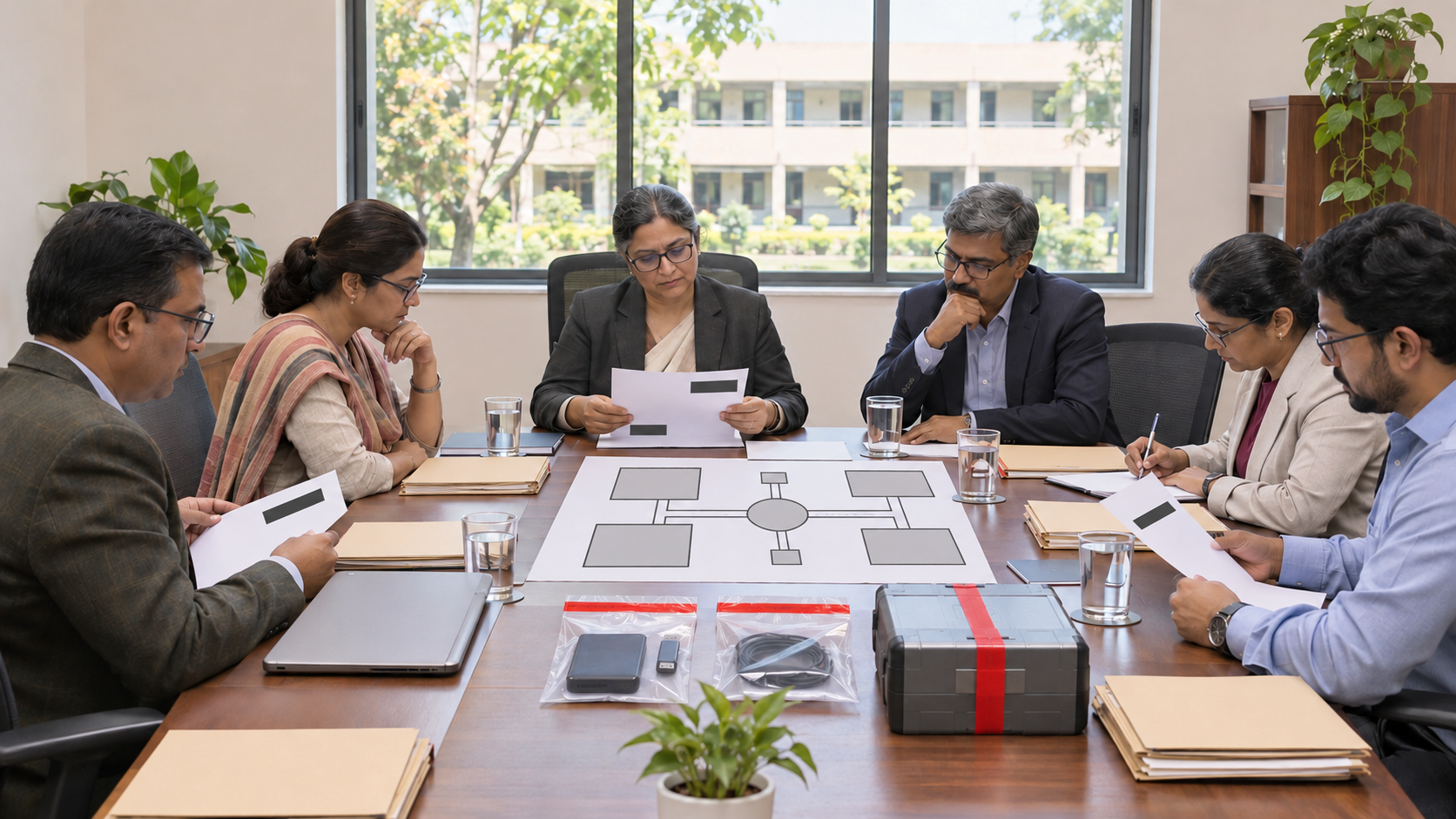
A rally can draw attention, but authorities can answer a written demand more clearly than a general expression of outrage. Community organisers should put the following requests on one page, identify the office responsible for each one, and ask for a written acknowledgement.
- A lawful case-status update: The couple, or a representative authorised by them, should be told the procedural status of the complaint and the next official step. Public advocates should not demand private details that could expose the victims or interfere with the investigation.
- Action tied to evidence: Ask for prompt and stringent action permitted by law against anyone whose involvement is supported by the investigation. Do not demand extra-legal punishment or treat an allegation as a conviction.
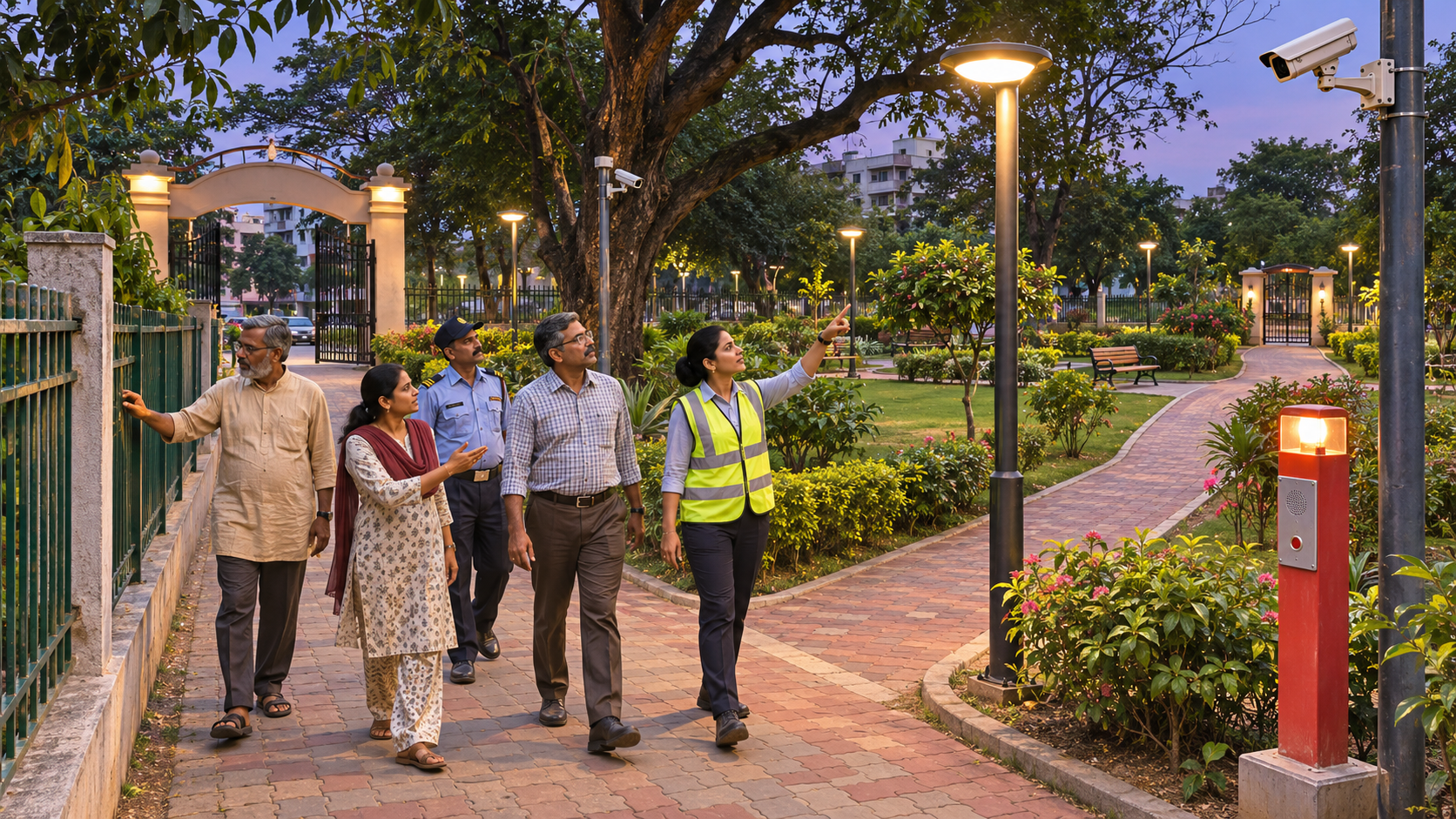
- A municipal garden security audit: Ask the responsible civic body to examine lighting, entrances and exits, obstructed sight lines, isolated areas, staff visibility, emergency-contact information, surveillance coverage where lawful, and the procedure for reporting threatening behaviour.
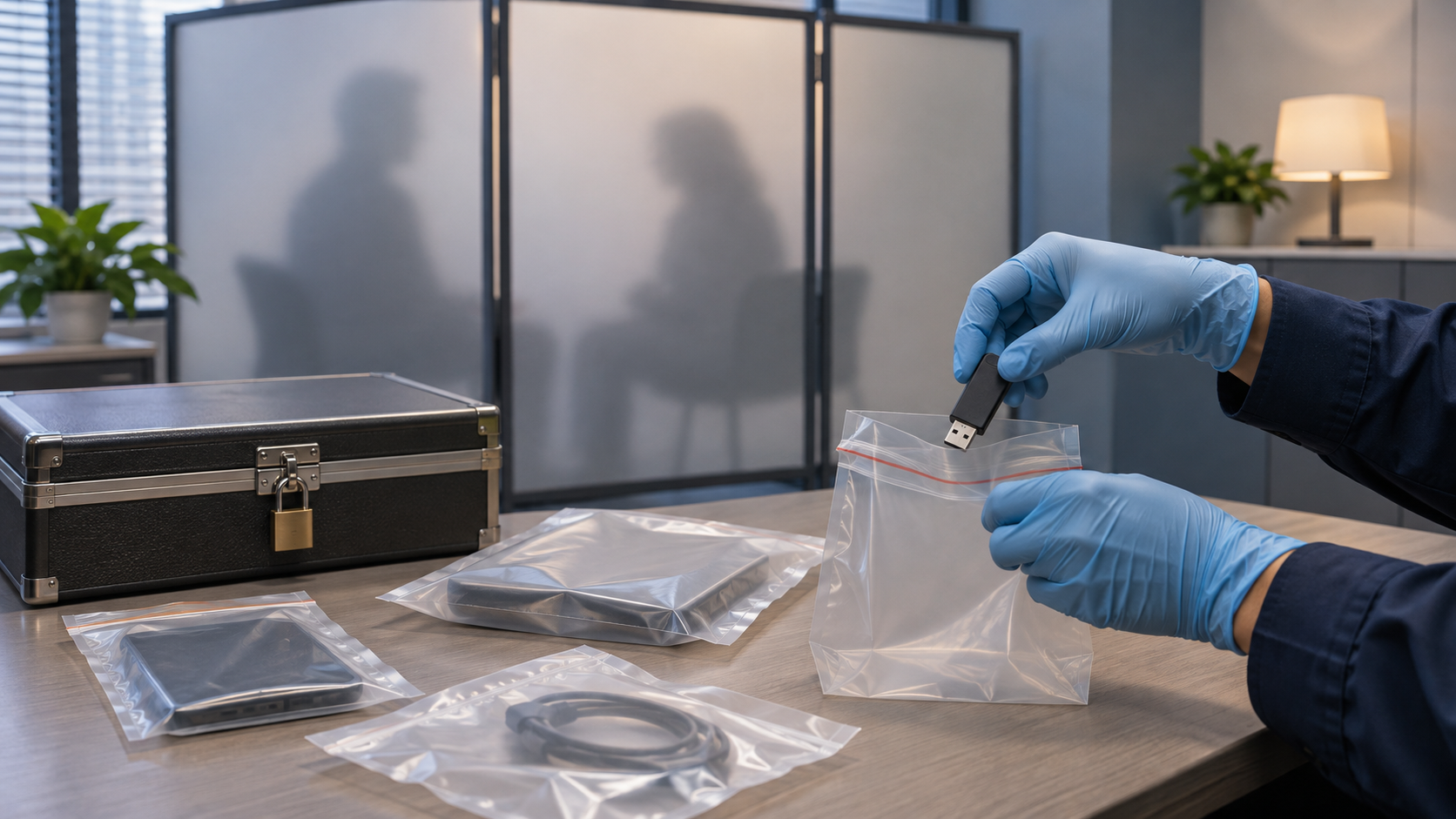
- Preservation of relevant evidence: Authorities should determine whether usable surveillance footage, witness accounts, access records, or other material exists and preserve it through lawful channels. Residents should submit original material rather than edited clips or social-media compilations.
- A defined inquiry into the adjoining premises: Because an investigation of the madrasa’s possible role has been requested, officials should state whether they will examine that question and what evidence would be relevant. The inquiry must be capable of confirming involvement, disproving it, or finding no connection.
Each demand needs an addressee, a response channel, and a follow-up date. “Improve security” is too vague to track. “Inspect the garden’s lighting, exits, sight lines, staffing, emergency signage, and any surveillance system, then publish the corrective actions” gives residents something they can verify.
Demand layered security, not a camera-shaped promise
Municipal-garden security cannot depend on one device or one guard. A camera with a blind spot, no maintenance owner, unclear retention, or no response procedure may record little and prevent nothing. Effective safety comes from several layers working together.
- Visibility: Lights should cover paths, entrances, exits, seating areas, and concealed corners. Shrubs, walls, structures, or poorly placed fixtures should not create avoidable blind spots.
- Controlled but usable access: Visitors should be able to identify legitimate entrances and leave without being channelled through an isolated route. Opening hours and restricted areas should be clearly displayed.
- Human presence: Staff or security personnel need to be visible, identifiable, and given a clear escalation procedure. Merely assigning a person without defining the role does not create accountability.
- A reporting route: Emergency and non-emergency contact information should be readable at the site. Visitors should know whom to approach and how an incident will be recorded.
- Surveillance governance: If cameras are installed, authorities should identify who checks whether they work, who may access recordings, how relevant material is preserved, and who acts when an incident is seen or reported.
- Periodic review: Repairs and staffing changes should be logged. Residents should be able to ask whether promised corrections were completed rather than relying on an announcement made during the protest.
You can help document physical conditions without turning yourself into an investigator. During ordinary public access, note broken lights, obscured signs, blind corners, unattended entrances, and missing contact information. Record the location and condition, but avoid photographing victims, children, or uninvolved visitors. Send the observations to the responsible authority and retain the acknowledgement.
Protect the case from rumour and collective blame
The demand concerning the adjoining madrasa must be handled with precision. Investigators can examine whether particular people, premises, access routes, records, or cameras are relevant. Campaigners cannot responsibly convert that request into guilt by association. The same evidentiary standard should apply to a madrasa, temple, business, residence, political office, or any other neighbouring institution.
Before sharing a claim, place it in one of three categories:
- Reported: Hindu organisations protested, sought stringent action against the accused, and demanded enhanced garden security.
- Requested: Kirit Somaiya called for the adjoining madrasa’s possible role to be investigated.
- Unresolved: The precise sequence of the assault, the responsibility of each accused person, and whether any institution had a role require competent investigation and, where applicable, judicial determination.
Keep original links and unedited files when material may be relevant. Do not publish a victim’s identity, private contact information, witness details, or an accused person’s home address. Do not confront the accused or enter neighbouring premises to conduct your own inquiry. Give potentially relevant evidence to the police, the couple’s authorised representative, or legal counsel. Public exposure can endanger people, contaminate testimony, and distract from evidence that authorities could actually use.
A responsible Hindu civic response should be firm without being indiscriminate. Dharma does not require silence in the face of violence, but neither does it permit truth to be replaced by collective suspicion. Insisting on both justice and evidentiary discipline makes the campaign harder to dismiss and safer for the community it seeks to defend.
Key takeaways for residents and organisers
- Support stringent lawful action against people whose responsibility is established by evidence; do not describe the accused as convicted.
- Keep the assault investigation, the garden security audit, and the requested madrasa inquiry as separate, trackable demands.
- Ask for a layered security review covering visibility, access, staffing, reporting, surveillance governance, and follow-up.
- Treat proximity to the incident as a question for investigation, not proof against an adjoining institution or community.
- Protect victims and witnesses by avoiding doxxing, confrontation, edited evidence, and speculative social-media claims.
- Obtain a written acknowledgement, record the promised response date, and follow up until each responsible office answers.
If you support the Kurla campaign, take a precise one-page demand to the relevant authorities and keep its acknowledgement. Then return on the stated follow-up date with the same questions. Sustained, documented civic pressure will do more for justice and garden safety than an accusation that cannot be proved.
References

Leave a Reply
You must be logged in to post a comment.