
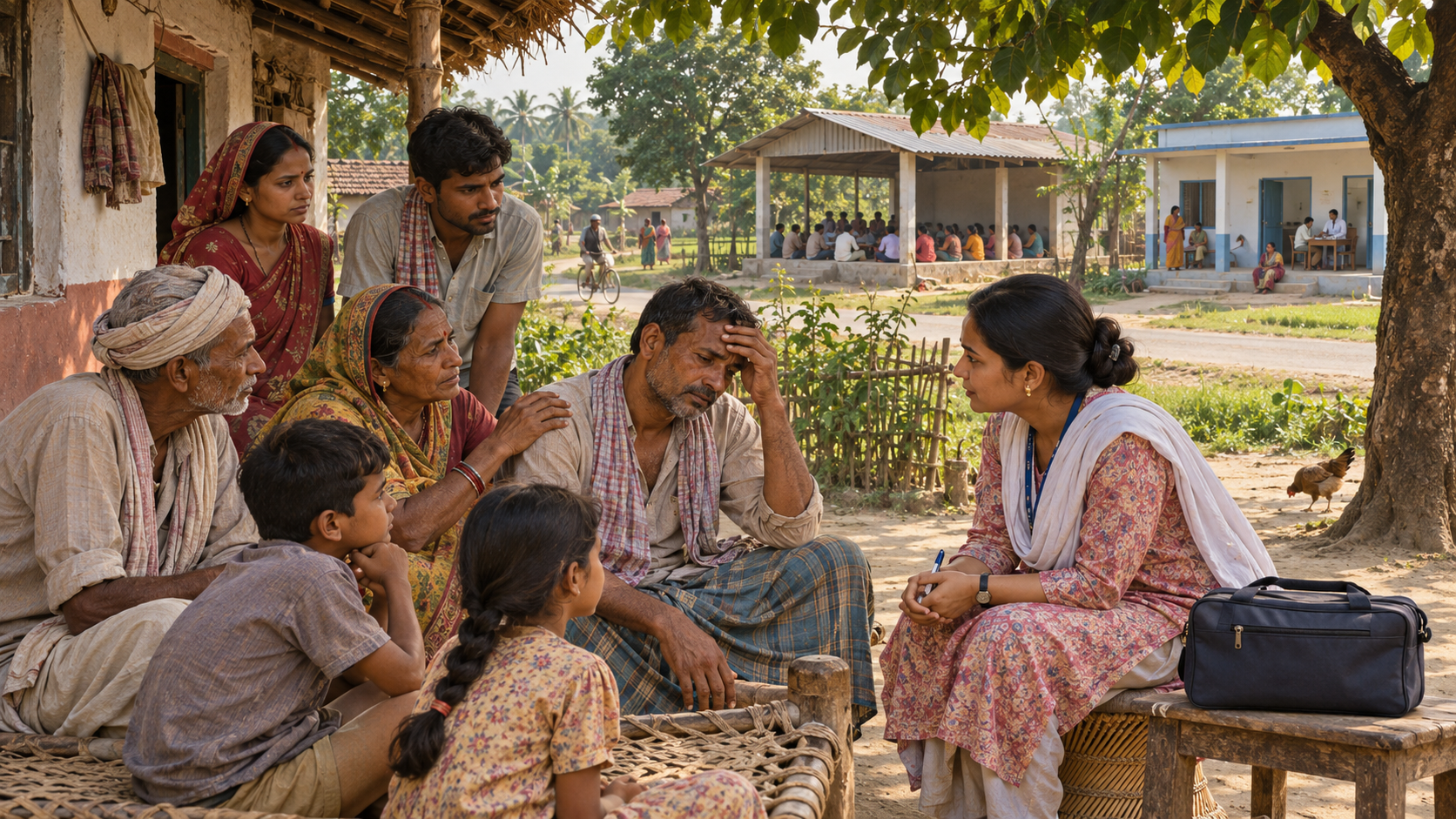
If someone in your family has been promised relief from illness or childlessness at a religious healing meeting, do not begin with an argument about faith. Begin with the claim being made: who promised what, what evidence was offered, and whether proper medical care is being delayed.
That approach protects the patient, preserves freedom of conscience, and gives village leaders something firmer than rumour. It is especially important in West Champaran, where allegations about healing meetings and conversion have already produced local opposition, police involvement, and tension.
Start by separating the allegation from what is established
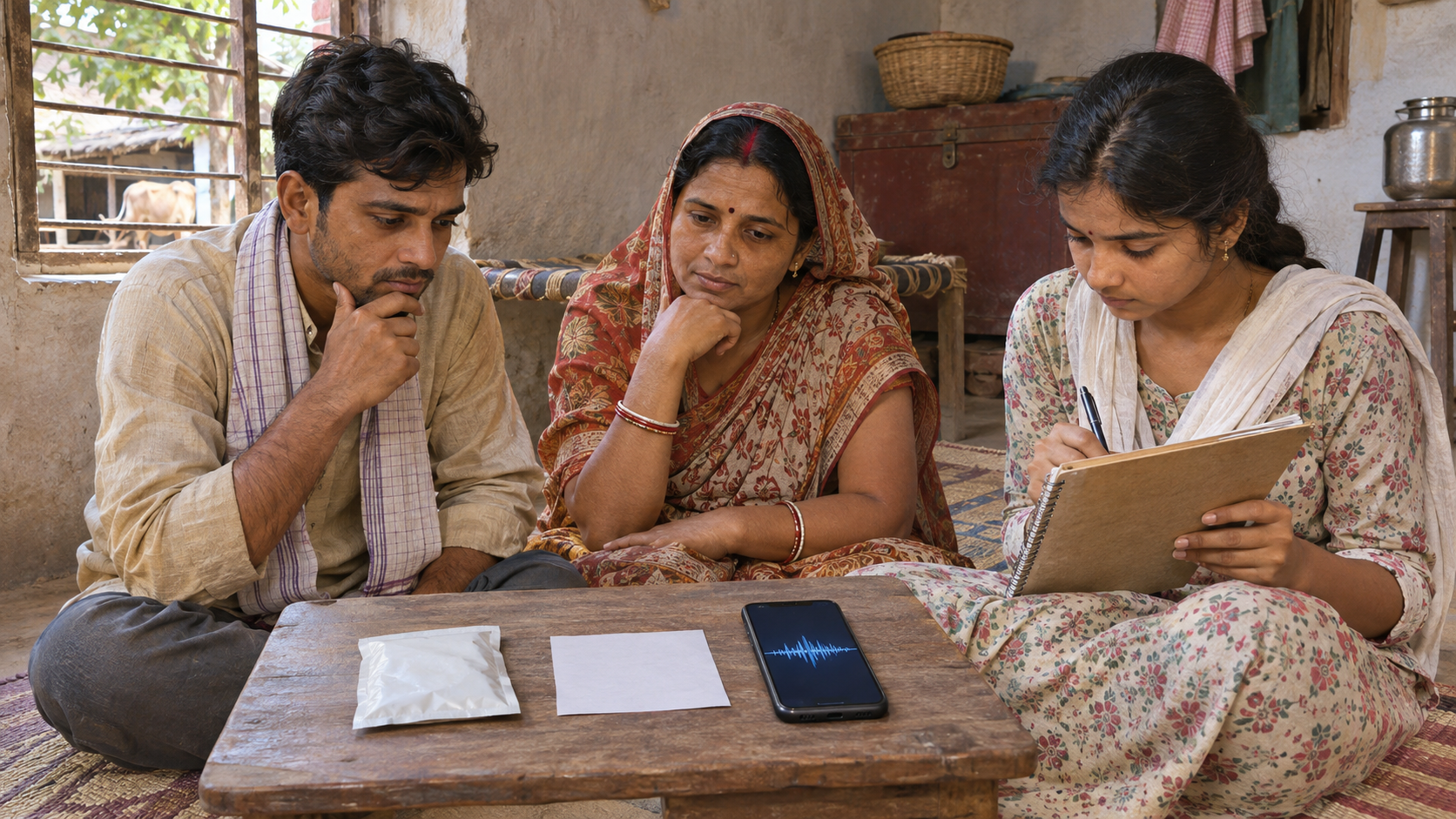
The allegations concern poor and less-educated families in West Champaran villages near the Nepal border. Organizers are accused of telling people that belief and special prayers can cure serious or otherwise difficult illnesses, or help childless couples conceive. Some participants were reportedly given grains of rice as a blessing.
The meetings in question reportedly had no doctors, nurses, diagnostic facilities, medicines, or other treatment arrangements. That does not prove that every prayer gathering is a conversion operation. It does establish the first question that any family should ask: if a medical outcome is being promised, where is the medical assessment?
Villagers objected to gatherings at Laukar and Bardahan Gotha Tola, after which police arrived. No police action was reported at Laukar. These details show that allegations and public tension exist; they do not amount to a judicial finding against every participant or organizer. Until evidence is tested, use words such as alleged, reported, and claimed. Do not circulate names as if guilt has already been established.
The border location also needs discipline. Near Nepal describes geography. It is not, by itself, evidence of Nepalese involvement, foreign direction, illegal border movement, or a cross-border organization. Adding those claims without proof makes a legitimate inquiry easier to dismiss.
Put medical safety ahead of the religious dispute
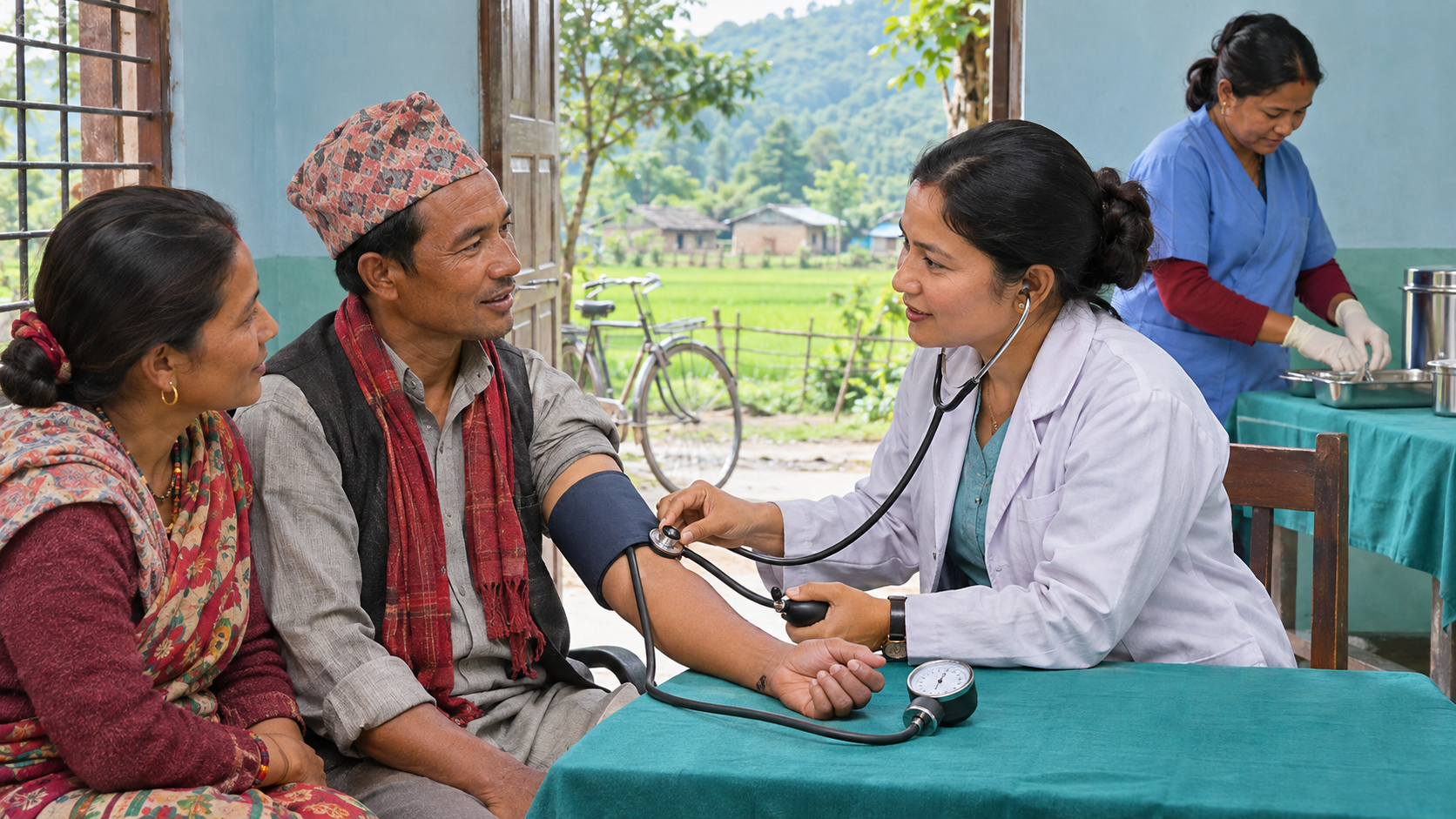
Prayer can be a source of strength, companionship, and hope. It is not a clinical diagnosis, and a blessing is not proof that a disease has been treated. Rice offered as a sacred token may have devotional meaning to the recipient, but it cannot show what caused an illness, whether the condition has changed, or what treatment is needed.
The danger becomes immediate when a healing promise causes someone to stop prescribed medicine, postpone an examination, or interpret worsening symptoms as a test of faith. If that is happening, help the person reach a qualified medical professional. If the condition appears urgent or the person is in immediate danger, seek emergency medical care rather than waiting for another meeting. Do not advise anyone to discontinue treatment on the strength of either a miracle claim or a village debate.
Childlessness requires the same care. It can carry stigma, grief, family pressure, and expense. Those pressures make certainty attractive, especially when proper evaluation is difficult to obtain. A promise of conception cannot identify the underlying issue or guarantee an outcome. The safe response is a confidential consultation with an appropriately qualified clinician, not public blame directed at either spouse.
You can test a healing claim without debating theology. Ask these questions:
- What exact condition is supposedly being cured, and was it diagnosed by a qualified medical professional?
- Did anyone guarantee recovery, pregnancy, or another measurable outcome?
- Was the family told to stop medicine, avoid a doctor, or conceal the meeting from a clinician?
- Is the promised outcome tied to baptism, a declaration of belief, repeated attendance, recruiting others, payment, or another condition?
- What happens if the promised cure does not occur? Is the organizer accountable, or is the patient simply blamed for insufficient faith?
The final question is often revealing. A claim that accepts credit for every improvement but blames every failure on the sufferer’s faith cannot be meaningfully tested. It may deepen shame while leaving the illness untreated.
Talk to the family without turning them into a battlefield
A person facing illness or infertility is not helped by being shouted at from two sides. Public humiliation may drive the family away from relatives who could otherwise protect them. Threatening the organizers in front of the family can also transform a question about medical claims and informed consent into a communal confrontation.
Use a calm sequence instead:
- Ask what the family was promised. Let them describe the words used without interrupting or mocking them.
- Check the immediate health risk. Find out whether a doctor has examined the patient and whether any prescribed treatment has been stopped or delayed.
- Separate belief from the inducement. Say plainly that the person may consider any faith, but a religious decision should not depend on an unverified guarantee of a cure or pregnancy.
- Offer a practical alternative now. Help arrange transport, an appointment, childcare, meals, translation, or company at the clinic. Advice without assistance will lose to someone offering attention and certainty.
- Ask permission before sharing the person’s story. Illness, fertility concerns, family conflict, and religious belief are sensitive matters. Do not turn private distress into social-media content.
- Keep the relationship open. Even if the person attends the meeting again or changes religious practice, make it clear that medical help and family contact remain available.
A useful sentence is: You do not have to settle your religion today in order to receive medical care today. It removes the artificial deadline on which manipulative persuasion often depends.
Do not generalize from a disputed gathering to every Christian, pastor, church, or prayer meeting. The relevant questions concern specific representations, specific pressure, and specific harm. Collective accusation weakens factual complaints and risks punishing people who had no role in the alleged conduct.
Document specific conduct and prevent a crowd confrontation
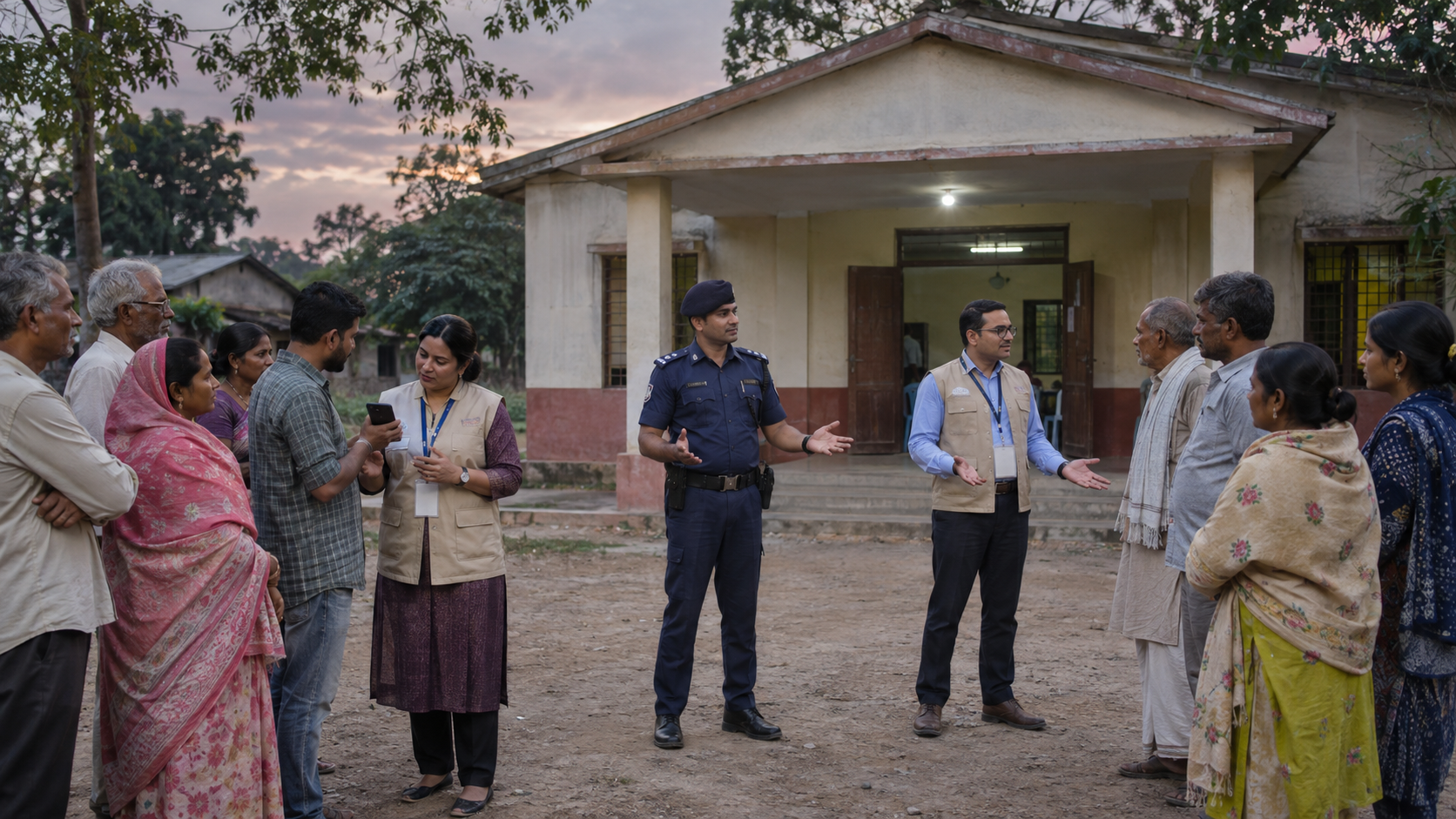
If you witnessed a questionable meeting, record facts while they are still clear. A useful complaint identifies the date, place, speaker, exact promise, people present, and any condition attached to receiving the claimed benefit. Preserve public notices, invitations, messages, or recordings obtained lawfully. Note whether money, signatures, identity documents, medical abandonment, threats, or pressure were involved. Distinguish what you personally saw from what another person told you.
Do not publish patients’ medical details, fertility concerns, addresses, or identifiable photographs merely to prove that the meeting occurred. Give relevant material to police or a qualified lawyer and ask for an acknowledgment of the complaint. If officials take no action, retain the acknowledgment and seek lawful review through senior authorities or legal counsel. The absence of a conversion-specific allegation does not justify inventing one; the strength of a complaint lies in accurately documenting the conduct that occurred.
When anti-conversion legislation was raised in the Bihar Assembly in February 2026, a minister said that the government then had no proposal for such a law, while the Speaker spoke of reviewing laws in other states. That is not a safe basis for declaring either that every alleged inducement is automatically legal or that every conversion is automatically criminal. Applicable law depends on the conduct and evidence. Let police and qualified legal professionals determine the legal provisions; villagers should concentrate on truthful documentation and immediate safety.
Never block exits, confine participants, seize phones, damage property, threaten speakers, or force anyone to make a religious declaration. If tempers rise, move patients, children, and vulnerable people away from the crowd and request police assistance. A violent response can harm innocent people, destroy useful evidence, expose villagers to legal consequences, and bury the original medical-safety concern under a communal clash.
The durable Dharmic answer begins before the next disputed gathering. Temples and other local Dharmic institutions can maintain a confidential list of trustworthy clinics, organize transport for poor patients, accompany people who struggle with forms or language, and create a small emergency-support network. Volunteers should be trained to connect people with qualified care, not to answer one unverifiable miracle claim with another.
This is where satya, ahimsa, and seva become practical rather than ornamental. Satya requires exact claims and honest evidence. Ahimsa rules out intimidation and mob action. Seva closes the gap through which desperate families can be approached with certainty that no responsible person could promise.
Key takeaways for families and village leaders
- Treat every promised cure or pregnancy as a claim requiring medical evidence, not as proof of divine favor or religious truth.
- Do not let a prayer meeting replace diagnosis, prescribed treatment, or urgent medical care.
- Protect voluntary belief while examining whether illness, poverty, fear, or a promised outcome is being used as leverage.
- Record exact words and conduct. Separate firsthand observations from rumours and avoid unsupported claims about foreign or cross-border involvement.
- Take evidence to police or qualified legal counsel; do not conduct a raid, detention, public shaming campaign, or forced religious confrontation.
- Build local medical access and compassionate follow-up so that a vulnerable family receives practical help before anyone asks it to make a religious commitment.
If a questionable gathering is planned in your area, start with two preparations: identify a lawful point of contact for complaints and arrange a real route to medical care for anyone seeking healing. That combination protects Dharma, protects the patient, and keeps the village’s response anchored in truth.
References

Leave a Reply
You must be logged in to post a comment.