
If you are trying to decide whether the Gopalganj attacks were political violence, anti-Hindu violence, or some combination of the two, the honest answer requires care. The identities of the victims and the political setting are known through reporting, but motive and criminal responsibility remain allegations that require investigation.
That distinction is not a reason to look away. It is how you defend Hindu families without turning an already serious incident into a claim that outruns the evidence.
The facts that can be stated carefully
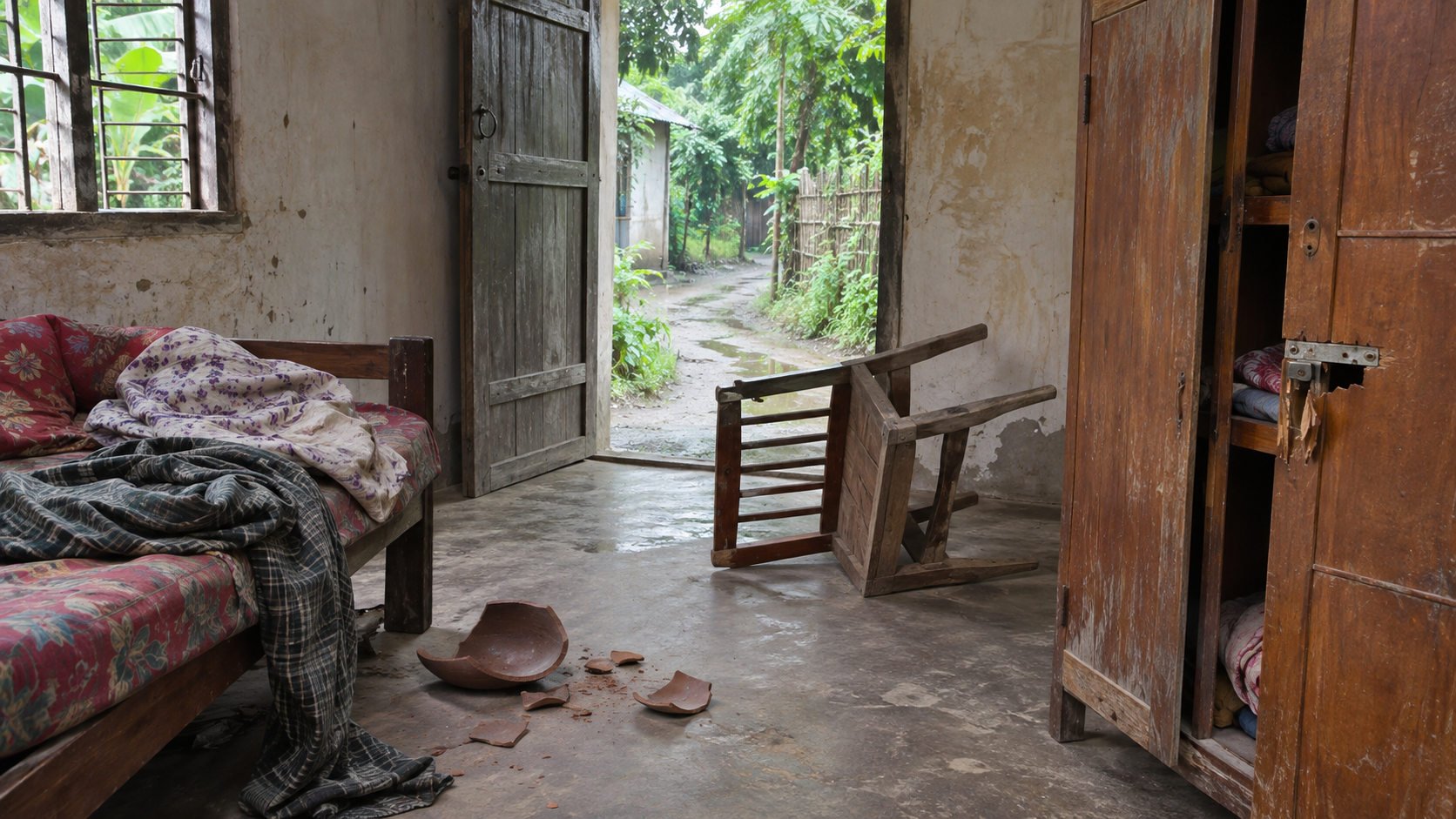
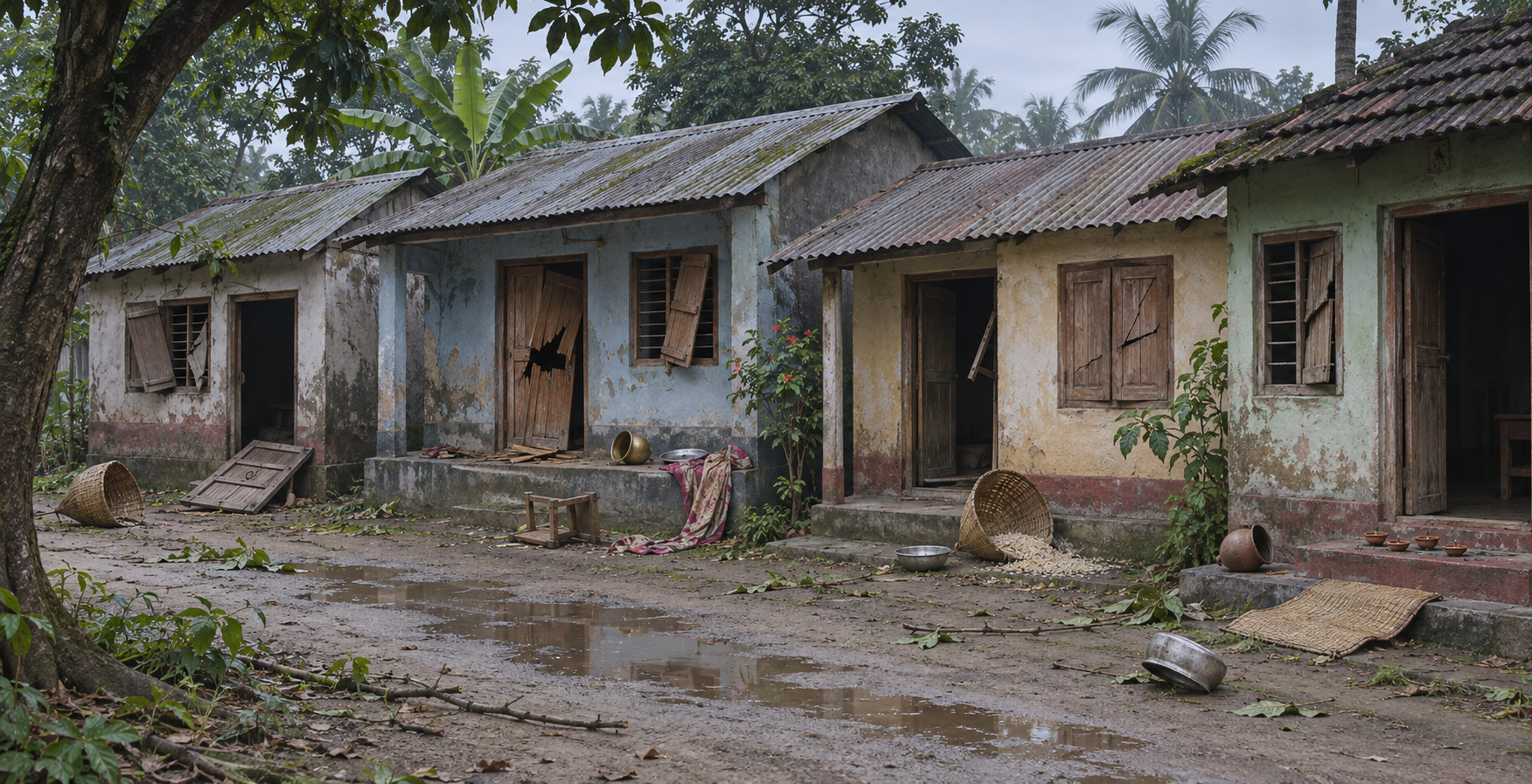
Four Hindu families were reportedly attacked, vandalised and looted in Haisur village, under Rajpat Union in Muksudpur Upazila of Bangladesh’s Gopalganj district. Each family was associated with the Bangladesh Nationalist Party, or BNP, or one of its affiliated organisations.
- Khiroda Biswas, president of Ward No. 9 of Rajpat Union BNP, reportedly had his residence and business establishment vandalised and looted.
- Anirban Biswas, vice-president of the union Jubo Dal, reportedly suffered attacks on business establishments, residential property and a poultry farm.
- Ganapati Biswas, president of Ward No. 8 BNP, reportedly had his home attacked.
- Uttam Biswas, joint general secretary of Ward No. 9 BNP, reportedly had his home attacked.
A large mob carrying locally made weapons was alleged to have entered the village and selected households associated with these Hindu political workers. Allegations point to Awami League activists, but those allegations should not be presented as judicially established responsibility.
The incident occurred amid tensions surrounding a shutdown programme connected with unrest in the district. Gopalganj has long been regarded as an Awami League stronghold, making the victims’ BNP roles an important part of the context rather than a detail to be discarded.
No arrests had been reported in the immediate aftermath, and the affected families were said to be living in fear while the village remained tense. The time limit in that statement matters: it describes the immediate aftermath, not every development that may have occurred later.
Why political targeting and Hindu vulnerability overlap

Calling this only a routine party clash would obscure something important: every family identified in the episode belongs to Bangladesh’s Hindu minority. Calling it a conclusively communal attack would go beyond the available evidence about motive. The responsible position holds both facts in view.
Political affiliation can determine who is marked as an opponent. Minority status can then deepen the danger by reducing a family’s sense of security, weakening its local support network or making it harder to seek redress without fear of retaliation. In this case, the same people appear vulnerable along two axes: they are Hindu, and they are connected to an opposition political organisation.
This is why the question is not whether the attacks were political or anti-Hindu in some perfectly separable sense. The more useful question is whether the perpetrators exploited a political confrontation to attack minority households, whether Hindu identity affected the selection of targets, and whether the victims received equal protection afterward. Only a credible investigation could settle those questions.
You do not have to prove a single, exclusive motive before recognising the danger. The destruction of homes, businesses and a poultry farm can threaten shelter, income and the ability to remain in the village. For a family already afraid of renewed violence, those losses are not merely property damage; they can create pressure to withdraw from public life, abandon political participation or leave the area.
Keep established details separate from allegations

Careful language protects both the victims and the credibility of those speaking for them. Use the following distinctions when you discuss the case.
| Point | Current status | Responsible wording |
|---|---|---|
| Four named Hindu families suffered attacks and property losses | A specific reported claim with identified victims and damaged properties | Say the families were reportedly attacked, vandalised and looted |
| The families were connected to the BNP or Jubo Dal | Specific political roles were publicly identified | Name the affiliations because they are central to the context |
| Awami League activists carried out the attacks | An allegation, not an established legal finding | Say allegations point to Awami League activists |
| Hindu identity was the decisive motive | Not established by the available information | Say Hindu identity created an additional layer of vulnerability and requires investigation |
| Authorities made no arrests | Reported only for the immediate aftermath | Preserve the time qualifier and check for later developments before repeating it |
This discipline is more than cautious phrasing. If an allegation is repeated as a proven fact, critics can use the error to dismiss the entire case. If the Hindu identity of every affected family is omitted, the minority-protection question disappears from view. Accuracy means preserving both the political context and the communal vulnerability.
Key takeaways
- Four Hindu families in Haisur village were reportedly attacked, vandalised and looted.
- All four families were associated with the BNP or Jubo Dal, so political targeting is central to understanding the episode.
- Allegations point to Awami League activists, but responsibility has not been presented as a judicially established fact.
- The victims’ Hindu identity creates a legitimate minority-security concern even though the precise motive has not been settled.
- No arrests had been reported immediately after the attacks; that statement should not be repeated without its time qualifier.
What responsible readers can do now
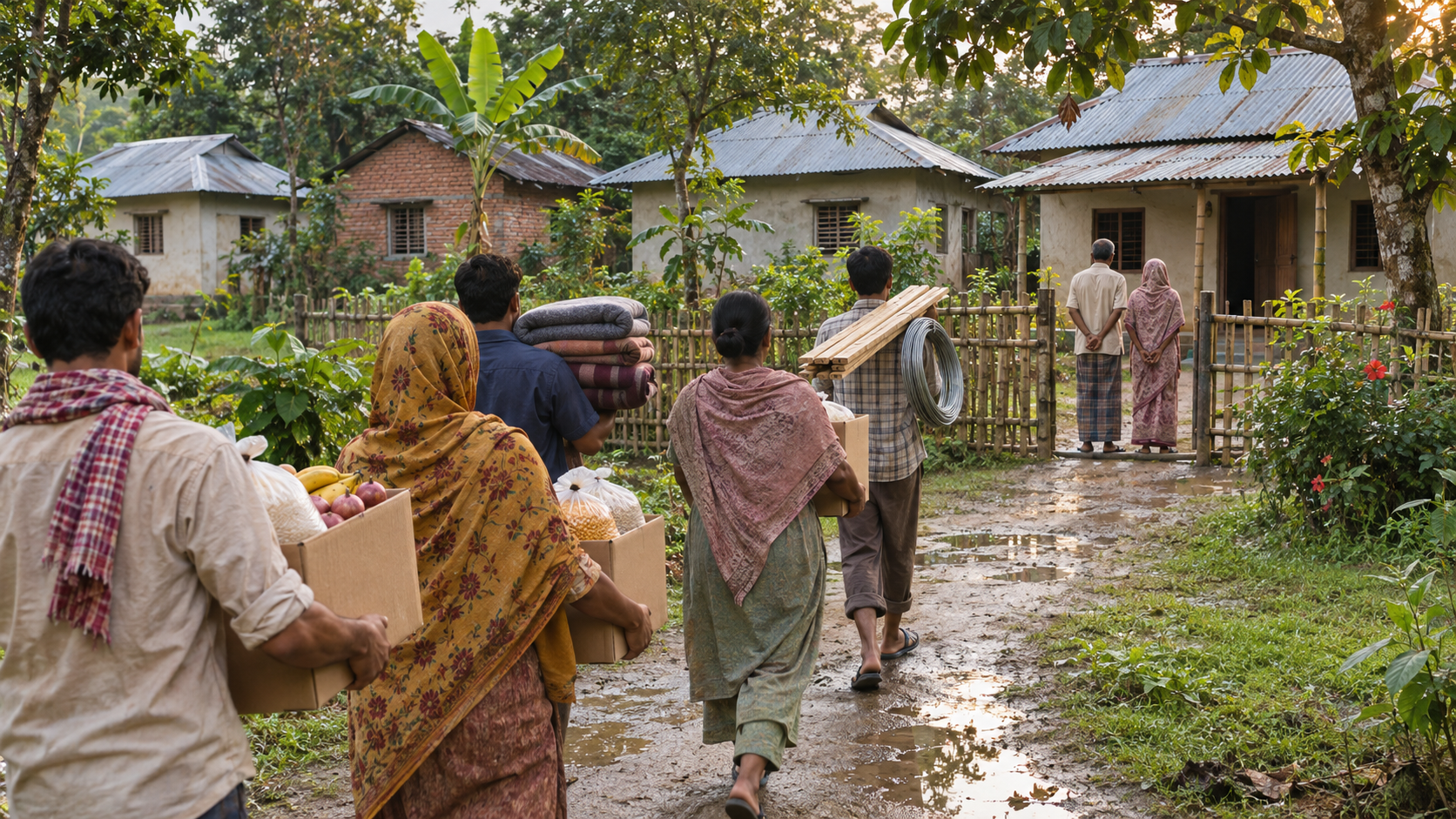
- Share a precise account. Keep the location, number of families, political affiliations and allegation status intact. Suggested wording: Four Hindu families associated with the BNP or Jubo Dal were reportedly attacked and looted in Haisur village, Gopalganj. Allegations point to Awami League activists, while motive and criminal responsibility still require investigation.
- Ask questions that can produce accountable answers. Has a police complaint or case been registered? Have any suspects been identified or arrested? What protection has been offered to the families? Has the property loss been documented? Have later official statements changed what was known in the immediate aftermath?
- Separate updates from repetition. When a new claim appears, record who made it, when it was made and whether it adds evidence. A repost of the original allegation is not independent corroboration.
- Protect the families’ operational privacy. Do not circulate exact addresses, phone numbers, travel plans or the present location of family members. Public attention can help, but unnecessary personal details can expose frightened people to further pressure.
- Verify any request for financial help. Do not transfer money merely because an appeal uses the victims’ names or photographs. Confirm who controls the collection, how the recipient is connected to the families and whether there is a clear record of where funds will go.
- Use institutional channels. A short factual inquiry to a Bangladeshi diplomatic mission, an elected representative or a credible human-rights organisation should ask for protection, investigation and public follow-up. Avoid claims you cannot substantiate; a concise request tied to named victims and specific unanswered questions is harder to dismiss.
The useful next step is not to attach the loudest label to the Gopalganj attacks. It is to keep the four families visible, preserve the distinction between fact and allegation, and insist on answers about protection, investigation, arrests and restitution. Save the factual record now, and update what you share when verifiable information changes.
References

Leave a Reply
You must be logged in to post a comment.