
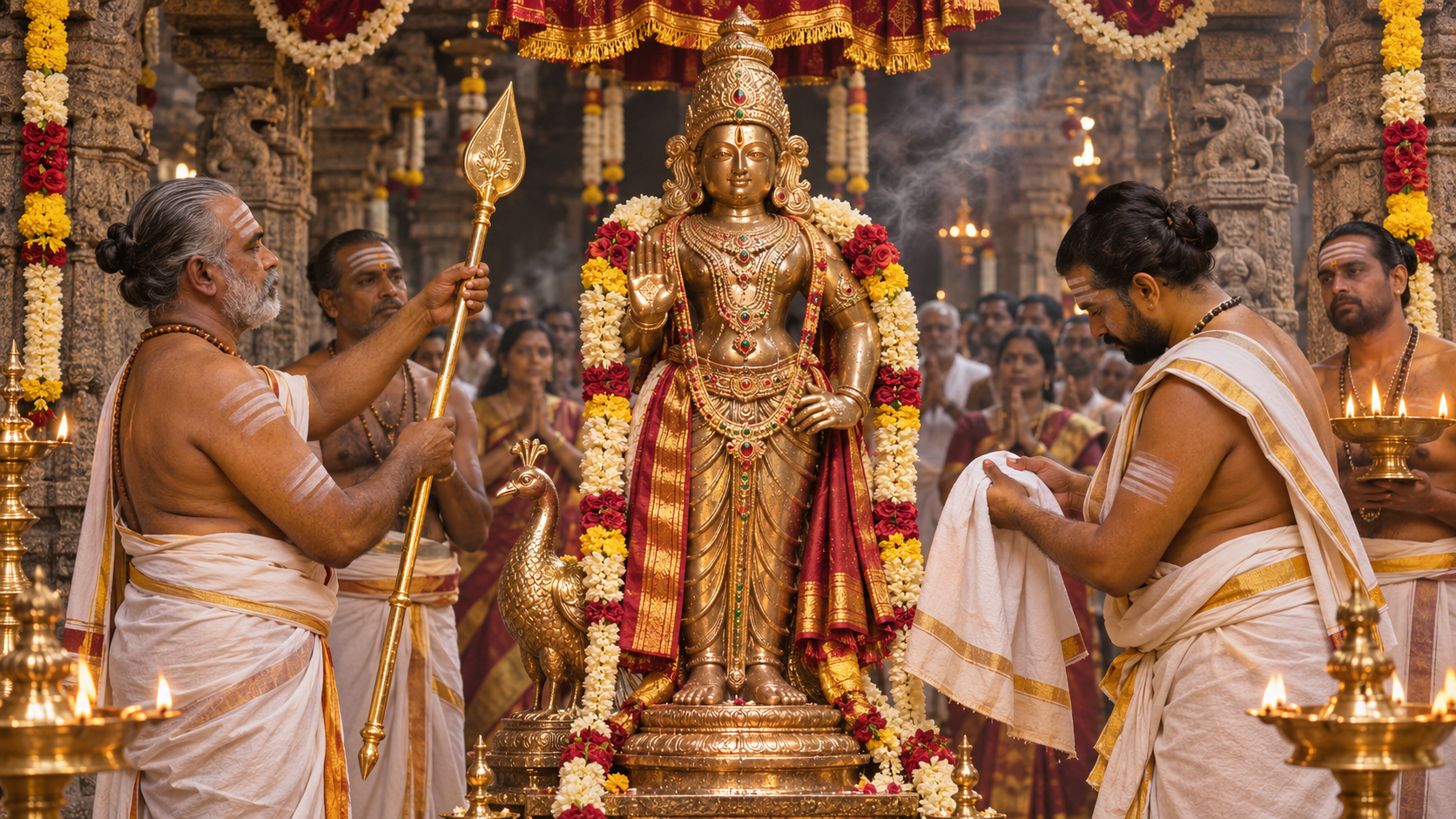
If you have seen a clip of Sikkal Muruga’s idol being wiped by priests, you may be wondering what is actually happening. The careful answer begins with a precise ritual moment, not with a general claim that the murti sweats at all times.
During Surasamharam at Sikkal Singaravelan Temple, the utsavar known as Singara Velavar appears to perspire when Lord Muruga receives his Vel. Priests repeatedly wipe the murti. Devotees understand the moisture as an expression of the Lord’s tension and anger as he prepares to destroy the Asura.
The phenomenon belongs to one precise ritual moment
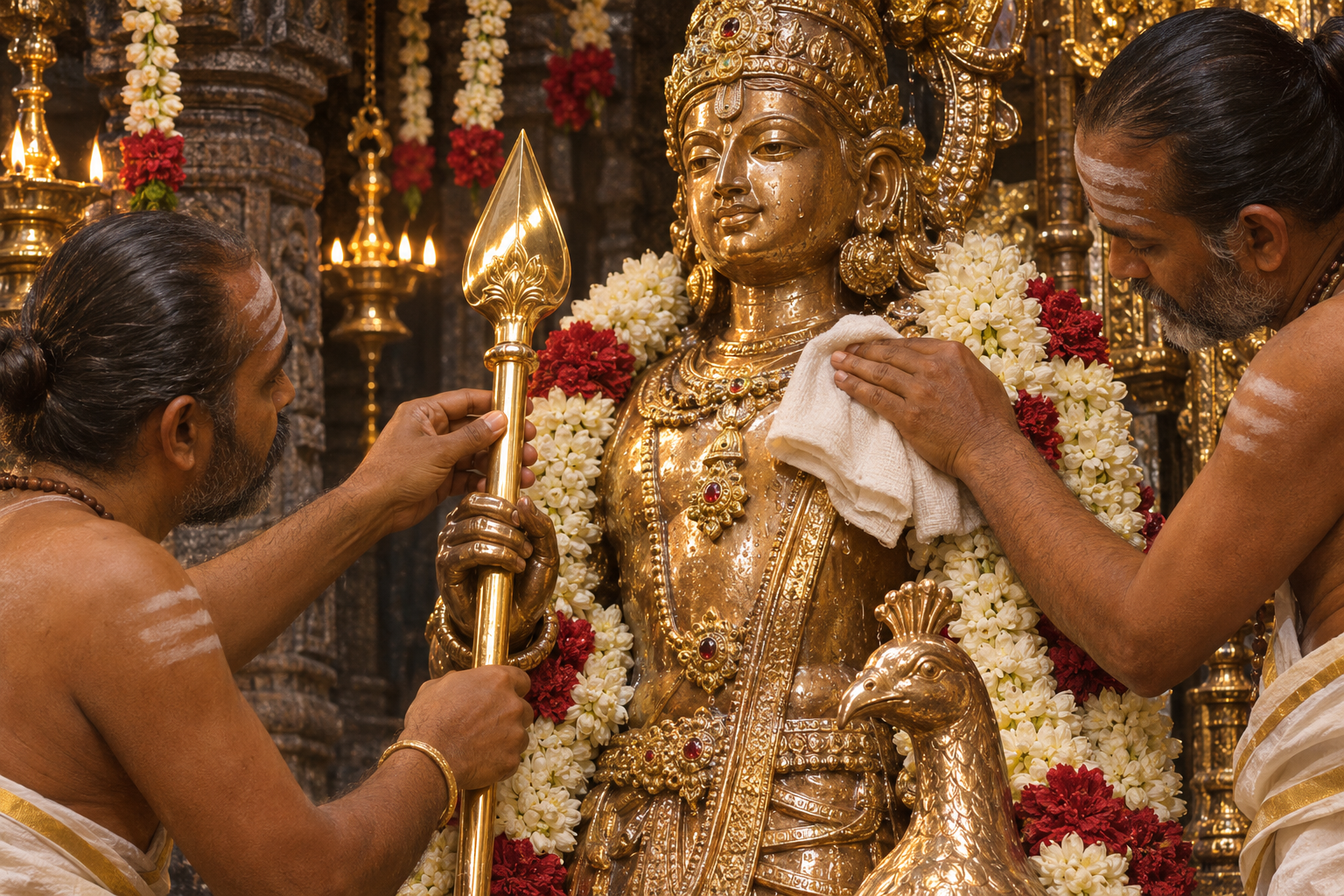
The most important detail is timing. The sweating is associated with the point in the Surasamharam ceremony when Muruga receives the Vel. It should not be detached from that sequence and presented merely as an unexplained property of an idol.
The utsavar is the form of the deity used in ceremonial movement and public worship. Here, that form is Singara Velavar. If you are trying to identify whether an image or video shows the Sikkal tradition, look for three connected elements:
- The form: the utsavar Singara Velavar.
- The ceremony: Surasamharam.
- The decisive moment: Muruga receiving the Vel as he prepares to confront the Asura.
Those details matter because a cropped close-up can preserve the moisture while removing the ritual that gives it meaning. Before sharing a clip, check whether its caption identifies the deity, ceremony and moment. If it does not, describe it cautiously.
Why devotees understand the sweating as divine emotion
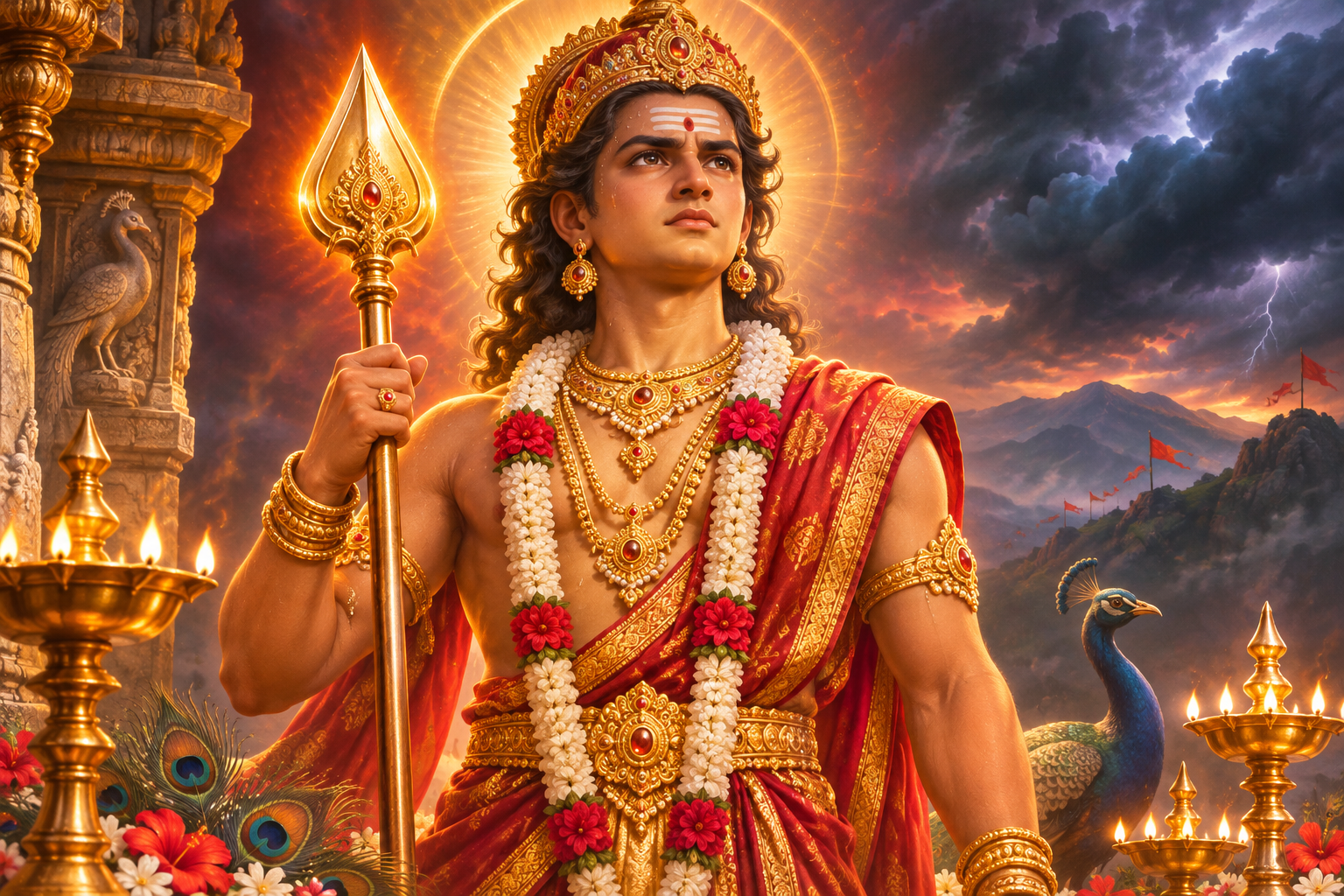
Within the ceremony, receiving the Vel marks a transition from readiness to action. The visible moisture is therefore read through the sacred drama unfolding before the devotees. Muruga is not being portrayed in a calm, detached interval. He is poised to destroy the Asura.
The traditional explanation joins two emotions: tension and anger. Neither is presented as ordinary anxiety or a passing loss of temper. Both belong to the impending confrontation. The Lord has received the weapon and is ready for battle; the sweating makes that charged moment visible to the assembled devotees.
If you witness the ceremony, do not watch only for droplets. Notice the sequence: the reception of the Vel, the change in the ritual’s emotional intensity, and the priests’ repeated wiping of the utsavar. The phenomenon becomes intelligible inside that sequence. Removed from it, the same sight can be reduced to spectacle.
Devotional meaning and physical explanation are different questions
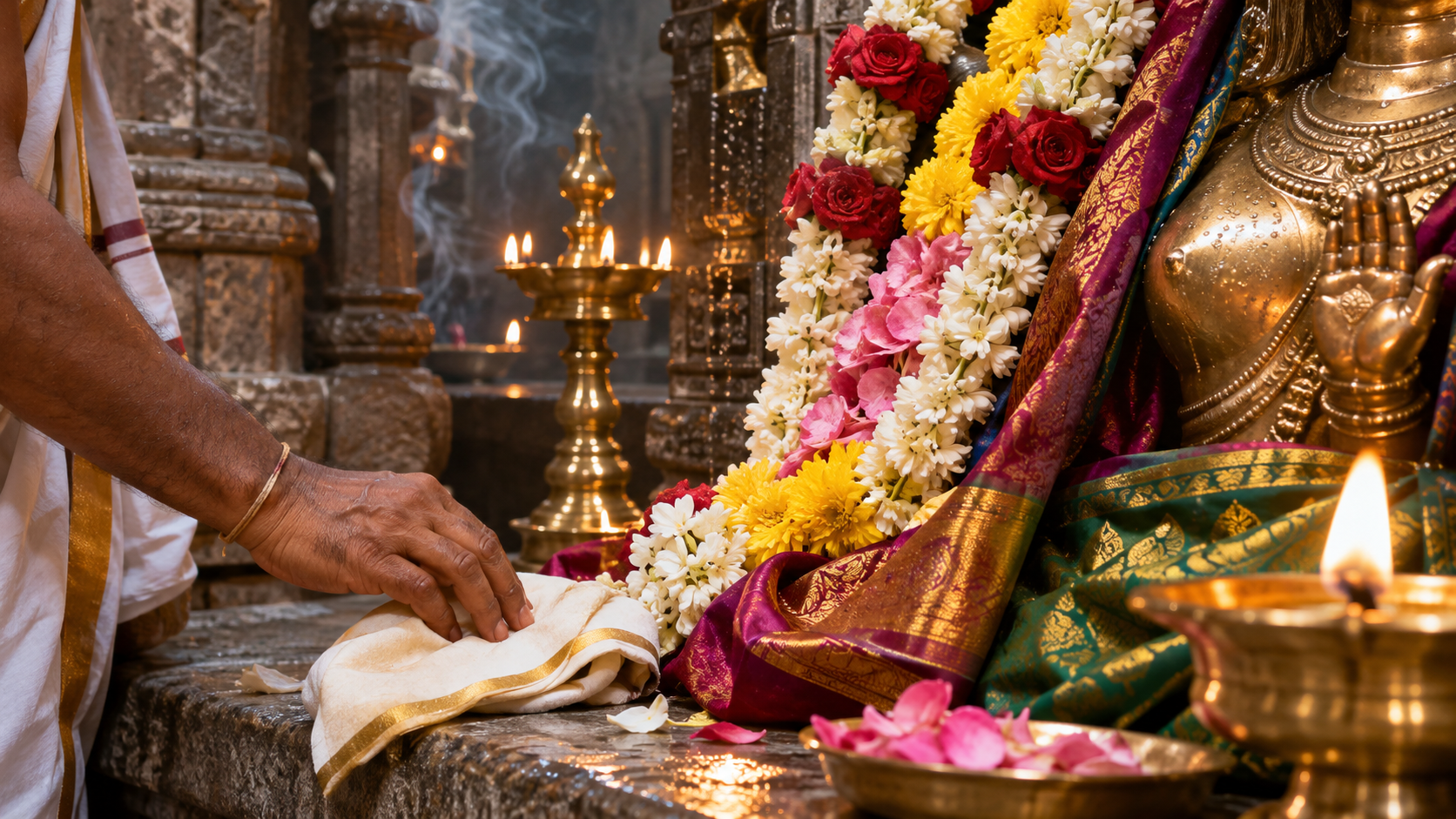
A respectful account should distinguish what is seen, what the tradition means by it, and what has or has not been physically demonstrated. These layers do not need to be collapsed into a single claim.
- What is observed: Singara Velavar appears to sweat, and priests continue wiping the utsavar during the relevant ritual moment.
- What devotees believe it means: the moisture manifests Muruga’s tension and anger before the destruction of the Asura.
- What the observation alone cannot establish: the material process by which the moisture forms.
This distinction does not diminish the sacred interpretation. It prevents people from making claims beyond what they can support. A devotee can receive the event as divine presence without pretending to possess laboratory evidence. A skeptic can ask physical questions without misrepresenting the ritual or mocking those for whom it is sacred.
If someone proposes a material explanation, ask what evidence supports it. A serious assessment would need reliable information about the murti, substances used during worship, surrounding conditions and direct observation of the ceremony. Without that information, a confident declaration of fraud or proof is only speculation.
How to witness the ceremony without reducing it to spectacle
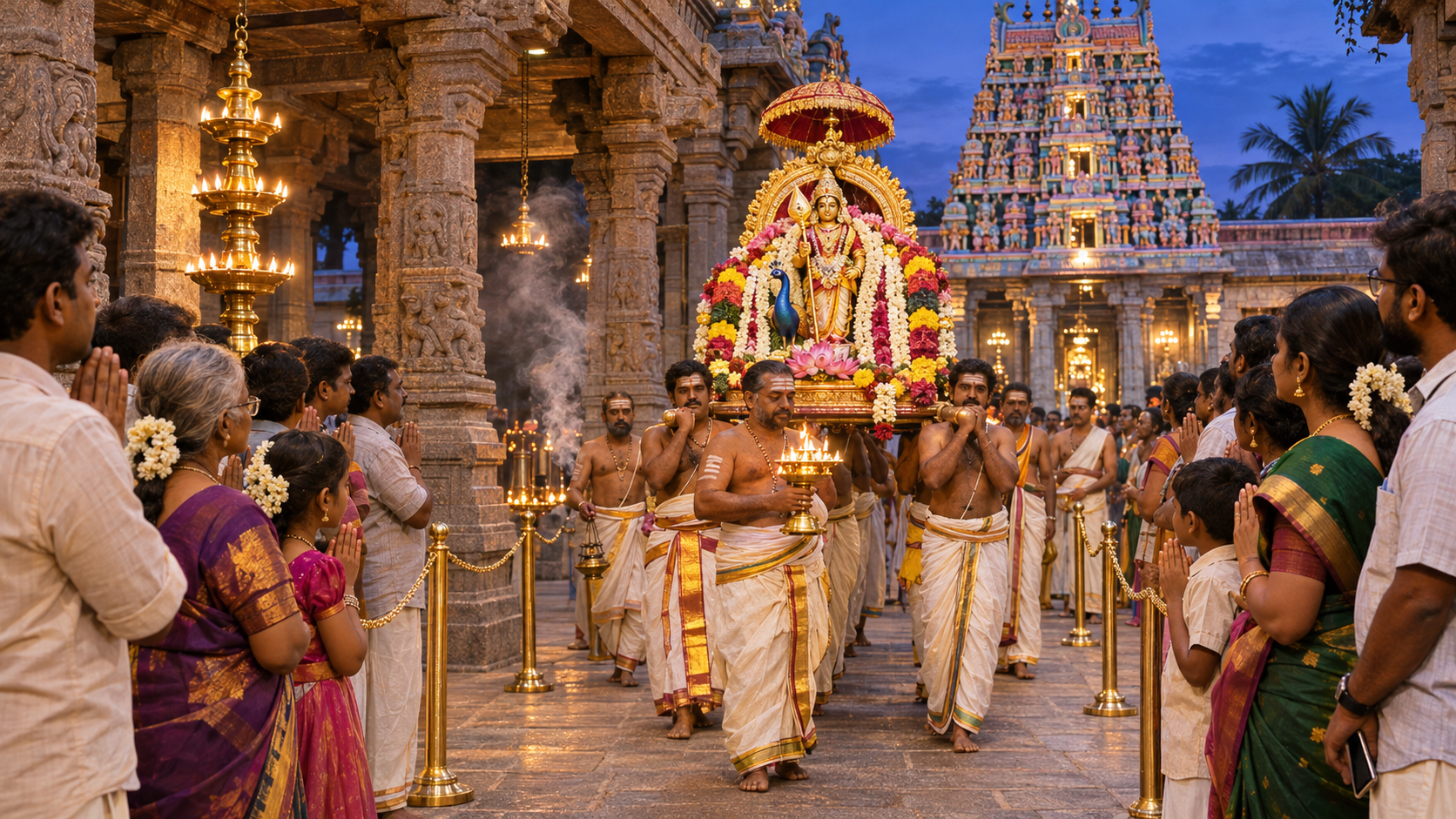
If you plan to visit Sikkal specifically for this event, prepare to attend a living act of worship rather than a demonstration arranged for observers. A few practical choices will help you see more while interfering less:
- Confirm the current ceremony time directly. Do not plan a journey around an undated social-media caption. Festival arrangements can require current local information.
- Follow the temple’s directions. Stand where devotees are permitted to stand, and do not obstruct priests or other worshippers while trying to obtain a closer view.
- Watch the whole ritual sequence. The reception of the Vel is essential context. A close-up of moisture without that moment tells only part of the story.
- Record only when permitted. If photography or video is restricted, put the device away. Darshan is not made less meaningful because you leave without footage.
- Separate observation from interpretation afterward. Note what you personally saw, then identify the devotional meaning attached to it. Do not turn an impression into a measurement or repeat an unverified mechanism as fact.
The same discipline applies when you encounter the event online. Check that the footage really identifies Sikkal, Singara Velavar, Surasamharam and the reception of the Vel. Reposting a mysterious clip with an inflated caption may attract attention, but it strips a temple tradition of the precision it deserves.
Key takeaways
- Sikkal Muruga’s sweating posture is associated with the Surasamharam ceremony, specifically the moment Singara Velavar receives the Vel.
- Priests repeatedly wipe the utsavar as moisture appears on the murti.
- Devotees interpret the sweating as Muruga’s tension and anger before he destroys the Asura.
- The observed moisture, its devotional meaning and its physical mechanism are three distinct questions.
- A responsible visitor or viewer preserves the ritual context and avoids claiming more than the available evidence can establish.
When you next encounter Sikkal Muruga’s sweating form, begin with the ritual sequence. Verify the setting, attend to the reception of the Vel, and allow the temple tradition to speak in its own devotional language before deciding what further questions you want to ask.
References

Leave a Reply
You must be logged in to post a comment.