
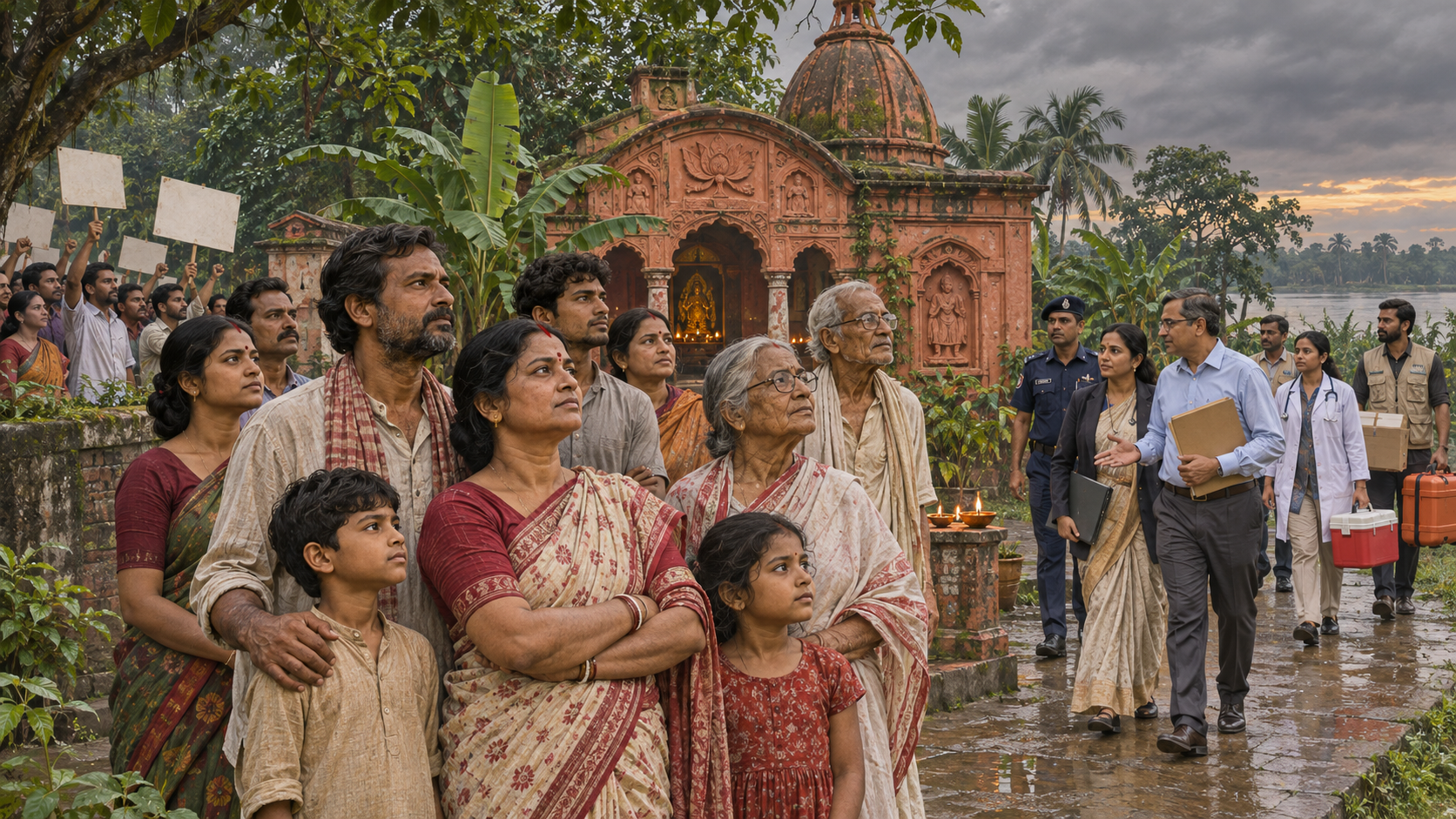
If you are watching reports of attacks on Hindus in Bangladesh and wondering whether another speech or march will change anything, ask a harder question: what is the political response supposed to produce? Anger can draw attention. Only precise demands, official action and sustained scrutiny can turn that attention into protection.
In West Bengal, two political moves have emerged: Samik Bhattacharya has called for statewide street protests, while Suvendu Adhikari has said he will take the matter to the Centre. Public mobilisation and engagement with New Delhi can reinforce each other. Neither should be mistaken for an outcome, however. The real test is whether Hindus in Bangladesh become safer and whether perpetrators of verified attacks face consequences.
Key takeaways
- A protest is useful when it carries written demands to a named authority and produces a public follow-up.
- West Bengal politicians can mobilise opinion, but India’s dealings with Bangladesh must ultimately involve the Union government.
- Ask for verification, immediate protection, investigation, accountability and a public status update rather than a vague expression of concern.
- Hindu solidarity should identify anti-Hindu targeting clearly when the evidence supports it, while rejecting retaliation against unrelated people.
- Track every political promise from announcement to action. Visibility without follow-through is not protection.
Protest is a beginning; protection is the test
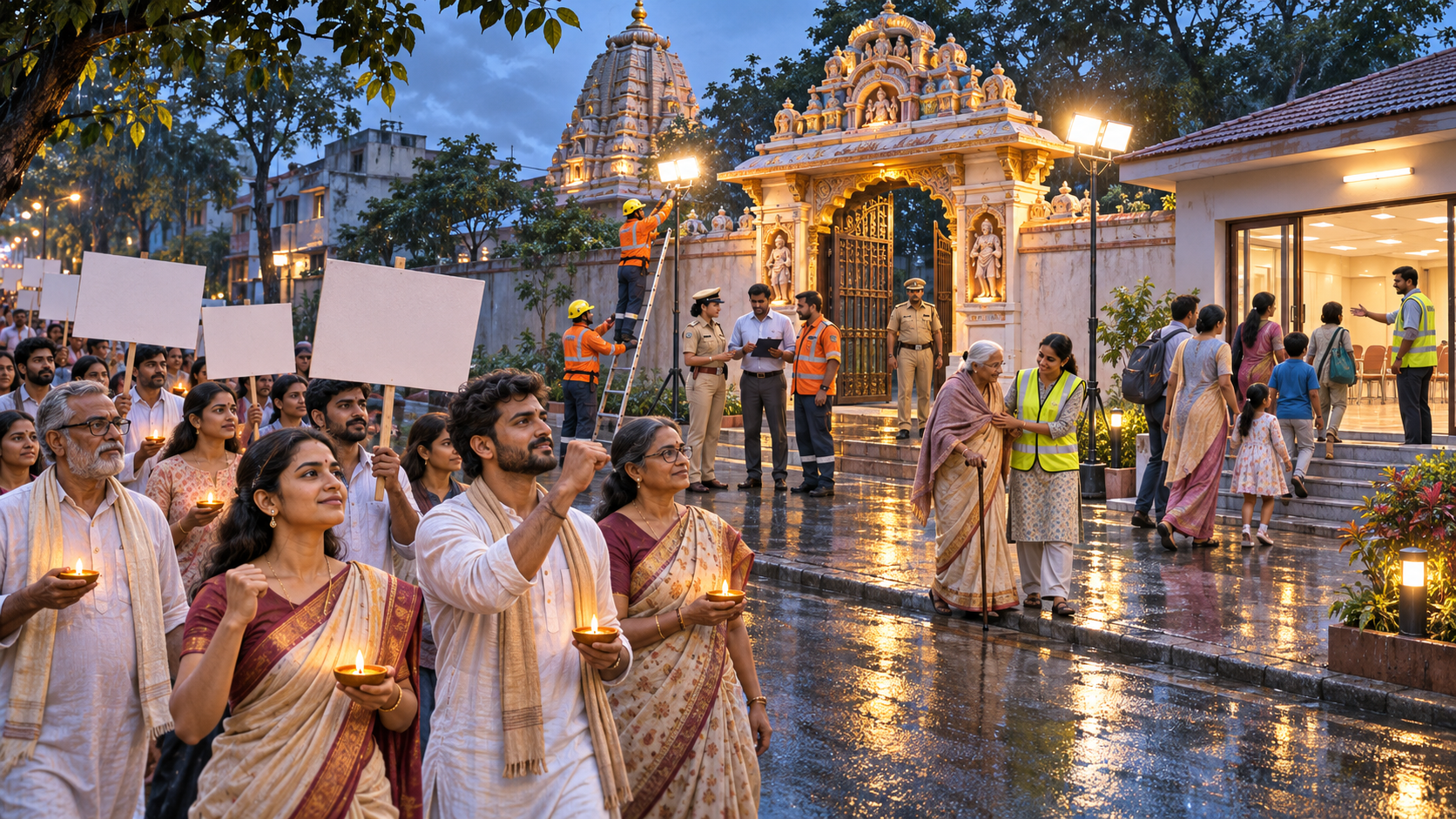
A peaceful street protest can make political silence costly. It can also tell threatened Hindus that their suffering will not be pushed out of public view. Those are legitimate purposes, especially when a vulnerable community fears that attention will disappear as soon as the news cycle changes.
The weakness appears when the demonstration itself is presented as the achievement. A march does not establish what happened in a disputed case, secure a neighbourhood, open an investigation or compel a government to prosecute an offender. It creates pressure for those things. Organisers should therefore design the action around the decision they want an authority to make.
Before supporting or promoting a protest, ask its organisers for the following:
- A written memorandum that distinguishes verified incidents from claims still being checked.
- A named recipient, such as the relevant state office, Union ministry or diplomatic authority.
- Specific demands concerning protection, investigation, accountability and relief.
- A commitment to peaceful conduct and an explicit rejection of communal retaliation.
- A public channel through which organisers will report the response they receive.
- A follow-up point at which supporters can see what was promised, what was delivered and what remains unanswered.
If no memorandum exists, ask organisers to publish one before amplifying the event. If no one has been assigned to pursue the reply, ask who will do it. These simple questions distinguish an accountability campaign from a gathering designed mainly to produce slogans and footage.
The same standard applies to politicians. A declaration that the issue will be raised with the Centre is a commitment, not a completed action. The next questions are whether it was raised, with whom, what response came back and what will happen if that response is inadequate.
Give the Centre demands it can answer
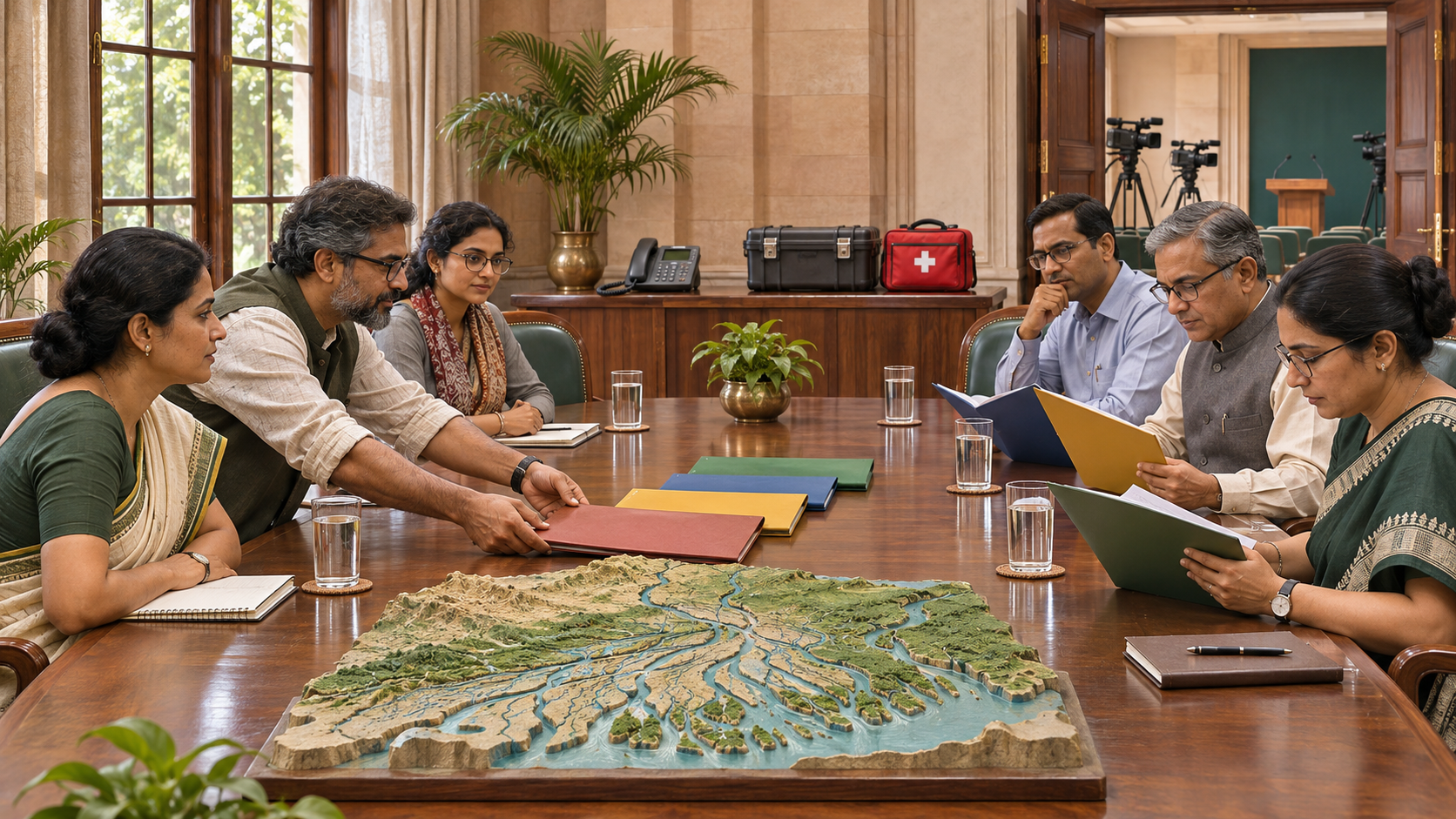
State-level mobilisation can keep the issue visible, but New Delhi conducts India’s relations with a foreign government. That division of responsibility matters. A state politician should not pretend to control diplomacy, and a national politician should not use a state protest as a substitute for executive action.
The immediate duty to protect people in Bangladesh belongs to Bangladeshi authorities. India’s political response can still press that duty through official engagement. A serious request to the Centre should seek actions that can later be checked:
- Verify reported incidents through appropriate official channels and state clearly what remains uncertain.
- Seek immediate protection for people and religious sites facing a credible threat.
- Press for investigations into verified attacks and accountability under the law.
- Ask what relief, repair or restoration will reach affected families and institutions where it is needed.
- Provide a public status update without exposing victims, witnesses or sensitive security details.
- Maintain engagement after the first assurance instead of treating a diplomatic statement as the end of the matter.
You can turn those points into a concise message to your representative: “Please state what your office has verified about the reported attacks, what action you are seeking from the Union government, and when you will report publicly on the response.” Add a request for protection, investigation and accountability. Avoid burying the demand beneath a long ideological argument; an office can evade a general expression of anger much more easily than it can evade a clear question.
Do not demand collective punishment, indiscriminate retaliation or action against people who had nothing to do with an attack. Such demands create new victims, weaken the credibility of Hindu advocacy and give responsible authorities an excuse to discuss inflammatory rhetoric instead of their own obligations. Firmness means insisting on protection and consequences for actual offenders, not transferring blame to an entire population.
Keep solidarity Hindu-centred without widening the target
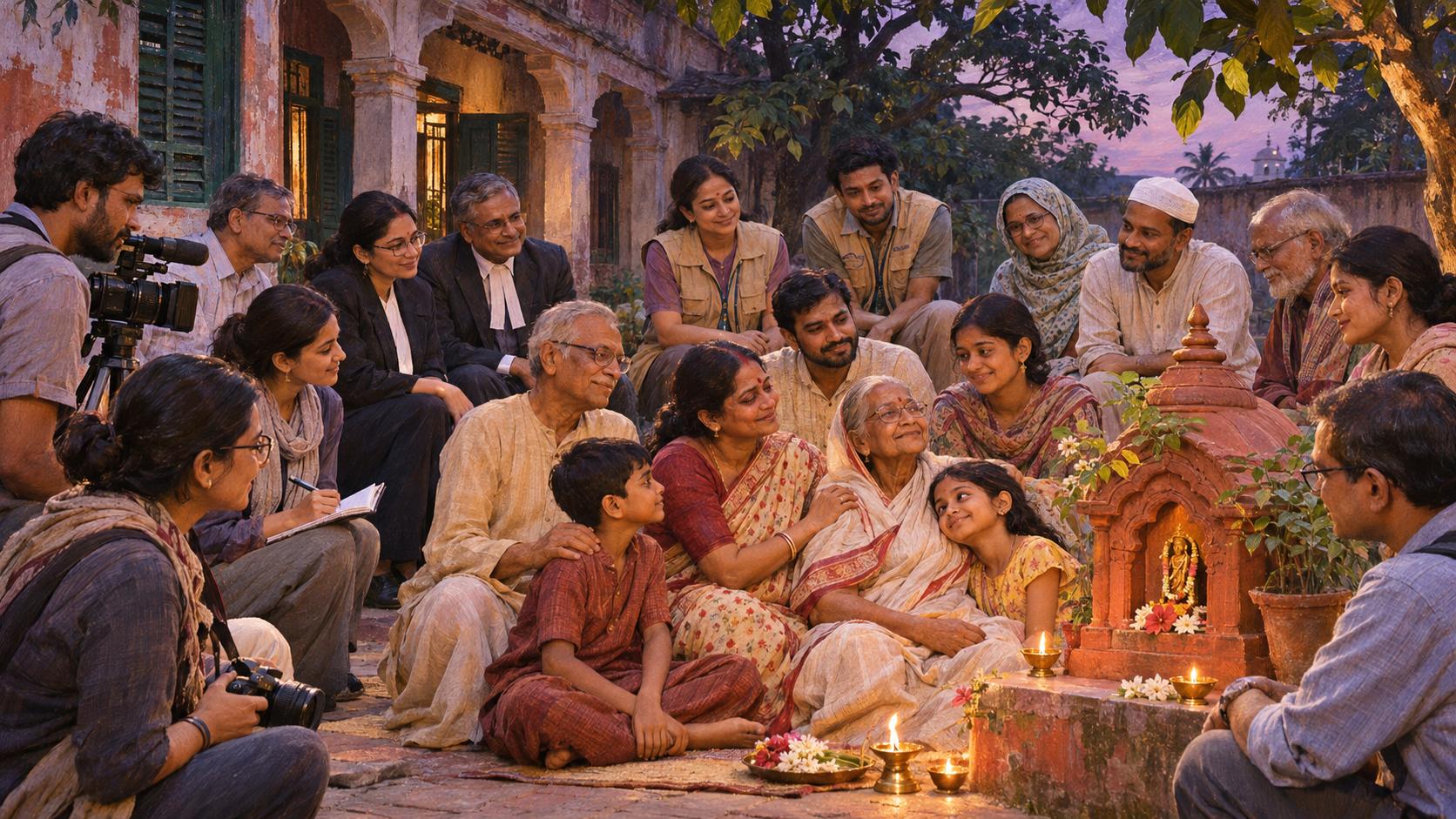
Bhattacharya’s appeal to Bengali Hindu identity can focus public attention on a community whose security is at issue. There is no virtue in erasing the Hindu identity of victims when evidence establishes that they were targeted as Hindus. Refusing to name anti-Hindu violence can make the harm appear accidental and prevent the pattern from being addressed.
Precision is just as important in the other direction. Responsibility belongs to perpetrators, instigators and authorities that fail to act. It does not automatically belong to every Bangladeshi citizen, every Bengali Muslim or any Indian community. Hindu advocacy becomes more defensible, not less forceful, when it draws that line clearly.
Use four rules when speaking or posting about an incident:
- Call an incident confirmed only when its location, circumstances and basic evidence have been established.
- If religious targeting is established, describe it plainly as anti-Hindu rather than hiding the motive behind vague language.
- Direct demands toward the responsible authorities and identified offenders, not a whole religious or national population.
- Keep the victims’ safety, recovery and access to justice at the centre of the message.
This discipline also protects the campaign from misinformation. Old photographs, unidentified videos and confident claims without a traceable origin can travel quickly during communal tension. Sharing them may feel like solidarity, but a false claim gives opponents a reason to dismiss accurate ones. If you cannot establish where an image came from, do not use it as proof.
Protect personal information as carefully as factual accuracy. Do not publish a threatened person’s address, travel plan, contact details or precise hiding place. Publicity that identifies a vulnerable person can increase the danger it was meant to expose.
Build a public trail that survives the speech

You do not need access to diplomatic meetings to test whether political concern is serious. You need a small, public record. Start with the commitment itself, then follow it until an answer appears.
- Save the exact statement made by the politician or organiser. Record what was promised rather than paraphrasing it into something stronger.
- Identify the authority expected to act. “The government” is too vague; the organiser should say whether the demand is directed to a state office, the Union government or Bangladeshi authorities through diplomatic channels.
- Ask when supporters should expect an update. If no time is given, request a follow-up point rather than inventing one.
- Record the reply, including partial answers and unanswered questions. Acknowledgement of a letter is not the same as action on its demands.
- Publish the status without exposing victims or confidential information. Use plain labels such as promised, raised, answered, pending and completed.
- Apply the same standard across party lines. Reward delivery, not merely the political identity of the speaker.
This record changes the incentive. A politician can move on easily when supporters remember only the emotion of a speech. It is harder to move on when the public can point to an exact commitment and an unresolved question.
It also helps you recognise meaningful progress. An official acknowledgement is better than silence, but it is not yet protection. A request sent to the Centre is better than a promise to send one, but it is not yet a diplomatic result. An assurance from Bangladesh may be important, but it still needs implementation. Each stage should lead to the next rather than being advertised as the finish.
Choose one representative and one protest organiser whose statements you can follow. Send each the same concrete questions, keep their answers, and check the promised follow-up. That is how concern for Bangladesh’s Hindus becomes a durable political obligation rather than a brief performance of outrage.
References

Leave a Reply
You must be logged in to post a comment.