
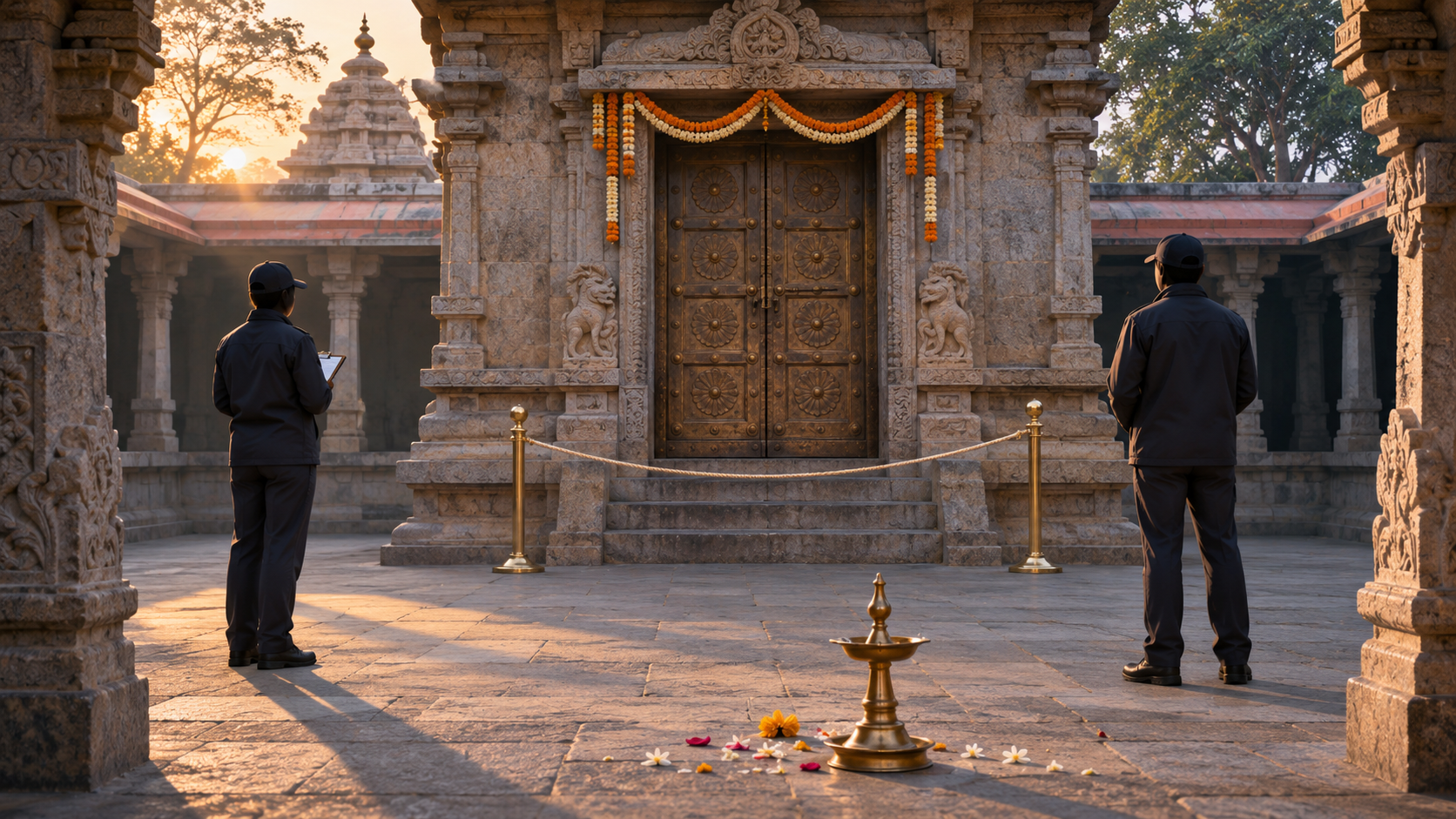
If you have heard that a murti at Shri Helekar Temple was desecrated and temple property was stolen, you probably want two answers: what is actually known, and what will prevent it from happening again. The responsible response is neither silence nor rumour. It is a documented investigation, preservation of evidence, ritually informed restoration and stronger control over access.
For devotees, damage to a murti is not ordinary property loss. It wounds a community’s sacred life. That makes disciplined action more important, not less: protect the sanctity of the temple while insisting that every conclusion rest on verified evidence.
What is established, and what must not be assumed
The Maharashtra Mandir Mahasangh has submitted a memorandum to Sindhudurg police and revenue officials seeking a thorough investigation into the reported theft and idol desecration at Shri Helekar Temple in Ubhadanda, Vengurla. The organisation also requested mandatory police verification of migrant labourers throughout Sindhudurg district.
Those are two distinct demands: investigation of a particular incident and adoption of a district-wide verification policy. Neither demand, by itself, establishes who committed the reported acts. A memorandum can place an issue before officials and press them to act, but it is not an investigative finding.
Do not assume a suspect, motive, arrest, recovery, valuation, exact form of damage or investigative outcome without official confirmation. A forwarded name, photograph or voice message is not evidence merely because it comes from another devotee. Sharing an unverified accusation can harm an innocent person and distract attention from the evidence police actually need.
If you receive information that might be relevant, preserve the original message and send it privately to the investigating authorities or the temple’s designated liaison. Do not edit it, add a theory or circulate it through community groups first.
Protect evidence before repairing the sacred space
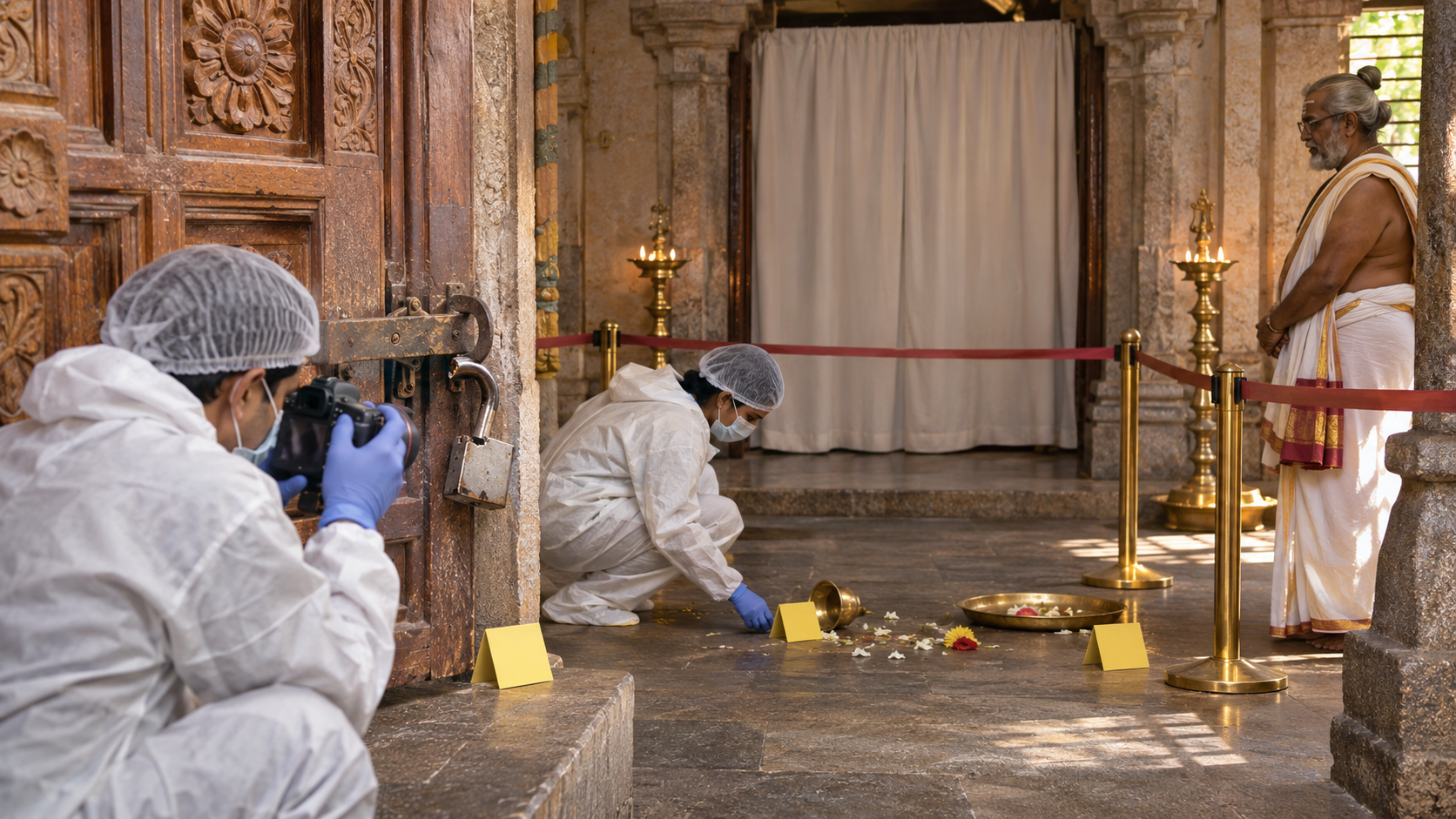
The first hours after damage is discovered can determine whether investigators receive usable evidence or a scene altered by well-intentioned cleaning. Devotees may understandably want the sanctum restored at once, but physical restoration should begin only after the relevant area has been released by police.
- Restrict entry. Close the affected area and record who enters after the discovery. Keep visitors, volunteers and media away from objects that may have been touched or moved.
- Ask police what must remain untouched. Do not sweep, wash, reassemble fragments, replace locks or reposition ritual objects until investigators give clearance. Police instructions should take priority while the scene is being examined.
- Preserve digital records. Secure existing camera footage, alarm records and electronic access logs before automatic systems overwrite them. Retain the original and make a controlled working copy; note who handled each copy.
- Prepare a factual inventory. Compare the visible condition with existing photographs and temple records. List each apparently missing or damaged object separately. Mark uncertain entries as uncertain instead of guessing a description or value.
- Create one incident log. Record when the damage was discovered, who discovered it, which officials were contacted and when evidence was handed over. Keep observations separate from suspicions.
- Appoint one liaison. A named temple representative should receive official updates, preserve correspondence and prevent contradictory public statements.
- Begin ritual restoration after release. Once police no longer require the scene, consult the priest, acharya or other authority appropriate to the temple’s own sampradaya and ritual tradition. Purification or reconsecration cannot responsibly be reduced to one universal formula.
If the affected area has already been released, the committee should still document its condition before repairs begin. Receipts, photographs, repair decisions and ritual directions should become part of the temple record. That protects both institutional memory and donor trust.
Turn public concern into trackable accountability
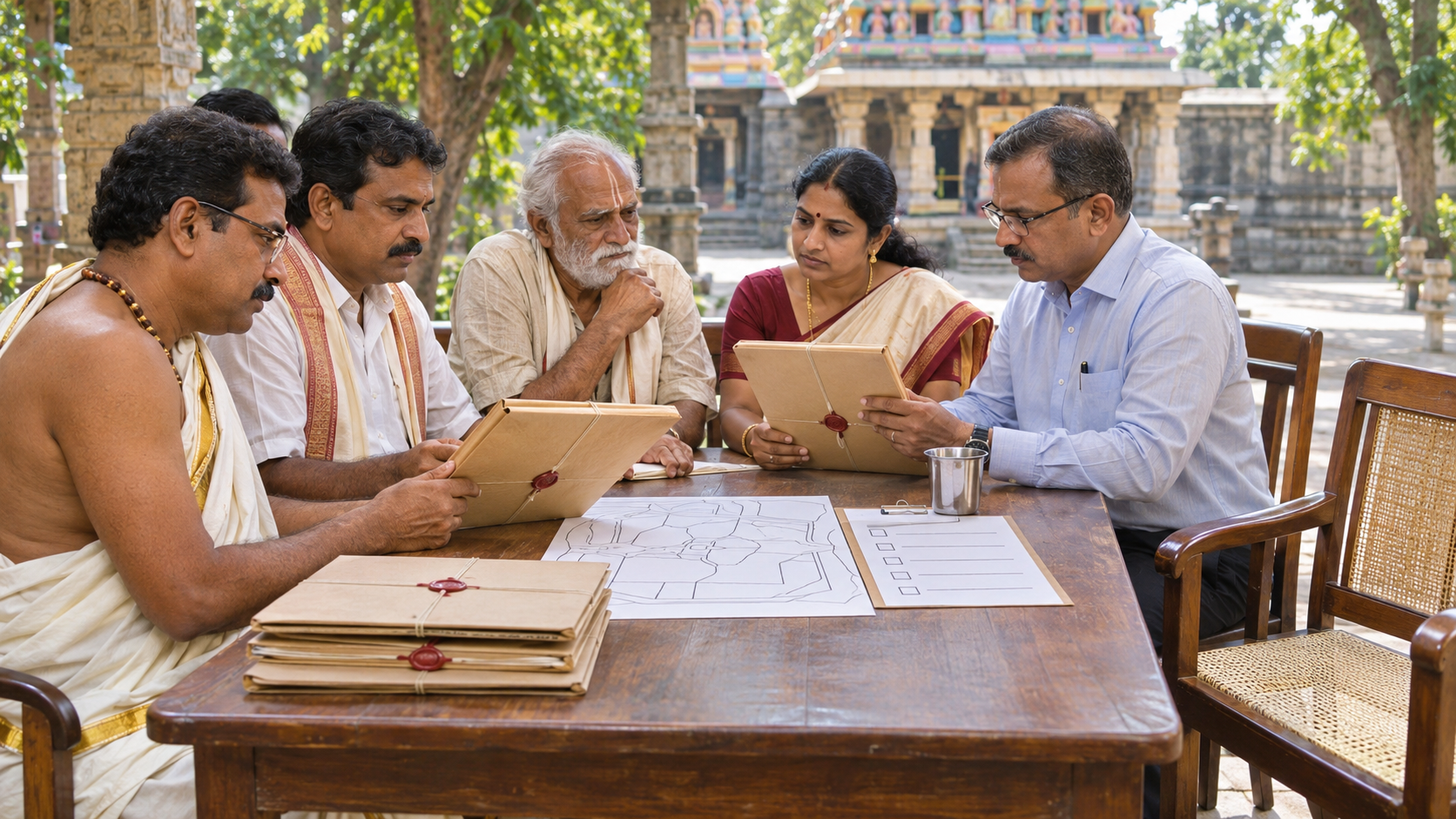
A call for a thorough investigation becomes meaningful only when it produces trackable questions. The temple committee does not need to publish sensitive evidence, but it should maintain a written register of requests and responses.
- Has a formal police complaint been registered, and what acknowledgement or reference identifies it?
- Which damaged or missing objects appear in the official record?
- Were camera footage, access records, fingerprints or other available evidence secured?
- Has the affected area been formally released for repair and ritual restoration?
- Which temple representative is authorised to communicate with police, revenue officials, priests and devotees?
- When will the committee request its next written status update?
Investigators may legitimately withhold operational details. Accountability does not require the public disclosure of witness identities, camera positions or evidence that could alert a suspect. Ask for procedural status and documented follow-through, not a running commentary on the case.
Public updates should use a disciplined format: what an authority has confirmed, what remains unconfirmed, what action has been completed and when the next update is expected. If officials do not respond, escalate the same written questions through the appropriate administrative channel and retain every acknowledgement. A local lawyer can advise the committee if it needs help understanding procedure or pursuing an unanswered complaint.
Temple security must be firm, consistent and fair

The request for mandatory verification of migrant labourers must be understood as a policy demand, not as proof against migrant workers. Any verification programme requires assessment by the competent authorities under applicable law. A person’s place of origin or employment status does not establish involvement in this incident.
A pro-Dharma response must protect the mandir without abandoning nyaya. The person proved responsible should face due process; an entire category of workers should not be treated as guilty by association. Collective suspicion can injure innocent people and pull attention away from access, opportunity and evidence.
Effective temple security follows responsibility and access. Apply the same written rules to local and migrant employees, contractors, vendors and volunteers performing comparable work. Collect only information that may lawfully be collected, protect it from casual disclosure and never publish identity documents in community groups.
- Maintain a current register of keys, duplicate keys and authorised holders.
- Use two authorised people for opening, closing and access to especially sensitive storage wherever practicable.
- Place cameras and lighting around entrances, storage areas and the perimeter without intruding on private acts of worship.
- Test whether recordings can actually be retrieved; a camera that displays a live image but preserves no usable footage creates false confidence.
- Keep dated photographs and descriptions of significant murtis, ornaments and ritual objects, with a protected copy stored away from the temple premises.
- Record contractor and vendor access in advance, including the area and purpose authorised.
- Review locks, alarms, lighting and emergency contacts after personnel changes or any unexplained access failure.
These controls are less dramatic than public accusations, but they are more likely to prevent a repeat. They also create an audit trail that helps police distinguish authorised presence from unauthorised access.
Key takeaways
- The established development is a memorandum seeking investigation of the reported theft and desecration; it is not a finding about who committed them.
- Preserve the scene, recordings and access records before cleaning, repair or ritual restoration begins.
- Track the complaint, evidence inventory, scene release and official responses in writing without demanding publication of sensitive investigative details.
- Strengthen access controls for everyone with relevant duties; do not turn a verification proposal into collective blame.
- Let the temple’s own ritual authorities determine the appropriate restoration after police release the affected space.
If you belong to the Shri Helekar Temple community, your next useful action is to ask the committee for a short factual status notice covering the complaint acknowledgement, evidence preservation, release of the affected area and the next official update. That creates pressure for action without feeding rumour or compromising the investigation.
References

Leave a Reply
You must be logged in to post a comment.