

If you are trying to decide whether the KGMU controversy is a proven scandal or merely a political accusation, the honest answer sits between those extremes. Uttar Pradesh STF investigators have reported grave findings, and the state government has ordered departmental action. But the facts now available do not amount to a final adjudication of every allegation or the guilt of every person accused.
What matters now is whether King George’s Medical University can protect the women involved, preserve evidence, test each allegation fairly, investigate the alleged protection of an accused doctor and publish an action-taken account detailed enough to earn public trust. That is the standard you should use when judging every official update that follows.
What is established, alleged and still unresolved
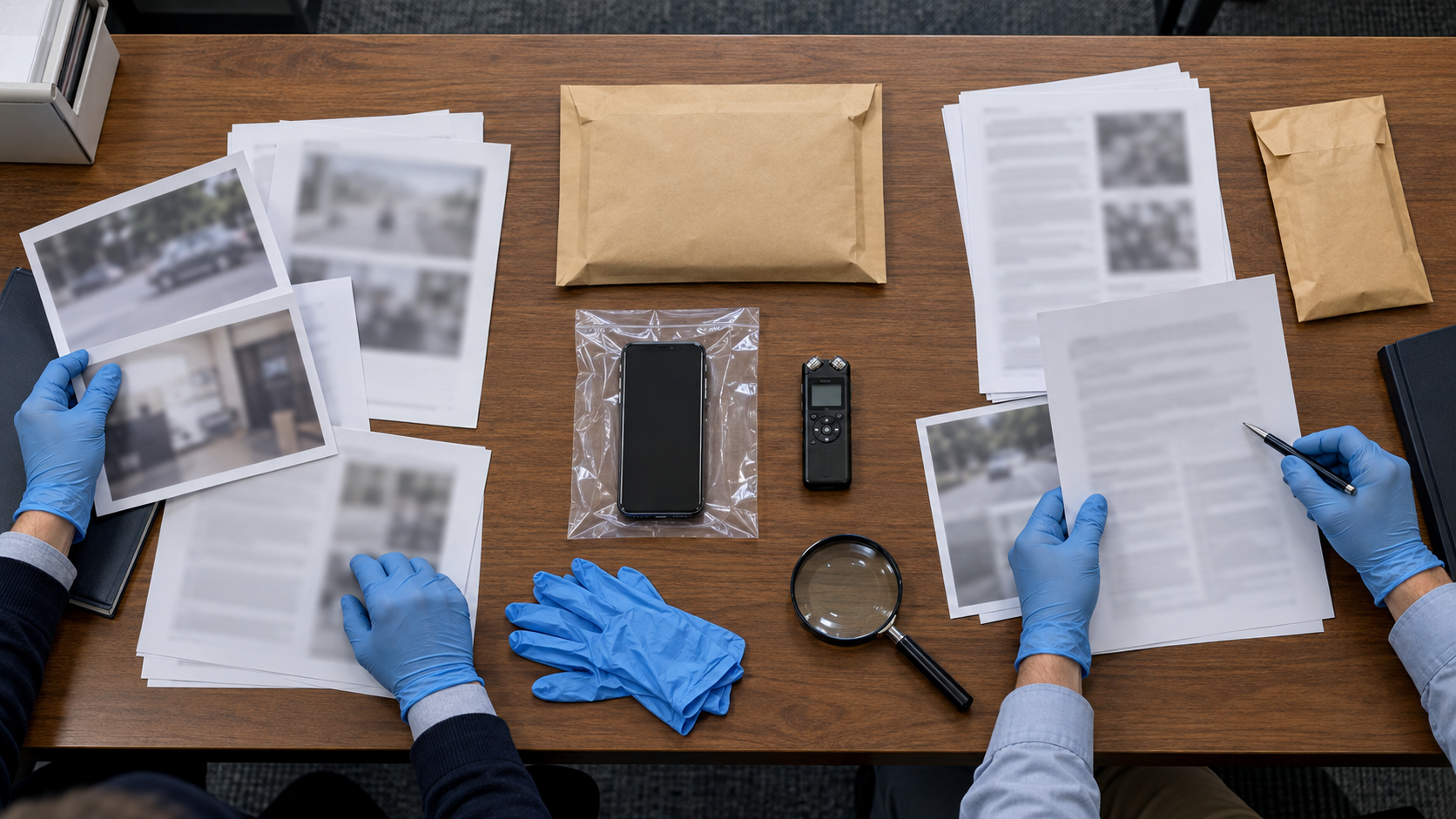
The sequence disclosed so far is specific enough to demand action, but not complete enough to justify declaring the entire case closed. Keep these stages separate:
- Shivam Srivastava, identified as President of the UP Youth Association, submitted the complaint that triggered the inquiry. It raised allegations of religious conversion, mental harassment, sexual exploitation and what the complainant called “Love Jihad” involving female students and employees at KGMU.
- UP STF investigators dated their findings 25 October 2026 and reportedly found evidence supporting allegations of organised conversion activity, exploitation, harassment and intimidation directed at Hindu women.
- Investigators reportedly identified the Pathology Department as a principal centre of the alleged activity. They also accused senior faculty members of protecting an accused doctor and suppressing complaints.
- On 30 October, the Uttar Pradesh government directed KGMU’s Registrar to initiate strict departmental action against personnel found involved and required the university to submit an action-taken report.
These points establish that the matter has moved beyond an unsupported social-media rumour. A state investigative body examined the allegations, reported finding supporting evidence and prompted a formal government direction. They do not, by themselves, establish a criminal conviction, disclose the complete evidentiary record or resolve how each accused person answers the claims.
That distinction is not a technical escape hatch. It protects complainants from having a serious inquiry dismissed as gossip, while also protecting the integrity of the eventual outcome. Institutional action becomes credible when it identifies which allegation is substantiated, which remains inconclusive and which is unsupported. Treating all claims as either automatically true or automatically fabricated would obstruct that work.
The allegations must be separated into testable questions
The expression “Love Jihad” may communicate the complainant’s understanding of a pattern, but a label cannot carry the evidentiary burden. Investigators must break the case into individual acts. Conversion pressure, sexual exploitation, workplace harassment, intimidation, retaliation and concealment are related allegations, not interchangeable ones.
For each affected woman, a sound investigation should establish:
- What conduct is alleged, when and where it occurred, and who was present.
- Whether anyone explicitly or implicitly linked a relationship, professional benefit, academic opportunity, threat or withdrawal of support to religious conversion.
- Whether an accused person held academic, clinical, supervisory or administrative power over the complainant.
- What communications, witnesses, contemporaneous notes or institutional records corroborate or contradict the account.
- When KGMU first received notice, who received it, what that person did and whether the complainant experienced pressure or retaliation afterward.
This method also protects an essential boundary: an adult’s voluntary interfaith relationship or voluntary change of religion is not proof of coercion. Religious difference alone cannot establish predation. At the same time, calling a relationship private cannot excuse threats, deception tied to exploitation, abuse of authority, sexual misconduct or punishment for refusing to convert.
The alleged targeting of Hindu female students and employees deserves direct investigation as a possible pattern. Pattern analysis should compare methods, locations, personnel and complaint histories. It should not turn religious identity into collective guilt. Protecting Hindu women and insisting on individualised evidence are not competing principles. Both are necessary if the outcome is to be just, durable and resistant to political manipulation.
What a credible KGMU action-taken response must contain

The government’s demand for an action-taken report creates a measurable test. “A committee has been formed” would describe an activity, not an outcome. KGMU should disclose enough structure, dates and findings to let students, employees and the public determine whether anything changed.
- Immediate protection without prejudging guilt. KGMU should state what confidential reporting route is open, how complainants can avoid direct contact with an accused person and how the university will prevent academic, clinical or employment retaliation. Interim reassignment can protect participants while an inquiry proceeds, but it should not be presented as a final finding.
- An independent decision-making chain. The university should identify the office or committee handling each part of the case, disclose relevant conflicts of interest and explain how anyone connected to the accused or to an earlier complaint has been excluded from judging it.
- Preservation of records. Relevant emails, messages held on institutional systems, duty rosters, attendance data, access records, complaint registers and administrative correspondence should be secured before routine deletion or informal alteration can occur. Access must be limited because careless circulation could expose complainants or contaminate testimony.
- An allegation-by-allegation matrix. Each claim should have a defined incident, responsible investigator, evidence status, next step and decision date. Bundling every complaint into one sweeping accusation makes weak claims harder to identify and strong claims easier to evade.
- A separate inquiry into the alleged cover-up. Investigators should trace who first knew of a complaint, what authority that person held, whether required action followed and whether anyone discouraged reporting. The alleged misconduct and the alleged institutional protection are different failures and require separate findings.
- Reasoned outcomes. Final classifications should distinguish substantiated, unsubstantiated and inconclusive allegations. “Unsubstantiated” should not be used as a synonym for “false” when the real problem is insufficient evidence. Privacy may require withholding names or intimate details, but it does not justify withholding the number and type of decisions reached.
- Clear separation of processes. Departmental proceedings determine institutional responsibility and workplace consequences; allegations that may constitute crimes belong with the appropriate investigative and judicial authorities. One process should not be used as a substitute for the other, and KGMU should say which process each matter has entered.
- Dated public follow-through. KGMU should provide deadlines for interim findings, final decisions and remedial measures, followed by a privacy-protective public summary. Without dates, an action-taken requirement can dissolve into indefinite internal correspondence.
Senior leadership should also examine whether the Pathology Department’s reporting structure concentrated too much power in too few hands. If students or junior employees believed that complaining would threaten their grades, training, references, shifts or careers, merely disciplining one person would leave the enabling conditions untouched. The remedy must address both individual conduct and the route by which complaints allegedly disappeared.
If you are directly affected, preserve safety and evidence

If you experienced coercion, harassment, sexual exploitation or retaliation at KGMU, you do not need to investigate the entire alleged network yourself. Your immediate job is to protect yourself and preserve what you personally know. If you face an immediate threat, move to a safe place, alert a trusted person and contact the appropriate emergency or law-enforcement authority. Do not attend a private confrontation in the hope of obtaining a confession.
- Keep original material intact. Preserve messages, emails, photographs, call records and files in their original form where possible. Do not crop, annotate or overwrite the only copy. Retain the device and account information that can help establish when and where material originated.
- Write a contemporaneous chronology. Record dates, locations, exact words you remember, witnesses, subsequent contact and any academic or workplace consequence. Separate what you personally saw or heard from what somebody else told you.
- Submit a written complaint. Use an official channel and request a dated acknowledgement or reference number. Describe conduct rather than relying only on labels: who asked for what, what pressure was applied, what authority the person held and what happened after you refused or complained.
- Request specific interim safeguards. Depending on the situation, these may include a no-contact arrangement, a different supervisor, a changed duty allocation or another way to complete academic and clinical requirements without exposure to the accused. Put the request in writing so the institution must answer it.
- Escalate outside a compromised chain of command. If the person receiving the complaint is implicated, closely connected to an accused person or refusing to acknowledge it, seek advice from a lawyer or an appropriate external authority about the next lawful route. This matters because repeatedly returning sensitive evidence to the same allegedly compromised office can expose both you and the material.
- Protect your privacy and legal position. Widespread posting of names, intimate details or screenshots can expose a complainant, alert an accused person before records are secured and create legal complications. Obtain qualified legal advice before publishing allegations or making recordings, because the applicable rules depend on the circumstances.
- Keep witness accounts independent. Witnesses should record their own recollections promptly and avoid coordinating language. Matching narratives produced through discussion can make truthful evidence appear rehearsed.
If someone confides in you, help that person reach safety, preserve originals and identify a trustworthy reporting route. Do not circulate the account for political mobilisation without consent, and do not pressure the person into a public statement. A survivor’s testimony is not community property. Responsible advocacy keeps attention on institutional action while protecting the person who may bear the greatest risk.
The same discipline applies if you are following the case as a concerned Hindu. Ask for transparent procedures and protection for Hindu women, but do not amplify unverified names or communal rumours. False identification can harm an innocent person, expose the publisher to legal risk and give a negligent institution an excuse to shift attention away from documented failures.
Key takeaways
- UP STF investigators reportedly found evidence supporting serious allegations involving conversion pressure, exploitation, harassment and intimidation of Hindu female students and employees at KGMU.
- The Pathology Department was reportedly identified as a principal centre of the alleged activity, while senior faculty members were accused of protecting an accused doctor and suppressing complaints.
- The Uttar Pradesh government has directed KGMU’s Registrar to begin departmental action and submit an action-taken report.
- These developments justify urgent protective and investigative measures, but they do not eliminate the need for individualised evidence, replies from the accused and reasoned findings.
- Coercion, sexual misconduct, retaliation and institutional concealment must each be investigated separately; a voluntary interfaith relationship is not itself proof of any of them.
- The real accountability test is whether KGMU protects complainants, preserves records, examines the alleged cover-up and publishes dated, privacy-conscious outcomes.
When the next official update appears, do not ask only whether someone was suspended. Ask whether complainants are safer, whether relevant records were secured, whether conflicted officials were removed from the decision chain, whether the alleged suppression of complaints was traced and whether each conclusion carries a clear evidentiary status. If KGMU answers those questions in writing, accountability is moving. If the response remains a slogan or an unnamed committee with no deadline, insist on specifics.
References

Leave a Reply
You must be logged in to post a comment.