
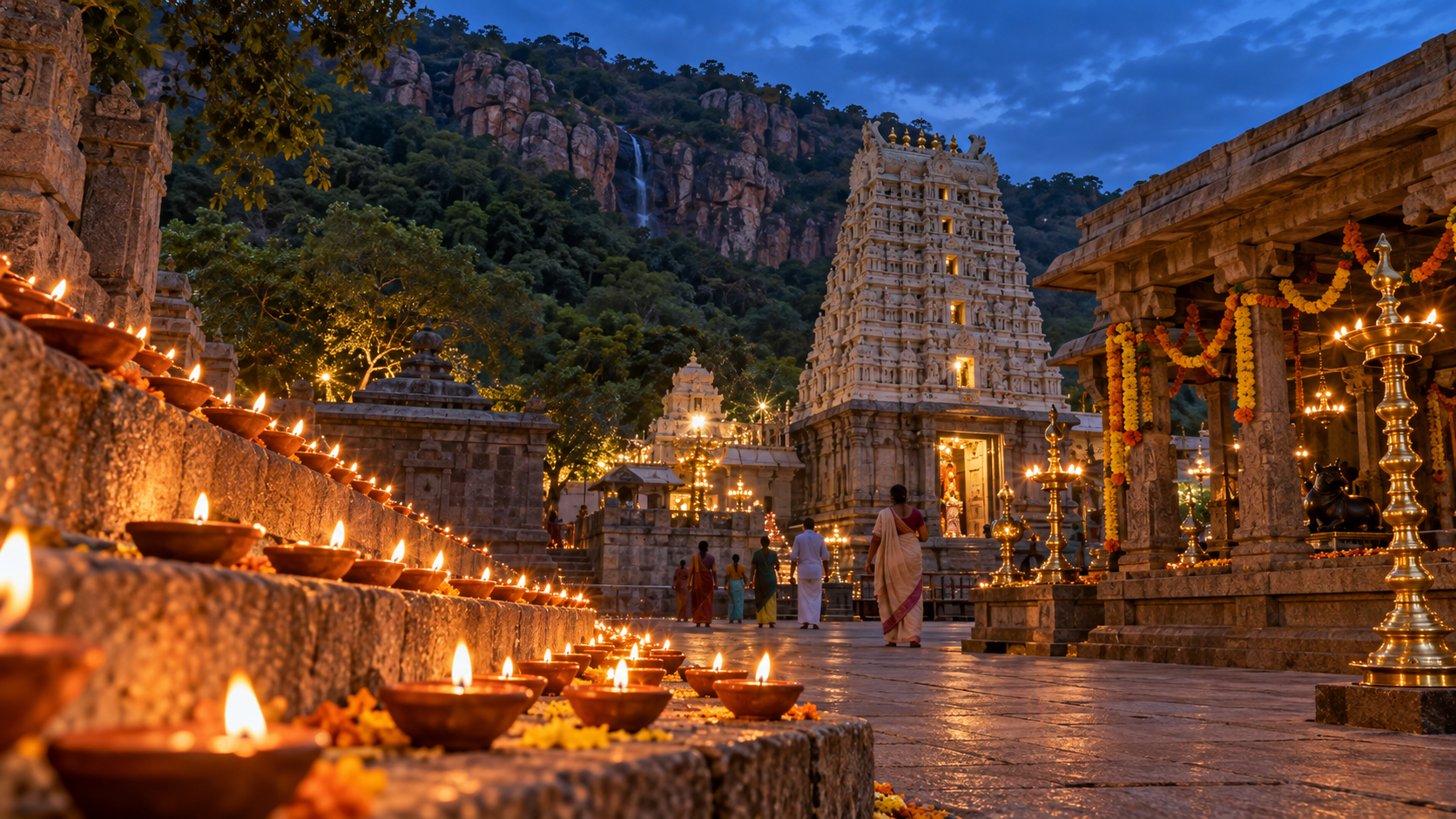
If you are deciding when to visit Tirupati, when to observe Nagula Chavithi, or how to organise your Karthika Masam vrata, begin with three dates. At Kapilateertham in Tirupati, TTD is scheduled to conduct special Karthika pujas and homams at Sri Kapileswara Swamy Temple from November 10 through December 8, 2026. Nagula Chavithi falls within that period, on November 13.
Those dates give you a usable framework, but they do not make every day interchangeable. The temple programme is one observance, Nagula Chavithi is another, and your family’s Karthika discipline may continue according to its own sampradaya. Plan each layer deliberately instead of treating the month as one undifferentiated festival.
The three 2026 dates to place on your calendar
| Date | Observance | What you should decide |
|---|---|---|
| November 10, 2026 | First announced day of the special Karthika pujas and homams at Sri Kapileswara Swamy Temple | Use this as the opening of the Kapilateertham temple window, not as proof of a particular ritual time. |
| November 13, 2026 | Nagula Chavithi, also called Nag Chaturthi | Set aside the day for Naga Devata worship if it belongs to your family or regional tradition. |
| December 8, 2026 | Final announced day of the Kapileswara temple programme | If you intend to attend during Karthika, choose a primary visit date and a fallback before this day. |
Key takeaways
- The Kapilateertham programme has a stated window from November 10 through December 8; it is not a ritual-by-ritual timetable.
- Nagula Chavithi falls on November 13 in 2026 and is observed on the fourth day after Deepavali in the Telugu calendar.
- Nagula Chavithi is especially associated with Andhra Pradesh and Telangana, so devotees following another regional calendar should not assume every local custom or civil date is identical.
- If November 13 is your only possible Tirupati date, do not assume that the Kapileswara programme will include a special Naga observance. Confirm the day’s actual temple schedule first.
Do not mistake one temple programme for the entire Karthika calendar
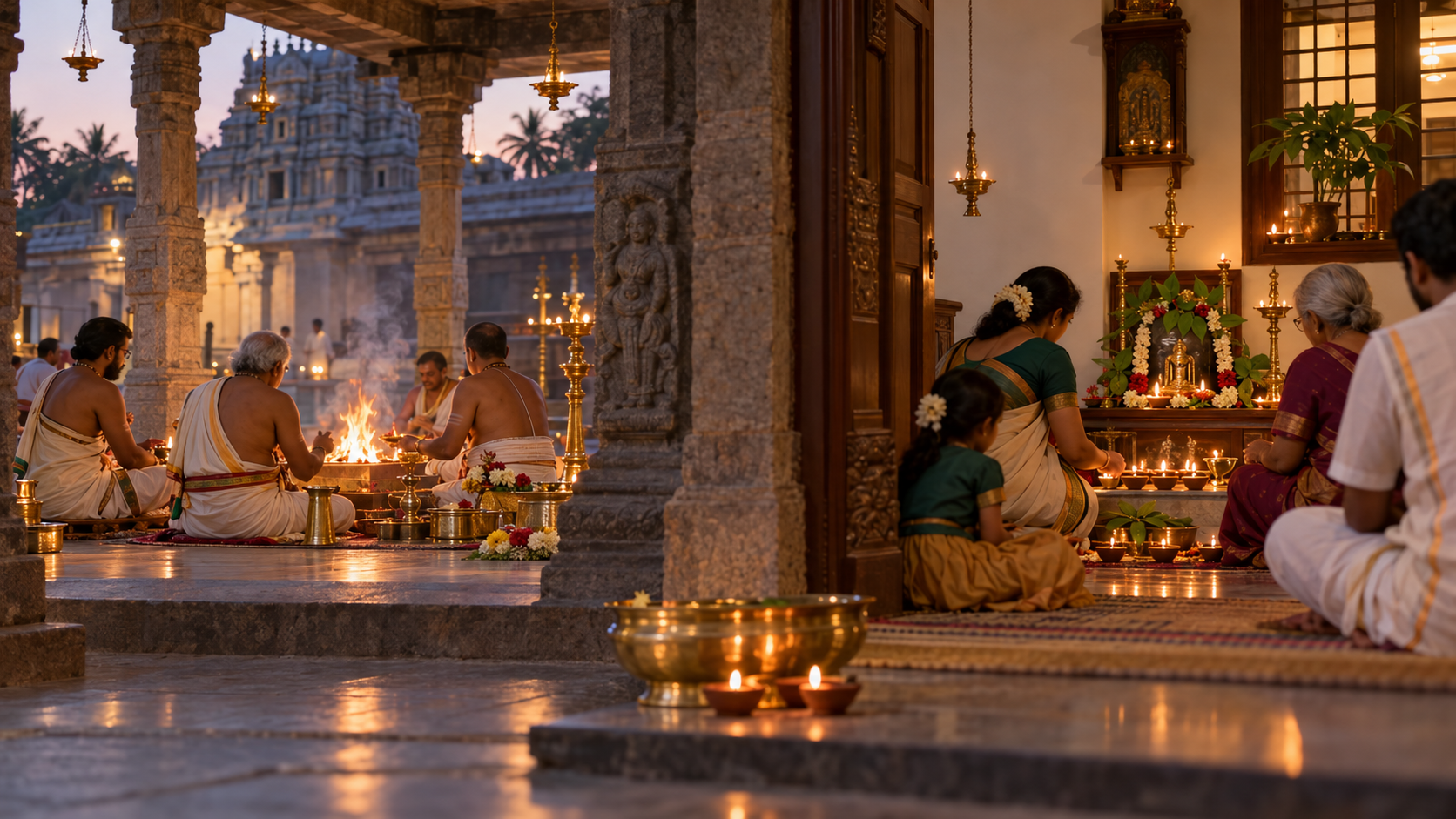
The November 10-December 8 range belongs specifically to the special programme at Sri Kapileswara Swamy Temple. It should not automatically be used as the beginning and end of Karthika Masam for every family, temple, region, or country. Lunar observance is shaped by the calendar tradition and, in some cases, local tithi timing.
Nagula Chavithi adds a second calendar layer. It is a Telugu regional festival centred on the worship of Naga Devata. Its November 13 date sits inside the Kapilateertham programme, but that overlap does not turn the two observances into one event. A Shaiva temple’s month-long pujas and homams have their own liturgical purpose; the Chavithi observance has its own deity focus and inherited family customs.
This distinction matters when you make travel or vrata decisions. Choose November 13 because you intend to observe Nagula Chavithi, because the day’s confirmed temple arrangements serve your purpose, or for both reasons. Do not choose it merely because it appears inside the broader temple window.
If you live outside Andhra Pradesh or Telangana, keep the published November 13 date as your starting point and then check the panchang followed by your local temple. Tithi boundaries can interact with location and calendar convention. Once you choose a recognised calendar for the observance, use it consistently rather than combining a date from one tradition with timings from another.
How to plan a Kapilateertham visit without making assumptions
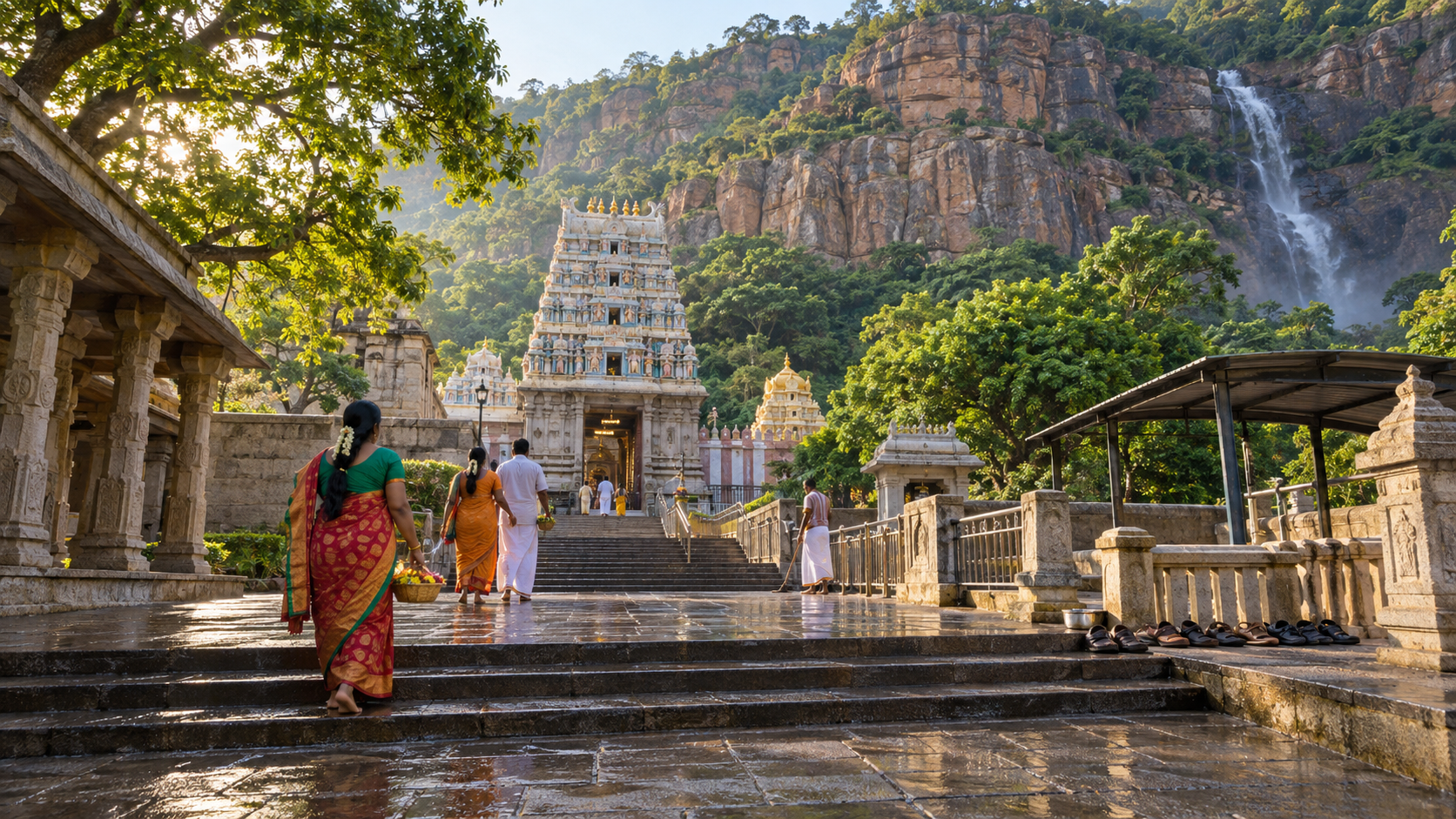
The confirmed outline identifies special pujas and homams and gives their date range. It does not, by itself, tell you the daily ritual time, whether formal participation is available, whether registration is required, or what arrangements apply on the day you select. A reliable visit therefore has two stages: choose the devotional purpose now, then confirm the operational details closer to the date.
- Name the purpose of your visit. Decide whether your priority is darshan of Sri Kapileswara Swamy, witnessing a puja or homam, seeking permission to participate in a ritual, or marking Karthika Masam with a family temple visit. These are not automatically the same plan.
- Choose a primary date and a fallback. Keep both within November 10-December 8 if your intention is specifically tied to this temple programme. A fallback protects the observance if the daily schedule, access arrangements, or your travel plans change.
- Verify the day’s details directly. Ask the temple or TTD about the named rituals, their times, entry or registration requirements, reporting location, permitted offerings, and any dress or queue instructions. A programme announcement should not be treated as a booking confirmation.
- Separate darshan from homam participation. Even when a homam is being conducted, that does not establish that every visitor can sit for it, sponsor it, or enter the ritual area. Ask specifically what devotees may attend and what requires prior arrangement.
- Keep the spiritual plan viable if travel fails. Decide in advance which prayer, japa, reading, lamp offering, or act of seva from your own tradition you will perform at home if you cannot reach Tirupati. The substitute should support your sankalpa, not imitate a temple homam without guidance.
If you are travelling with an elder, a child, or someone who cannot wait comfortably, confirm the expected reporting and queue arrangements before promising a long ritual visit. Devotion is not improved by building the day around details no one has verified.
Build your Karthika observance around two clear anchors
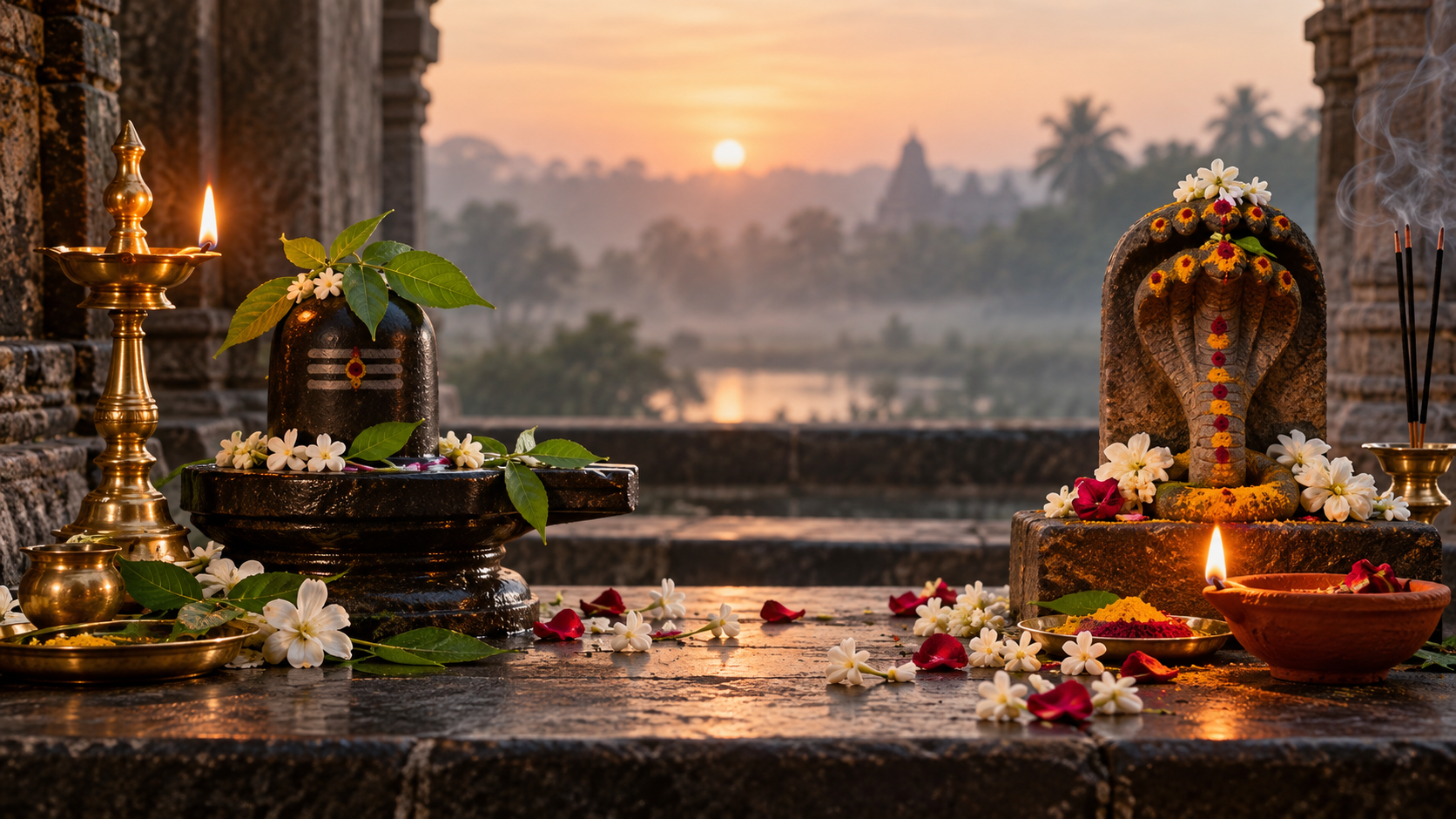
Keep Nagula Chavithi as a distinct observance
For November 13, begin with the custom your family actually follows. Ask an elder or priest before deciding on fasting, offerings, or a particular form of Naga worship. Regional observances live through sampradaya; a generic online checklist should not displace a practice that has been transmitted carefully in your home or temple.
If your family has no established procedure, keep the worship simple and reverent under local guidance. You can offer prayer to Naga Devata at an appropriate shrine without treating contact with a live snake as a religious requirement. Do not approach, handle, or disturb a wild snake; symbolic or temple worship is the safe course.
Choose a Karthika discipline you can sustain
A month-long observance becomes more coherent when you choose one repeatable discipline rather than collecting unrelated rituals. Select a practice your sampradaya already recognises: a safely tended lamp, a fixed period of japa or parayana, temple darshan, or a recurring act of seva. If you light a lamp at home, place it securely and never leave it unattended.
You can then use November 10 as the opening anchor for the Kapilateertham programme, November 13 for focused Naga Devata worship, and December 8 as the programme’s stated final date. December 8 should only close a vow if you intentionally tied that vow to the Kapileswara observances; it is not presented here as a universal end date for every Karthika tradition.
Put the three dates in your calendar now. Next, write one sentence stating what you intend to observe, choose your primary and fallback temple dates, and confirm the daily arrangements directly before you travel. That gives your 2026 Karthika practice both devotional focus and a plan you can actually keep.
References
- Hindu Pad – Karthika Masam Pujas at Kapilateertham Kapileshwara Swamy Temple in 2026
- Hindu Pad – Nagula Chavithi 2026 | Nag Chaturthi

Leave a Reply
You must be logged in to post a comment.