
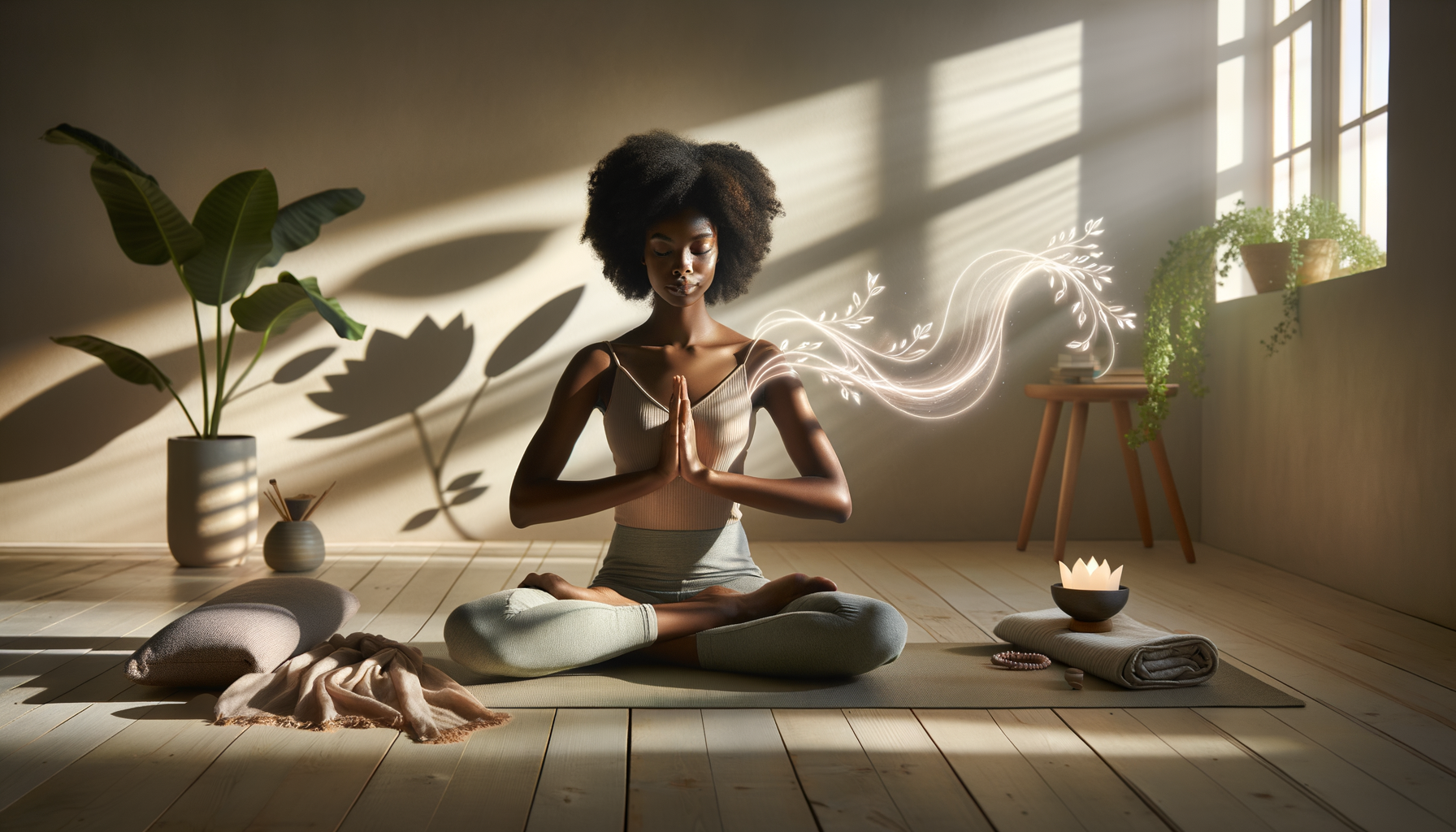
Yoga is best understood as a disciplined method for integrating body, mind, and inner awareness. Grounded in classical Yoga philosophy and strengthened by contemporary insights into the mind-body connection, its practices cultivate inner peace by reducing stress, stabilizing attention, and aligning one’s actions with ethical clarity.
Stress frequently fuels anger, jealousy, fear, and agitationmental states that disturb equilibrium. By emphasizing breath awareness, mindful movement, and meditation, Yoga offers an effective pathway for stress reduction, allowing negative emotional patterns to loosen and dissolve into greater peace of mind.
At the practical level, conscious breathing (pranayama) shifts the nervous system toward calm responsiveness rather than reactivity. Slow, even exhalations and gentle rhythm help quiet mental fluctuations, easing physical tension and restoring clarity. Practitioners commonly report that a few minutes of focused breath awareness can transform the emotional tone of an entire day.
Mindful movement through asana complements breath practices by releasing muscular tightness and enhancing embodied presence. When movement, breath, and attention are aligned, the mind settles naturally. This synergy supports emotional balance and nurtures an abiding sense of inner peace.
Meditation (dhyana) deepens this process by training sustained attention and cultivating compassionate awareness. Practices that emphasize friendliness (maitri) and non-harming (ahimsa) reduce inner conflict and encourage harmonious relationships, reinforcing peace within and peace with others.
Ethical foundationsyama and niyamaanchor Yoga’s promise of peace. Non-violence, truthfulness, moderation, contentment, and self-study align behavior with values, reducing sources of regret and interpersonal strain. When ethics and practice mature together, peace becomes both a personal experience and a social offering.
These insights resonate across Dharmic traditions. In Hinduism, Yoga and meditation cultivate citta-shuddhi (clarity of mind). In Buddhism, mindfulness and loving-kindness practices calm reactivity and foster compassion. In Jainism, samayik nurtures equanimity and non-violence in thought, word, and deed. In Sikhism, simran and naam jap stabilize attention and soften the heart. Though methods vary, the shared emphasis on inner stillness, ethical living, and universal goodwill affirms a common commitment to peace.
Relatable daily rhythms illustrate this integration. A short morning sequencegentle asana, five minutes of breath awareness, and a brief meditationoften produces noticeable calm, increased focus, and more patient responses to everyday challenges. Many find that such steady practices gradually replace cycles of stress with steadiness and clarity.
In sum, Yoga advances peace by uniting breath, body, and attention, and by orienting life around compassionate ethics. As stress fades, qualities such as patience, forgiveness, and understanding become natural. The result is inner peace that radiates outwardsupporting harmony within families, communities, and the broader world.
Inspired by this post on Hindu Pad.
