
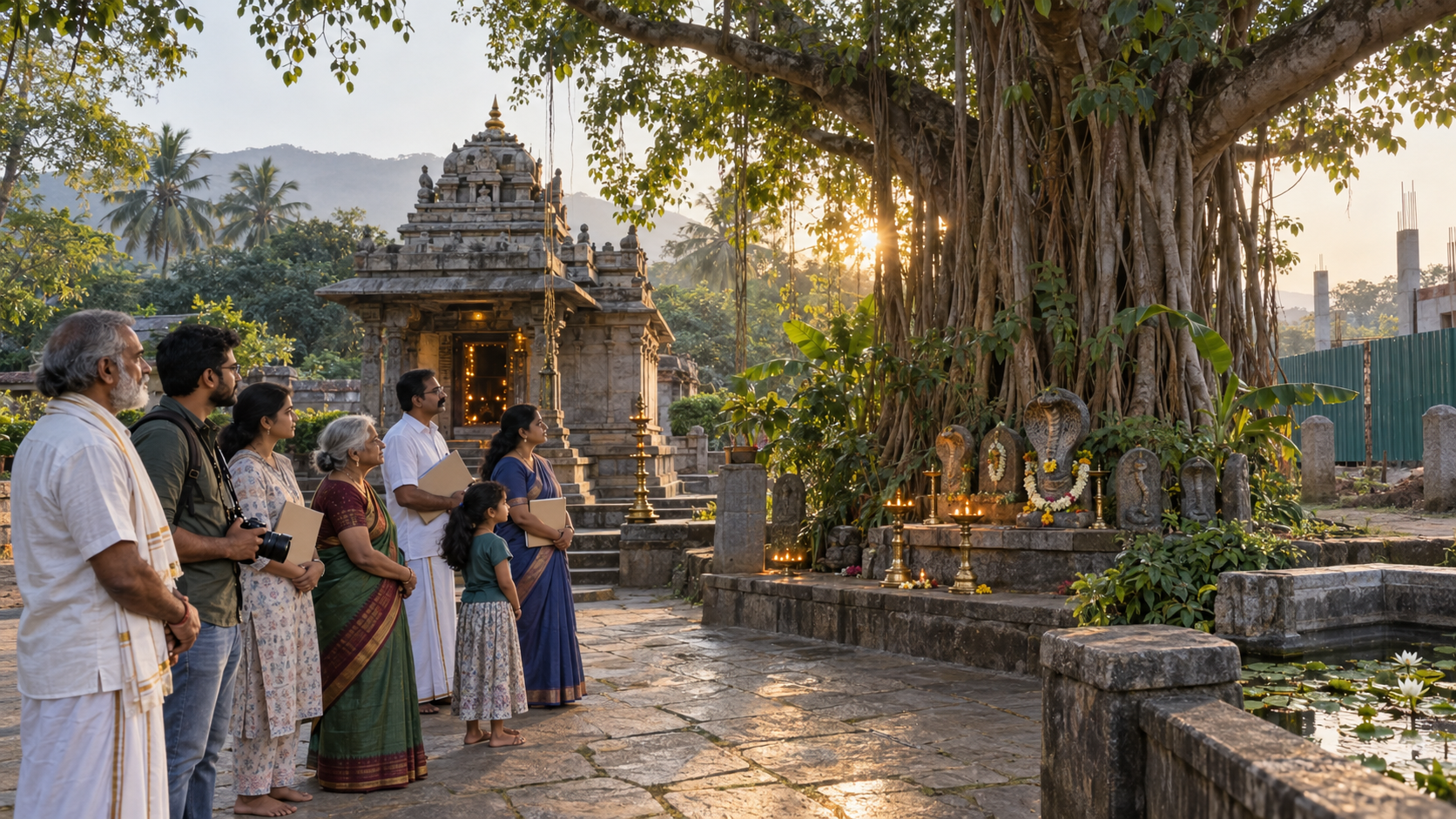
If a temple, Daivasthana, Nagabana or basadi in your area is suddenly drawn into a land-allotment fight, the first hours often produce more heat than reliable information. A forwarded video becomes proof, a rumour becomes motive, and the community feels forced to choose between silence and confrontation. That is a false choice.
You can defend a sacred place firmly without surrendering fact, lawful process, public safety or dharmic restraint. The immediate work is to identify precisely what is threatened, build a record officials must answer, protect worshippers, and deny provocateurs the disorder that would weaken your case.
Name the dispute before you name the enemy
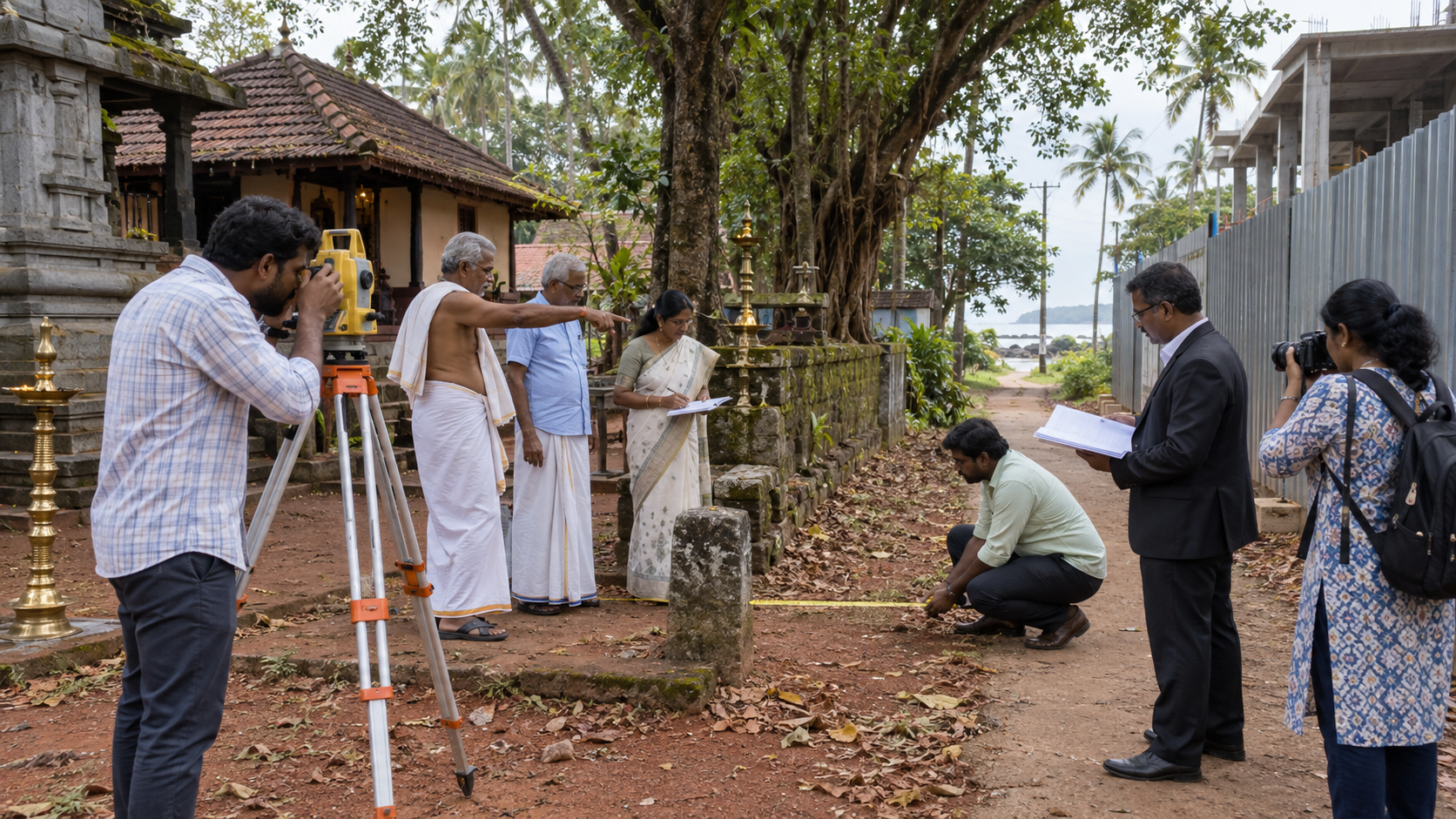
“Contested religious space” can describe several different problems. Treating all of them as one communal attack leads to the wrong response. Classify the problem before you mobilise:
- An immediate safety incident: assault, vandalism, forced entry, arson or a credible threat against people. Move worshippers away from danger, contact the police or emergency services, preserve evidence, and do not send volunteers to investigate suspected offenders.
- An administrative land dispute: an allotment, boundary change, access restriction, construction project or proposed change of land use. The decisive material will be orders, maps, approvals, land records and the authority under which the decision was made.
- A dispute over sanctity or conduct: behaviour near a sacred site that devotees consider offensive or incompatible with its religious character. Verify the location, date, applicable rules and actual conduct before attributing intent.
- A heritage or access problem: gradual encroachment on a grove, procession path, water source, entrance or customary worship area. Historical maps, photographs, maintenance records and consistent testimony may matter more than a dramatic social-media clip.
The Moodushedde controversy is principally an administrative and heritage dispute. Two acres in Survey No. 74 were reportedly allotted for a Muslim burial ground near the Jarandaya Daivasthana, a Nagabana and Jain basadis. Opponents say the land lies within a larger area reserved for the Pilikula Development Authority, that consultation was inadequate, and that preliminary digging has begun. Those are serious claims, but each calls for documentary verification rather than a conclusion based only on proximity or political suspicion.
A different controversy arose when a circulating video appeared to show people eating non-vegetarian food near the Shiva temple at Kudalasangama. A video may establish conduct and location if it is authentic and complete. It does not automatically establish who organised the act, why it occurred, what local rule applied, or whether the clip omitted relevant context. Your response should begin with those unanswered questions.
A burial ground is itself a legitimate religious and civic need. Recognising that does not require Hindus or Jains to accept every proposed location. The defensible question is whether this particular plot was chosen through a lawful, transparent and even-handed process that adequately considered established sacred sites. Challenge the decision, evidence and process. Do not turn every member of another community into the accused.
Build a record that can survive hostile scrutiny
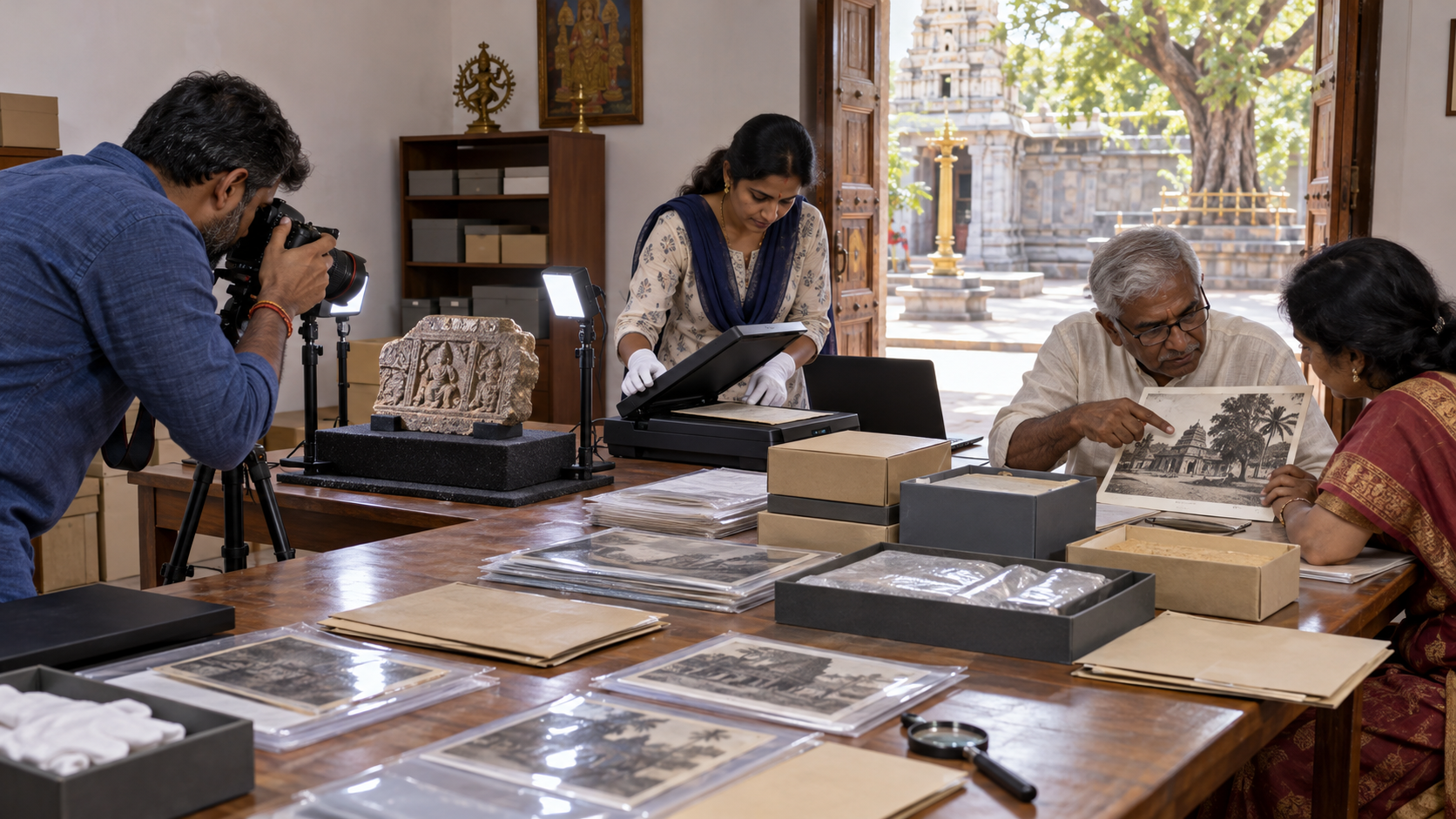
Your evidence file should be strong enough to use before an administrator, lawyer, court, journalist or sceptical neighbour. That means preserving inconvenient facts as carefully as supportive ones. A dossier assembled only to confirm a preferred story will collapse as soon as one doubtful claim is exposed.
- Open a single incident file. Record the exact location, relevant survey number, affected sacred sites, known dates and current physical activity. Keep separate headings for verified fact, reported claim and community inference. Never blend them.
- Preserve original media. Save the complete photograph or video, its original link, the uploader’s public account, the time it was retrieved and any available file metadata. Keep an untouched master. Cropped, subtitled or annotated copies may be useful for explanation, but they should never replace the original.
- Map the sacred landscape. Mark property boundaries, entrances, customary paths, groves, shrines, water features and nearby construction. Add photographs taken from identifiable public locations. A map makes practical effects visible without relying on inflammatory language.
- Collect the decision trail. Seek the allotment order, site plan, designated land use, approving authority, permissions, consultation record and any examination of alternative sites. Use the lawful information-request mechanism available in the jurisdiction, and retain proof that each request was received.
- Describe concrete harm. Record blocked access, physical damage, interference with worship, sanitation problems, safety risks or disturbance to a documented ritual practice. General dislike of a neighbouring community is neither evidence nor a workable administrative objection.
- Take unscripted witness accounts. Ask each witness to describe only what that person directly saw or heard. Retain contact details securely, obtain consent before publication, and distinguish eyewitness testimony from information received through others.
In Moodushedde, the reported reservation of the wider area for the Pilikula Development Authority could be highly relevant, but it does not by itself settle whether the particular allotment was authorised. The exact order, map and approvals must answer that. Likewise, reported digging creates urgency because the site may change; it is not proof that the underlying decision is illegal.
Treat accuracy as part of security. A falsely captioned image or exaggerated allegation can travel farther than the later correction. It can also discredit genuine evidence, expose individuals to harassment, and give officials an excuse to avoid the substantive land question. Before forwarding any claim, ask: Who recorded it? Where? When? Is the full file available? What does it prove, and what does it merely invite you to assume?
Ask for a review officials can actually conduct
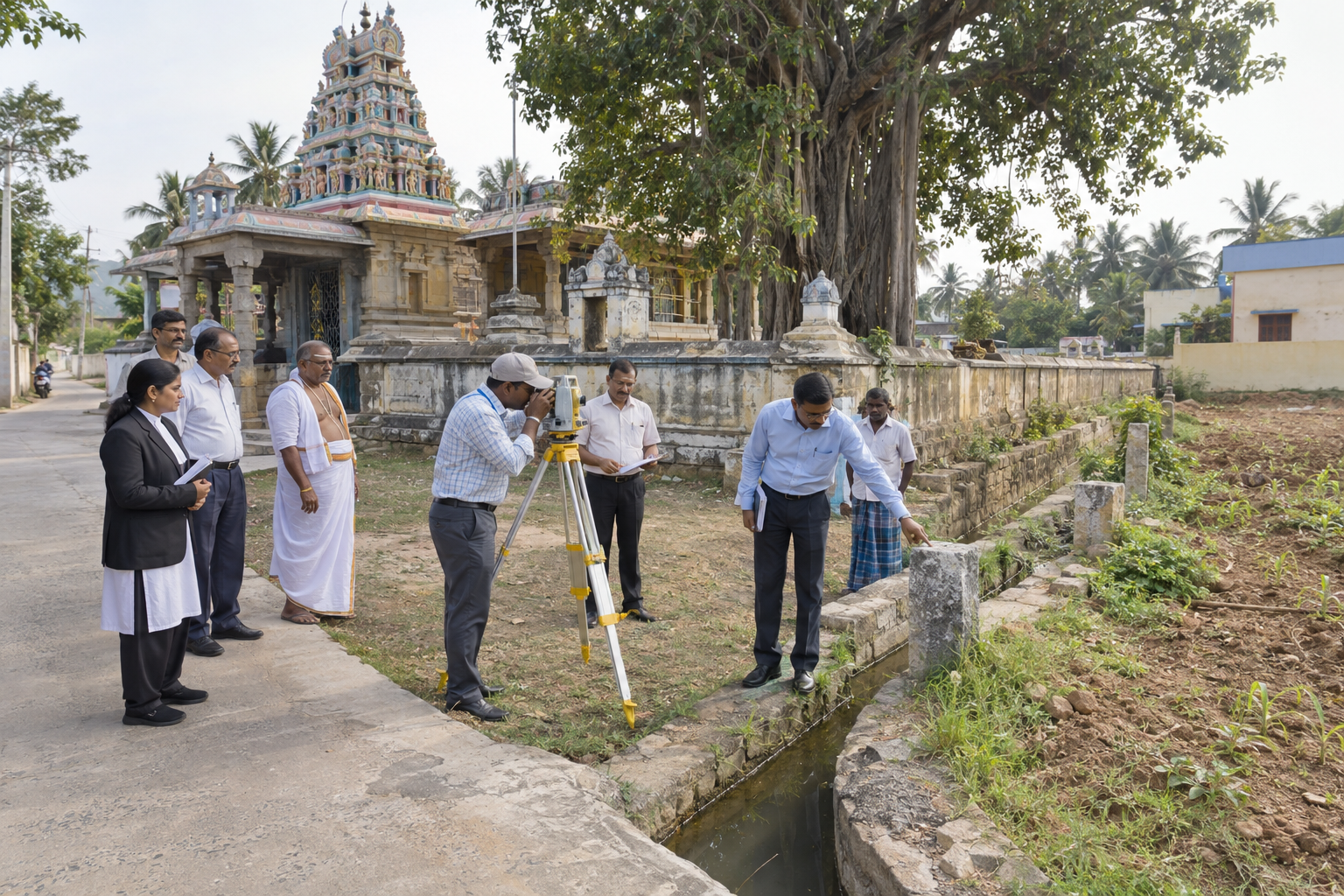
“Respect Hindu sentiments” expresses the grievance but does not tell an administrator what to examine or remedy. Convert the grievance into requests that can be answered in writing. For a disputed allotment near sacred sites, ask for:
- a temporary pause in new physical work while the decision record is disclosed and reviewed;
- an authenticated public copy of the allotment order, site plan and map identifying the plot;
- the stated legal and planning basis for using the land for the proposed purpose;
- the identity of each approving authority and the permissions already granted;
- the record of consultation with local residents and the affected Hindu and Jain institutions;
- a joint site inspection that includes the administration, the allottee and representatives of the nearby sacred sites;
- the criteria used to consider or reject alternative locations; and
- a reasoned written decision responding to the evidence and objections.
Submit one coherent dossier instead of sending officials a stream of contradictory messages. Keep the demands identical across letters, public statements and meetings. Record delivery, acknowledgement and every written response. If several organisations are involved, agree on the verified facts and minimum remedy before announcing a campaign.
The initial request need not prejudge the legal result. If the documents reveal an unauthorised diversion, procedural defect or ignored restriction, a local lawyer can advise which remedy is available. If the allotment is legally valid, the community can still seek an alternative site or enforceable protections for access, sanitation, boundaries, vegetation, worship and the dignity of every religious use. Do not promise cancellation, accuse an official of corruption, or declare an allotment illegal without qualified review of the actual records.
Political criticism may be justified, but it should follow the evidence rather than substitute for it. Ask whether similarly situated religious institutions receive the same consultation, disclosure and planning scrutiny. Comparable treatment is a testable question. A sweeping claim about motive is not.
Secure people without turning the site into a flashpoint
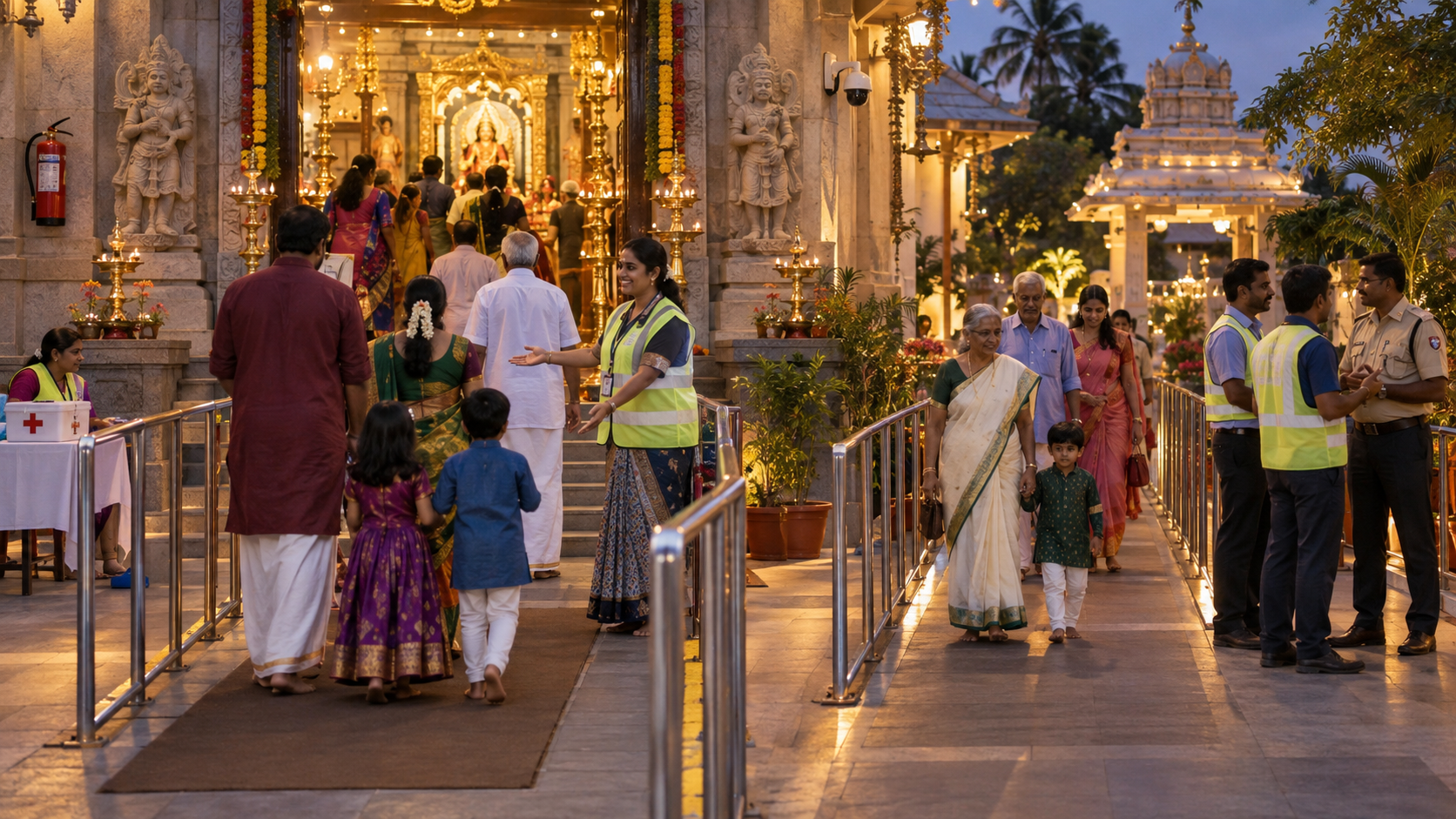
Security is more than guarding a boundary. It includes safe worship, disciplined communication, evidence preservation and control over how supporters behave. Review lighting, locks, emergency exits, first-aid supplies, camera coverage and retention of recordings. Name a contact for police and administrators, a media spokesperson, and trained stewards for any large gathering. Make sure elders, children and people with limited mobility have an unobstructed way to leave.
| What you encounter | Immediate response | What weakens your case |
|---|---|---|
| Violence, fire, vandalism or a credible threat | Move people to safety, call the police or emergency services, and preserve evidence from a safe location. | Chasing suspects, retaliating, contaminating the scene or livestreaming vulnerable people. |
| Unexpected digging, construction or entry | Document the activity from a place where you may lawfully stand, note vehicles and visible notices, and alert counsel and the responsible authority. | Entering the work area, damaging equipment, threatening workers or physically obstructing people without lawful authority. |
| Provocative but non-violent conduct | Keep worshippers apart from the incident, verify the facts, and let a designated representative make the complaint. | Surrounding individuals, collective punishment, abusive slogans or editing a clip to remove context. |
| An alarming social-media claim | Locate the earliest available upload, verify place and time, retain the complete file, and label uncertainty. | Reposting first and checking later, publishing personal addresses or treating identity as proof of intent. |
Calls for a public mobilisation, including the reported “Moodushedde Chalo” campaign, increase the organiser’s duty of care. Before attending or promoting such an event, ask whether it has a lawful plan, identifiable organisers, stewards, a police liaison, clear demands and a code against weapons, property damage, threats and communal abuse. Supporters who reject those rules should not be allowed to define the cause.
Do not publish the home address, telephone number or family details of an official, worker, witness or religious representative. Do not question strangers at the site on the basis of clothing or presumed faith. Do not create an unofficial checkpoint. These acts expose innocent people, invite escalation and move attention away from the decision you need reviewed.
Collective blame is strategically reckless and dharmically wrong. The purpose is to protect a Hindu or Jain sacred place, not to make another community unsafe. A disciplined movement can oppose a particular allotment, defend a Nagabana, and insist on equal treatment while acknowledging the dignity of Muslims who need a burial place. Firm boundaries and humane conduct belong together.
Key takeaways
- Classify the problem first: immediate violence, administrative land use, offensive conduct, and heritage pressure require different responses.
- Maintain one evidence file that separates verified facts, reported claims and inferences. Preserve original media and the complete administrative record.
- Ask for a pause, disclosure, consultation, site inspection, consideration of alternatives and a reasoned written decision.
- Use local legal advice before alleging illegality or physically resisting work. A disputed claim does not authorise trespass, obstruction or retaliation.
- Protect worshippers and the legitimacy of the cause with trained stewards, controlled communications, privacy safeguards and an explicit rejection of collective blame.
Your next move should be concrete: open the evidence file, send the written questions, and appoint the safety and communications contacts before the next gathering. If physical work is already under way, notify the responsible authority and local counsel in writing without placing volunteers in confrontation. A sacred place is defended most effectively when devotion produces discipline: fact before accusation, procedure before confrontation, and protection without hatred.
References
- Hindu Post — Hindus Under Attack: A Weekly Roundup of Hate Crimes, Persecution, and Discrimination Against Hindus
- Hindu Post — Kabristan allotted for Muslims in front of Jarandaya Daivasthana sparks strong local opposition: Mangaluru, KA

Leave a Reply
You must be logged in to post a comment.