
If you encountered the Gwalior Trishul Diksha through a photograph, a short message, or a charged reaction, you may be wondering whether to welcome it, worry about it, or wait for more facts. You do not have to choose between instant celebration and instant condemnation.
The sound approach is to separate three questions: What actually happened? What does the ritual language signify? What kind of conduct should follow from the pledge? That distinction lets you defend Hindu symbols from careless caricature without giving any public organization a blank cheque.
The established core is small, so keep it precise

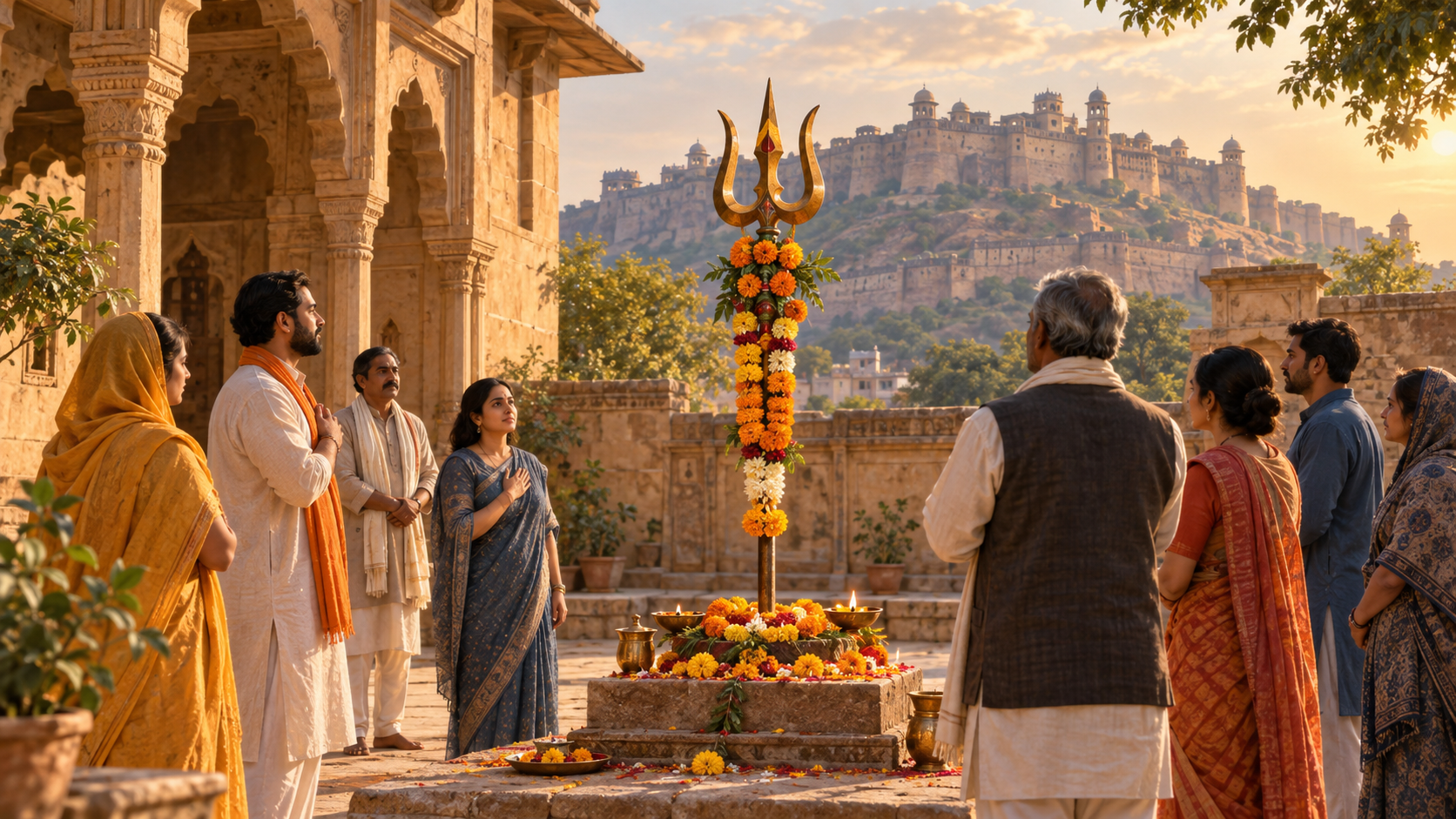
In Gwalior, Bajrang Dal held a Trishul Diksha ceremony followed by a bike rally, with participating youth pledging to uphold Hindutva and protect cows. The development was publicised on 9 October 2026.
That establishes the organizer, city, sequence, participants’ stated commitments, and the public rally. It does not establish a participant count, the precise venue, the complete wording of the pledge, the form or material of the tridents, the rally route, the speeches delivered, the permissions obtained, or whether any incident occurred. Unless further evidence becomes available, do not fill those gaps with assumptions.
This matters because labels can smuggle conclusions into what looks like a factual description. Calling the gathering an armed march would add a claim not established by the known facts. Calling it entirely ceremonial would also go beyond them. A bike rally following an initiation ceremony is the accurate description; its character must be judged from actual conduct.
For a pro-Hindu reader, fairness has to run in both directions. The presence of a trishul does not by itself prove intimidation or violence. At the same time, attaching a religious name to an event does not settle questions about safety, legality, or discipline. Neither suspicion nor sympathy is a substitute for evidence.
Trishul Diksha combines sacred symbolism with a public pledge
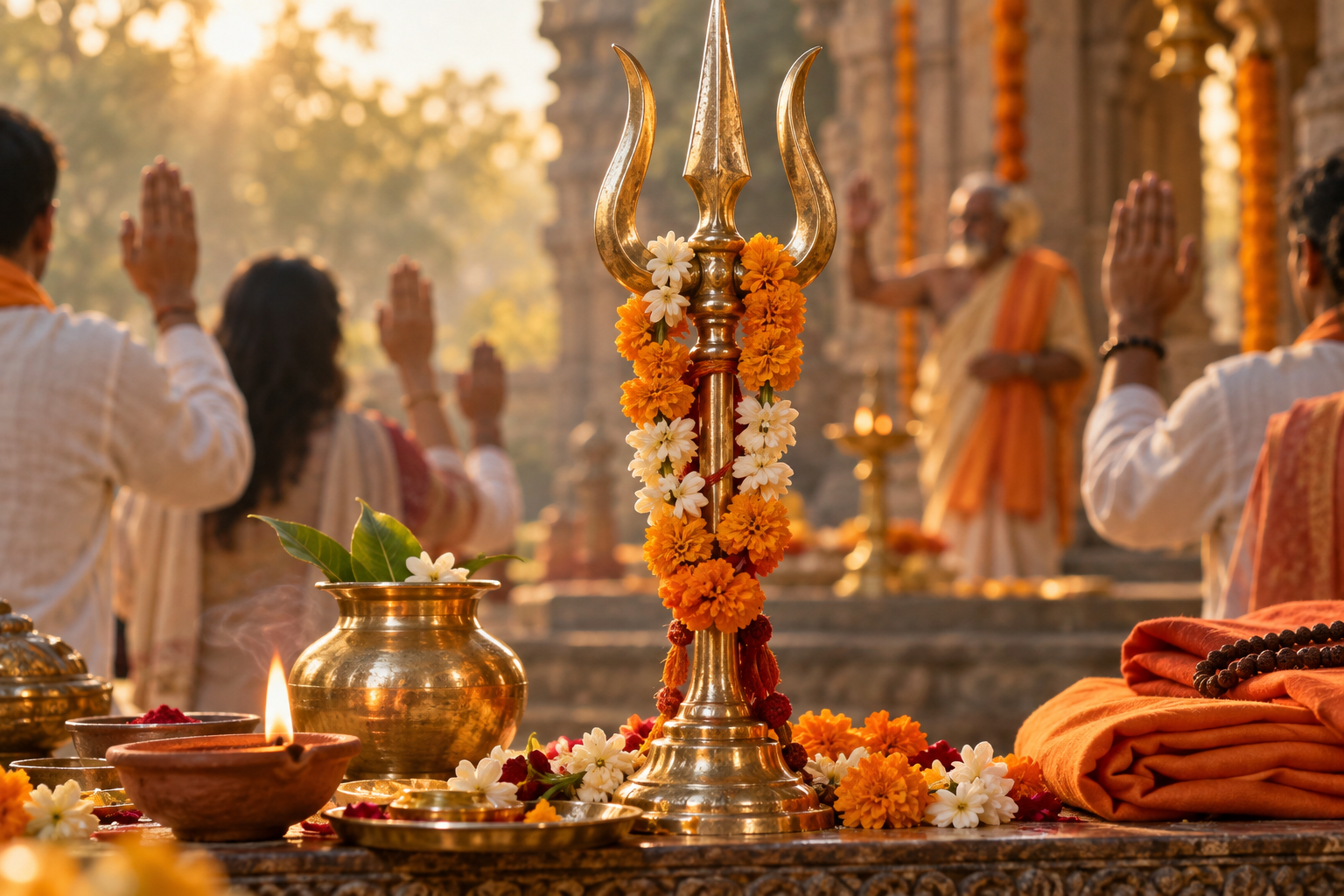
In Hindu religious vocabulary, diksha ordinarily indicates initiation into a commitment, discipline, or spiritual path. The trishul is a sacred emblem associated most recognizably with Bhagavan Shiva. Its religious meaning cannot be reduced to the fact that a trident can also have the physical form of a weapon.
Yet the name Trishul Diksha does not identify one standardized rite observed by every Hindu sampradaya. The phrase alone does not tell you that a guru transmitted a mantra, that a particular scriptural procedure was followed, or that the ceremony belongs to an established lineage. Those conclusions require details about who conducted the diksha, what was recited, what instructions were given, and what obligations participants accepted.
In Gwalior, the stated commitments connected the ceremony to Hindutva and cow protection. That gives the occasion a civic and organizational dimension alongside its religious symbolism. Hindutva can carry cultural, civilizational, social, and political meanings depending on who invokes it. A pledge to uphold it therefore becomes meaningful only when the organizers explain what participants are expected to do afterward.
The right interpretive questions are concrete:
- What were the exact words of the pledge?
- Was the trishul presented as a devotional emblem, a reminder of personal discipline, or an instrument for public action?
- What continuing duties did the participants accept?
- Did organizers set explicit boundaries against coercion, vigilantism, unsafe conduct, and unlawful action?
- What peaceful service will allow the public to evaluate whether the pledge was honored?
Until those details are available, treat the ceremony as a documented commitment with an incompletely documented content. That is more honest than either dismissing it as empty theatre or assigning it a sweeping religious authority.
Judge the pledge by the conduct it produces
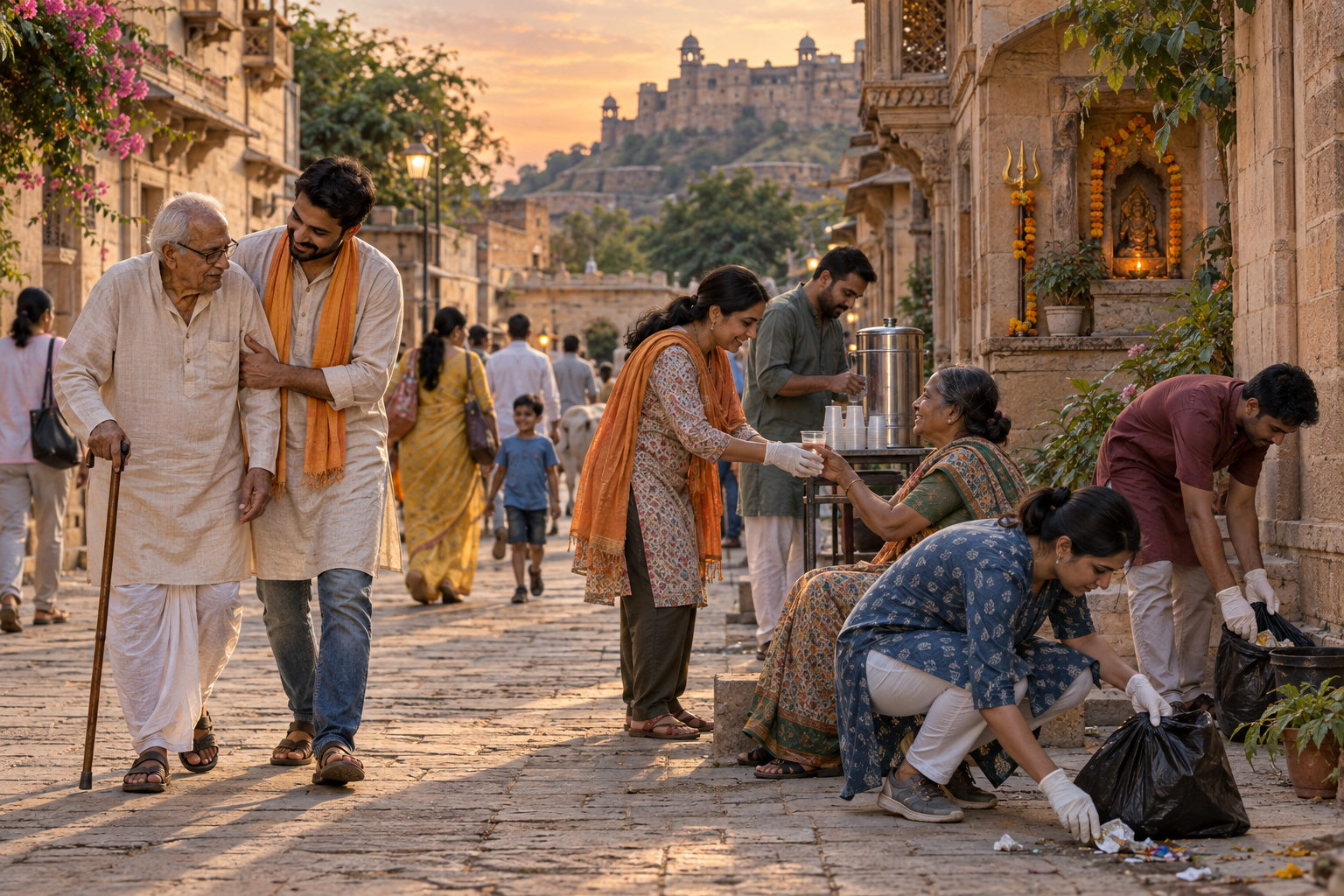
A diksha is not made credible by the object received, the size of the gathering, or the visibility of the procession. Its credibility comes from discipline after the ceremony. A vow made in the name of dharma should produce greater self-command, responsibility, and service.
Cow protection gives this test practical force. Reverence for the cow is deeply rooted in Hindu life, but reverence must improve the treatment of living animals. Participants can translate the pledge into peaceful work: supporting accountable animal-care institutions, arranging veterinary assistance, helping provide fodder and water, reporting suspected offences through lawful channels, and opposing cruelty without threatening people. Conflict that does nothing for animal welfare cannot be justified merely by invoking gau raksha.
The same test applies to Hindutva. If it is presented as civilizational responsibility, it should lead to cultural education, temple and neighbourhood service, help for vulnerable families, informed democratic participation, and the confident transmission of Hindu traditions. A movement strengthens Hindu society when its members become more dependable, not merely more visible.
The bike rally creates a second, immediate test because a public road is shared space. Participants should use licensed riders and roadworthy motorcycles, wear appropriate helmets, obey traffic directions, avoid stunt riding, and never record or use a phone while riding. Emergency access must remain open. A religious or political purpose does not reduce the consequences of a collision.
Organizers should communicate the route and timing, coordinate with the relevant authorities where required, appoint identifiable marshals, provide an emergency contact, and publish a code of conduct before departure. That code should prohibit threats, coercion, damage, dangerous riding, and disregard of lawful directions. It should also explain how organizers will intervene if a participant breaches those rules.
A ceremonial trident remains a physical object. Anyone considering carrying one in public should first determine the applicable local rules and the conditions set by authorities and organizers. Its sacred character deserves respect, but it does not remove ordinary duties of safe handling. If those conditions are uncertain, the safe choice is to participate in worship or service without carrying the object in public.
None of these standards proves that a failure occurred in Gwalior. They are the standards by which supporters should assess any such event. Insisting on them is not hostility to Hindu organization. It protects participants, bystanders, the credibility of the cause, and the dignity of the symbol invoked.
Key takeaways for supporters, participants, and readers
- State only the documented sequence: Bajrang Dal conducted a Trishul Diksha in Gwalior, participating youth pledged to uphold Hindutva and protect cows, and a bike rally followed.
- Do not turn a symbol into a verdict: a trishul’s presence neither proves violent intent nor guarantees harmless conduct. Context and actions decide that question.
- Do not treat the title as a complete religious definition: the precise meaning of this diksha depends on its officiants, words, procedure, and continuing obligations.
- Measure cow protection by animal welfare: lawful reporting, care, fodder, veterinary help, and accountable service provide more meaningful evidence than slogans.
- Measure public commitment by restraint: traffic discipline, safe handling, non-coercion, and compliance with lawful directions should be visible parts of the event.
- Keep unknown details unknown: do not assert a crowd size, route, speech, incident, or legal conclusion without additional evidence.
If you plan to support, attend, or discuss a future Trishul Diksha, ask for the full pledge and the organizers’ code of conduct before deciding. Then look beyond the ceremony: follow the participants’ peaceful service to cows and the community. That is where a public vow either acquires dharmic substance or remains only a moment of symbolism.
References

Leave a Reply
You must be logged in to post a comment.