
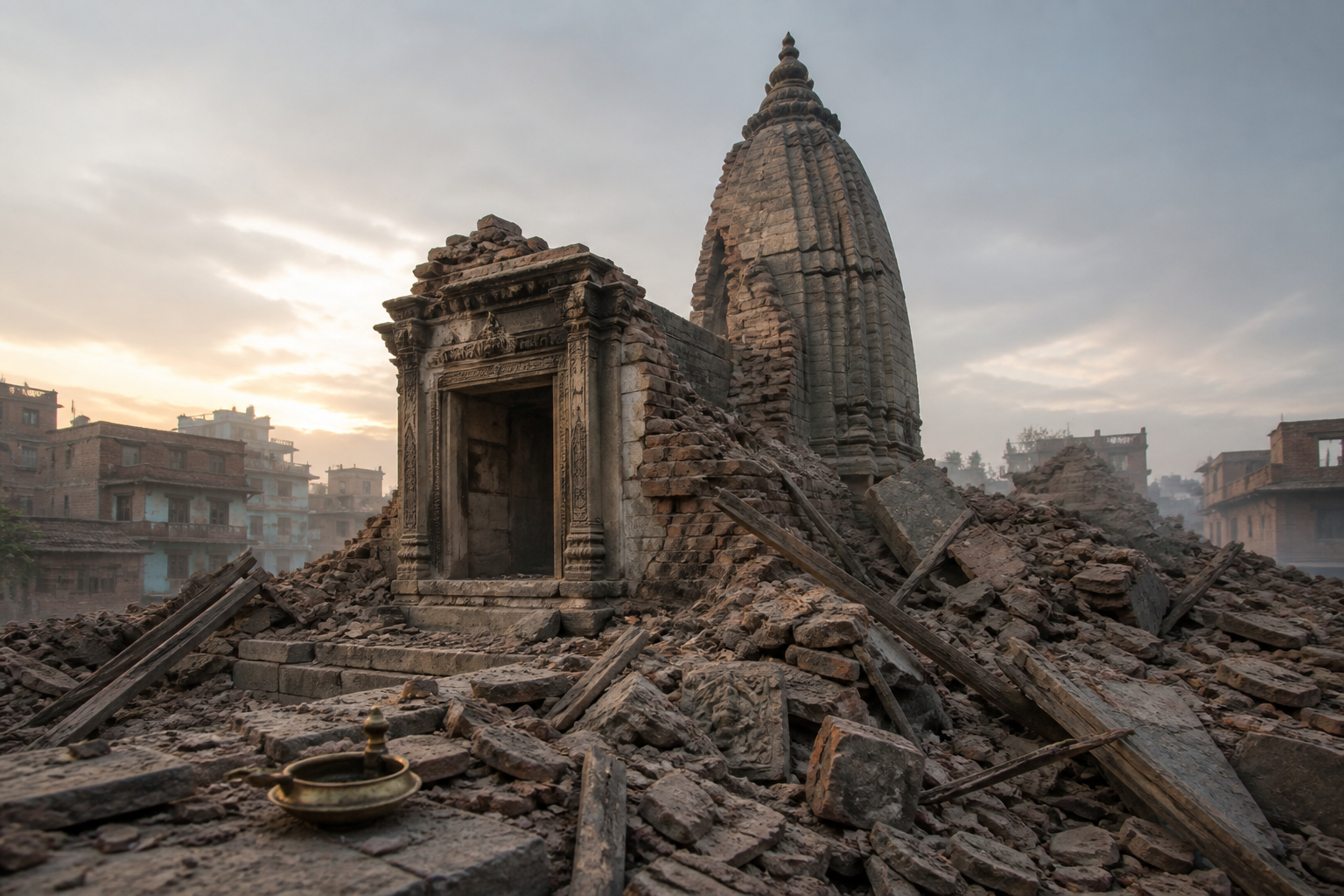
You may have arrived here trying to decide what to believe, what to share, and what anyone can meaningfully do after the demolition of a Hindu temple in Pakistan. Those are three different questions. Keeping them separate is the first step toward a response that protects Hindu heritage instead of feeding a cycle of rumor and outrage.
The known facts are grave but limited. A Hindu temple in Pakistan, reported to be a century old, was demolished. India condemned the demolition as a “reprehensible act of vandalism” and sought a probe, while RBD protested in Jammu. The responsible position is to state those points clearly, identify what remains unknown, and demand answers that can lead to protection and remedy.
Separate the known facts from the unanswered questions
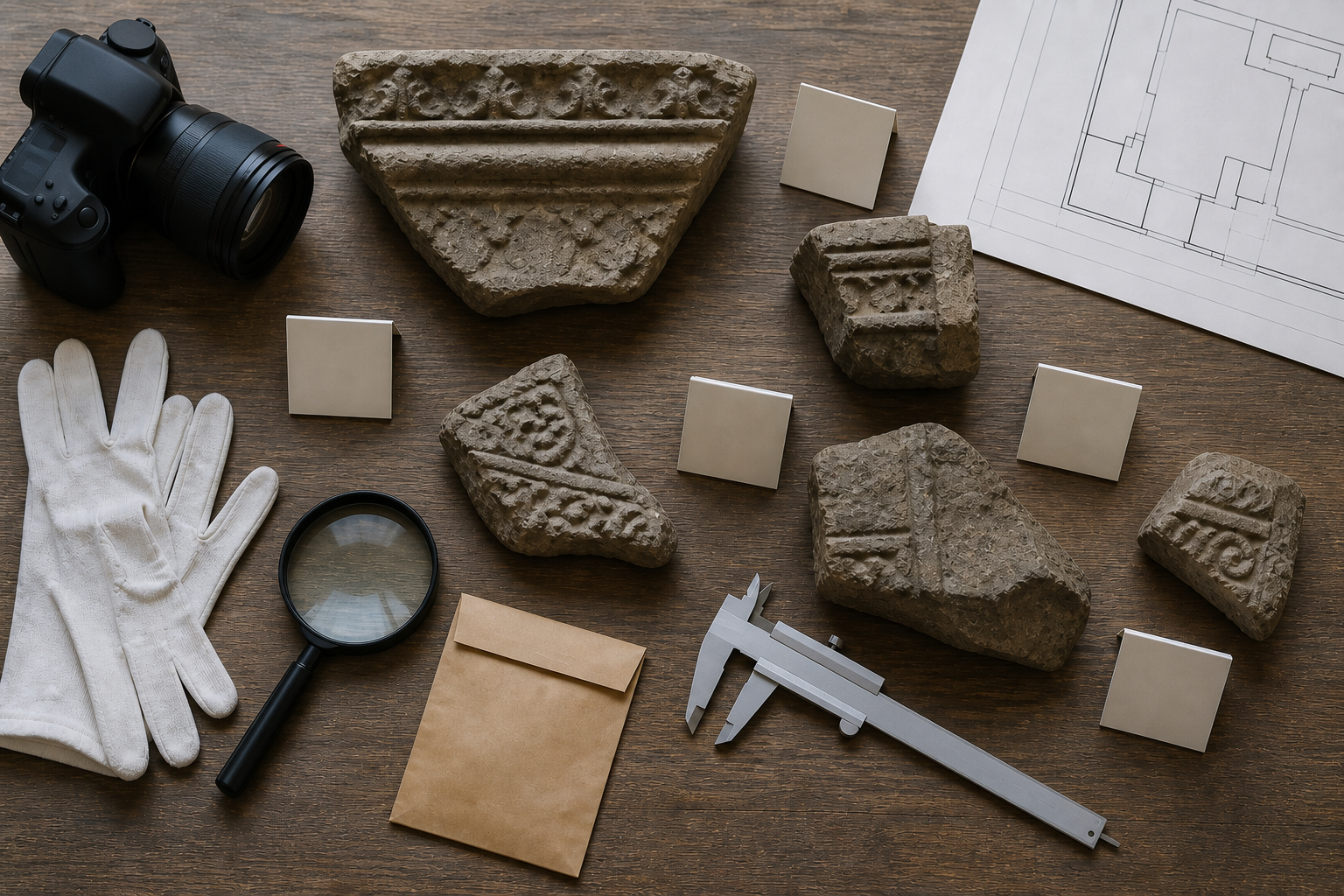
A serious case becomes easier to dismiss when supporters attach unverified details to it. The information presently available does not establish the temple’s exact location, the date and sequence of the demolition, who ordered or carried it out, what legal authority was claimed, whether the temple was active, or what happened to any murtis, inscriptions, records, ritual objects, or other heritage material that may have been present.
That uncertainty does not make the demolition unimportant. It tells you what evidence must be obtained. Before repeating a new claim, ask whether it answers one of these questions:
- What is the temple’s name and precise location?
- Who owns or manages the land, and what records document that status?
- Was a demolition notice or administrative order issued? If so, by which authority, under what provision, and to whom was notice given?
- Who performed the demolition, and who was present when it happened?
- Were the temple’s custodians and worshippers given an opportunity to object or seek review?
- Were sacred objects, inscriptions, images, registers, or architectural fragments removed, damaged, or preserved?
- Has any Pakistani authority opened a case, inquiry, or administrative review?
- Can the local Hindu community safely access the site and speak publicly about what happened?
Treat a screenshot, cropped photograph, or unattributed video as a lead rather than proof. Such material may show damage while revealing nothing reliable about its place, date, cause, or decision-makers. Look for the original upload, the identity of the person making the claim, a precise location, and corroboration from people or institutions with direct knowledge. If those elements are missing, label the claim unverified rather than presenting it as fact.
The distinction between demolition and motive matters as well. Demolition describes what happened to a structure. Vandalism, discriminatory destruction, an administrative clearance, and an unlawful property action are conclusions about authority, purpose, or legality. India’s condemnation states its position forcefully, but a credible investigation must still establish the decision chain and evidence behind the act. Moral clarity does not require evidentiary carelessness.
A credible probe must lead from evidence to remedy
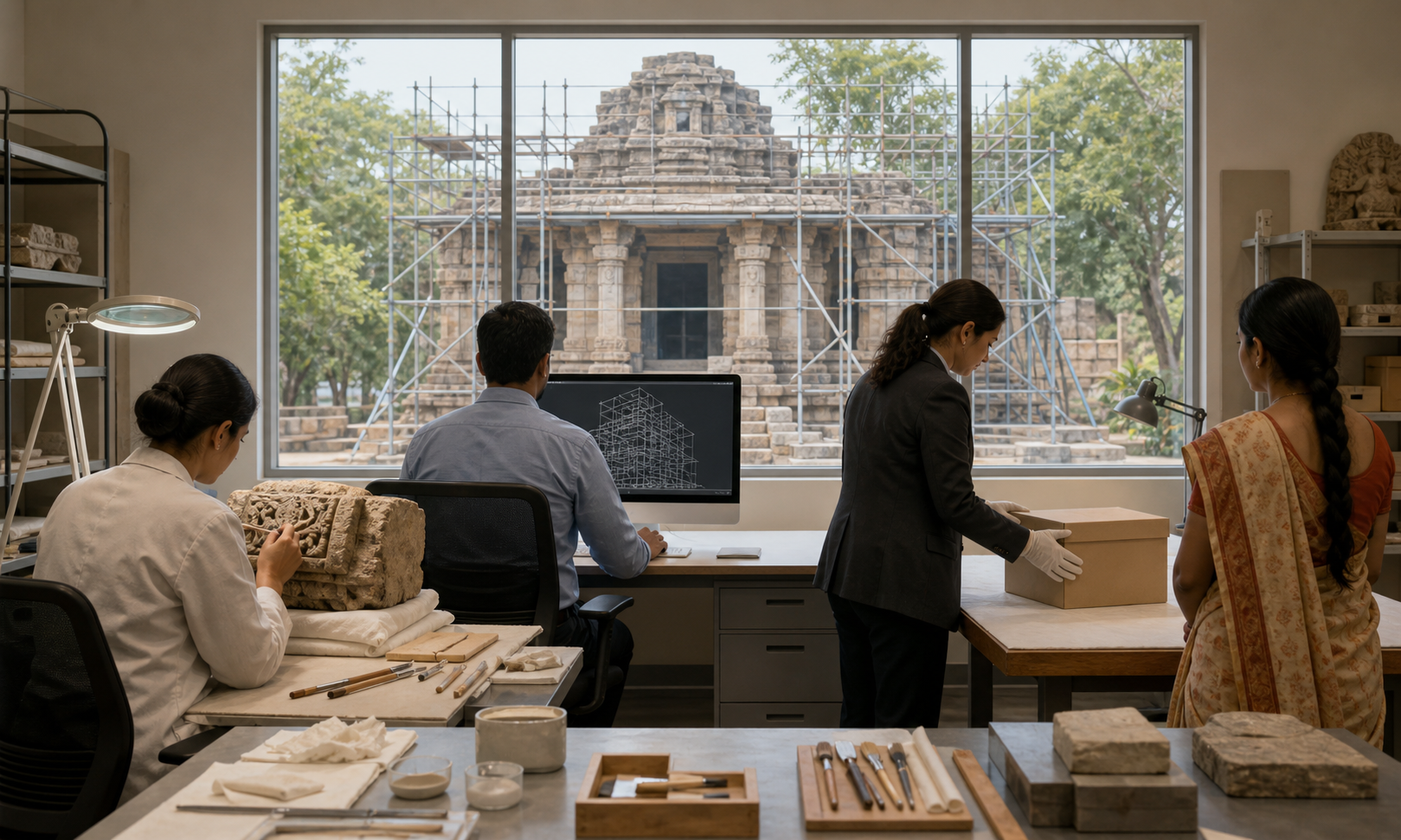
A promise to investigate is only a beginning. If no authority secures the site, preserves records, names the decision-makers, or publishes findings, the word “probe” can absorb public pressure without producing accountability. You should judge any announced inquiry by what it actually delivers.
- Preserve the physical record. The site and remaining debris should be photographed, mapped, and inventoried before further clearance. Architectural fragments, inscriptions, ritual objects, and documents should have a recorded chain of custody rather than disappearing into storage or disposal.
- Establish the temple’s history and status. Investigators should examine land records, management documents, historic photographs, maps, correspondence, and evidence of worship or community use. The description of the temple as century old should be tested against dated records rather than treated as a decorative detail.
- Identify the entire decision chain. A useful finding must say who proposed the demolition, who approved it, what authority was cited, who executed it, and whether notice and review procedures were followed. Naming only the machinery operator or contractor would leave the central question unanswered.
- Hear the affected Hindu community. Custodians, worshippers, nearby residents, officials, contractors, and other direct witnesses should be able to provide records and testimony. If community members fear retaliation, the process must include a safe way for them to participate.
- Publish a reasoned account. An announcement without evidence is not transparency. The responsible authority should provide a dated sequence of events, the documents relied upon, the findings on authorization and responsibility, and an explanation of any disagreement between witnesses or records.
- Specify the remedy. If the demolition was unauthorized or discriminatory, accountability must extend beyond condemnation. The questions should include restoration at the original site, recovery or return of sacred objects, continued access for worshippers, action against responsible persons, and protection against another demolition. If restoration is said to be impossible, the reason should be stated publicly.
Restoration and punishment are not interchangeable. Disciplining an official would not restore a place of worship. Rebuilding a structure without establishing responsibility would leave the same community exposed to another arbitrary act. A complete remedy addresses the site, the sacred and historical material, the rights and safety of the community, and the conduct that caused the loss.
The temple’s reported age raises a separate heritage concern. A temple is not merely the market value of its walls. Its layout, inscriptions, repairs, ritual objects, community records, and accumulated patterns of worship may connect generations. Even when a building can be reconstructed, lost fabric and broken continuity cannot always be reproduced. That is why preservation must begin before debris is cleared and public attention moves elsewhere.
Turn public concern into precise, lawful pressure
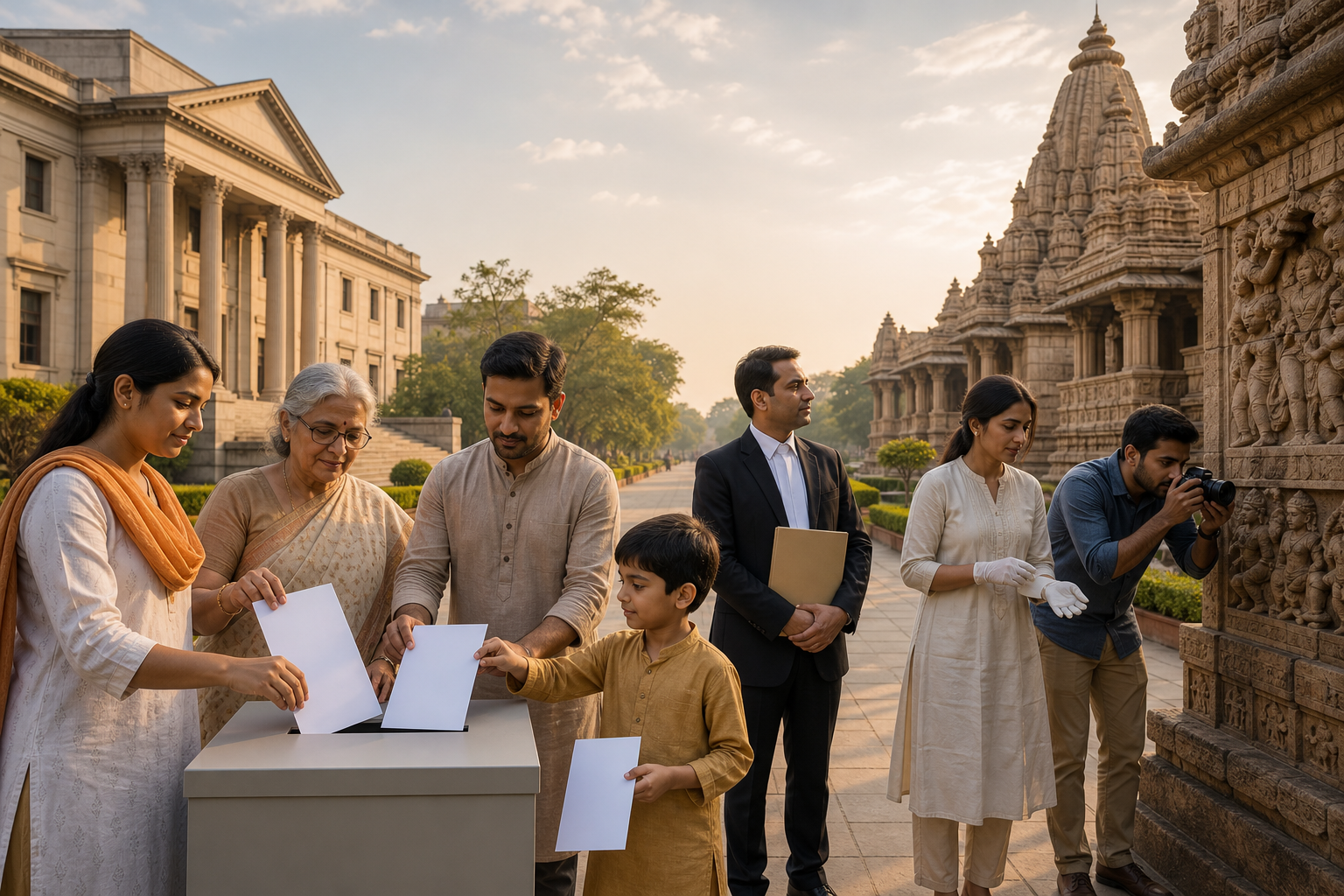
You do not need access to diplomatic channels to make a useful intervention. You do need a request specific enough that an office, representative, heritage body, or civil-society group cannot answer it with a generic expression of concern.
- Share the narrow factual core. State that a century-old Hindu temple was reported demolished in Pakistan, India condemned the act and sought a probe, and essential details remain to be publicly established. Do not add a perpetrator, motive, casualty, or history that you cannot substantiate.
- Ask for documents and outcomes. Request the demolition order, the responsible authority’s name, the status of the site and sacred objects, the investigating body’s mandate, and a timetable for public findings and remedy.
- Preserve provenance. Save the original URL, publication date, headline, and any response from an official office. If you archive an image or video, retain the original caption and uploader information. A file detached from its origin quickly loses evidentiary value.
- Support peaceful and lawful advocacy. Public meetings, letters, petitions, and protests are most useful when they carry a short set of verifiable demands. Calls for retaliation or threats against people unconnected to the demolition endanger innocents and discredit the effort to secure accountability.
- Keep responsibility specific. Demand answers from the people and institutions that authorized, executed, enabled, or failed to prevent the act. Do not convert an unresolved case into collective blame against Pakistani civilians or Muslims as a whole. Collective hostility does nothing to restore a mandir or protect its devotees.
- Track follow-through. Record whether an inquiry is formally announced, who leads it, whether the site is secured, whether Hindu custodians receive access, whether findings are published, and whether restoration or another remedy begins. Condemnation is an event; accountability is a sequence.
A message you can send
Message template: I am writing about the reported demolition of a century-old Hindu temple in Pakistan. Please seek public confirmation of the temple’s name and location, the authority and stated basis for the demolition, the status of sacred and historical objects, access for the Hindu community, and the timetable for an impartial investigation. Please also state what remedy, including restoration and protection against recurrence, is being pursued.
Send the message to a relevant elected representative, diplomatic office, heritage organization, or religious-freedom body. Keep the date and any reference number or reply. If the office gives a deadline, follow up against that deadline and ask which requested point remains unanswered. A documented exchange is more useful than repeatedly posting a slogan into a social-media stream.
A Dharmic response must protect truth as well as heritage
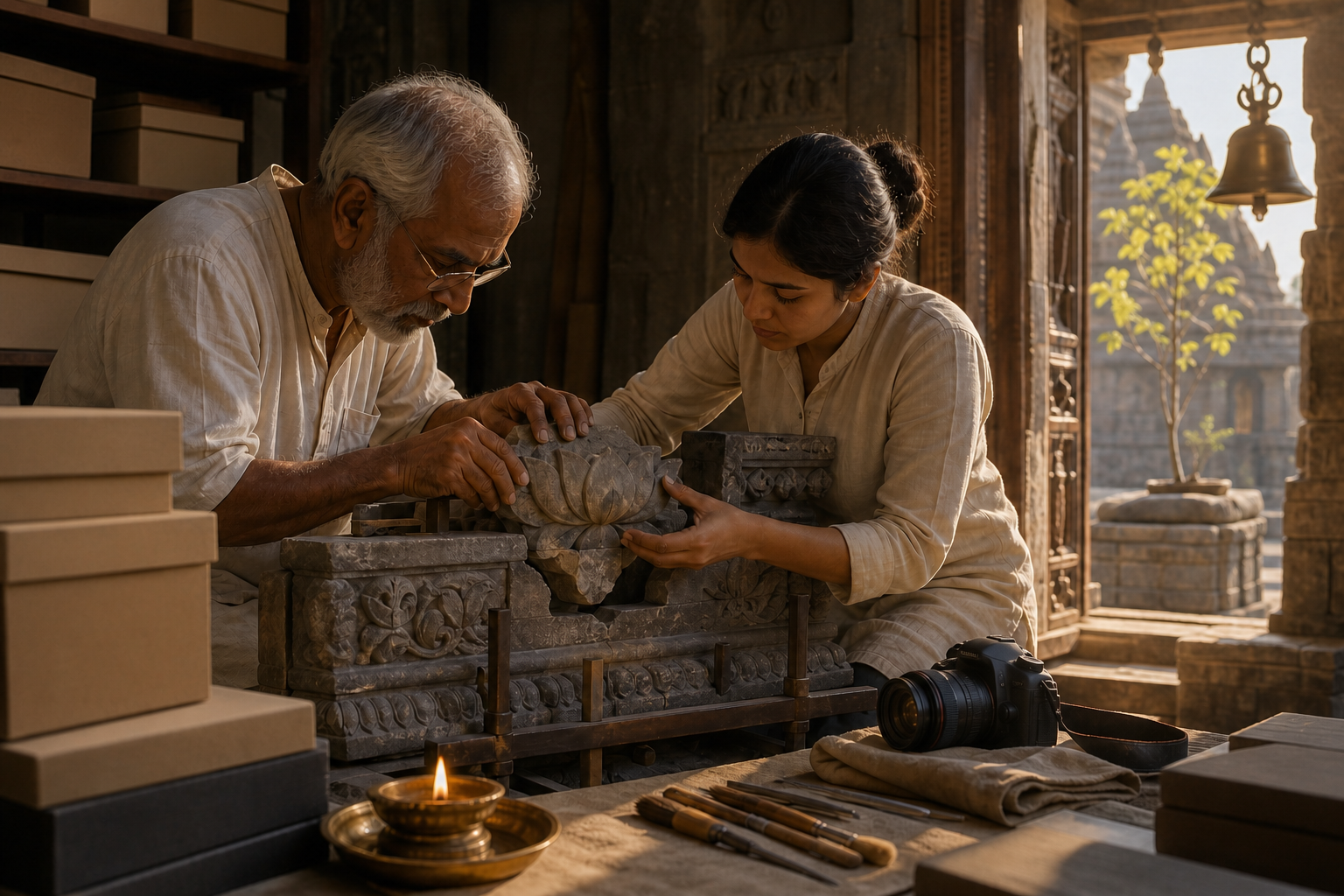
Defending a mandir is not passive work. It requires courage to name wrongdoing, patience to establish the facts, and discipline to pursue a remedy after public attention fades. These duties reinforce one another. Unsupported accusations may feel forceful in the moment, but they make it easier for responsible authorities to contest the entire case rather than answer its strongest evidence.
A Dharmic response also refuses the idea that protection requires indiscriminate hostility. Responsibility belongs to the individuals and institutions connected to the decision. If prejudice against a Hindu community contributed to the demolition, the investigation should establish that through orders, statements, unequal treatment, prior conduct, or other evidence. The conclusion should not be manufactured first and supported later.
Keep the affected Hindu community at the center. Outside voices may seek a geopolitical argument, a viral image, or a moment of partisan advantage. The community needs something more durable: security, access to worship, recovery of sacred objects, recognition of its history, restoration where possible, and assurance that another authority cannot erase the site without consequence.
Key takeaways
- A Hindu temple in Pakistan, reported to be a century old, was demolished; India condemned the act and sought a probe, and RBD protested in Jammu.
- The available facts do not yet establish the exact site, authorization, perpetrators, motive, legal basis, or fate of sacred and historical material.
- A credible investigation must preserve evidence, identify the decision chain, hear the Hindu community, publish findings, and specify a remedy.
- Restoration, accountability, community access, and protection against recurrence are separate requirements; one should not be used to avoid the others.
- You can help by sharing only substantiated facts, sending precise requests, preserving provenance, supporting lawful advocacy, and tracking outcomes after the initial condemnation.
Your next move can be modest and exact: save the linked record, send the message above to one relevant representative or heritage body, and track whether the requested probe produces public findings and a remedy. A temple is defended not only by outrage at its destruction, but by building a truthful record that authorities cannot quietly ignore.
References
