

If a message about the Gosainkunda pilgrims has reached your family, temple or community group, do not add another version of the story. Work from the confirmed facts: contact was lost with 17 international ISKCON devotees during a pilgrimage trek, and ISKCON Nepal appealed to government authorities and rescue teams to help locate them and establish their safety.
The most useful response is disciplined compassion. Share the names accurately, move genuine leads through verified channels, and do not turn a communications blackout into an unconfirmed claim about what has happened.
Key takeaways
- The appeal concerns 17 devotees associated with the United Kingdom, South Africa and Ireland.
- They became unreachable on the Gosainkunda pilgrimage route, where cellular coverage can be absent.
- Loss of contact does not by itself prove injury, death, rescue or safe return.
- If you have direct information, preserve the original message, time, time zone, sender and any location data. Send it privately to authorities or ISKCON Nepal through a verified channel.
- If you do not have a direct lead, share the verified appeal without adding a route, sighting, deadline or status that has not been confirmed.
What is confirmed, and what remains unknown
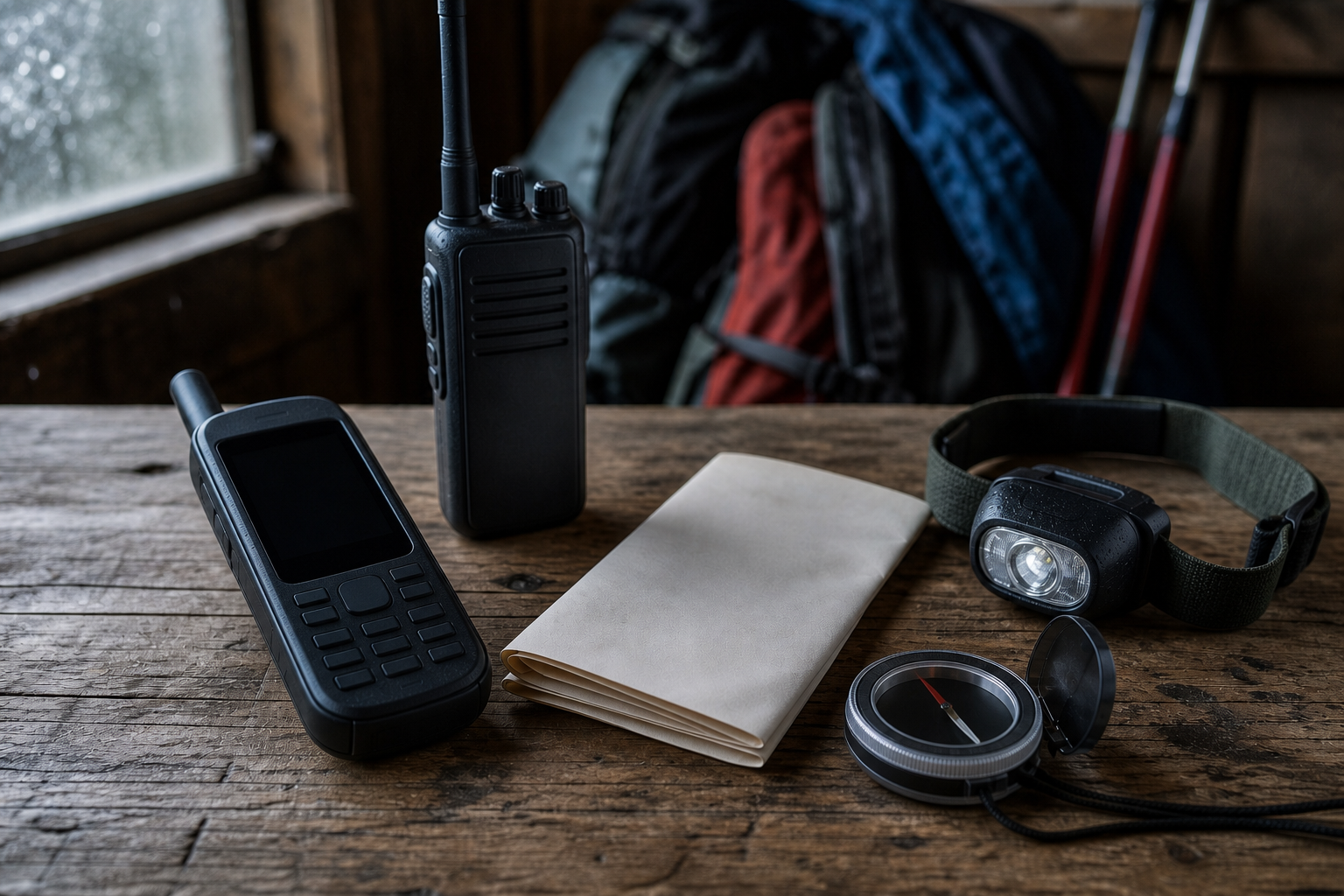
The group was travelling to Gosainkunda, a sacred alpine lake within Langtang National Park. The trek reaches an elevation above 4,300 metres, or roughly 14,100 feet. The terrain is remote, weather can be unpredictable, and parts of the route have no reliable cellular connection.
Those conditions require two thoughts to be held together. A lack of phone contact can have an ordinary logistical cause, so silence is not proof of a fatal outcome. At the same time, high elevation, isolation and uncertain weather make an unexplained communications gap serious enough to justify prompt professional search efforts. There is no contradiction between avoiding panic and treating the appeal urgently.
Several operational facts remain unconfirmed in the information available with the appeal: the last-contact time, the group’s precise last known position, its intended itinerary and return time, guide or porter arrangements, equipment, individual medical needs and the subsequent status of the search. Do not fill those gaps with assumptions based on a forwarded message or an unattributed social-media update.
The wording matters. The established fact is that the pilgrims were reported unreachable and assistance was requested. Until you have a dated update from an identifiable authority or ISKCON Nepal, do not repeat either ‘still missing’ or ‘found safe’ as a confirmed current status.
The 17 people named in the appeal
If you are checking a contact, travel record, lodging register, photograph or message, use the exact published spellings below:
- Anitha Devi Maharaj
- Surendranath Maharaj
- Kavita Haldia
- Pavan Haldia
- Nabhi Nandan Das
- Sunanda Manirajan
- Hema Sunil Amin
- Janet Pillay
- Vivaganathan Pillay
- Surabhi Manmath Padhy
- Santosh Sahu
- Syna Kumari Sahu
- Spandan Sahu
- Hemangini Patel
- Bipin Patel
- Mala Patel
- Veena Bhaskaran
The three countries named in connection with the group are the United Kingdom, South Africa and Ireland. The available information does not match each person to a country, so do not infer nationality from a name or publish your own person-by-person allocation.
How to help without confusing or endangering the search
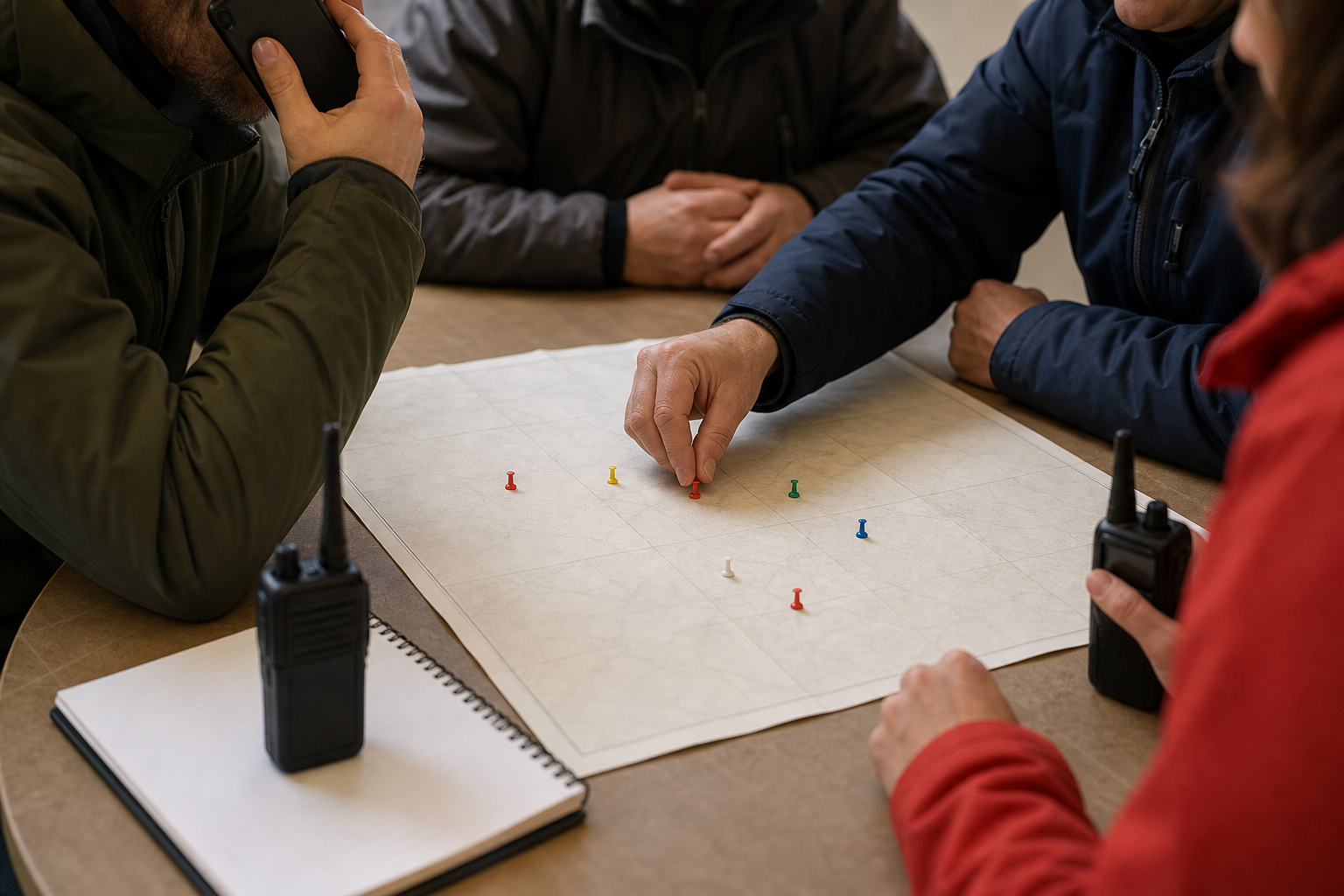
A search can be hindered by plausible-sounding information that cannot be traced. Before you forward anything, decide whether you possess firsthand evidence, a message from someone directly involved, or merely another public repost.
- Preserve direct communications. Keep the original text, voice note, email, photograph or video. Record when you received it and the time zone shown. A screenshot is useful for quick reference, but retain the original file because editing and forwarding can remove metadata.
- Describe the chain of information. Say whether you spoke to a pilgrim yourself, received a message from that person’s account, heard from a travelling companion, or saw a public claim. Do not shorten all four situations to ‘confirmed.’
- Send sensitive details privately. Precise coordinates, passport information, telephone numbers, medical information and private family contacts do not belong in a public comment thread. Give potentially useful material to the relevant authorities or ISKCON Nepal through a channel you have verified.
- Separate observation from interpretation. ‘I received this message from this account at this time’ is evidence. ‘They must have taken a different trail’ is an inference unless the message actually says so. Label the difference clearly.
- Link to the verified appeal when sharing publicly. Keep the number at 17 and retain the published spellings. Do not add words such as ‘today,’ ‘breaking,’ ‘rescued’ or ‘tragedy’ unless a dated, authoritative update supports them.
- Do not mount an informal search. The route exceeds 4,300 metres and includes isolated communication zones. An uncoordinated person entering the area can become another emergency or complicate an organised operation. Concrete leads should go to trained local responders.
If your only connection is a widely forwarded appeal, repeated posting is less useful than one accurate share. If you possess a direct message, a last-known location, a dated photograph or information about the group’s intended route, public discussion is less useful than prompt private transmission to search coordinators.
Prayer and practical responsibility belong together
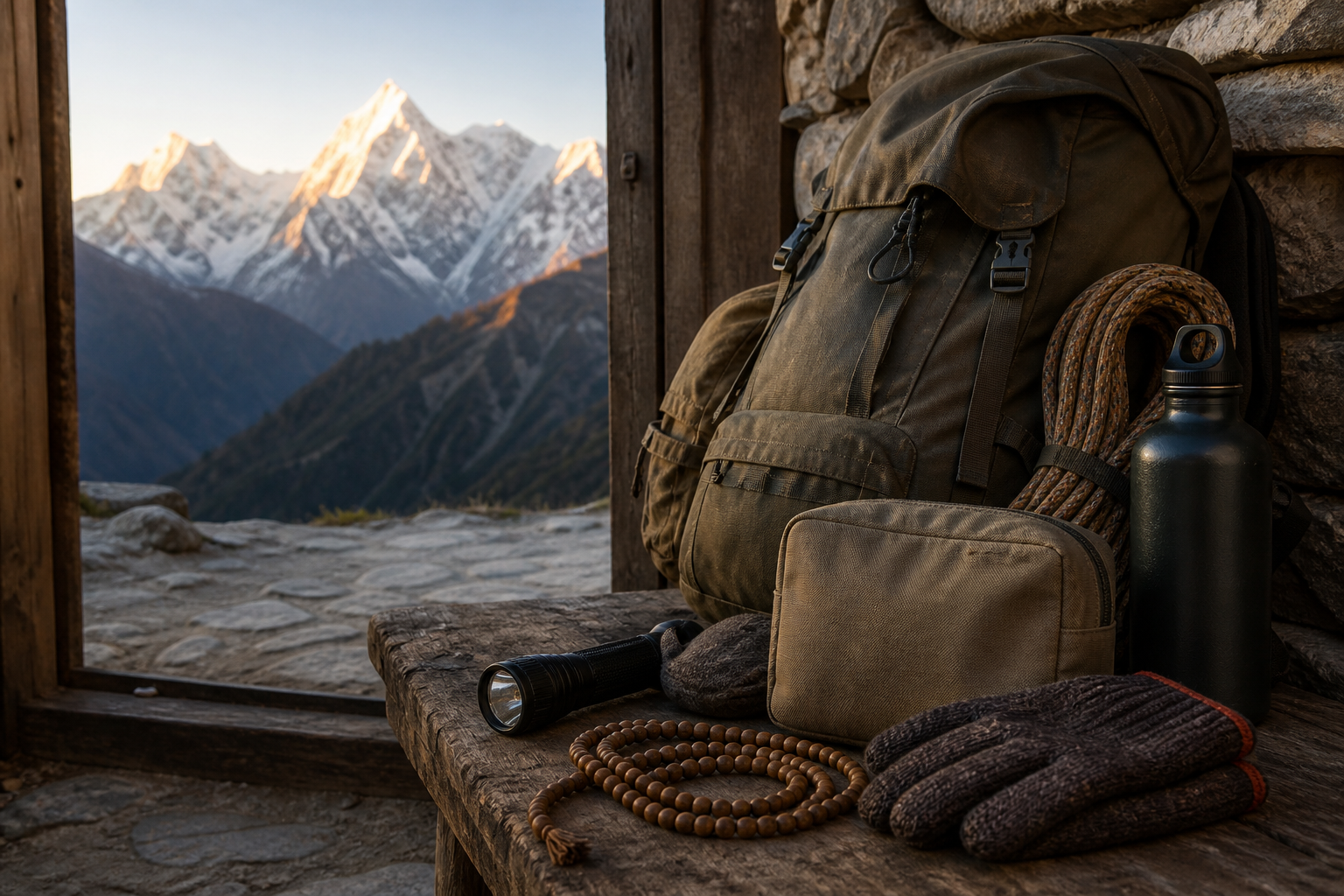
The worldwide Hare Krishna community has also been asked to pray for the pilgrims:
We request all devotees and well-wishers to please pray for their safety and return.
ISKCON Nepal
A temple or devotee group can respond in two coordinated ways: gather for prayer, chanting or kirtan, and designate one person to watch for verified updates. That person can correct outdated notices before they circulate through multiple groups. This preserves the spiritual purpose of the response while reducing rumours.
Compassion also applies to the families. Do not search for private relatives and press them for news merely because a name appears on the list. Families may be handling incomplete information while authorities work. Contact them only if you know them personally or possess information they genuinely need, and avoid asking them to validate every online claim.
If you have no direct lead, your next step is simple: share the verified names once, refuse to declare an unconfirmed outcome, and offer your prayers. If concrete information reaches you, preserve it and move it quickly, accurately and privately to those coordinating the search.
References
