
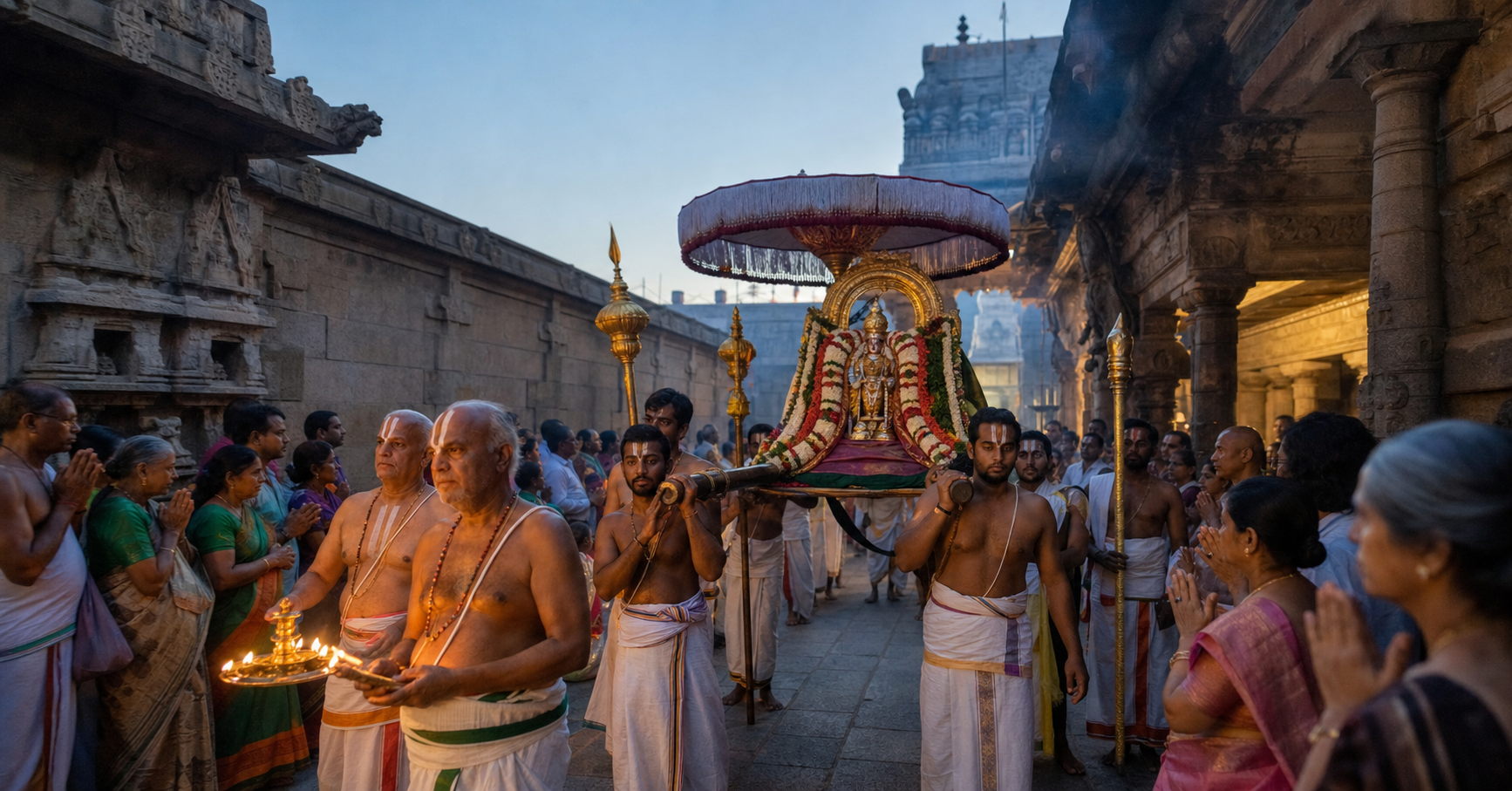
If you are planning to attend Shravana Upakarma at Tirupati’s Sri Govindaraja Swamy Temple, build your visit around one firm point: the ceremonial procession begins early. Do not arrive at the stated time and expect the experience to wait for you.
You should also distinguish the temple’s Agama observance from your own lineage’s Upakarma procedure. You may witness the temple ceremony as a devotee without performing a personal rite. If you intend to perform Upakarma yourself, confirm the date, method, materials, and guidance separately.
What is scheduled at Govindarajaswamy Temple
Sri Govindaraja Swamy Temple will observe Shravana Upakarma on August 28, 2026, on Shravana Pournami and in accordance with Agama traditions. At 6:30 a.m., Sri Govindaraja Swamy and Sri Krishna Swamy are scheduled to be taken in a ceremonial procession.
Treat 6:30 a.m. as the beginning of the ceremony, not as your suggested arrival time. Reach the temple precinct beforehand, allowing enough time for travel, security procedures, queues, and directions from temple personnel. No responsible plan should depend on entering at the last moment.
The confirmed details do not establish the procession route, duration, viewing arrangements, gate to use, photography rules, or whether a separate personal Upakarma service will be available. Those are practical questions for the temple administration. Verify them rather than filling the gaps with assumptions from a previous visit or another temple’s observance.
Why the temple observance and your personal Upakarma differ
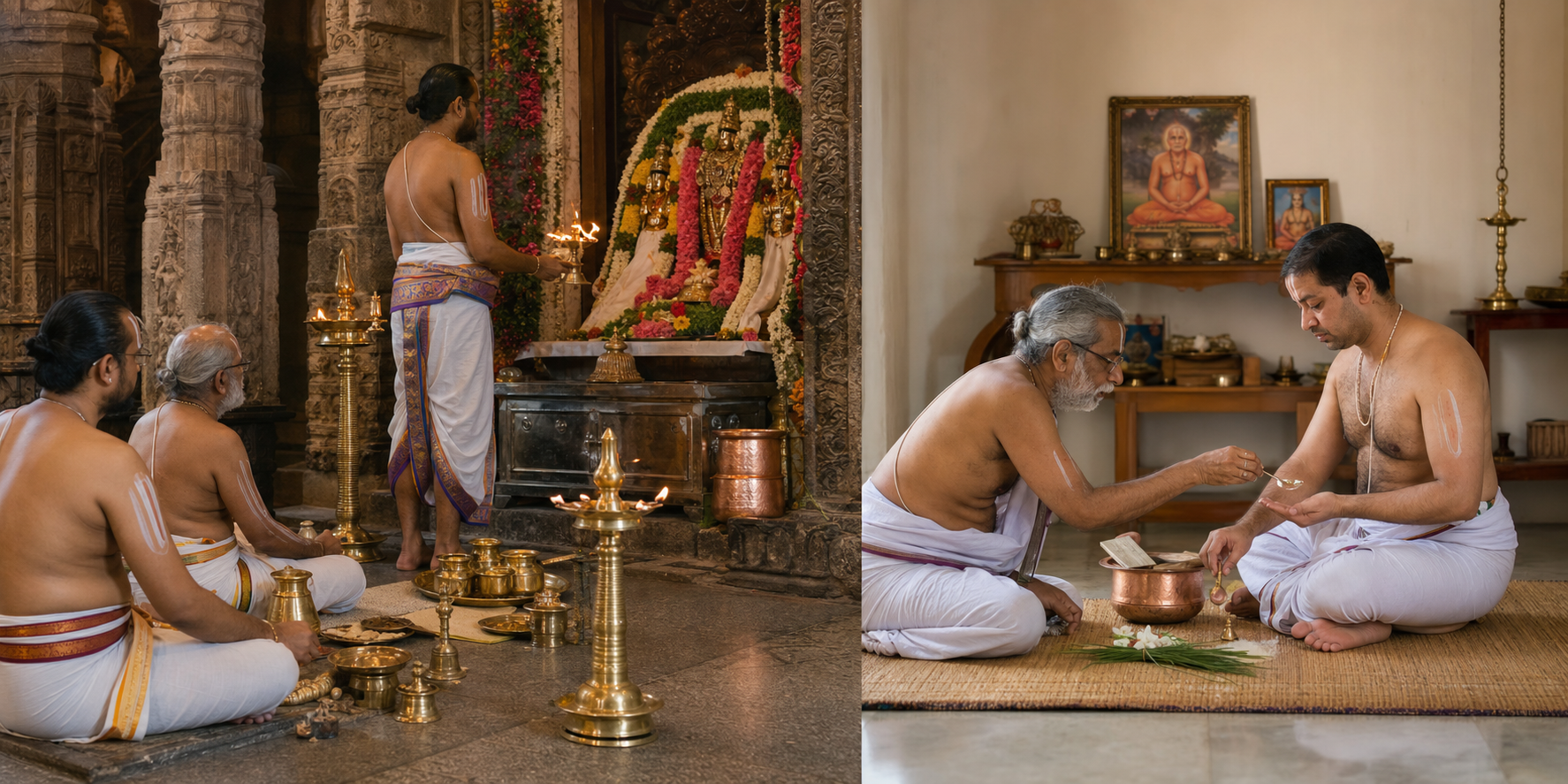
Shravana Upakarma is associated in many Vedic traditions with the annual renewal of disciplined Vedic study. Depending on the lineage, the personal observance may involve purification, remembrance of the rishis, a renewed commitment to study, and replacement of the yajñopavīta. The sequence is not identical for every Veda, shakha, sutra, or sampradaya.
The temple’s observance follows Agama traditions governing worship and service to the deities. Your household or lineage rite follows the procedure received through your own tradition. The two can belong to the same sacred day without being interchangeable.
This distinction prevents two common mistakes. The first is assuming that witnessing the procession automatically completes a personal Upakarma. The second is avoiding the temple because you do not personally perform the rite. Darshan and participation in the temple’s devotional atmosphere remain meaningful, while a lineage-specific obligation should be handled under suitable guidance.
The procession also gives you a useful way to approach the occasion. Upakarma is not merely the replacement of an external thread. Its deeper demand is renewal: returning attention to sacred learning, disciplined conduct, and the responsibilities represented by the rite. Even if you attend only for darshan, leave with one definite commitment to study or practice rather than treating the morning as another festival stop.
Plan your visit around the 6:30 a.m. procession
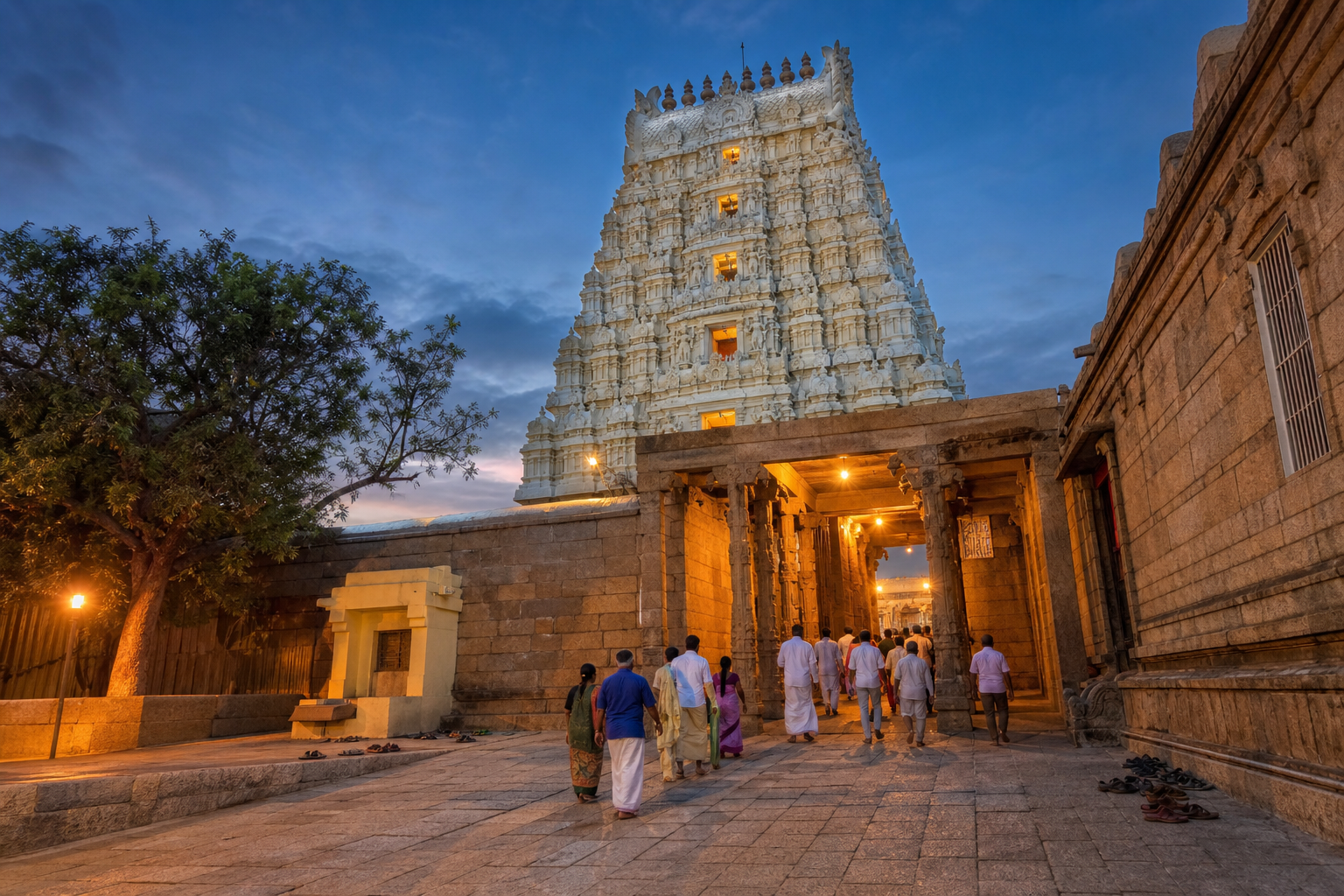
A short checklist is more useful here than a complicated itinerary. Complete these steps before leaving for Tirupati:
- Save the exact date and start time. The observance is scheduled for August 28, 2026, with the procession beginning at 6:30 a.m.
- Plan to reach the precinct before the ceremony starts. Include travel and entry time in your calculation. Reaching the entrance at 6:30 a.m. is not the same as being ready to witness a procession at 6:30 a.m.
- Verify the entrance and viewing arrangements. Ask which gate devotees should use, whether normal queues will change, where the procession may be witnessed, and whether any access restrictions apply.
- Ask separately about personal ritual participation. Do not assume that a temple observance includes a public Upakarma session, priestly assistance, ritual materials, or arrangements for changing the sacred thread.
- Keep the ceremonial path clear. Follow the directions of temple personnel, avoid obstructing the procession for photographs, and ask before using a camera where the applicable rule is unclear.
- Prepare for darshan without overpacking. Carry only what you genuinely need and keep any personal ritual materials distinct from ordinary travel items.
If your main purpose is the procession, make that the anchor of your morning. Other darshan plans should fit around it. If your main purpose is personal Upakarma, your ritual requirements should determine the plan; the procession can then complement the observance rather than replace it.
If you intend to perform your own Upakarma
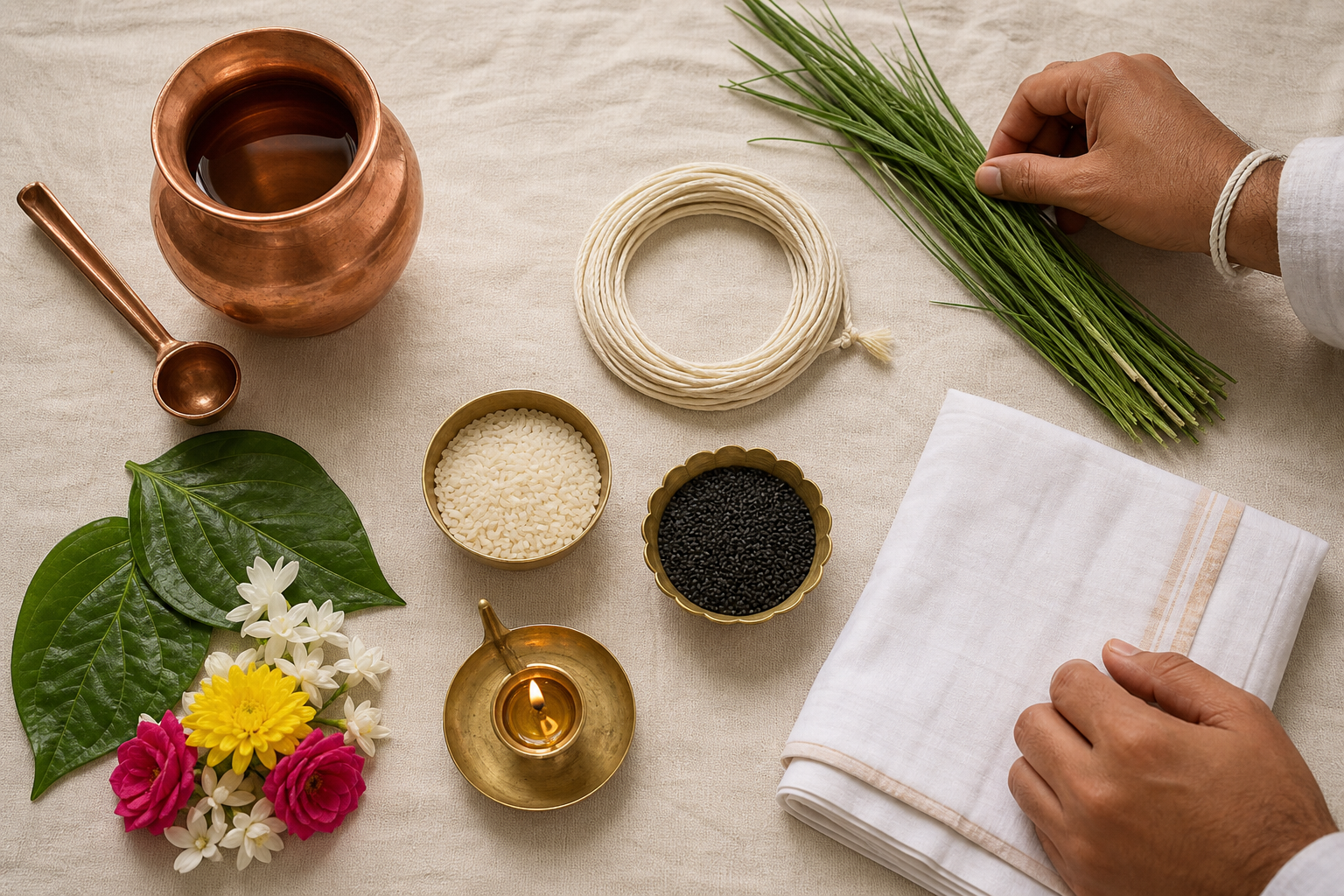
Do not construct a personal procedure from a generic online checklist. Before travelling, ask your acharya, family purohit, or another competent guide in your tradition these precise questions:
- Does August 28, 2026 apply to my Veda, shakha, and family tradition?
- What is the correct sequence, sankalpa, and set of mantras for my lineage?
- Which materials must I bring, and which should not be replaced by a generic festival kit?
- Is a guided personal Upakarma being arranged at this temple, or should I complete it elsewhere?
- What preparation is required before the rite?
- What procedure does my tradition prescribe if the observance cannot be completed at the appointed time?
These questions matter because the temple date tells you when the temple is observing Shravana Upakarma; it does not, by itself, settle every individual’s ritual calendar or procedure. A small amount of advance clarification prevents you from arriving with the wrong materials, expecting a service that was never arranged, or treating one lineage’s practice as universal.
If you are attending with children or relatives unfamiliar with the rite, explain the distinction before entering: the procession is the temple’s sacred service, while any personal Upakarma is governed by the participant’s tradition. That simple explanation helps the family watch with attention instead of spending the ceremony trying to work out what they are supposed to do.
Key takeaways
- Sri Govindaraja Swamy Temple will observe Shravana Upakarma on August 28, 2026, the occasion of Shravana Pournami.
- The ceremonial procession of Sri Govindaraja Swamy and Sri Krishna Swamy is scheduled to begin at 6:30 a.m.
- Arrive before 6:30 a.m.; the stated time marks the ceremony’s start, not a recommended arrival time.
- Verify the gate, procession route, access rules, and any personal ritual arrangements directly with the temple administration.
- Do not assume that witnessing the temple procession fulfills a lineage-specific personal Upakarma.
- If you perform Upakarma, confirm the applicable date and procedure with your acharya or purohit before travelling.
Write down the confirmed time and your unanswered logistical questions now. Settle the temple arrangements first, and settle your personal ritual procedure with the person who guides your tradition. Then you can arrive ready for the procession and give the occasion the attention it deserves.
References
