
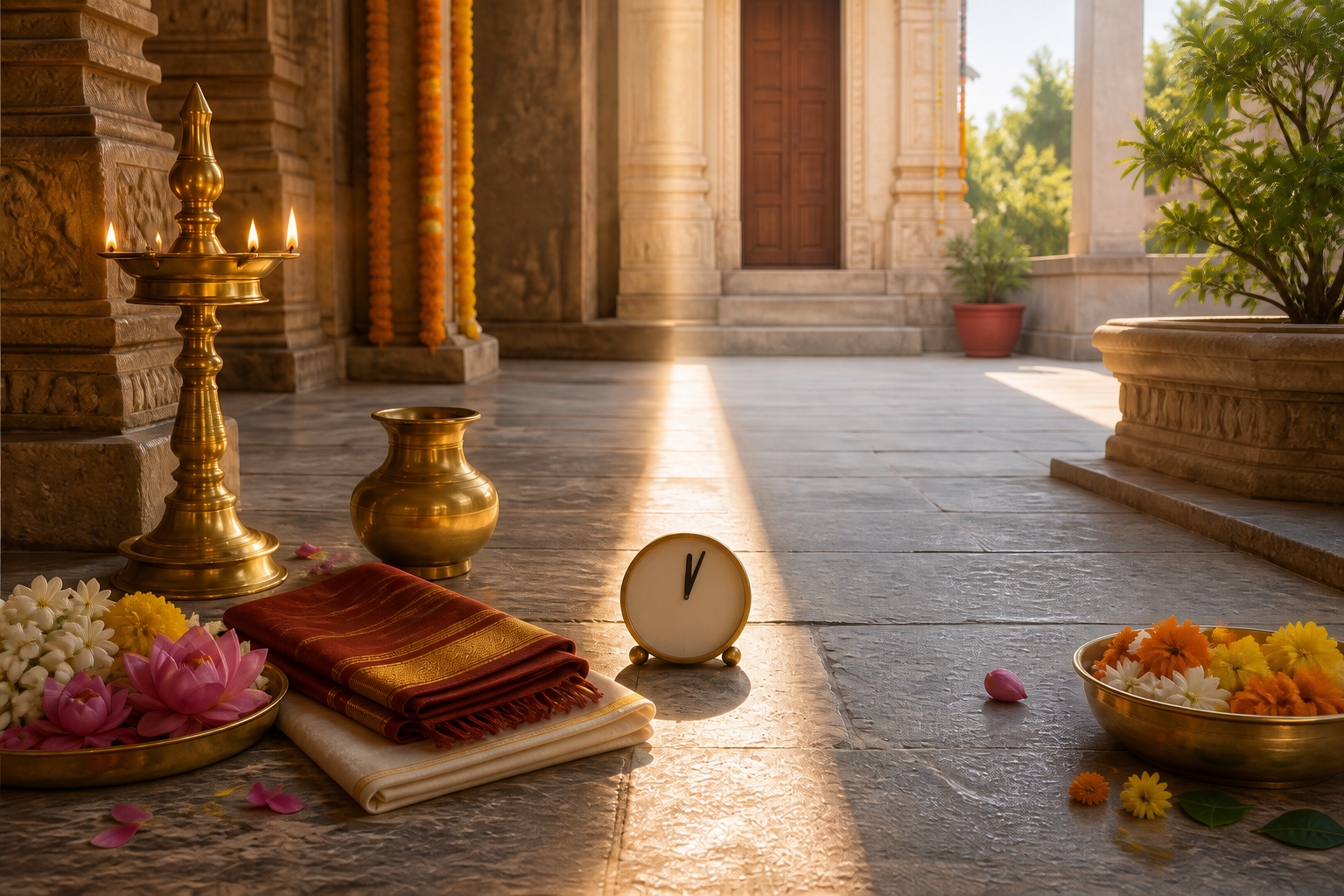
If you are arranging puja, a vrata-related duty, seva, or a family observance for Tuesday, December 2, 2025, one time determines how you should divide the day: 12:16 PM. In most regions, the day is under Shukla Paksha Dwadashi until that point and under Shukla Paksha Trayodashi afterward.
The practical rule is simple. Place observances specifically tied to Dwadashi before the transition, treat activities after it as occurring on Trayodashi, and confirm the calculation in a trusted Panchang for your location before fixing a formal ritual or public programme.
Key takeaways for December 2
- Tuesday, December 2, 2025 begins under Shukla Paksha Dwadashi in most regions.
- Dwadashi continues until 12:16 PM; Shukla Paksha Trayodashi begins after that time.
- Keep a Dwadashi-specific observance in the earlier part of the day and begin a Trayodashi-specific practice only after the transition.
- Do not treat 12:16 PM as a complete muhurta calculation. It identifies the change of tithi, not every other Panchang factor.
- Regional calculations and lineage-specific rules can differ, so verify the time locally when the exact observance depends on it.
Read the date as two tithis, not one all-day label

A civil date begins at midnight, but a tithi follows the lunar cycle and does not have to change when the clock reaches midnight. That is why a single calendar date can contain part of one tithi and part of the next.
On December 2, the operative sequence is Shukla Paksha Dwadashi until 12:16 PM, followed by Shukla Paksha Trayodashi. Dwadashi is the twelfth lunar day of the waxing fortnight; Trayodashi is the thirteenth. The change at 12:16 PM is therefore the boundary between two lunar days, not the end of worship for the day.
| Part of December 2 | Prevailing tithi | How to use the timing |
|---|---|---|
| Beginning of the day through 12:16 PM | Shukla Paksha Dwadashi | Place Dwadashi-specific commitments in this period, preferably with enough margin to finish before the change. |
| After 12:16 PM | Shukla Paksha Trayodashi | Use this period for practices that your family, temple, or sampradaya associates with Trayodashi. |
Do not read the table more broadly than it allows. If your daily prayer is not tied to a particular tithi, the tithi change alone gives you no reason to interrupt it. Continue the practice unless your tradition provides a more specific instruction.
Build your observance around the 12:16 PM boundary
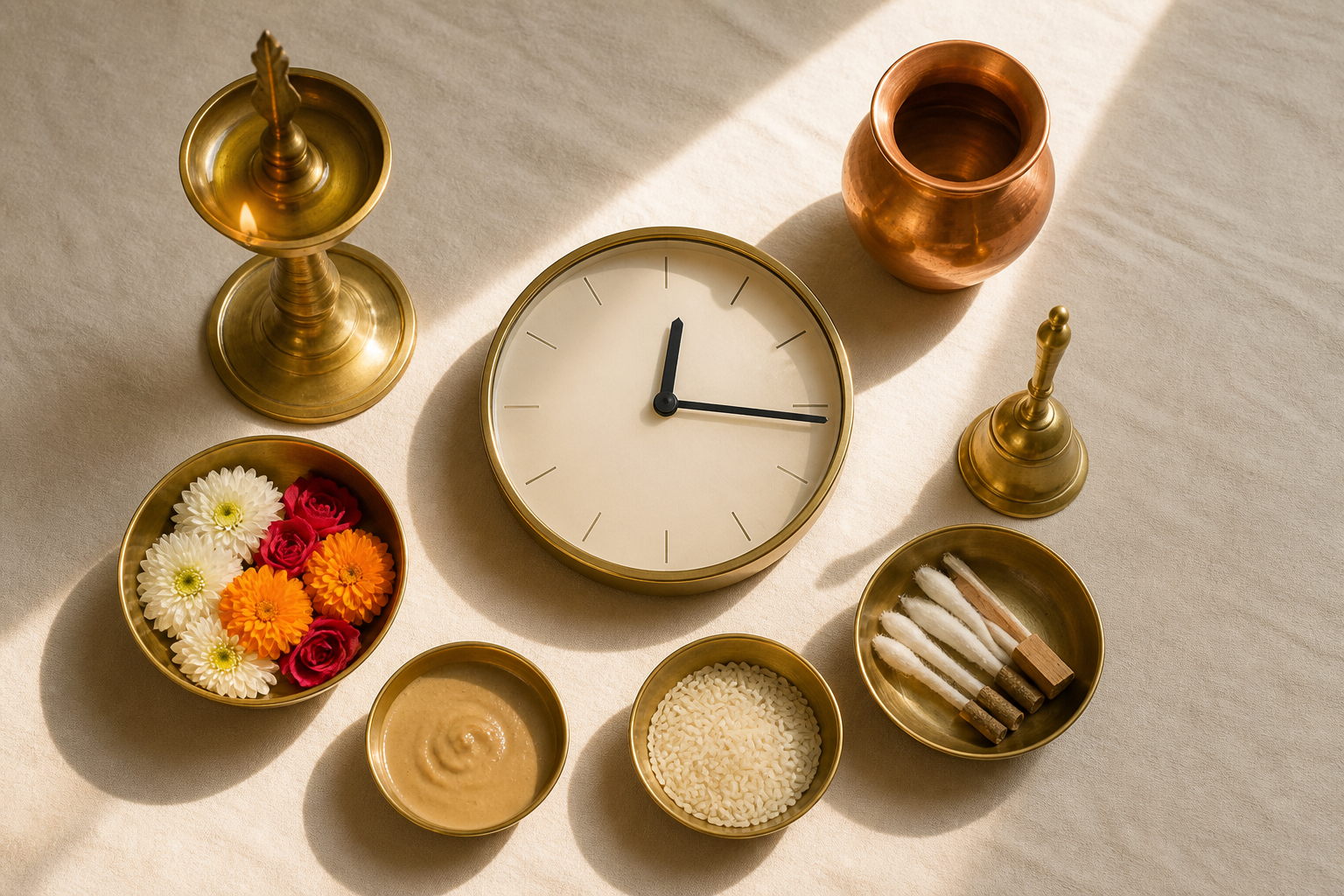
The common planning error is to notice that both tithis occur on December 2 but never decide which activity belongs on which side of the transition. A short written plan prevents that confusion.
- Classify each activity. Mark it as Dwadashi-specific, Trayodashi-specific, or part of your ordinary daily practice. Only the first two categories require placement around 12:16 PM.
- Protect the earlier period for Dwadashi. If a duty must occur during Dwadashi, schedule it in the morning or otherwise leave a practical margin before 12:16 PM. Do not make the transition minute itself your planned finishing time.
- Use 12:16 PM as a dividing line. Conclude the Dwadashi-specific intention before it. After the line has passed, recognize that Trayodashi is prevailing.
- Place Trayodashi practices afterward. Begin only those observances that your own tradition assigns to Trayodashi; the timing does not create a new obligation by itself.
- Record the location and Panchang used. This matters when relatives, a temple, or a community group are coordinating across places that may show different calculations.
A tithi ending time also should not be mistaken for a complete vrata-completion or parana instruction. Some observances apply additional conditions established by a sampradaya, temple, or regional tradition. If those rules govern your vrata, use the 12:16 PM transition as one input and follow the appropriate local guidance for the rest.
Use the transition as a spiritual hinge
Shukla Paksha Dwadashi belongs to the waxing half of the lunar month and is traditionally associated with steady growth and devotion. You can make that meaning concrete during the earlier part of December 2: maintain a regular japa commitment, complete an act of seva already promised, or restore consistency to a practice that has become irregular.
The midday change then offers a natural pause. At 12:16 PM, or at the next quiet moment after it, ask two practical questions: What should continue into the new tithi, and what needs correction before it does? Keep the answer small enough to act on that day. A single completed service or renewed discipline carries more weight than a long list of intentions left untouched.
This is a devotional use of the calendar, not a claim that every lineage prescribes an identical rite at the transition. The Panchang supplies the rhythm. Your sampradaya, family tradition, and sankalpa supply the form.
Know what this timing does not tell you
The 12:16 PM boundary answers one precise question: when Dwadashi gives way to Trayodashi in the calculation being used. It does not, by itself, settle every ritual decision for December 2.
- It does not establish a universal local time. Panchang results can vary with location and calculation method. Confirm the entry for the place where the observance will occur.
- It does not supply Nakshatra or Rashi details. If your ritual depends on either, consult a complete regional Panchang rather than inferring them from the tithi.
- It does not identify an auspicious muhurta. A tithi boundary and a muhurta are not interchangeable pieces of information.
- It does not override sampradaya rules. Where your acharya, temple, or family tradition applies a more detailed procedure, follow that procedure.
- It does not make every activity tithi-sensitive. Work, ordinary responsibilities, nitya puja, and general seva need not be artificially divided unless a relevant tradition says otherwise.
For a personal practice with no formal timing requirement, the schedule above is enough. For a vrata, temple rite, or community event whose validity depends on exact calendrical conditions, obtain the local Panchang entry before announcing the time.
Keep a shared Dharmic setting precise and welcoming
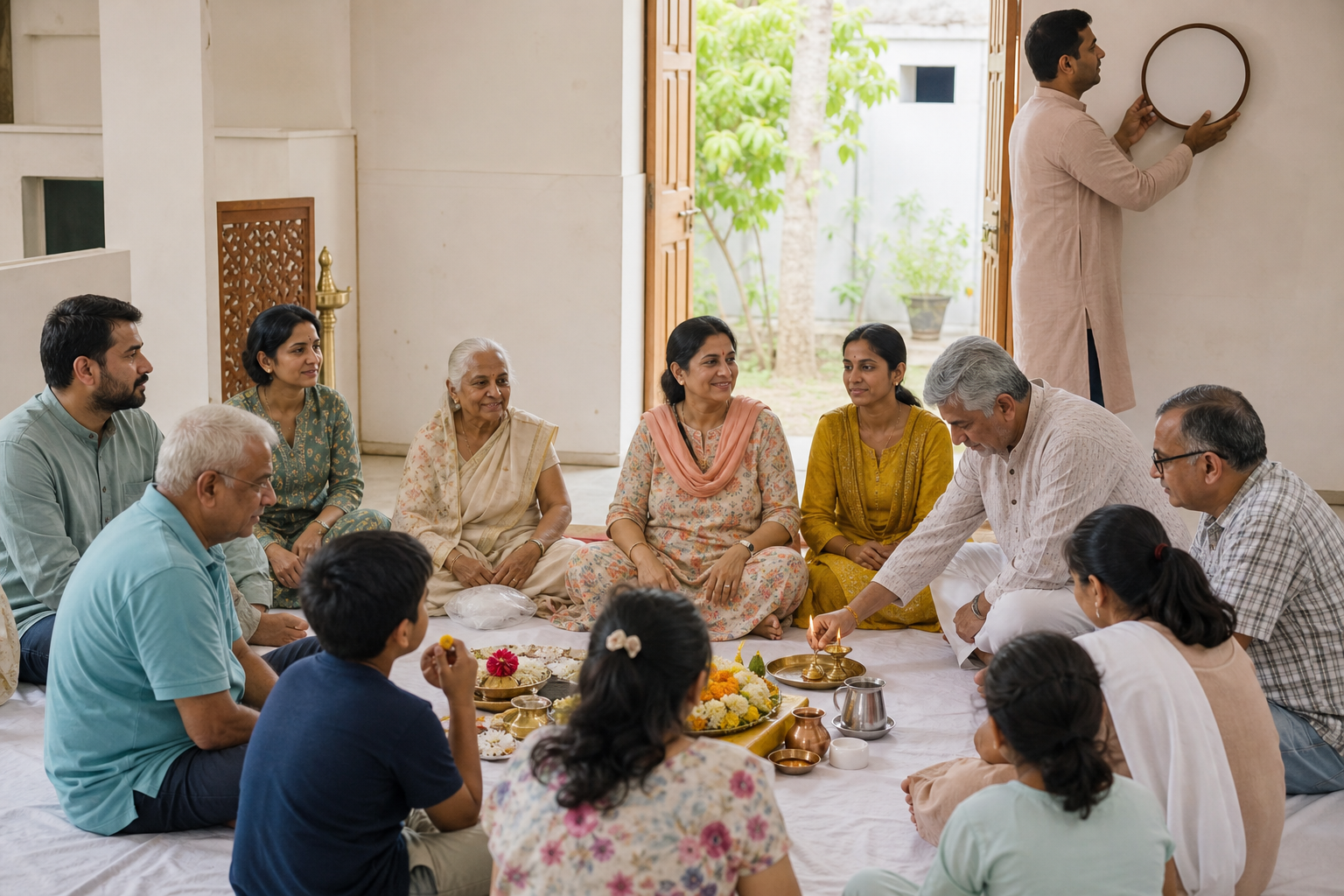
A Hindu Panchang has its own vocabulary and ritual setting. In a family or community that includes Hindus, Buddhists, Jains, or Sikhs, you do not need to flatten those distinct traditions to create a meaningful gathering.
Name Dwadashi and Trayodashi as the Hindu-calendar basis of the day, then frame any shared participation around practices people can enter through their own discipline: mindful reflection, compassion, prayer, or seva. This preserves accuracy while making space for genuine Dharmic fellowship. Shared values become stronger when they are offered without pretending that every tradition carries the same calendrical obligation.
Before December 2 arrives, write 12:16 PM in your calendar, place each tithi-specific act on the correct side of it, and verify the time for your location. That small preparation will let you enter both Dwadashi and Trayodashi with attention rather than uncertainty.
References
