

If you are looking for a clear answer about Mahatma Prabhu’s condition, the careful answer is hopeful but limited: he was improving steadily on November 27, 2025, and hospital discharge was being considered. It had not yet been confirmed.
That distinction matters. You can receive the encouraging news with gratitude, continue your prayers, and support his recovery without turning a conditional medical milestone into an all-clear.
Where the recovery stood on November 27
As of November 27, 2025, Mahatma Prabhu’s health was continuing to improve steadily. The progress was especially encouraging in light of the trauma he had experienced.
Hospital discharge was considered possible as early as the following day. That possibility remained subject to final medical assessments and routine clearance. Without a later confirmed report, it should still be described as an anticipated discharge rather than a completed one.
- Confirmed: His condition was improving steadily as of November 27.
- Encouraging: The reported pace of recovery was regarded as remarkable given the trauma involved.
- Conditional: Discharge could occur as early as the following day, pending the treating team’s approval.
- Still necessary: Rest, monitoring, and a calm rehabilitation environment remained important.
If you share the news, keep the date attached to it. A dated, conditional sentence such as “Mahatma Prabhu was improving steadily on November 27, and discharge was being considered pending medical clearance” is more responsible than saying simply that he has left the hospital or fully recovered.
Discharge is a transition, not a declaration of full recovery

Discharge generally means that a medical team considers continued hospital care unnecessary at that stage. It does not necessarily mean that healing is complete, that normal activity can resume immediately, or that continued observation is no longer needed.
For a community eager to see a respected devotee return, this is where affection can accidentally become pressure. Repeated calls, requests for visits, expectations of public appearances, and demands for detailed updates can consume the quiet that recovery requires. Let his family, caregivers, and authorized community representatives set the pace of contact.
Medical decisions must remain with Mahatma Prabhu’s treating professionals. Prayer, yajna, japa, and devotional remembrance can accompany treatment, but they should never be presented as reasons to alter prescribed care. Do not send medicines, supplements, remedies, or treatment instructions unless his caregivers have specifically requested them and the clinical team has approved them.
Devotees can hold two truths together without tension: timely clinical care addresses the injured body, while spiritual practice helps sustain devotion, patience, gratitude, and loving attention. Respecting both is not a compromise in faith. It is a disciplined form of care.
Turn concern into support that does not create another burden
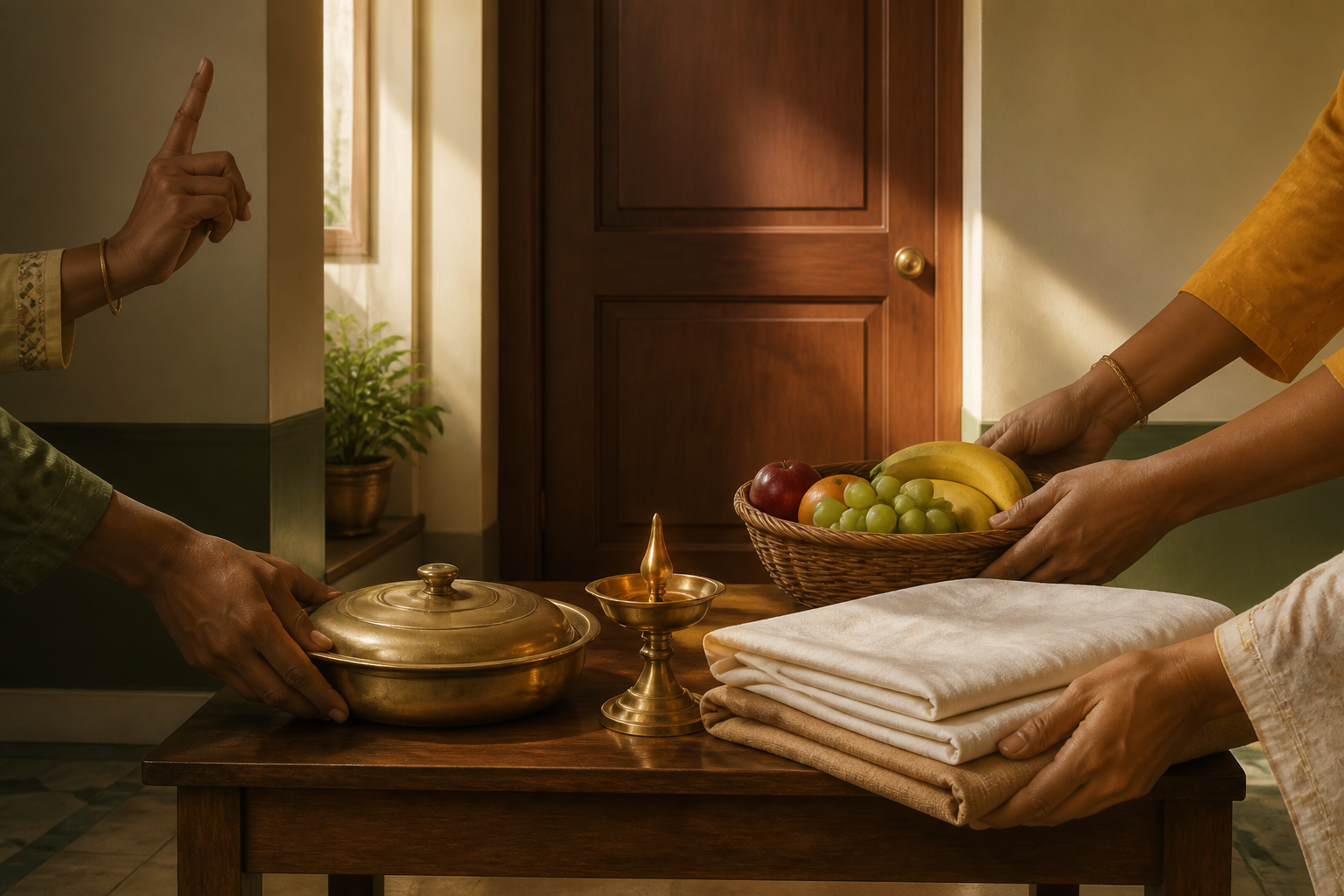
The most helpful solidarity is usually coordinated, quiet, and responsive to what is actually requested. Before acting, ask whether your gesture serves his recovery or mainly relieves your own need to do something.
- Share only dated information. Preserve words such as “possible,” “pending,” and “as of.” They prevent hope from becoming misinformation as messages move through WhatsApp groups, temples, and social media.
- Use a designated contact if one is provided. One coordinated channel protects the family and care team from having to answer the same question repeatedly.
- Offer practical seva without assuming access. Transport, meals, administrative help, or support for ongoing responsibilities may be useful, but only when requested and coordinated.
- Protect medical privacy. Do not circulate images, private messages, diagnostic speculation, or second-hand claims merely because they appear to come from someone close to the situation.
- Keep spiritual offerings free of obligation. You may pray, chant, hold a yajna, observe mindful silence, or dedicate an act of service without expecting acknowledgement from Mahatma Prabhu or his family.
- Make support sustainable. Recovery often needs patience after the first wave of public concern has passed. A modest commitment you can maintain is more useful than an intense response that disappears after a day.
If no practical assistance has been requested, prayer and restraint are already meaningful forms of seva. You do not need private medical details in order to care sincerely.
Dharmic solidarity can preserve difference while expressing care
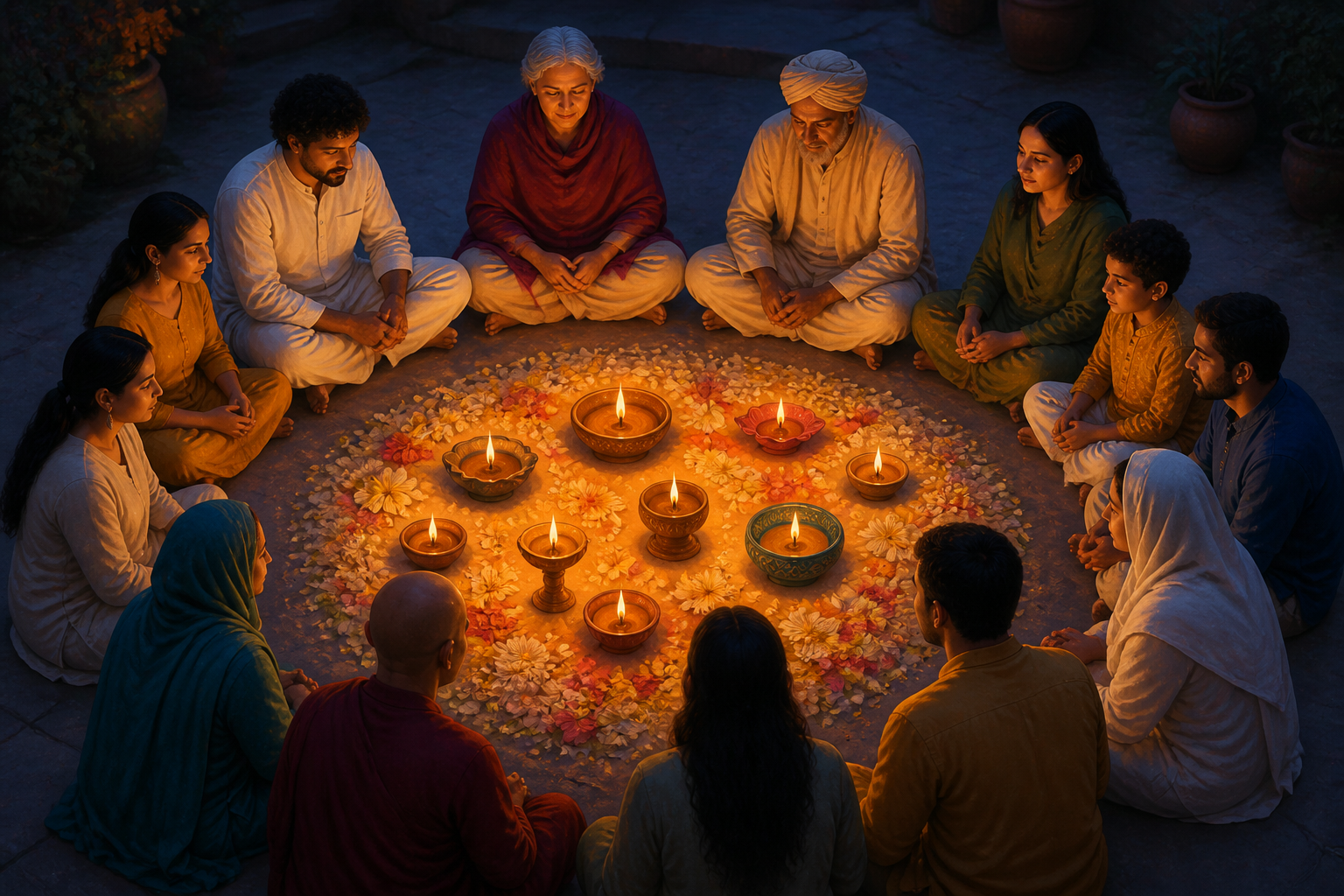
Prayers and well-wishes have come not only from Vaisnavas but also from friends across the wider dharmic family, including Hindu, Buddhist, Jain, and Sikh communities. This is not a claim that these traditions are identical. Their philosophies, disciplines, and sacred vocabularies retain their own integrity.
The unity lies in the response to vulnerability. Prayer, contemplative silence, compassion, service, dignity, and concern for life allow people from different traditions to stand together without erasing their distinctions.
If you belong to another dharmic sampradaya or panth, offer support through the practice you can undertake sincerely. There is no need to imitate Vaisnava worship or convert solidarity into a theological declaration. Pray in your own sacred language, perform an appropriate act of seva, or simply refrain from spreading speculation.
For temple and community leaders, a short coordinated observance is preferable to competing announcements. State the purpose, preserve the date of the health information, avoid unconfirmed clinical claims, and give participants one clear practice. That may be prayer, chanting, silence, or service according to the community’s tradition.
Key takeaways
- Mahatma Prabhu was improving steadily as of November 27, 2025.
- Discharge was possible as early as the following day, but it depended on final assessments and routine medical clearance.
- Possible discharge should not be reported as confirmed discharge or complete recovery.
- Rest, monitoring, privacy, and a calm rehabilitation environment should take precedence over demands for access or frequent updates.
- Spiritual practice can accompany medical care, but it must not replace or override treatment.
- Dharmic solidarity is strongest when it becomes disciplined prayer, coordinated seva, accurate communication, and respect for boundaries.
For now, the sound course is simple: keep the November 27 status in its proper tense, wait for verified confirmation before repeating any further milestone, and let your concern become prayerful, patient support. Hope serves recovery best when it is truthful.
References
