
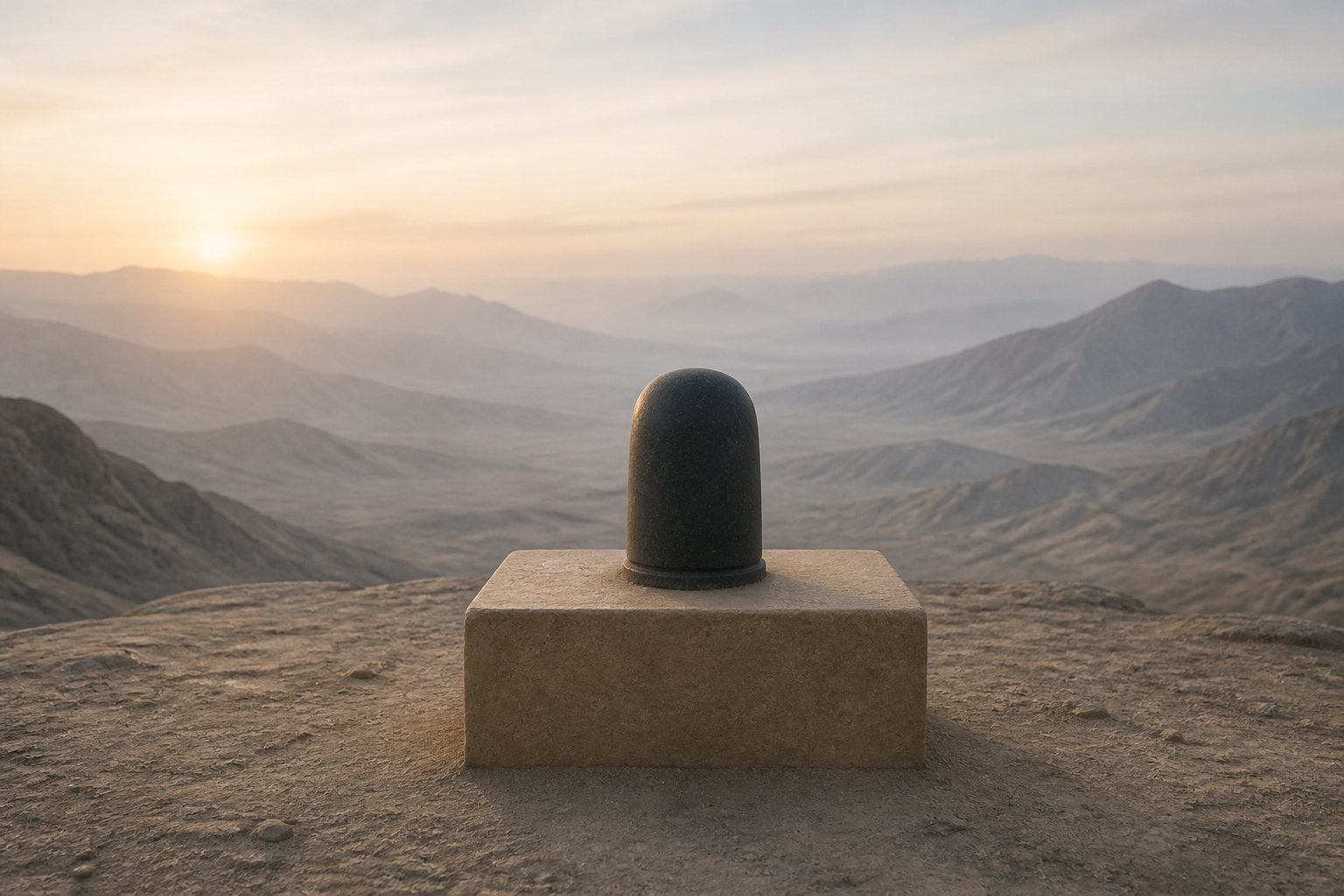
If you came looking for the exact location, age, photographs or present condition of Sarveshwar Mahadev Temple, do not fill the gaps with confidence. The defensible answer is narrower: Sarveshwar Mahadev is identified as a Shiva temple in Afghanistan, but no city, construction date, founder, surviving structure or current ritual life is established by the information available here.
That restraint does not make the temple unimportant. It changes the responsible task. You can understand what its name signifies, distinguish devotional memory from historical proof, and know exactly what evidence is needed before repeating a fuller story.
What the name establishes, and what it does not
Mahadev, the “great deity,” is a familiar title of Shiva. Sarveshwar expresses the idea of the Lord of all. Together, the name carries an unmistakably Shaiva theological meaning: Shiva is being invoked not merely as a local guardian, but in a universal form.
The name can therefore identify the intended deity. It cannot, by itself, date a building, locate it within Afghanistan or prove continuous worship at a particular site. Temple names recur across regions, spellings change between languages, and a sacred name can survive in memory after the physical condition of a shrine has changed.
When you encounter the name online, treat “Sarveshwar Mahadev” as evidence of Shaiva dedication only when the name has been transmitted accurately. Treat every further detail – location, antiquity, architecture, patronage and present status – as a separate claim requiring its own support.
Keep three different claims separate

Confusion begins when theology, historical identification and civilizational interpretation are compressed into one sentence. They answer different questions and need different kinds of evidence.
- The devotional claim: Shiva is worshipped under many names, and Sarveshwar Mahadev expresses one such understanding of him. This tells you what the name means to a devotee.
- The site claim: A temple bearing this name is placed in Afghanistan. To turn that identification into usable history, you still need a precise place, a traceable record or physical evidence connected to the location.
- The civilizational claim: The temple may be presented as a sign of a much wider historical reach of Shiva worship. That interpretation requires evidence beyond the temple’s name and national label.
A claim that Shiva was once worshipped throughout the entire world should not be treated as an established archaeological conclusion merely because Shiva has many names or because Shaiva traditions travelled widely. A universal theological vision and a universal historical distribution are not the same proposition.
It is equally misleading to explain the contraction of Shaiva worship through the emergence of several religions as though they formed one undifferentiated historical process. Jainism and Buddhism are Dharmic traditions with their own long relationships with Hindu thought and practice. Political power, migration, patronage, local demography and the survival of particular communities must be examined by period and place. A single civilizational slogan cannot perform that historical work.
This distinction protects rather than diminishes Hindu heritage. A carefully bounded claim is harder to dismiss, easier to investigate and more likely to survive scrutiny.
How to investigate the temple without amplifying a legend
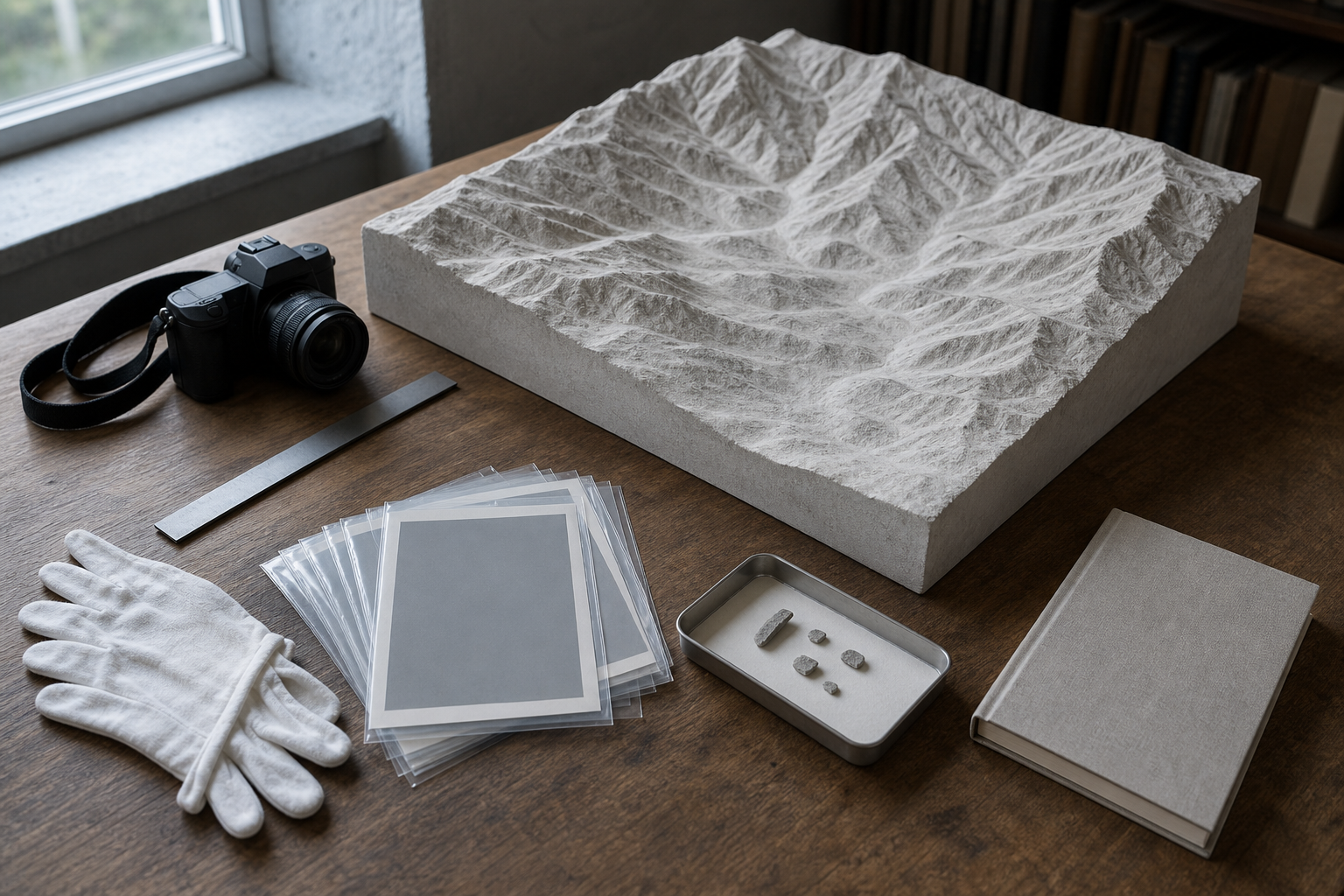
If you want to research Sarveshwar Mahadev Temple, begin with the missing fields rather than searching for pages that repeat the same sentence. Ten repetitions descending from one unidentified claim do not amount to ten independent confirmations.
- Resolve the location. Look for a province, city, village, historic place-name, nearby landmark or coordinates. “Afghanistan” is too broad to distinguish a physical site from a general memory or a mistaken attribution.
- Resolve the name. Record the spelling exactly as it appears, the language in which it was recorded and any independently attested variants. Do not assume two similarly named shrines are the same place.
- Establish a chronology. Seek dated inscriptions, archaeological records, catalogued objects, travel accounts, administrative records or community documents. A date attached to an online photograph is not automatically the date of the structure depicted.
- Establish physical identity. Ask whether an image shows the claimed temple, a detached Shiva image, a lingam, a different shrine or an unrelated landscape. A Shaiva object can support a Shaiva association, but it does not by itself establish the temple’s name, age or complete history.
- Define the site’s status. “Ancient temple,” “temple ruins,” “former temple,” “remembered sacred site” and “active place of worship” are not interchangeable descriptions. Use only the one the evidence supports.
- Trace provenance. For every photograph, caption or testimony, find the earliest available version and record who supplied it. A cropped image without place, date or custody should be labelled unverified, even when it appears visually convincing.
- Seek independent corroboration. Compare archival catalogues, archaeological scholarship, museum records, historical maps and documented community testimony. Oral memory is valuable evidence, but preserve the speaker, date and context instead of converting memory into an unattributed fact.
Keep a simple evidence ledger as you work. Mark each proposition as confirmed, reported or unverified, then note what would change its status. This prevents a familiar mistake: allowing a strong conviction about Afghanistan’s Hindu past to substitute for proof about this particular temple.
How devotees and heritage advocates can speak responsibly
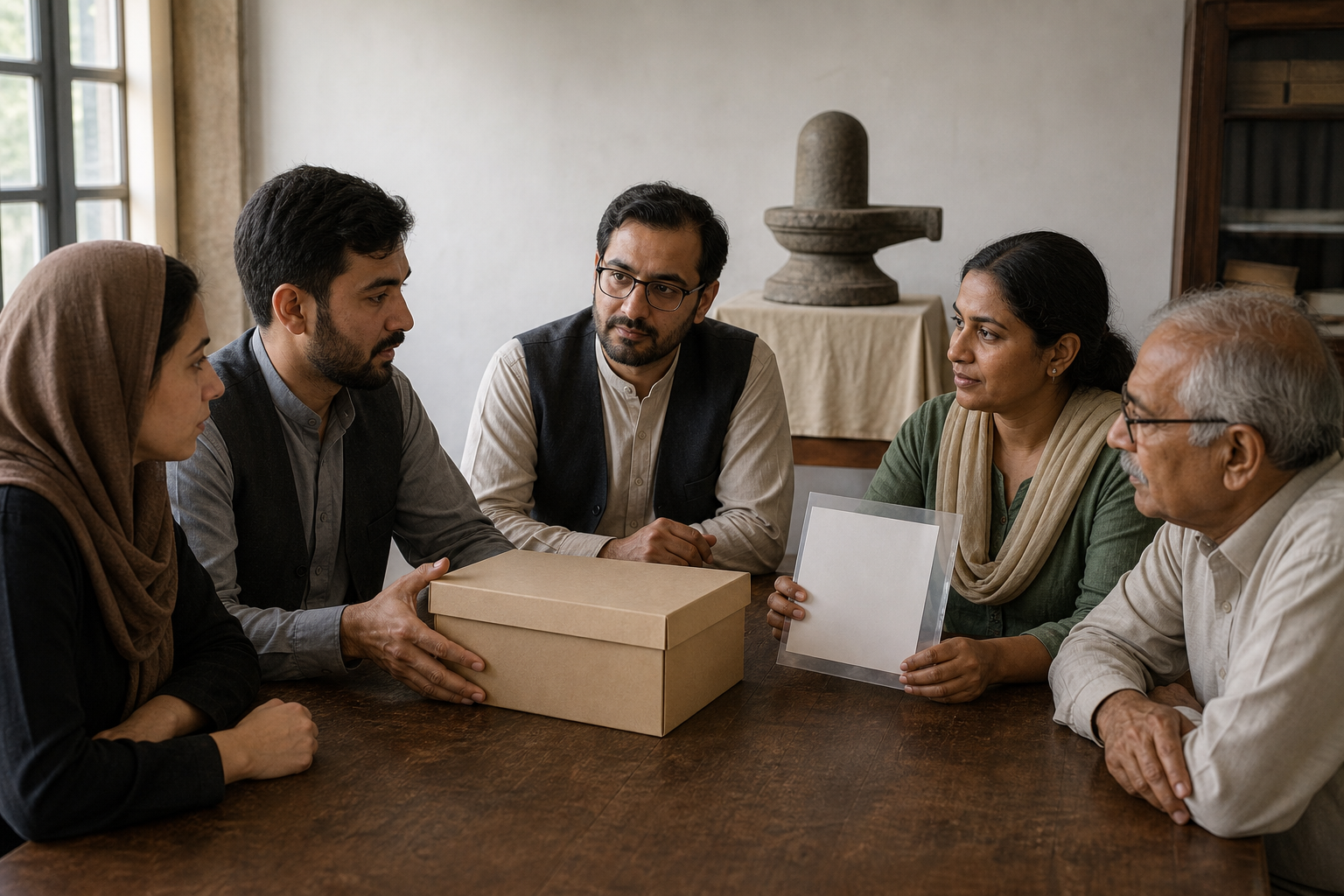
You do not have to choose between reverence and accuracy. Devotional remembrance does not require invented dates, dramatic claims or borrowed photographs. In fact, false precision makes a vulnerable heritage claim easier to discredit.
Until stronger documentation emerges, a careful public description would be: “Sarveshwar Mahadev is reported as a Shiva temple in Afghanistan. Its precise location, age, physical condition and current use remain unverified in the information presently available.” That wording preserves the claim without upgrading uncertainty into fact.
- Do not attach an image unless you can explain where it came from and why it depicts this temple.
- Do not call the temple destroyed, abandoned, converted or active without evidence for that specific condition.
- Do not assign an ancient date merely because the name sounds old or because Hindu traditions in the wider region have deep roots.
- When sharing testimony, distinguish what a named person remembers from what a dated record establishes.
- Preserve uncertainty in captions. Phrases such as “reported,” “possibly associated” and “location not yet verified” are useful when they describe the evidence honestly.
- Include the shrine in prayers or heritage remembrance if you wish, while keeping the devotional act separate from historical authentication.
Absence of detailed evidence in one account does not prove that the temple never existed. The reverse is also true: repetition does not prove that every detail attached to the name is historical. The correct position is neither automatic rejection nor automatic certainty. It is disciplined openness.
Key takeaways
- Sarveshwar Mahadev is identified as a Shiva temple in Afghanistan, but the available information does not establish its exact location, age or present condition.
- The name expresses Shiva as the Lord of all; it establishes a Shaiva meaning, not a chronology or an archaeological identity.
- Devotional universality should not be presented as proof that Shiva worship once covered the entire world.
- A useful investigation must separately verify the place, name, chronology, physical remains, present status and provenance of images or testimony.
- Heritage advocacy becomes stronger when confirmed facts, reported claims and unverified details are clearly labelled.
Your next useful move is simple: save the temple claim in its exact wording, attach its link, create fields for location, date, physical evidence and present status, and leave those fields marked unverified until evidence fills them. That small discipline serves both Mahadev and the historical record.
References
