
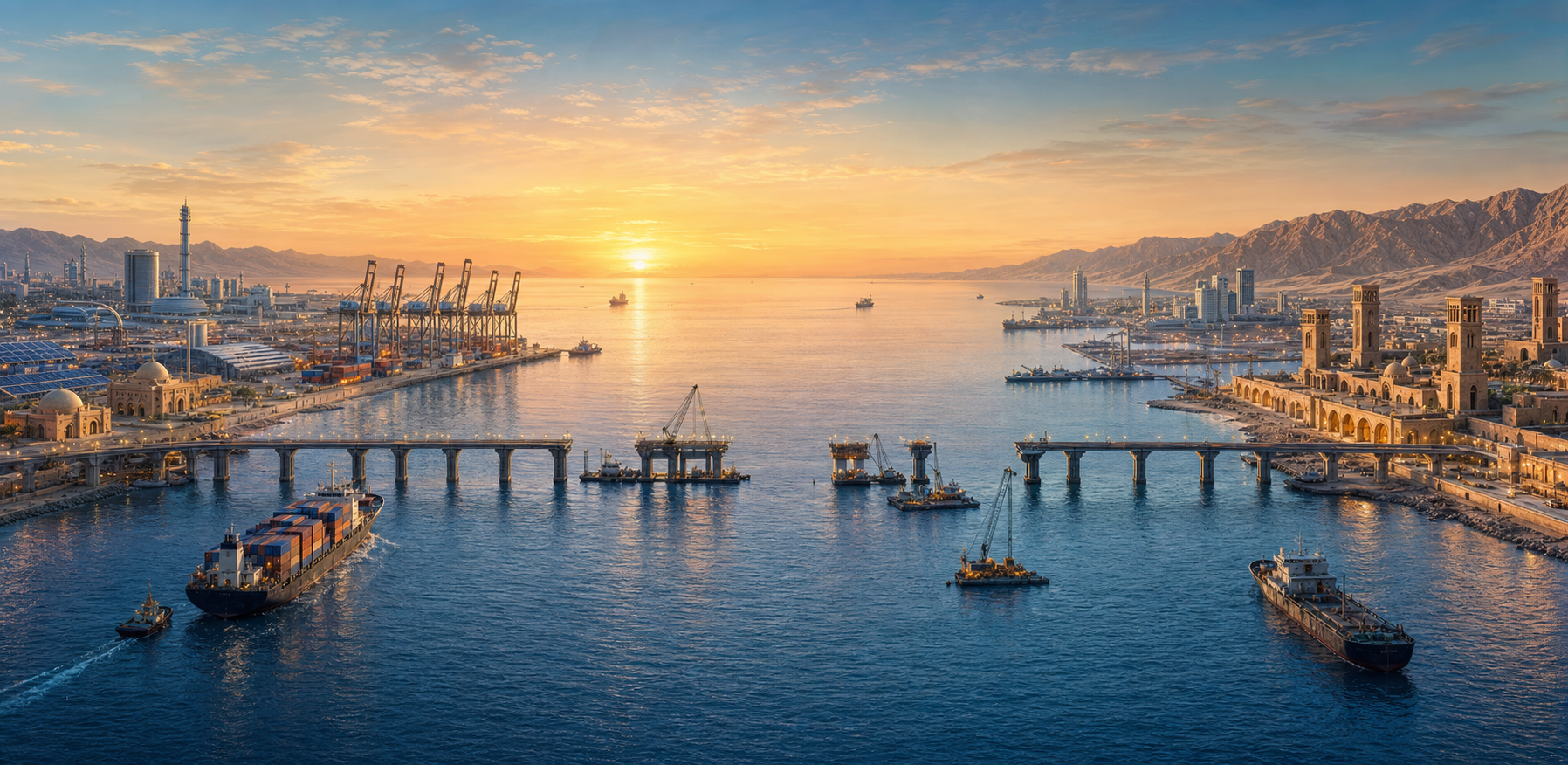
If you have heard Reza Pahlavi promise a new chapter between India and a future free Iran, the useful question is not whether the idea sounds attractive. It is whether the proposal gives India a serious strategy for a political order that does not yet exist.
The answer is qualified. His vision identifies real foundations for partnership and several credible fields of cooperation. But you should treat it as a contingent agenda, not a forecast. Civilisational familiarity, democratic legitimacy, legal room for engagement, and functioning institutions would all have to converge before goodwill could become durable policy.
The promise begins with a condition, not a timetable
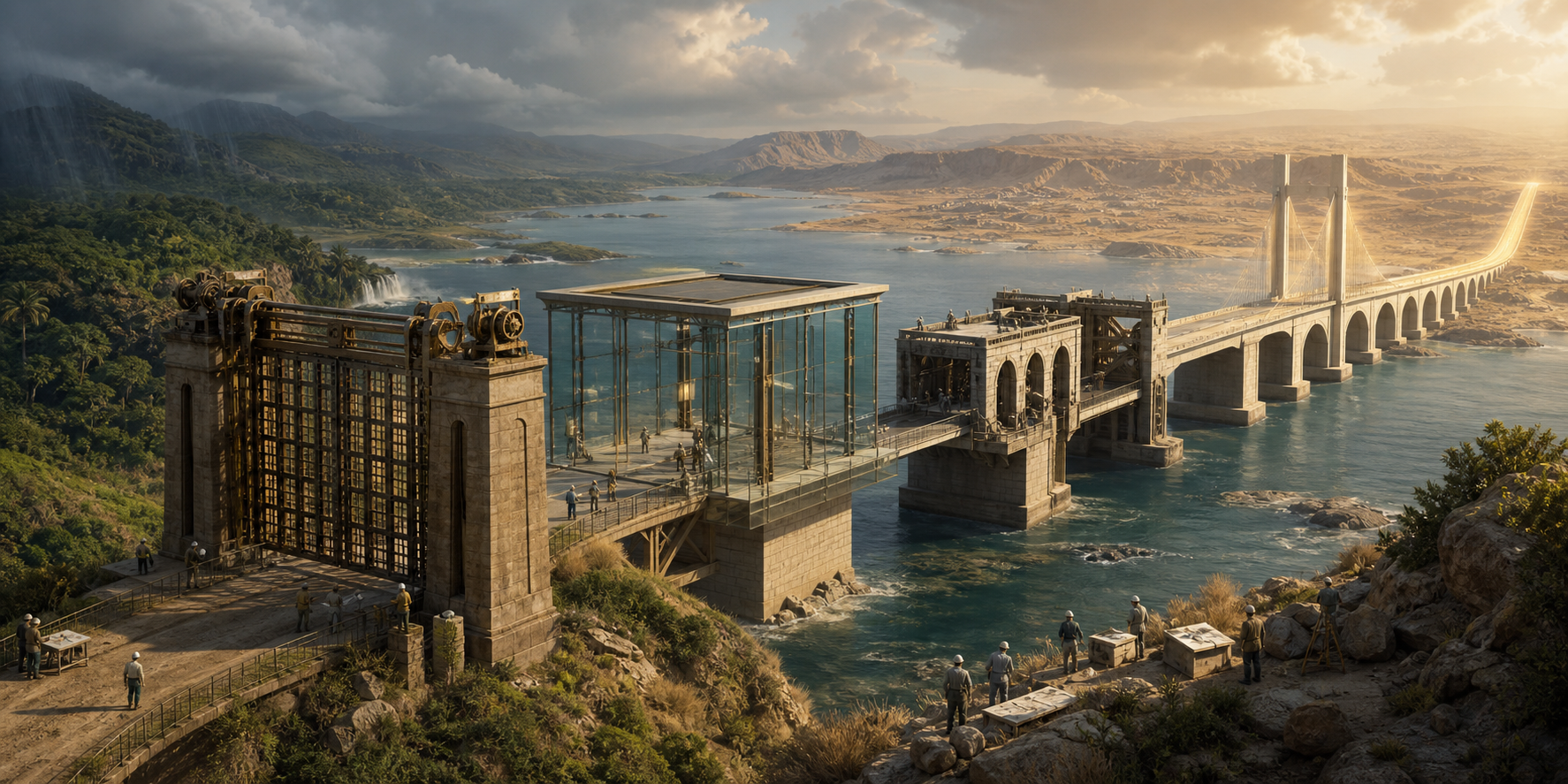
Pahlavi’s central proposition is explicit: a democratic and free Iran could open an entirely new relationship with India. The words “once Iran is free” do most of the strategic work. They make the proposed partnership dependent on political change inside Iran rather than on a routine adjustment to current diplomacy.
Because Pahlavi speaks as an exiled crown prince rather than as Iran’s government, he can describe a possible direction but cannot bind future Iranian institutions. Nor can an external figure decide what political settlement Iranians will accept. His proposal is best understood as one model of how a future Iran might position itself toward Bharat.
Three gates would have to open before that model could become state policy:
- Political legitimacy: a new order would need sufficient consent and institutional stability to make commitments in Iran’s name.
- Diplomatic operating space: sanctions, regional tensions, and competing global alignments would have to permit lawful, dependable cooperation.
- Administrative delivery: ministries, universities, regulators, businesses, and technical bodies would need to turn broad intentions into projects that survive leadership changes.
This distinction matters whenever you encounter a speech about a future India-Iran partnership. A compelling speaker can establish intent. Only legitimate and capable institutions can establish policy. India can study the possibilities and maintain non-exclusive intellectual relationships without assuming that any particular political outcome is inevitable.
Civilisational trust can open a door, but interests decide what follows
India and Iran do not have to manufacture a cultural connection for diplomatic convenience. Their societies have been linked across centuries through language, learning, commerce, and cultural exchange. The most meaningful example for many Indians is the preservation and flourishing of Zoroastrian traditions in India. Parsi life in Bharat turned refuge into continuity without requiring a community to surrender its distinct identity.
For a Dharmic reader, that history is more than a pleasant memory. It demonstrates a civilisational capacity to shelter difference while allowing it to contribute to a larger society. That gives India moral credibility in any conversation about pluralism, cultural survival, and relations with a future Iran.
It does not guarantee strategic alignment. Iranian statecraft under the Shah included early support for Pakistan, illustrating how governments act through the pressures and interests of their own period. Cultural affection may reduce distrust, but it does not erase security calculations, regional rivalries, or differences over external powers.
The practical rule is simple: use civilisation to open the door, then use policy to decide what should pass through it. Any future partnership should be tested against four questions:
- Does each side treat the other as a sovereign partner rather than as an instrument against a third country?
- Are the benefits reciprocal, visible, and defensible to citizens in both countries?
- Can agreements survive a change of leaders or a new regional crisis?
- Does the relationship embody pluralism and mutual respect in practice, not merely in ceremonial language?
If those tests are not met, invocations of ancient friendship will remain diplomatic decoration. If they are met, the civilisational foundation can make difficult cooperation more resilient.
Four cooperation lanes could turn affinity into public value
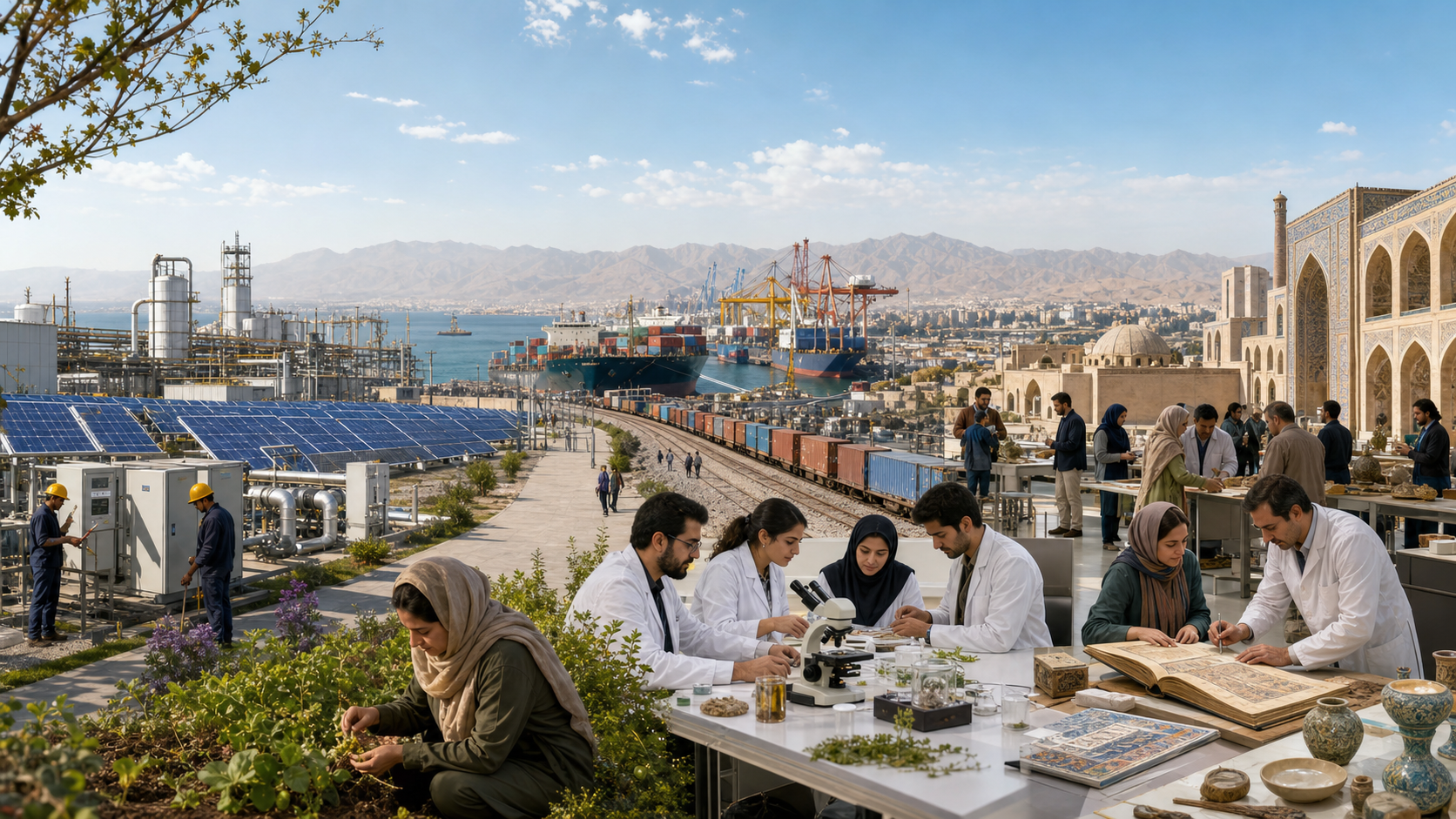
Pahlavi’s vision becomes more credible when it moves from history to material problems. He has placed energy security, water stress, and demographic pressures among the priorities that India and a future democratic Iran could address. These are useful starting points because success can eventually be measured in infrastructure, skills, resilience, and reliable exchange.
1. Energy security with legal and technical discipline
Energy is an obvious field of mutual interest, but it should not be treated as a single transaction. Conventional energy trade, renewable generation, storage, grid management, and investment each involve different institutions and constraints. Sanctions can affect whether payments, insurance, technology transfers, and contracts are legally workable even when the strategic case for cooperation is strong.
The first sign of seriousness would therefore not be an ambitious volume announcement. It would be a lawful implementation framework: identified counterparties, clear responsibilities, finance that can actually operate, and plans that account for political disruption. India should preserve optionality until those elements exist.
2. Water, agriculture, and resilient cities
Water stress is not solved by a declaration of friendship. It requires local data, suitable technology, trained operators, and institutions that maintain systems after a pilot ends. Cooperation could connect water management with agri-tech and resilient urban planning rather than treating them as separate subjects.
A credible project would define one bounded problem, assign an accountable institution on each side, establish what information can be shared, and state how results will be judged. A pilot that improves a specific operating process is more informative than a broad memorandum covering an entire sector.
3. Digital public infrastructure and clean-energy capability
India’s experience with technology and digital public infrastructure gives a future Iran a potential development partner beyond the usual great-power choices. The same is true of Indian capability across solar power, wind power, energy storage, and grid integration. The opportunity is not merely to transfer a finished product. It is to share design knowledge, standards, training, governance lessons, and the capacity to operate systems locally.
When you assess a proposed technology partnership, look for local institutional ownership. A platform or energy asset that depends indefinitely on outside political support will remain fragile. A program that trains Iranian specialists, supports transparent rules, and develops interoperable systems has a better chance of surviving political change.
4. Trade corridors and knowledge networks
The long-term economic logic includes diversified energy relationships, more dependable trade routes, and supply chains that are not exposed to a single political pressure point. Yet physical connectivity alone will not create trust. Experts, entrepreneurs, universities, and investors must know which problems they are trying to solve and which rules govern their participation.
Track II dialogue, university partnerships, and expert networks can begin building that knowledge before large commercial commitments are feasible. Academic and technical exchanges are not substitutes for diplomacy, but they can identify capable partners, expose unrealistic assumptions, and preserve communication when official relations are constrained. Investment should follow legal clarity and institutional confidence, not run ahead of them.
A phased test separates strategic preparation from political betting
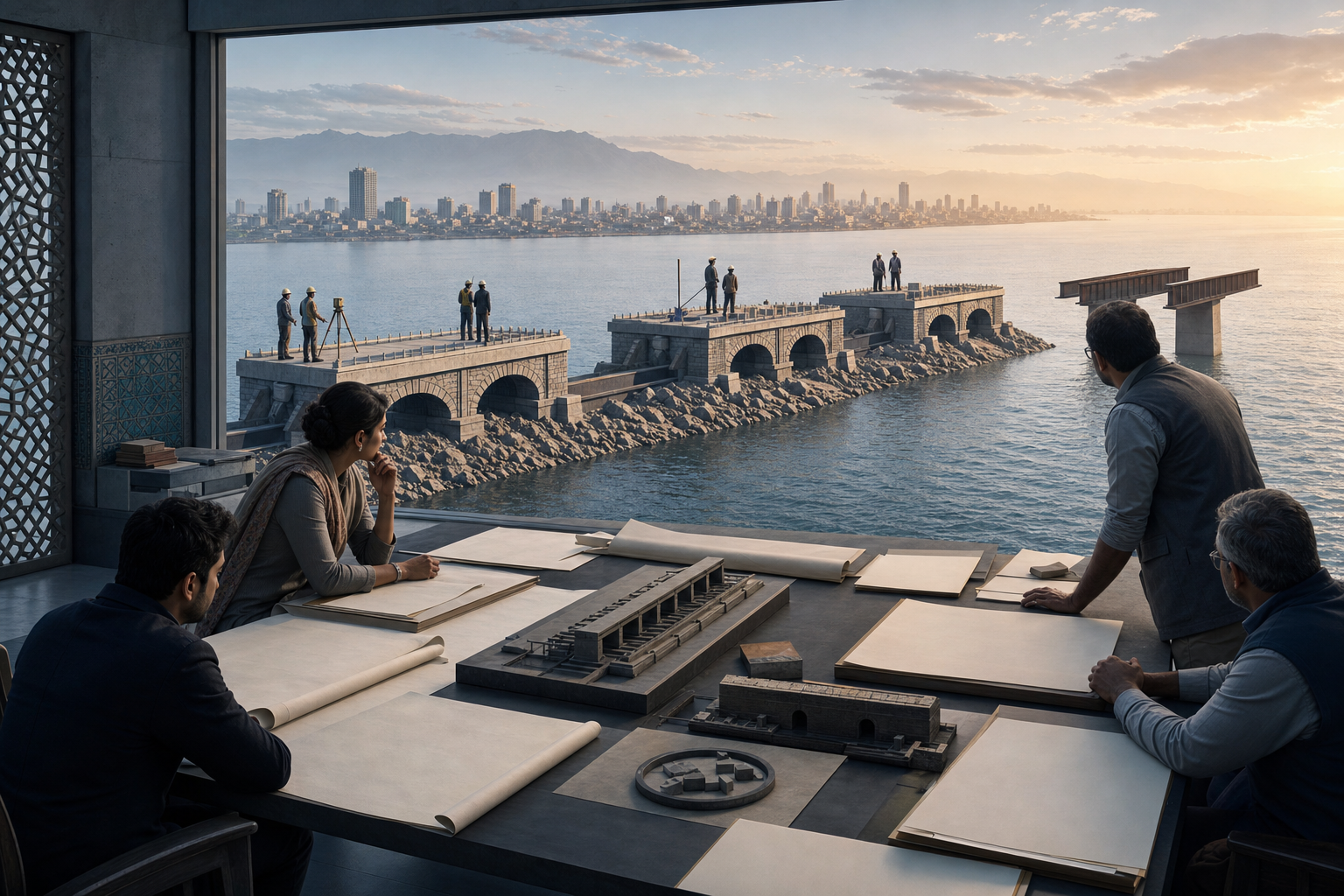
India does not have to choose between ignoring Pahlavi’s vision and betting on his political future. The prudent course is to prepare for multiple Iranian futures while respecting that Iranians must determine their own political order.
- Map complementary capabilities. Identify the Indian and Iranian expertise relevant to energy, water, agriculture, digital systems, urban resilience, and universities.
- Maintain lawful, non-exclusive dialogue. Expert networks should examine practical constraints without presenting themselves as a substitute government or an advance recognition of one political faction.
- Wait for legitimate authority before making state commitments. A political transition would have to produce institutions capable of negotiating, implementing, and defending agreements.
- Begin with bounded pilots. Each pilot should have named owners, a defined public problem, a legal operating route, and an observable result.
- Scale only what survives scrutiny. Large trade and infrastructure commitments should follow evidence of delivery, institutional continuity, and compliance with applicable sanctions and financial rules.
This sequence allows India to gain knowledge without making an irreversible political commitment. It also protects a future Iranian partner from being reduced to a source of energy or a piece on somebody else’s geopolitical board.
| Area to watch | Evidence of substance | Reason for caution |
|---|---|---|
| Political foundation | Legitimate institutions able to make and sustain commitments | Promises resting on one personality or an externally assumed outcome |
| Legal viability | A clear route for lawful finance, contracts, technology, and exchange | Announcements that ignore sanctions or implementation constraints |
| Institutional depth | Reciprocal participation by agencies, universities, experts, and businesses | Relationship confined to speeches and ceremonial meetings |
| Project delivery | Bounded pilots with responsible owners and observable results | Broad memoranda with no defined problem or follow-through |
| Civilisational character | Pluralism, equality, sovereignty, and mutual cultural respect | Selective use of history to conceal present-day asymmetry |
This is also where businesses and investors must be particularly careful. Political optimism is not legal permission to transact. Before committing capital, technology, or contractual obligations, they would need current sanctions guidance and appropriate legal advice for the jurisdictions involved.
The Dharmic case is strongest when it avoids romanticism
A pro-Dharma view of India-Iran relations need not turn Iran into a civilisational fantasy. Iran is not a Dharmic country, and shared history does not eliminate profound differences. The deeper Dharmic contribution is a standard of conduct: confidence without domination, pluralism without forced sameness, compassion without naivety, and cooperation without surrendering sovereignty.
The Parsi experience gives this standard a human form. Bharat did not preserve Zoroastrian memory as an exhibit from a vanished past. A living community carried its faith forward while contributing to the country that became its home. That inheritance can support cultural diplomacy, educational exchange, and serious reflection on how distinct traditions coexist.
It should not be used to grant any politician automatic approval. Pahlavi’s emphasis on liberty, pluralism, sovereignty, and respectful partnership aligns with values that many Indians will recognise. Whether a future political order embodies those values must be judged through institutions and conduct. The relevant questions are how it treats diversity at home, whether it treats India as an equal, and whether its agreements produce reciprocal benefit.
This measured approach is not a retreat from civilisational confidence. It is an expression of it. Bharat can acknowledge ancient affinities, welcome democratic aspirations, and still insist that strategic partnership be proved through dependable behaviour.
Key takeaways
- Pahlavi is presenting a contingent vision for relations with a future democratic Iran, not an agreement that current or future Iranian institutions are already bound to follow.
- Civilisational ties and the Parsi experience create trust, but they cannot replace reciprocal interests, legal viability, or institutional capacity.
- Energy, water management, agri-tech, digital public infrastructure, renewable power, and resilient urban planning are the clearest practical fields for cooperation.
- Expert and university networks can prepare the ground, while large investment and state commitments should wait for legitimate authority and legal clarity.
- The most reliable proof will be bounded projects, accountable institutions, reciprocal benefits, and pluralist conduct rather than the warmth of diplomatic language.
When the next speech, transition proposal, or India-Iran announcement appears, check four things before accepting the headline: lawful room to act, legitimate institutions, a project with named owners, and reciprocal respect in practice. If those elements begin to appear together, Pahlavi’s vision will be moving from civilisational possibility toward policy. Until then, it remains a serious option that India should study without mistaking preparation for certainty.
References
