
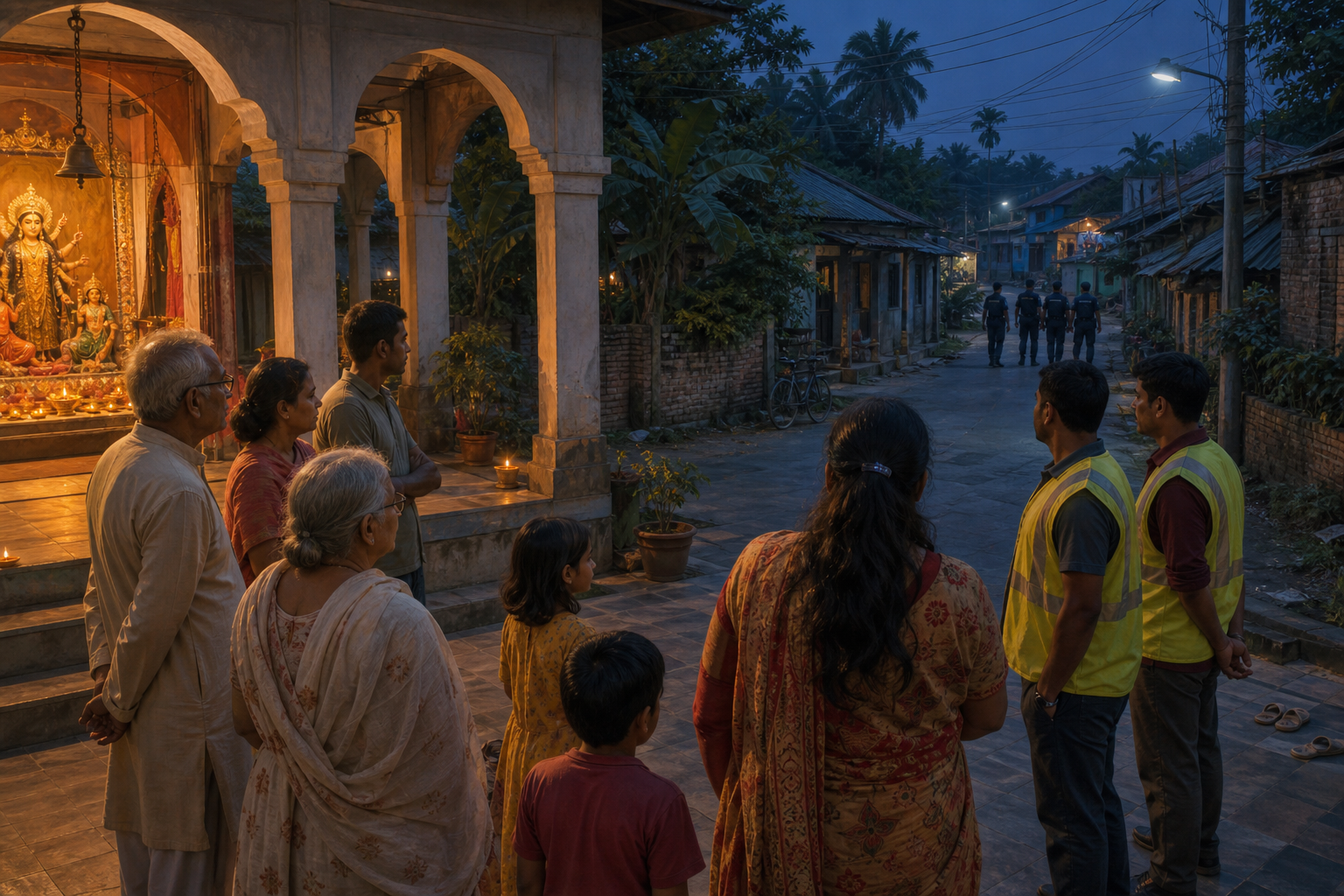
If you encountered the reports from Narsingdi, your immediate question may be larger than one criminal case: are Hindu families in Bangladesh safe, and what can anyone do that will help rather than deepen the danger?
Chanchal Bhowmik’s death demands a clear answer from the justice system. It also demands disciplined action from communities, advocates, officials, and the diaspora. That means protecting people before another emergency, preserving evidence, pressing institutions with precise questions, and refusing the rumours or collective retaliation that can place more innocent people at risk.
What Narsingdi establishes, and what remains unproven
Initial reports dated January 25, 2026 identify Chanchal Bhowmik as a 23-year-old Hindu garage worker who was burned to death in Narsingdi, Bangladesh. The killing was reportedly captured on video. Important details, including the full sequence of events and the evidentiary status of the footage, remained under investigation.
That distinction matters. Chanchal’s identity, the brutality reported in the case, and the need for an urgent investigation can be stated plainly. A particular perpetrator, motive, or wider conspiracy should not be presented as proven until credible evidence establishes it. The available facts justify alarm; they do not justify filling gaps with speculation.
- State what is reported: name the victim, place, age, occupation, nature of the alleged crime, date of the initial reports, and the fact that an investigation is required.
- Label what needs authentication: describe the recording as reported footage until investigators establish its origin, completeness, and connection to the crime.
- Leave unresolved questions open: do not assign motive, identify suspects, or describe an allegation as a judicial finding without supporting evidence.
Restraint is not a retreat from Hindu advocacy. It makes advocacy harder to dismiss and protects the integrity of any later prosecution. It also prevents an important point from being lost: minority safety is not only a question of whether one crime is eventually classified as religiously motivated. It is also a question of whether a vulnerable citizen receives equal protection, whether warning signs produce preventive action, and whether institutions respond without delay or discrimination.
Minority safety must be organized before the next emergency
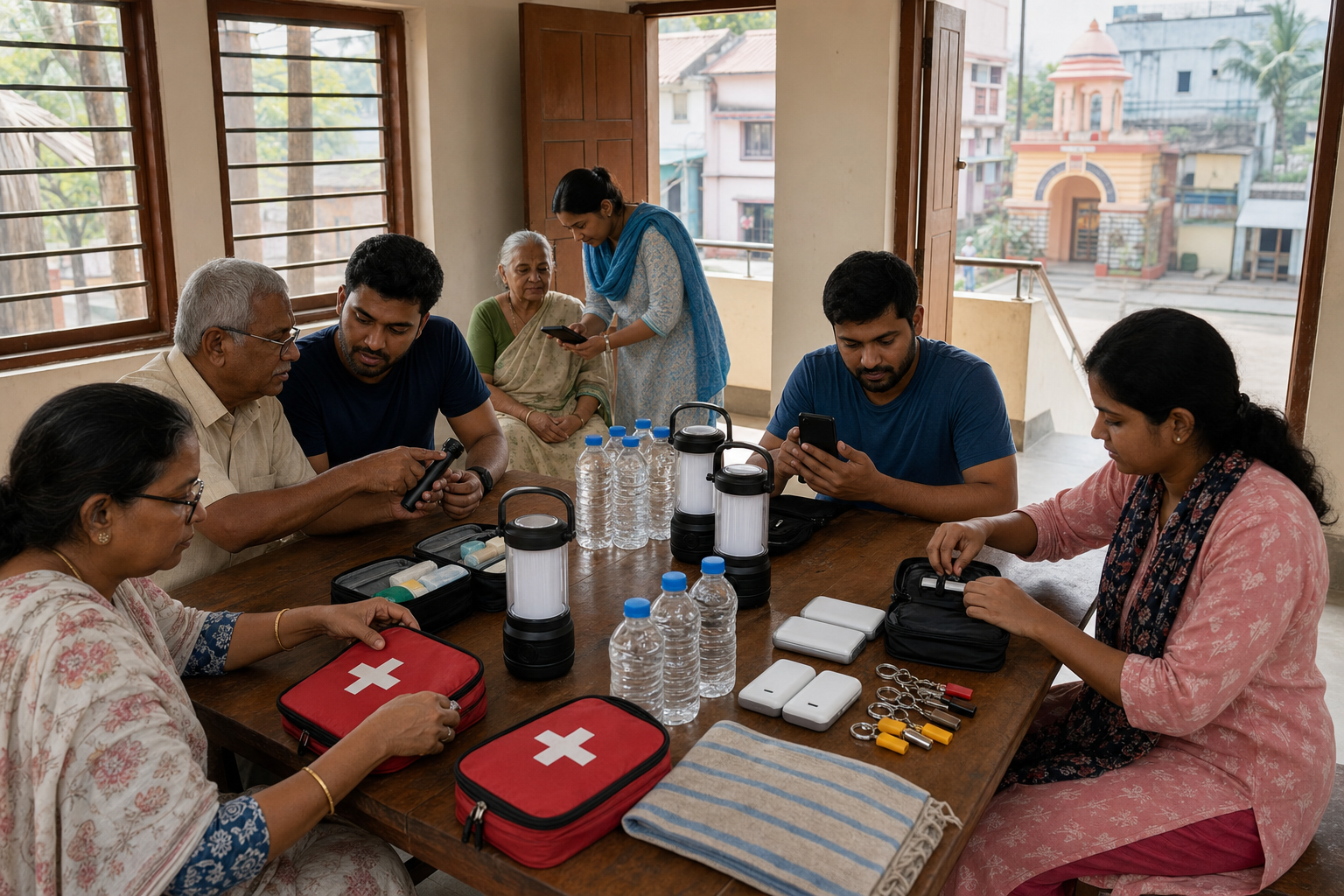
A community is most exposed during the interval between the first warning and the arrival of effective help. Confusion spreads quickly in that interval: relatives cannot locate one another, several people make conflicting reports, graphic material circulates without context, and volunteers rush toward a dangerous location. A simple local protocol can reduce that confusion.
- Build a private contact tree. Each household should know whom to call if a member cannot be reached. Include trusted community coordinators, local authorities, medical assistance, legal support, and transport contacts. Keep sensitive names and addresses out of public posts.
- Map immediate options. Identify locally suitable places where threatened people could wait safely, the routes available to reach them, and who can assist children, older people, or anyone with limited mobility. Conditions can change, so local judgment must govern every movement.
- Assign roles before a crisis. One person can coordinate welfare checks, another can maintain the incident record, and another can communicate verified information. Without assigned roles, urgent tasks are duplicated while less visible needs are missed.
- Create one incident log. Record the time of each threat or attack, location, witness contact, report or case number, authority contacted, response received, and next follow-up date. Preserve the original wording of threats instead of paraphrasing them.
- Review each warning. Threats, intimidation, suspicious surveillance, property damage, or repeated harassment should not be allowed to disappear as isolated anecdotes. A documented pattern can reveal where preventive protection is needed.
If danger appears immediate, personal safety comes first. Move away from the threat when a safe route is available, contact trusted local responders, and avoid confronting an attacker or gathering a crowd at an unsecured scene. A volunteer plan can support emergency response, but it cannot replace trained medical assistance, lawful policing, or professional legal help.
Ahimsa does not require a threatened family to remain passive. It rejects revenge and collective punishment while allowing firm, lawful protection of life. The practical Dharmic response is disciplined: safeguard the vulnerable, tell the truth, preserve evidence, and seek justice without creating another victim.
Protect the evidence without exposing the people
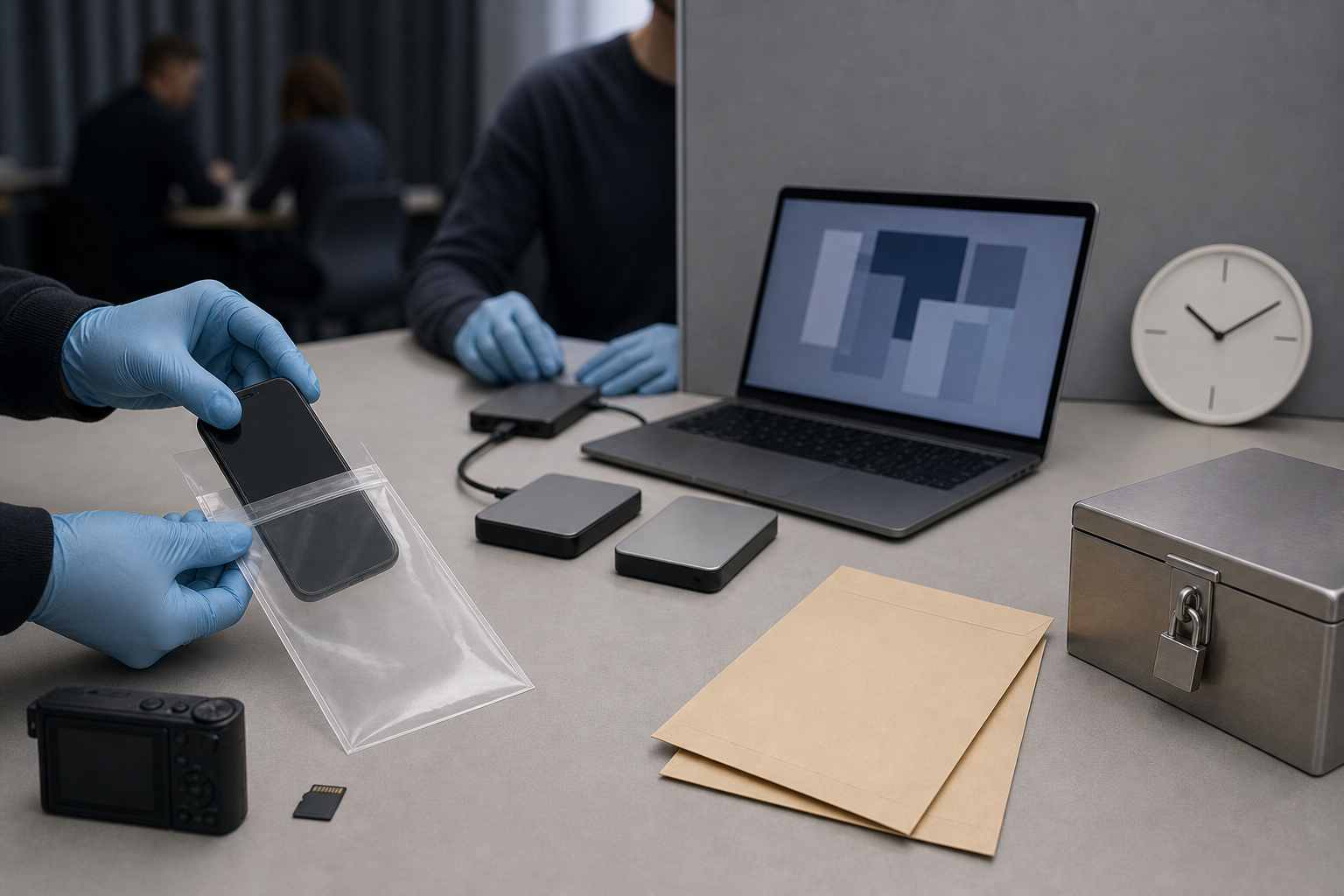
A recording can help investigators reconstruct a crime, but viral circulation is not the same as authentication. Forwarding, editing, screen-recording, or adding captions may strip away useful context. Publicly identifying a witness can also expose that person to intimidation.
- Keep the original file. Do not crop, filter, annotate, or overwrite it. Preserve the device copy and any available information about when and how it was obtained.
- Record provenance separately. Note who recorded the material, who first received it, and each transfer made afterward. Do not claim first-hand knowledge when the file came through another person.
- Make controlled backups. Store copies with a small number of trusted people or qualified representatives. Limit access to graphic material and personal information.
- Separate observation from hearsay. A witness should record what they personally saw or heard. Information received from someone else belongs in a separate field with that person’s identity recorded privately where safe.
- Protect identities in public. Remove names, faces, addresses, vehicle details, and other identifying information when disclosure could endanger victims or witnesses. Obtain informed consent before publishing personal testimony.
- Preserve a submission record. If evidence is given to investigators or legal representatives, note what was provided, to whom, when, and under what reference number. Keep a secure copy unless competent legal advice requires otherwise.
The same discipline applies to advocacy. Share a verified description and a link instead of repeatedly uploading graphic footage. Do not turn Chanchal’s last moments into spectacle. His dignity, his family’s privacy, witness safety, and the evidentiary value of the recording all matter more than social-media reach.
Measure justice by safeguards, not announcements

A forceful statement from an official may acknowledge public concern, but it does not by itself establish accountability. The meaningful questions concern what authorities preserve, whom they protect, what process they follow, and whether the case can reach a credible legal conclusion.
- Has the scene been secured and relevant physical and digital evidence preserved?
- Has the reported video been obtained in its original form and examined for authenticity and continuity?
- Is there a documented investigative timeline, with responsibility assigned to a named authority?
- Can witnesses and the victim’s family communicate with investigators without intimidation or public exposure?
- Are conflicts of interest identified, and is impartial review available if confidence in the investigation is reasonably questioned?
- Do public updates distinguish verified findings from allegations without compromising the inquiry?
- What immediate protection is being provided to people facing related threats in and around the affected community?
- Does the family have a reliable liaison for information, legal process, and appropriate victim support?
An arrest, if one occurs, would be a procedural milestone rather than the end of the matter. Accountability requires evidence that can withstand scrutiny, lawful charges, protection from interference, and credible proceedings. Preventive safety also requires more than solving one case after a life has been lost.
If you are advocating from outside Bangladesh, send a short, case-specific request rather than a broad denunciation. Name Chanchal Bhowmik and Narsingdi, list the questions you want answered, request a dated response, and retain the reply. Maintain a simple ledger containing the recipient, date sent, commitment made, promised deadline, actual response, and next follow-up. This turns public concern into a record that journalists, community organizations, rights advocates, and public officials can evaluate.
Avoid publishing private addresses, unverified suspect names, or accusations against an entire religious community. Collective blame violates ahimsa, weakens factual advocacy, and can expose uninvolved people – including Hindus living nearby – to further danger. Satya and solidarity must operate together: truth without selective omission, and protection without retaliation.
Key takeaways
- Chanchal Bhowmik’s reported killing warrants an urgent, impartial investigation, but unresolved questions about motive, perpetrators, and video authentication must remain clearly labeled.
- Hindu minority safety depends on prevention as well as prosecution: private contact trees, safe-movement planning, assigned response roles, and consistent incident records reduce confusion during danger.
- Preserve original digital evidence and its provenance. Public circulation should never take priority over witness safety, family privacy, or evidentiary integrity.
- Judge the institutional response by evidence preservation, witness protection, independent scrutiny, credible proceedings, victim support, and preventive measures – not by statements alone.
- Advocate with named cases, numbered questions, dated requests, and documented follow-up. Reject rumours, doxxing, graphic spectacle, collective blame, and retaliation.
Your next useful step depends on where you stand. If you are part of an affected community, establish the contact, safety, and evidence roles before another warning arrives. If you are elsewhere, make one precise request for investigative transparency, witness protection, and preventive security, then follow it until there is a documented answer. Chanchal Bhowmik should be remembered through a sustained demand for equal protection, not through a brief surge of outrage.
References
