

If a clip from Mussoorie has reached you with the words “fake mazar,” “illegal shrine,” or “attack on faith,” pause before choosing a side. Each label tries to settle questions that the available facts have not yet settled.
You do not have to choose between protecting Hindu interests and defending the rule of law. You can question an allegedly unauthorised religious structure, condemn its reported vandalism, and insist that both matters be examined through evidence. That is the position most likely to produce a truthful and durable result.
Begin with the narrow facts that are actually established
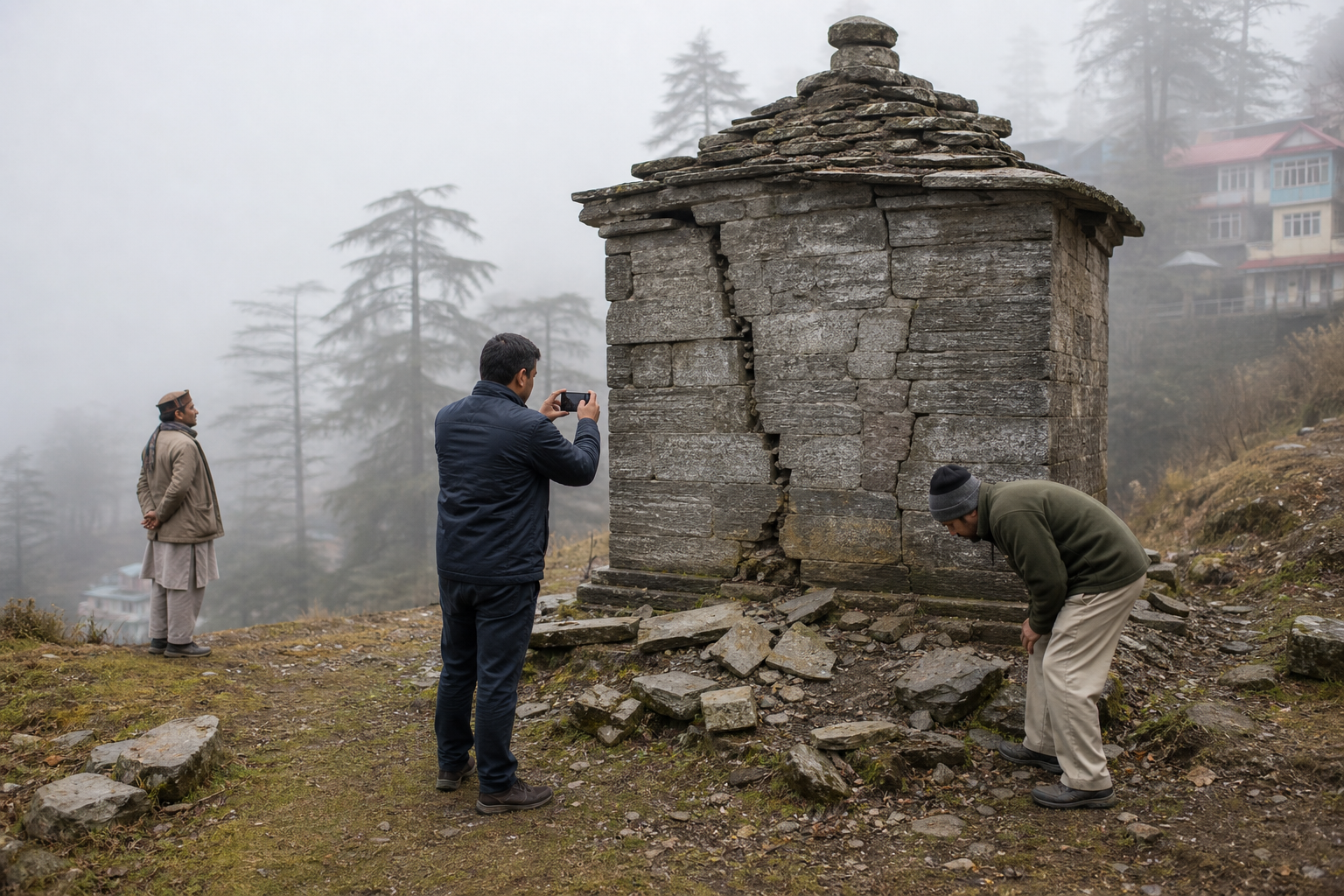
A structure in Mussoorie, Uttarakhand, described as a mazar associated with the 18th-century Sufi poet Baba Bulleh Shah, was reportedly vandalised, after which a police case was registered. Authorities were expected to examine the incident as well as questions surrounding the structure.
The structure’s description is contested. Some people call it unauthorised or “fake”; others regard it as a place of devotion. Neither description becomes an official finding merely because it is repeated forcefully or placed over a video.
Several questions therefore remain open until competent authorities produce records or a court rules on them:
- Which land parcel contains the structure, and who is recorded as its owner or lawful custodian?
- What permission, if any, governed its construction, maintenance, or religious use?
- What historical evidence supports the claimed association with Baba Bulleh Shah?
- Did the site have any formally recognised heritage status, or was “heritage” being used in the broader cultural sense?
- Who caused the damage, what evidence connects them to it, and what was their motive?
- Had any competent authority issued a notice, order, survey finding, or direction concerning the structure?
An unanswered question is not evidence for whichever answer you prefer. The absence of publicly verified permission does not by itself prove illegality. A devotional claim does not by itself prove legal title or historical authenticity. A police case confirms that a legal process has begun; it does not confirm every allegation circulating online.
Do not collapse three different disputes into one
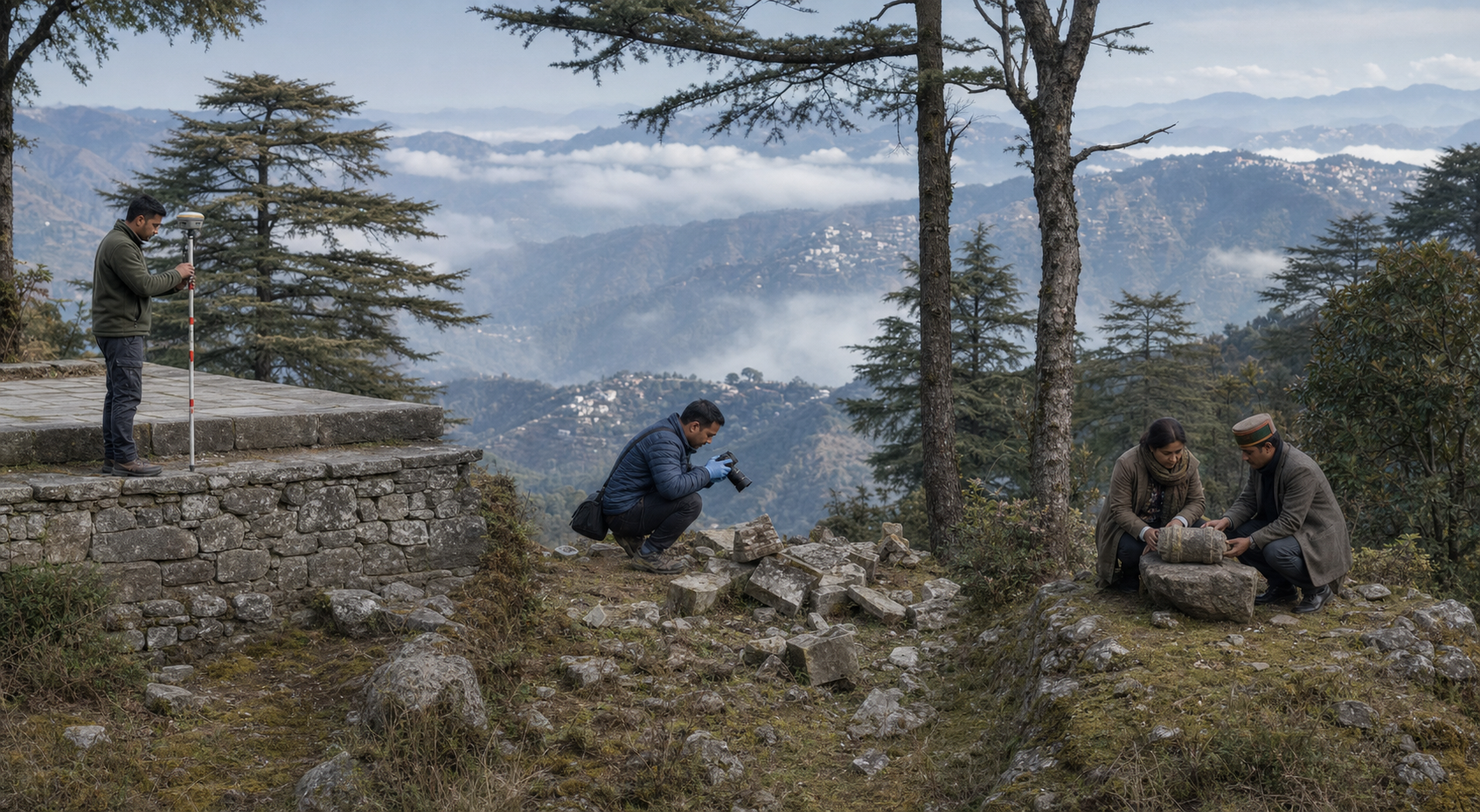
The Mussoorie controversy contains at least three separate files. Public argument becomes reckless when one file is treated as the verdict in all three.
1. The damage and public-order question
This inquiry concerns the reported act of vandalism: what happened, who participated, what evidence exists, and which laws may apply. The police case belongs to this file.
Even if a later inquiry finds that the structure lacked authorisation, that would not retrospectively give private persons a public licence to damage it. Questions about encroachment or unauthorised construction must pass through the applicable administrative and judicial process. Otherwise, every allegation of illegality could become an excuse for unilateral force.
2. The land and authorisation question
This file concerns records rather than slogans. Relevant material may include the identified plot, recorded ownership, permissions, survey findings, prior notices, official orders, and any response or appeal filed by a claimant. A photograph can show that a structure exists; it cannot establish title, permission, or encroachment.
If the structure is ultimately found to be unauthorised, the competent authority must determine the lawful remedy. That may involve procedures, hearings, or review rights that cannot be inferred from a social-media caption. If you are an owner, custodian, complainant, or accused person, obtain advice from a qualified local lawyer rather than treating general online commentary as a statement of your legal rights.
3. The historical and devotional question
A site can carry devotional meaning for local visitors without possessing a proven historical connection to the saint whose name it bears. Conversely, a disputed land status does not automatically erase every memory or practice associated with a place.
Historical association, living devotion, legal ownership, and formal heritage recognition are related but distinct claims. Each requires its own evidence. Establishing one does not automatically establish the others.
This separation gives you a reliable test for almost every heated claim. Ask which file the evidence belongs to. A land document may be important to the authorisation question but say nothing about who vandalised the structure. A video of damage may be important to the criminal inquiry but prove nothing about title. A devotee’s testimony may establish sincere use but not government permission.
Use this checklist before you share, accuse, or organise

Your forward, caption, or public statement can either preserve the distinction between fact and allegation or destroy it. Before acting, work through these steps.
- Write down the exact claim. “This video shows damage” is different from “this video proves who caused the damage.” “No permission has been shown” is different from “no permission exists.” If you cannot state the claim precisely, you cannot verify it.
- Find the earliest available version. Check who first uploaded the image or clip, when it appeared, whether it identifies Mussoorie, and whether later accounts changed the caption. A recent upload date is not necessarily the date of the recorded event.
- Read documents beyond the cropped portion. For any land record, notice, or order, look for the issuing authority, date, parcel identification, parties, operative direction, and whether the document is final or under challenge. A highlighted sentence can conceal the condition that controls its meaning.
- Label the status of each statement. Use “police have registered a case” for a confirmed procedural step, “authorities are examining the status” for an unresolved matter, and “some opponents allege” for a contested characterisation. Do not turn an allegation into a noun that silently decides the dispute.
- Preserve direct evidence in its original form. If you recorded the incident or possess a relevant original file, keep the unedited version, note when and where you obtained it, and provide it through an official police channel. Repeated cropping, compression, or captioning can remove useful context.
- Do not publish unverified identities. Naming supposed offenders, sharing private details, or calling for people to surround the site can expose innocent people to danger and complicate a lawful inquiry. Give identifying evidence to investigators.
- Correct visibly, not quietly. If a claim you shared proves false or incomplete, correct it in the same place and with similar prominence. Deleting a message without explanation allows screenshots and rumours to continue circulating.
If you live in Mussoorie, seek updates from the responsible police and civil administration rather than travelling to the disputed site to “inspect” it with a crowd. If you run a community page, timestamp each update and separate verified facts from pending claims. If you are a religious or civic leader, ask supporters to preserve evidence, avoid retaliation, and cooperate with lawful notices.
A useful joint statement does not need to decide who owns the land. It can make four limited commitments: no further damage, no retaliatory gathering, full cooperation with investigators, and acceptance of a record-based determination by the competent authority.
A Dharmic response must be principled even when claims are disputed
A pro-Hindu outlook does not require you to authenticate every structure bearing a religious name. It also does not require you to celebrate damage to a structure associated with another tradition. Those are false choices.
Dharma joins rightful ends to rightful means. If land has been encroached upon, the answer is an honest survey, notice, hearing, and lawful order. If vandalism occurred, the answer is an impartial investigation and accountability supported by evidence. Replacing either process with a crowd merely substitutes power for truth.
Ahimsa is relevant here, but it should not be reduced to passive politeness. Restraint prevents fresh harm, protects evidence, and keeps an unresolved claim from becoming communal punishment. It leaves room for firm legal action against encroachment, vandalism, intimidation, or misinformation once the facts support that action.
The standard must also be consistent. If we demand documented procedure before a temple is altered or removed, we should demand documented procedure when the disputed structure is a mazar, monastery, or gurudwara. Consistency does not weaken Hindu advocacy. It prevents the safeguards needed by Hindu institutions from being dismissed as selective convenience.
Baba Bulleh Shah is remembered as an 18th-century Sufi mystic whose poetry emphasised love, compassion, and spiritual openness. Respecting that inheritance does not require accepting an unverified historical claim about this particular structure. It requires refusing hatred and dishonesty while the claim is tested.
Interfaith dialogue can help, but its function must remain clear. A dialogue committee cannot determine title, authenticate a historical association, or replace a criminal investigation. It can keep communication open, discourage retaliation, relay verified updates, and help affected communities accept a lawful process without turning every procedural step into a religious insult.
What a fair and credible resolution should look like
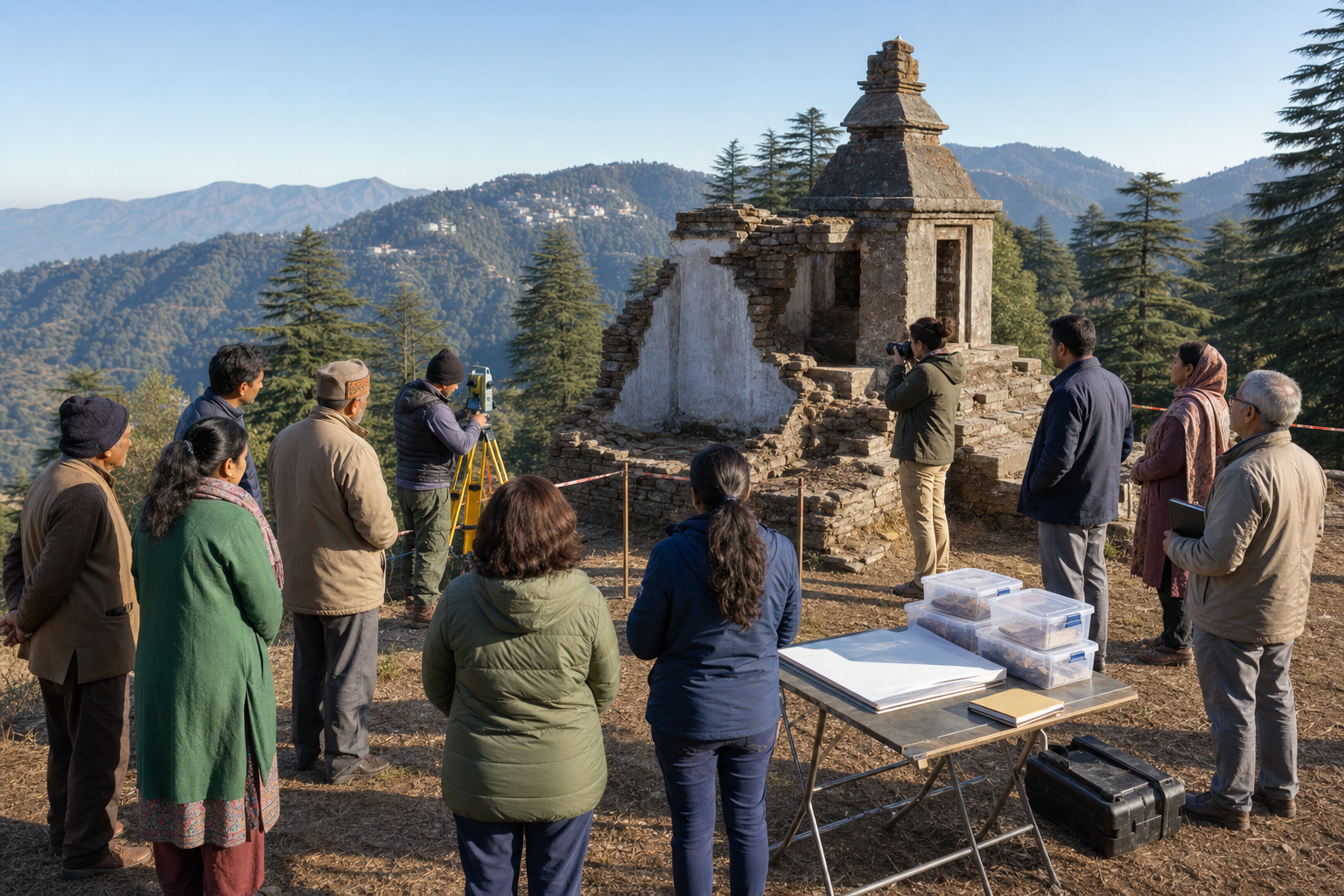
A durable resolution needs more than a general appeal for peace. It needs a sequence that the public can inspect and affected parties can understand.
- Protect the location and relevant evidence. Further alteration should be prevented while investigators document the reported damage and the administration identifies the land in question.
- Keep the inquiries separate. Police should address the damage and those responsible for it. The appropriate civil or land authority should examine title, permission, encroachment, and any prior orders. Historical claims should be assessed through relevant documentation rather than assumed from either inquiry.
- Verify records within a declared process. Authorities should state what records are being checked, which office is responsible, and how affected parties may submit documents. A time-bound process builds more trust than repeated assurances with no visible next step.
- Publish verified facts without prejudicing the case. Updates should distinguish confirmed procedural developments from allegations. Authorities need not release sensitive evidence, but they can correct false claims about whether a case, notice, survey, or order exists.
- Hear affected parties without allowing a veto by pressure. Claimants, custodians, nearby residents, and relevant civic representatives should have a channel to submit information. Consultation gathers facts and reduces tension; it does not replace the authority responsible for deciding the legal question.
- Issue a reasoned decision and identify the lawful review route. If an authority reaches a conclusion about the structure, the order should explain the basis and the next available remedy. Any repair, protection, alteration, or removal should follow that decision, not precede it through private action.
- Maintain independent accountability for the damage. A later finding about the structure’s status should not be used to erase the vandalism inquiry. In the same way, outrage over the vandalism should not prevent a legitimate examination of land records.
Key takeaways
- The reported vandalism and the shrine’s legal status are separate questions requiring separate evidence.
- “Fake” and “unauthorised” remain allegations until records and competent findings support them.
- Sincere devotion does not by itself establish title, permission, formal heritage status, or a historical link to Baba Bulleh Shah.
- If you possess direct evidence, preserve the original and give it to investigators instead of conducting a public identification campaign.
- A Dharmic response can oppose encroachment, vandalism, retaliation, and misinformation at the same time.
- Interfaith consultation can preserve calm, but it must not substitute for land verification, police investigation, or judicial review.
Your next useful action is modest but consequential. Before forwarding the next Mussoorie claim, identify which of the three disputes it actually helps answer. If it answers none, do not amplify it. Ask for the relevant record, preserve any genuine evidence, and allow a lawful finding to carry more weight than a viral label.
References
