
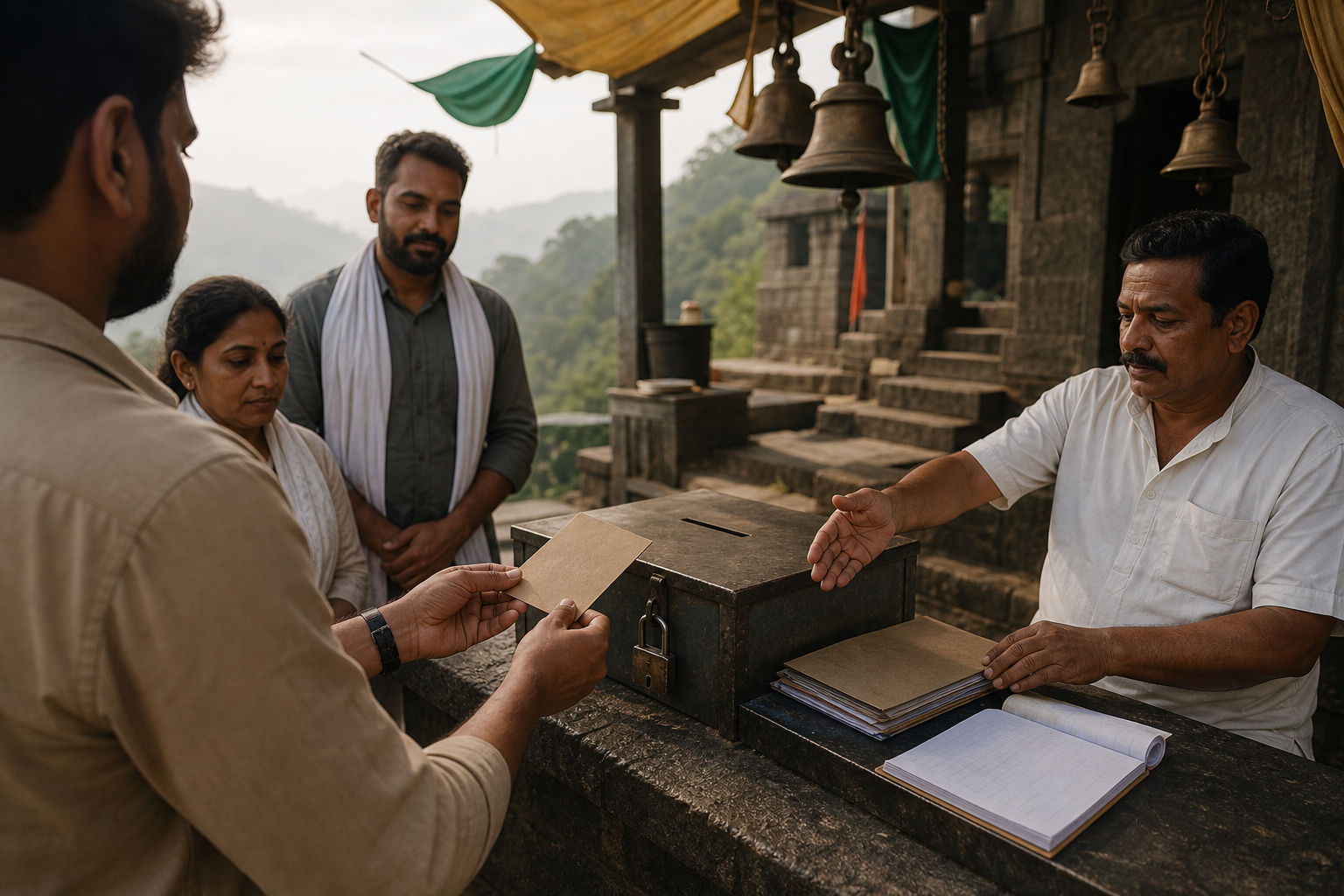
If you are visiting Shri Malanggadh and want to make an offering, the immediate question is practical: who will receive your money, and what current authority permits that person or body to collect it? With the trust’s Waqf registration cancelled but donation collection reportedly continuing, reverence and financial prudence point to the same response: verify before you give.
Pausing a payment is not a judgment on the sanctity of the place, its traditions, or the communities that visit it. It is a proportionate choice while the legal status and the practice on the ground appear to be out of alignment.
Separate the established order from the unanswered questions
On 13 March 2025, the Waqf Court cancelled the Waqf registration of Shri Pir Haji Malang Saheb Dargah Trust, registered as E-60. Donation collection at Shri Malanggadh has nevertheless been reported, while earlier complaints to the police reportedly have not produced a visible correction.
That is enough to require an official explanation. It is not enough to declare, without seeing the operative documents, that every collection or every activity at the site is unlawful. The known facts do not tell you whether a stay, variation, appeal-related direction, or separate interim authorization exists. They also do not identify the legal basis claimed by every person collecting money.
Three distinctions will keep your judgment disciplined:
- Cancellation of a registration establishes a serious change in legal status. It does not, by itself, answer every question about worship, property, daily administration, or a possible interim arrangement.
- A report that donations are still being collected does not establish who receives each payment, which account holds it, or what authority the collector claims.
- A lack of visible police action does not prove that no administrative work has occurred. It does mean that visitors still lack the public clarity needed to make an informed donation.
The narrow question to ask is therefore stronger than a sweeping accusation: what currently operative document authorizes this recipient to solicit, receive, hold, and spend donations after 13 March 2025?
An old certificate, a verbal assurance, or the site’s longstanding popularity cannot answer that question. If someone relies on the cancelled E-60 registration, ask for the present legal authority rather than debating history at the collection point.
Use five checks before handing over money
You do not need to conduct an investigation before making an ordinary offering. You do need enough information to identify the recipient and preserve a basic money trail. Apply these checks to a cash counter, donation box, digital payment code, or any other collection method presented to you.
- Identify the recipient. Look for the exact legal or administrative name under which the money is being collected. If a sign names one body but a receipt or digital-payment screen names another, ask for the relationship between them. A mismatch is a reason to pause and inquire, not proof of wrongdoing.
- Ask for current authority. Request the public notice or operative instrument that permits collection after the cancellation. If a stay, variation, or interim appointment is claimed, ask where visitors can inspect an official copy or confirmation. A document that predates 13 March 2025 does not, on its own, establish the present position.
- Require a usable payment record. A receipt should identify the recipient, date, amount, and stated purpose of the contribution. For a digital payment, save the confirmation and payee name. For cash, ask for a numbered receipt. If no record is available, you may be unable to show where the money went or what it was meant to support.
- Check the accounting route. Ask whether collections enter an institution-controlled account and whether a current audit, inventory, or public financial summary is available. A personal payee name on a digital screen may have an explanation, but the explanation should be clear before you transfer money.
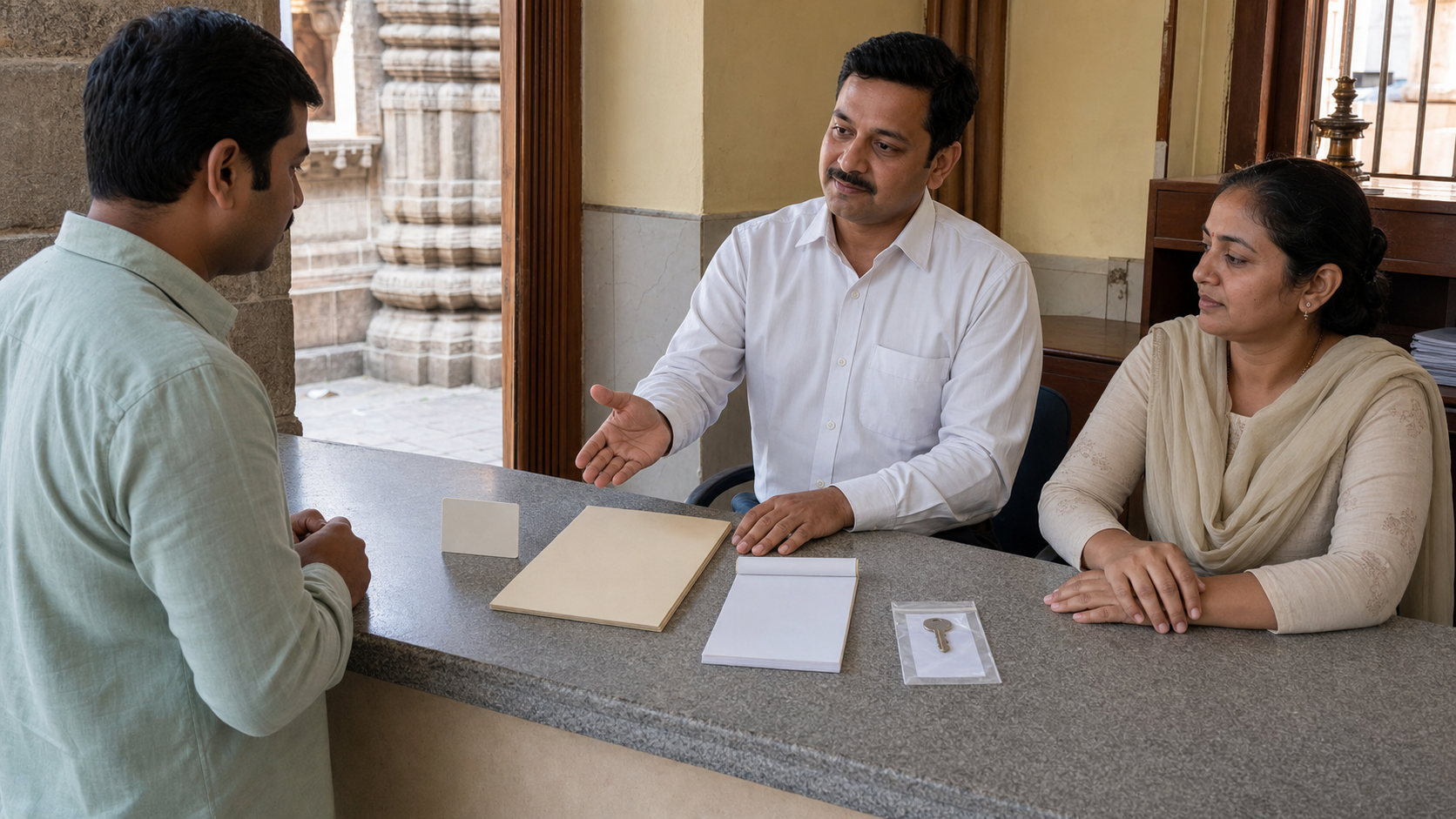
- Find the grievance route. Look for a written contact for the responsible administration, district authority, Waqf administration, or other competent body. If nobody can identify a trackable channel for questions, keep your money until the status is clarified publicly.
Do not treat a volunteer’s confident legal interpretation as a substitute for an operative order. If you represent an organization, are collecting from other people, or are considering a substantial or earmarked contribution whose loss would matter, obtain advice from a Maharashtra lawyer familiar with religious trusts and Waqf administration before transferring the funds.
Document a concern without creating a confrontation
If you encounter a collection whose authority is unclear, your goal is to create a factual, trackable record. A precise representation gives officials something they can verify. An angry accusation usually produces heat without establishing who collected what.
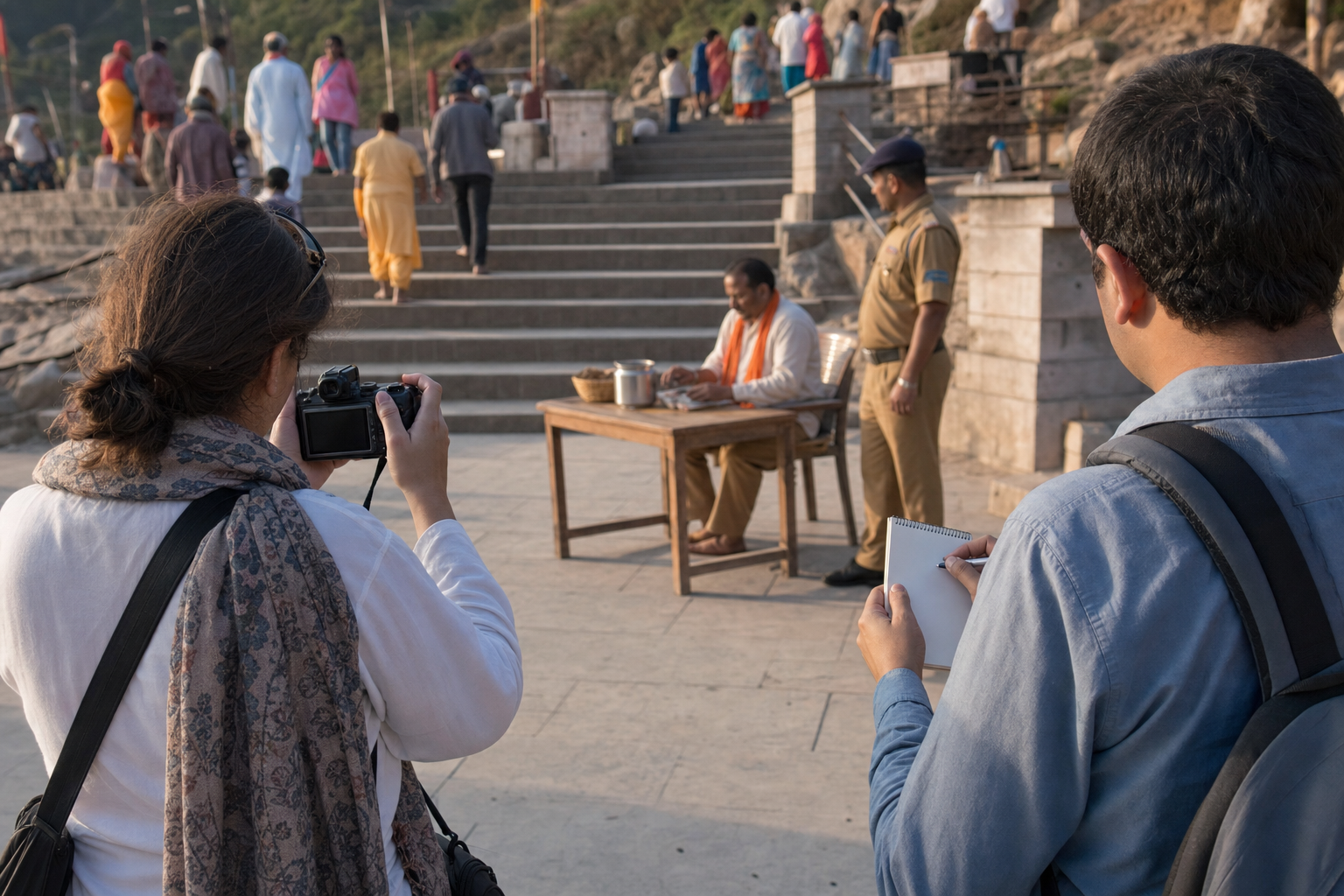
- Record the date, approximate time, and precise location of the collection point.
- Note the method used: cash box, staffed counter, digital payment code, or another arrangement.
- Copy the exact trust name, registration number, payee name, and claims displayed publicly. Photograph public signage only where doing so is permitted and safe.
- Keep copies of receipts and transaction confirmations. Protect unnecessary bank information if you later share the material beyond the authorities.
- Separate what you personally observed from what another visitor told you. Use phrases such as displayed on the sign or shown on my receipt rather than assigning a motive.
- Ask the authorities specific questions: Is the 13 March 2025 cancellation currently operative? Has it been stayed or varied? Who is authorized to collect now? What accounting controls apply? Will funds and assets be independently inventoried and audited?
- Submit the representation in writing to the relevant Waqf administration, district authority, or law-enforcement office, depending on the issue raised. Ask for an acknowledgment, diary number, or other reference that allows follow-up, and retain your originals.
Earlier police complaints have reportedly not led to visible corrective action. That makes tracking especially important. A police complaint about suspected non-compliance and an administrative request for clarification perform different functions; one should not be assumed to replace the other.
Do not touch or attempt to secure a collection box yourself, obstruct worship, demand private records from workers, or publish an allegation against a named individual as if it were already proved. Those actions can create safety and legal risks while weakening the underlying accountability request. Preserve evidence, leave if the situation becomes tense, and use formal channels.
Accountable interim administration must be visible
Visitors should not have to reconstruct the status of a religious trust from rumours, old certificates, and conflicting statements. The competent authorities can remove most of the ambiguity through a small set of visible measures:
- Display a plain-language notice at entrances and collection points stating the effect and current status of the 13 March 2025 order.
- Pause donation mechanisms that depend on the cancelled registration unless and until a competent authority confirms a valid present basis for them.
- Identify any interim manager, the scope and duration of that authority, and the controls governing receipts, accounts, expenditure, and custody of assets.
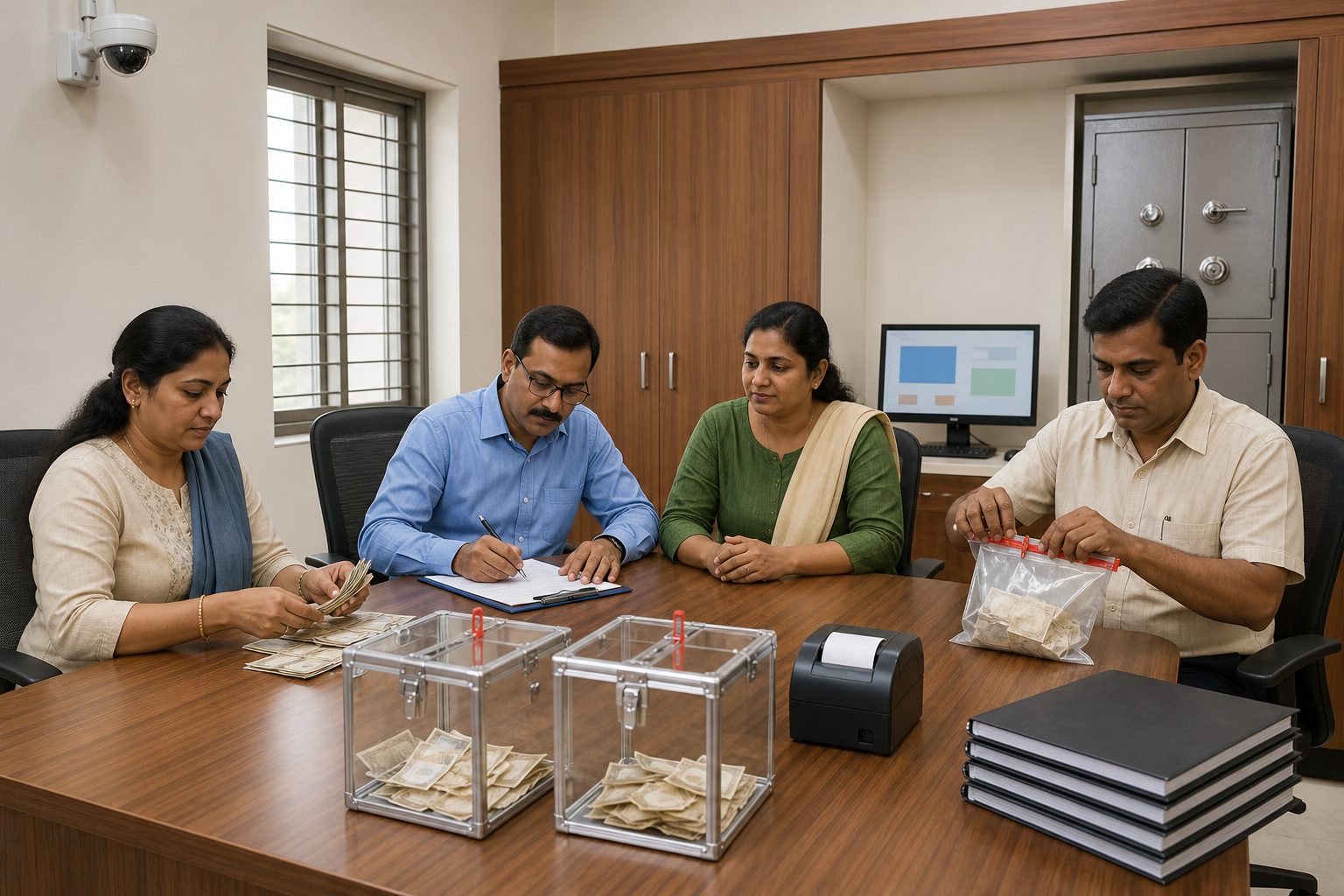
- Commission an independent inventory and audit. To answer the central accountability question, the records should distinguish money and assets held up to 13 March 2025 from receipts and spending after that date, while reconciling cash, digital payments, receipts, and institutional accounts.
- Publish a grievance contact or helpline through which visitors can verify collection authority and receive a trackable response.
The Waqf administration, district authorities, and law enforcement have different responsibilities, but the public should receive one coherent position. If one office says collection must stop while another permits it, the legal basis for that difference should be stated in writing.
These measures do not decide theological or historical claims about Shri Malanggadh. They answer the narrower governance question of who may handle money now. That distinction matters at a sacred place visited by diverse communities: a neutral rule of receipts, audits, lawful authority, and court compliance protects everyone.
Dana does not require administrative blindness. A sincere offering still involves a recipient, a purpose, and a duty of stewardship. Asking who is accountable for the gift is therefore compatible with reverence; it helps protect reverence from being exploited.
Key takeaways
- The Waqf registration of Shri Pir Haji Malang Saheb Dargah Trust, E-60, was cancelled on 13 March 2025, while continued donation collection has been reported.
- The cancellation creates an urgent need for compliance and public clarification, but the limited known facts do not settle every question about each collection or any possible interim authority.
- Before donating, verify the recipient’s identity, current authority, receipt process, accounting route, and grievance contact.
- If those basics cannot be supplied, pause the monetary gift. You can respect the sacred place without making an untraceable payment.
- Record observations precisely and use written, trackable complaints. Do not confront workers, interfere with collection mechanisms, or publish unproved allegations.
- Authorities should issue an on-site notice, clarify or suspend collection, audit funds and assets, identify any interim manager, and provide a public grievance channel.
Before your next donation at Malanggadh, ask three short questions: Who receives this money? What current document authorizes the collection? What receipt will show where it went? If any answer is missing, retain the funds until the responsible authority supplies it. That small discipline protects your offering, the legal process, and the sanctity of Shri Malanggadh.
References
