
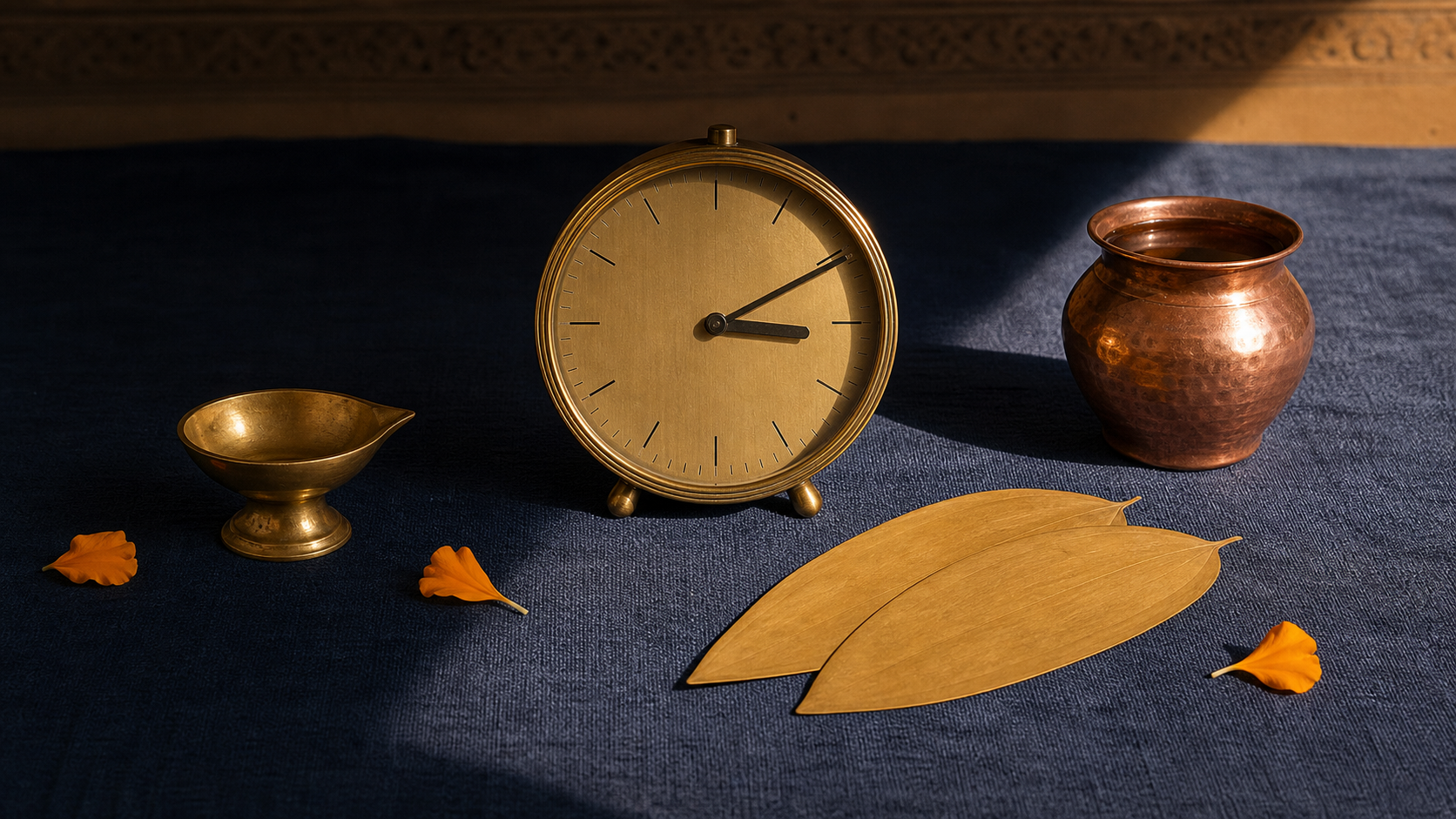
If you are deciding when to complete an Ekadashi observance, whether to prepare for Pradosh worship, or whether 3:10 PM is itself an auspicious time, one distinction will prevent most mistakes: February 14 does not remain under one tithi for the entire civil day.
Saturday, February 14, 2026 begins under Krishna Paksha Dwadashi and moves into Trayodashi at the listed 3:10 PM local time. Use that transition to organize your practice, but verify the clock time for your city before treating it as the basis for a vrata, puja, journey, or other time-sensitive decision.
The tithi changes at 3:10 PM local time
The central calendar fact is the change from Krishna Paksha Dwadashi to Krishna Paksha Trayodashi at 3:10 PM local time. Dwadashi is the twelfth tithi of the waning fortnight; Trayodashi is the thirteenth. The civil date therefore contains two distinct ritual periods.
| Part of February 14 | Prevailing tithi | Practical use |
|---|---|---|
| Before the listed 3:10 PM transition | Krishna Paksha Dwadashi | Complete the appropriate follow-through from Ekadashi, and give priority to japa, scriptural reading, dana, or quiet seva according to your tradition. |
| After the listed 3:10 PM transition | Krishna Paksha Trayodashi | Shift toward Trayodashi practice, reflective household work, or preparation for Pradosh worship if your local Panchang assigns the observance to this evening. |
Krishna Paksha is commonly approached as a period of simplification, introspection, and steady spiritual discipline. That makes a restrained plan more fitting than filling the day with unrelated rituals. One sincere practice performed at the appropriate time is more coherent than treating every Panchang term as a separate obligation.
The 3:10 PM boundary is a tithi transition, not automatically a shubh muhurat. It tells you when the lunar date changes in the stated calculation. It does not, by itself, declare that exact minute favorable for a wedding, purchase, journey, house entry, or new undertaking.
If you observed Ekadashi, settle parana first
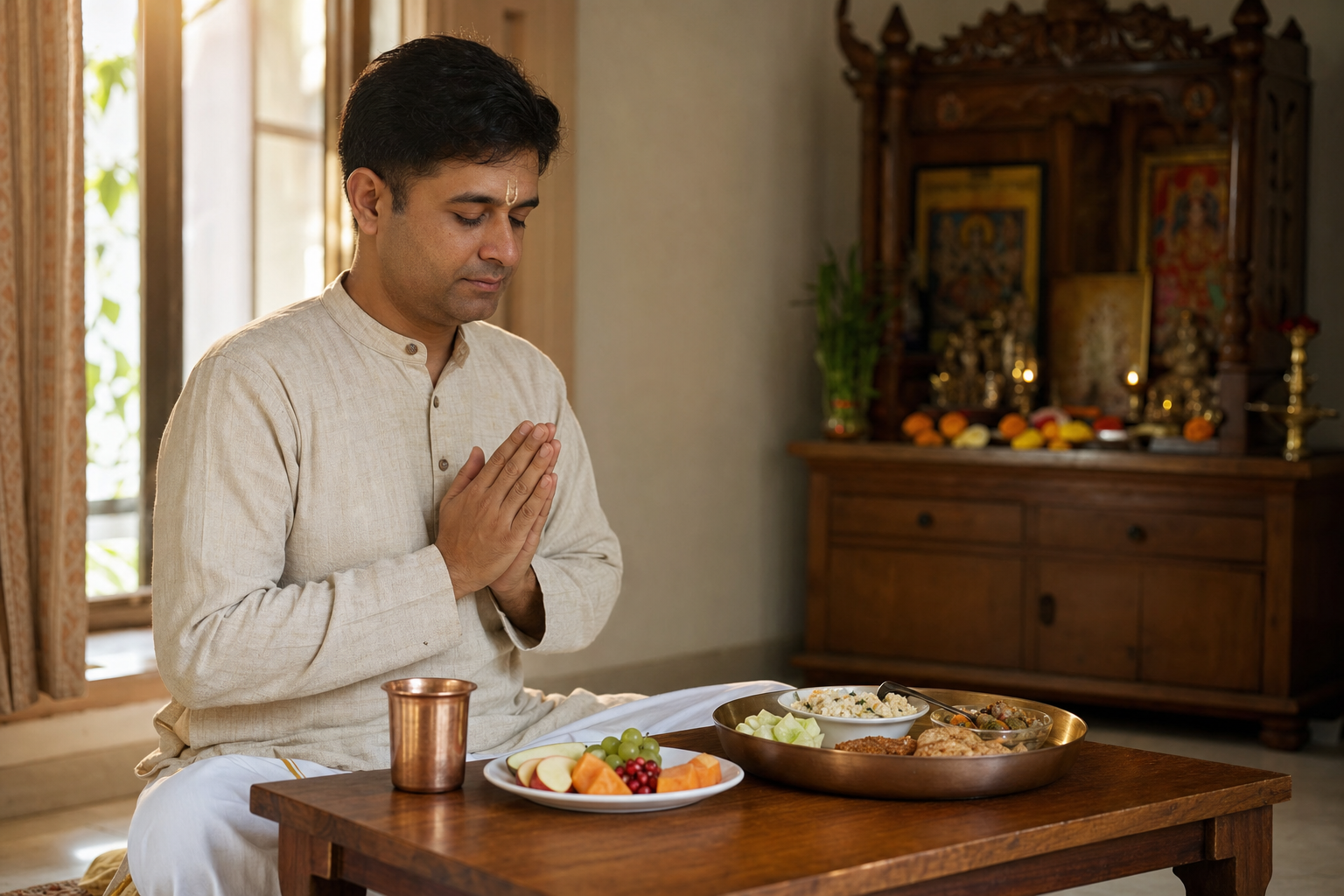
Dwadashi has special practical importance because it follows Ekadashi. In traditions that observe an Ekadashi fast, Dwadashi is associated with parana, the completion or breaking of that fast. Dana and other charitable acts may also form part of the observance.
Do not assume that the entire period before 3:10 PM is automatically your parana window. The tithi ending time and the prescribed fast-breaking interval are related calendar details, but they are not interchangeable. Your sampradaya, family custom, temple, or locally configured Panchang may apply a more specific rule.
- Set your Panchang to the city where you will actually perform parana. A time labelled only as local is not portable between locations.
- Confirm that Dwadashi and the parana interval are shown for Saturday, February 14, in the calculation system your household or temple follows.
- Use the stated parana window rather than treating 3:10 PM as a substitute deadline.
- If dana is part of your practice, decide its form and recipient in advance so that it remains an intentional act rather than an afterthought.
If your family and temple calendars disagree slightly, avoid combining selected times from both. Follow one trusted local system consistently, especially when you are completing a vrata undertaken within a particular lineage.
Trayodashi does not by itself settle Pradosh observance
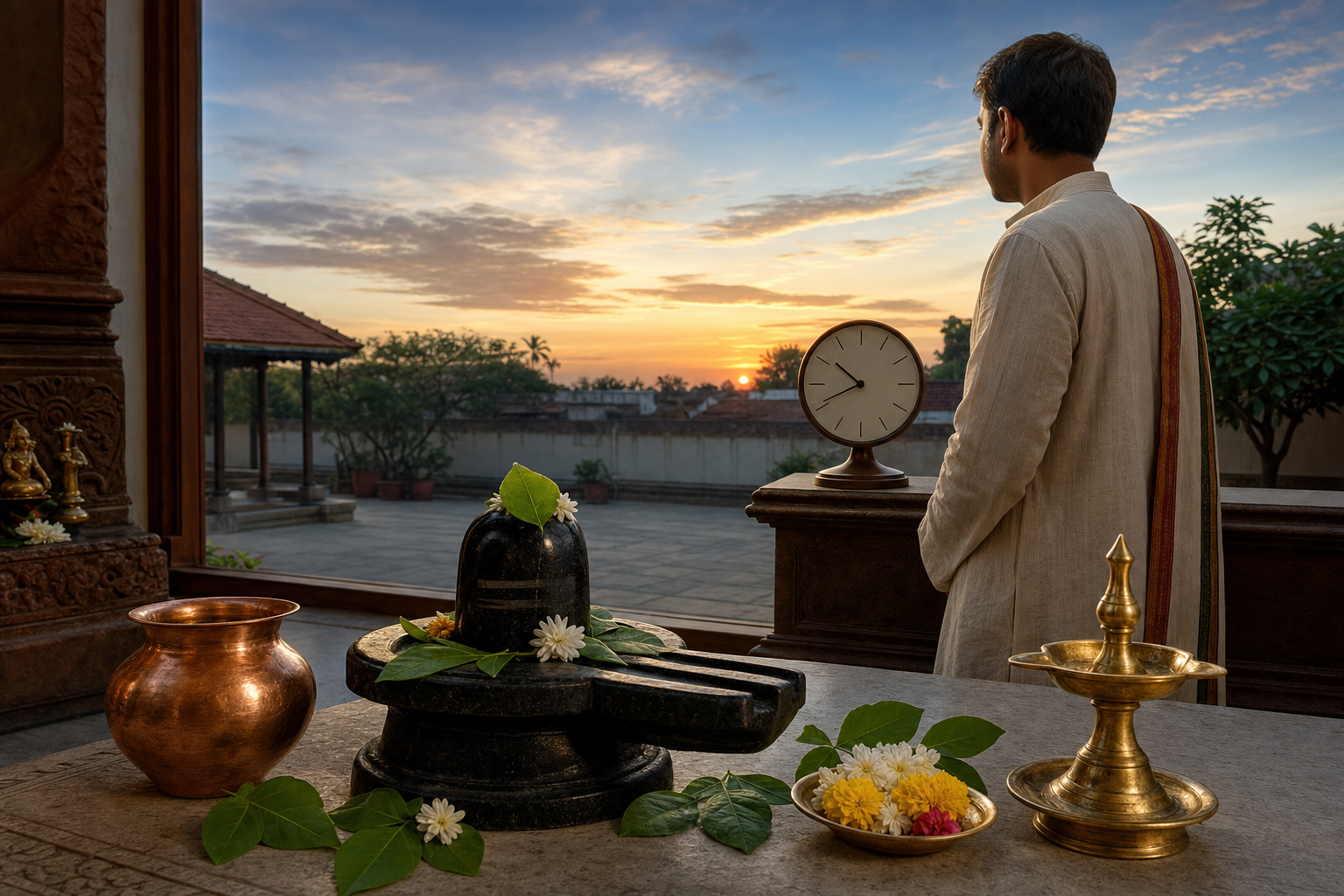
Trayodashi begins after the afternoon transition, bringing Pradosh Vrat into consideration. The deciding factor is not merely that Trayodashi appears somewhere on the date. The tithi must align with the relevant evening twilight under the local calculation, and observance conventions can vary by region.
Before arranging a special evening puja, check three things:
- Whether your city-specific Panchang marks Pradosh Vrat on February 14.
- Whether Trayodashi is shown during the evening period used by your tradition.
- Whether your temple or sampradaya has published a different observance date or worship schedule.
If the local calendar confirms Pradosh, you can prepare before the tithi change and reserve the evening for the prescribed worship, japa, meditation, or family observance. If it does not, you do not need to force a Pradosh designation onto the evening. Ordinary prayer and quiet spiritual practice remain appropriate without relabelling the date.
Do not infer Nakshatra, Rashi, or shubh muhurat from the tithi
Tithi answers one part of a Panchang question. It does not supply the day’s Nakshatra, Rashi, or activity-specific auspicious windows. Those elements must be checked separately, particularly when you are choosing a time for a new beginning, travel, formal study, or another planned undertaking.
For a decision that genuinely depends on muhurat, your verification should include:
- Your city and time zone, not merely the country or calendar date.
- The calculation tradition used by your family, priest, or temple.
- The displayed tithi and its transition time.
- The Nakshatra and Rashi entries for that location.
- The named shubh muhurat appropriate to the activity you are planning.
This is also why the words “local time” matter. Panchang elements can differ slightly with geography and computational method. If a temple notice and a generic online calendar show different clock times, the local notice is usually the more coherent choice for a community observance held at that temple.
Key takeaways
- February 14, 2026 is Saturday and contains two tithis: Krishna Paksha Dwadashi first, followed by Trayodashi.
- The listed transition is 3:10 PM local time, so confirm that time against a Panchang configured for your city.
- If you observed Ekadashi, use your tradition’s verified parana interval; do not treat the tithi ending time as an automatic parana instruction.
- Trayodashi raises the possibility of Pradosh Vrat, but the evening observance still requires local confirmation.
- A tithi transition is not the same thing as a shubh muhurat, and it does not reveal Nakshatra or Rashi.
Your clean plan for February 14 is simple: confirm the local timing, complete any Ekadashi follow-through during the prescribed Dwadashi period, and let your trusted local calendar determine the evening’s Pradosh and muhurat details. That uses the Panchang as a disciplined guide without asking one transition time to answer questions it cannot settle.
References
