

If you are concerned about HH Bhaktivaibhava Swami, the most useful response is neither speculation nor constant demands for news. It is to understand what has actually been confirmed, what rehabilitation can and cannot tell us, and how to support him without adding pressure to his recovery or care team.
The confirmed picture is limited but meaningful: he experienced a stroke, remains under medical supervision in Kolkata, and has begun a structured rehabilitation program. That is enough to guide responsible solidarity. It is not enough to predict the pace or extent of recovery.
What has been confirmed about his condition
HH Bhaktivaibhava Swami, a widely respected spiritual leader within ISKCON, is receiving comprehensive hospital care in Kolkata following a stroke. Physicians have initiated rehabilitation, with continued clinical oversight.
A brief message attributed to him expresses gratitude for the kindness and support being offered by devotees and well-wishers. It also indicates that communication from the community has been a source of strength. Because the message is attributed rather than independently documented in greater detail, it should be received as an expression of thanks, not treated as a clinical report.
No reliable public details have been provided about the stroke’s severity, the functions affected, or a projected discharge or recovery schedule. You should therefore be cautious whenever a forwarded message, social-media comment, or second-hand account claims to answer those questions. A gap in public information does not indicate either improvement or deterioration. It simply means that no further verified information is available.
What structured stroke rehabilitation actually involves
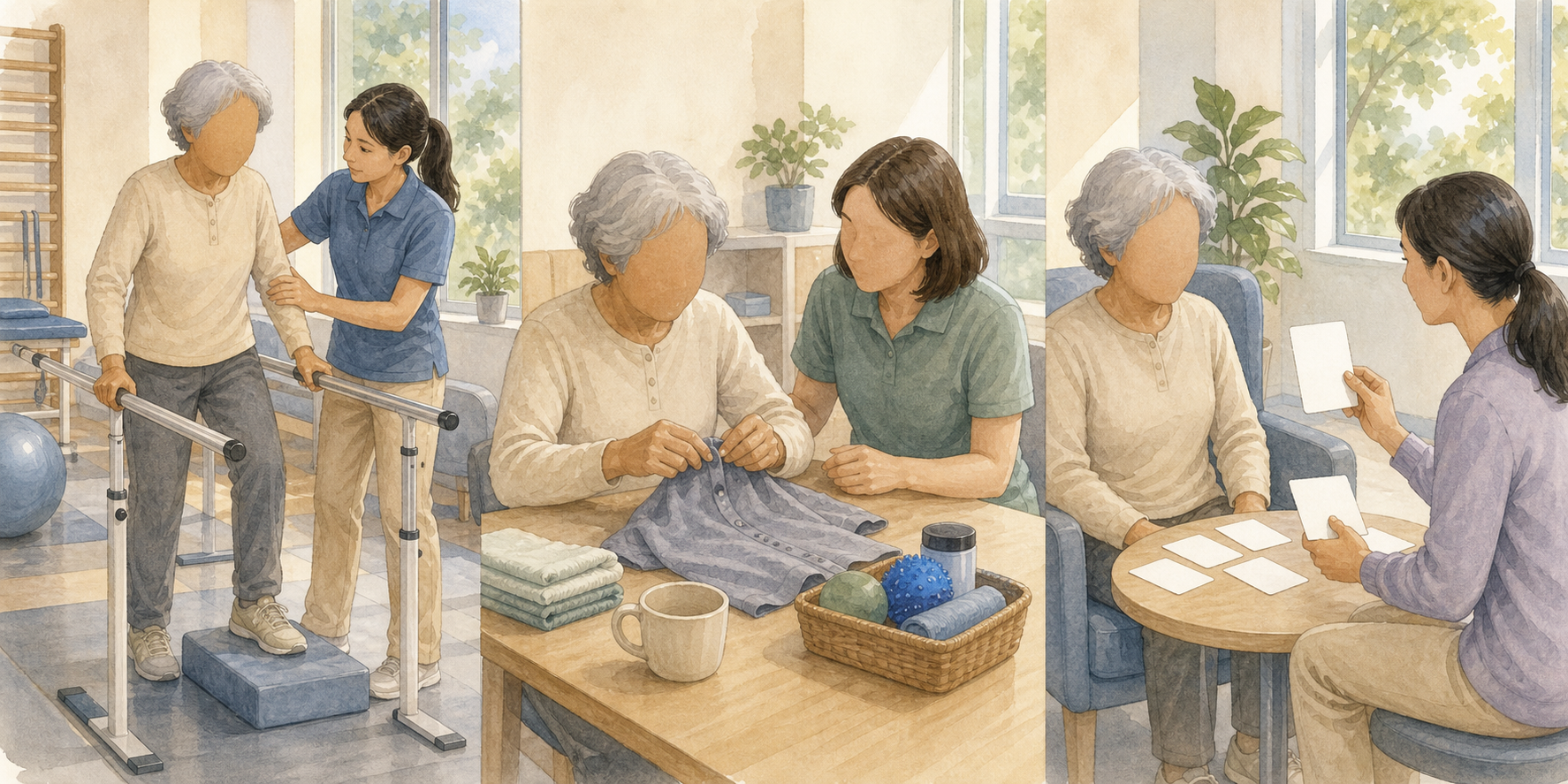
Stroke rehabilitation is not a single treatment or a test that produces an immediate verdict. It is an individualized process in which clinicians assess affected abilities, set functional goals, provide appropriate therapies, and revise the plan as the patient’s needs and responses become clearer.
- Physiotherapy generally works on movement, strength, balance, positioning, and mobility according to the patient’s condition.
- Occupational therapy addresses the practical abilities needed for ordinary activities and greater day-to-day independence.
- Speech therapy, when indicated, may address communication and related functional difficulties.
- Cognitive therapy, when required, can work on abilities such as attention, memory, and planning.
- Neurological and medical monitoring allows the care team to follow the patient’s condition and adjust treatment safely.
Not every patient needs every form of therapy, and the presence of a particular therapist should not be used to infer the severity of the stroke. Early, goal-directed rehabilitation and continuity of care are associated with better functional recovery and quality of life, but outcomes remain individual. Only Bhaktivaibhava Swami’s treating clinicians can interpret his progress or make recommendations for him.
This distinction matters because devotees naturally search for hopeful signs. A photograph, a greeting, a short message, or a report of one activity may be encouraging, but none can establish a prognosis. Rehabilitation is measured through clinical assessment and functional goals, not through outside interpretation of isolated moments.
How to read future updates without creating a prognosis

When another update reaches you, apply three filters before believing or forwarding it:
- Can you identify its origin? Prefer communication released through a responsible official or community channel. A screenshot without context, a voice note from an unnamed person, or a message that merely says it came from someone close to the situation is not verification.
- Does it distinguish observation from interpretation? A statement that rehabilitation is continuing reports a fact. A claim that this guarantees a particular outcome turns that fact into an unsupported forecast.
- Does sharing it respect privacy? Medical records, bedside images, therapy details, and information about impaired functions should not become public property merely because the patient is a revered spiritual leader.
Be equally careful with spiritual interpretations. Illness does not give outsiders permission to speculate about a person’s karma, inner state, spiritual attainment, or divine purpose. Such claims do not clarify the medical situation, and they can violate the dignity that devotees intend to uphold.
Privacy is not secrecy. A community can be kept appropriately informed while physicians, caregivers, and authorized representatives retain control over sensitive details. If an update does not disclose a score, scan result, symptom, or timetable, do not fill in the blank yourself.
How devotees can help without adding pressure
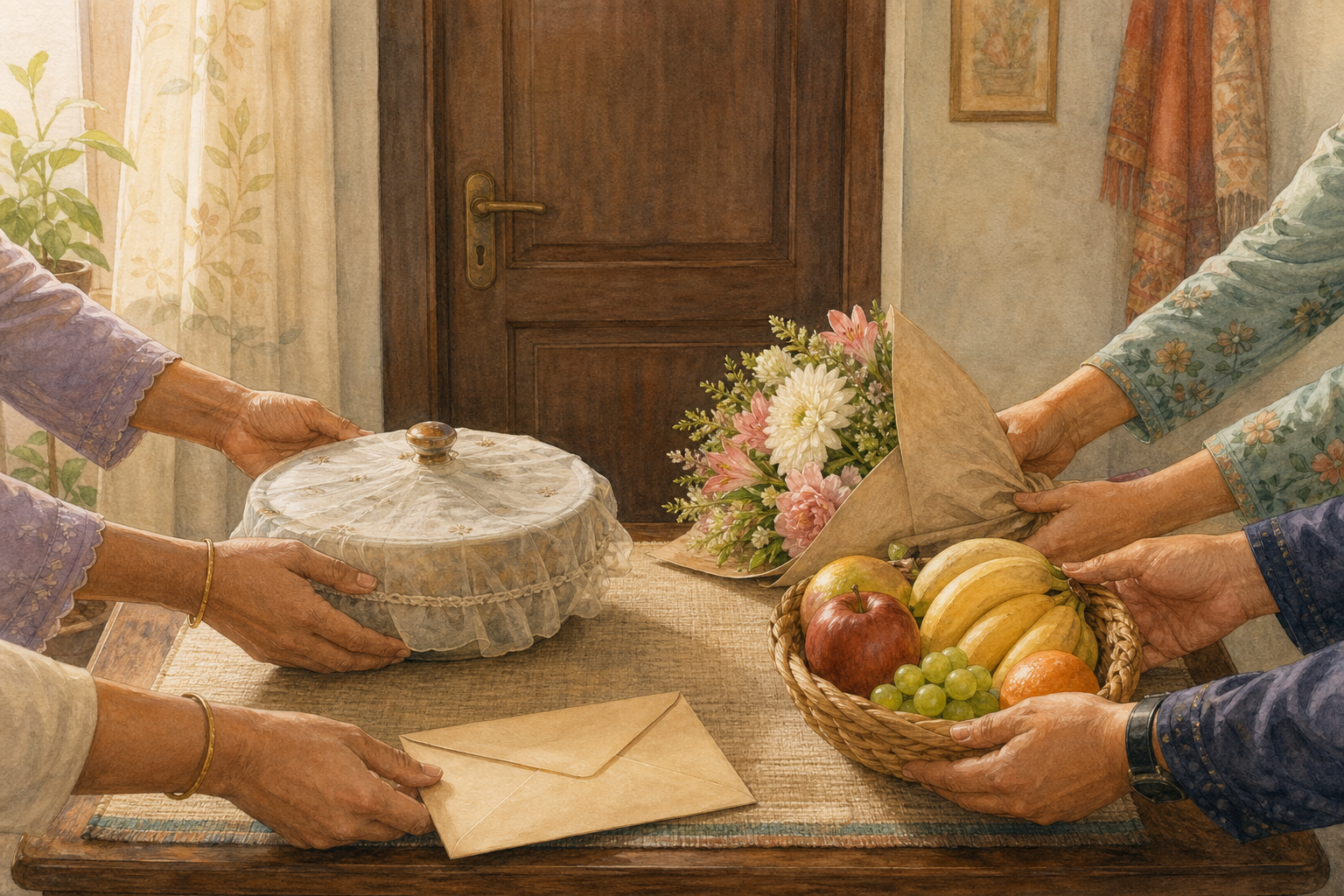
The Dharmic response to vulnerability joins karuna, ahimsa, seva, and restraint. Compassion moves us to care; non-harm governs the form that care takes. In practical terms, a supportive act should reduce demands on the patient and caregivers rather than create another obligation for them.
- Use the designated communication route. If an official ISKCON or community channel is collecting messages, send yours there instead of seeking direct access to the hospital, family, or care team.
- Make the message easy to receive. A short blessing, prayer, or expression of gratitude asks less of a recovering person than a long message containing several questions.
- Remove any expectation of a reply. Say explicitly that no response is needed. This turns the message into support rather than a task.
- Do not request private medical details. Let authorized representatives decide what can responsibly be shared.
- Stop rumours where they reach you. Before forwarding a dramatic claim, ask for its identifiable origin. If none is available, do not amplify it.
- Keep spiritual support complementary. Prayer, japa, kirtana, and expressions of goodwill can sustain communal connection, but they must never be presented as replacements for hospital care or rehabilitation.
Satsanga does not require constant physical access. A disciplined community can remain present through prayer, coordinated messages, practical assistance requested by authorized caregivers, and respect for periods of silence. The gratitude attributed to Bhaktivaibhava Swami indicates that goodwill is meaningful; it does not create an entitlement to his time, attention, or medical information.
Key takeaways
- Bhaktivaibhava Swami is receiving hospital care in Kolkata after a stroke and has entered structured rehabilitation under clinical supervision.
- Physiotherapy, occupational therapy, and speech or cognitive therapy may form part of rehabilitation according to individual need.
- The available information does not support predictions about severity, timing, discharge, or the eventual extent of recovery.
- A brief message attributed to him conveys gratitude for the community’s kindness and communication.
- The most responsible support is brief, non-demanding, privacy-conscious, and routed through appropriate community channels.
- Spiritual practice can express solidarity, but it should complement rather than compete with medical treatment.
For now, let the care team manage the rehabilitation and let authorized channels manage the news. You can help by offering prayer or a simple message without expecting access or an answer, and by refusing to pass on any medical claim whose origin you cannot verify.
References
