

You are trying to do something more practical than collect festival names: fix family commitments, prepare a vrata, or choose the right day for a temple visit. August 2026 needs a little care because its Hindu observances do not all come from the same calendar layer.
Begin with the one precise solar event available for the month, then place the lunar festivals around it only after checking the panchanga followed by your family, sampradaya, and location. That simple order prevents most date and timing errors.
Anchor the month with Simha Sankranti on August 17
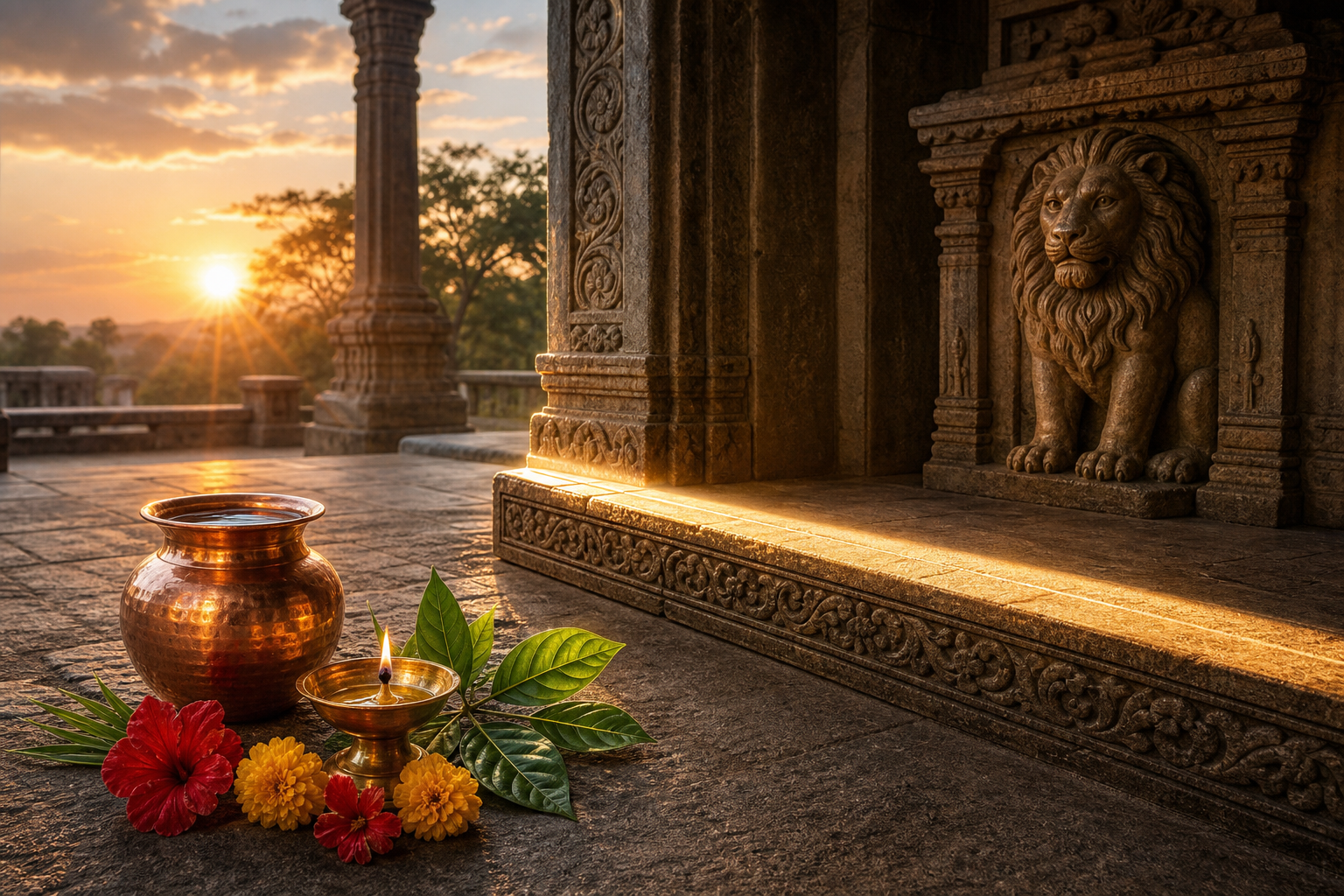
Simha Sankranti, also called Simha Sankramana, marks Surya Bhagavan’s transition from Karkataka Rashi, or Cancer, into Simha Rashi, or Leo. In 2026, the transition falls on August 17, with the sankramana time given as 8:04 a.m.
Enter that date in your calendar first, but label 8:04 a.m. accurately: it is the stated transition time, not automatically the entire period available for worship. A punya kala is a ritual interval associated with the ingress. Its usable start and end should be confirmed in the local panchanga rather than inferred from the transition time alone.
This distinction matters especially if you live outside the location for which a published clock time was calculated. A date may remain August 17 while the local clock reading changes with the timezone. Ask your priest or panchanga provider for three separate details: the local sankramana moment, the applicable punya kala, and the customary observance followed by your community.
Simha Sankranti also begins Simha Masa in the solar calendar. It should therefore be understood both as an ingress and as the opening of a solar month. That is different from merely changing the page of a Gregorian calendar, and it is also different from the lunar tithis governing many other August festivals.
Keep the solar and lunar calendars in separate layers

The Hindu calendar does not reduce neatly to one nationwide list of Gregorian dates. August 2026 crosses the Shravan and Bhadrapad portion of several regional calendars. Meanwhile, Simha Sankranti is determined by a solar ingress. Mixing these systems is how an apparently tidy festival calendar becomes unreliable.
Your August watch list includes Naga Panchami, Varalakshmi Vratham, Rakshabandhan, Upakarma, Sri Krishna Janmashtami, and Kajari Teej. Do not assign a date to any of them merely because an online calendar uses the same festival name. First identify the regional and ritual tradition behind the date.
| Observance | What to confirm before fixing your plan |
|---|---|
| Naga Panchami | The local tithi date and the form of observance followed in your family or temple. |
| Varalakshmi Vratham | Whether your household observes the vrata and which regional panchanga it follows. |
| Rakshabandhan | The locally accepted observance date before coordinating travel or a family gathering. |
| Upakarma | The schedule issued for your Vedic tradition or community; a generic festival listing is not enough. |
| Sri Krishna Janmashtami | Whether you are following a household observance or a particular temple’s programme and timing. |
| Kajari Teej | The regional calendar and family custom under which the festival is observed. |
The practical rule is straightforward: use Simha Sankranti as a confirmed solar anchor, but treat every tithi-based festival as awaiting local verification. If two calendars disagree, look first for a difference in location, regional convention, or sampradaya. The disagreement need not mean that one calendar is careless; they may be answering different ritual questions.
Let the temple’s tradition shape a temple visit
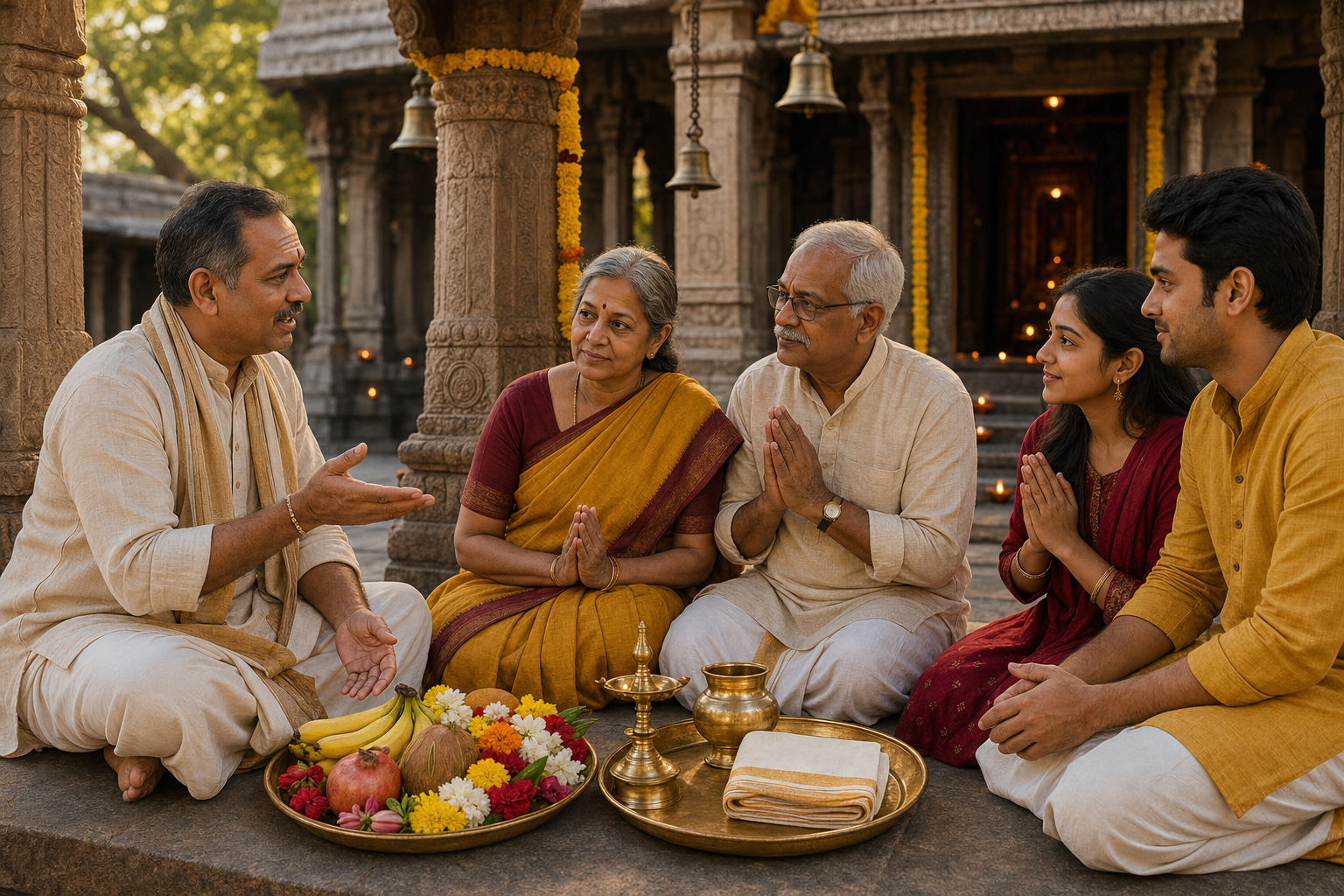
A household calendar tells you when your family observes a vrata. It does not necessarily tell you what will happen at a specific temple. Temple programmes may include special pujas or a month-long sequence that cannot be reconstructed from the festival name alone.
At Kateel Durga Parameshwari Temple, for example, Simha Sankramana opens a holy Simha month, during which flower puja has special importance. That is useful guidance if Kateel is your destination, but it should not be turned into a universal prescription for every Hindu household or temple.
Tirupati requires the same location-specific approach. Sri Govindaraja Swamy Temple, an important sub-shrine under the TTD umbrella, has a series of religious events planned for August 2026. If you intend to travel, confirm the temple’s detailed programme before booking around a single general-calendar date.
Before committing to a temple journey, ask three concrete questions:
- Is your main purpose ordinary darshan, a named festival, or a special seva?
- Is the observance confined to Sankranti day, or does the temple treat Simha Masa as a longer sacred period?
- Has the temple issued its own timing and visitor instructions for the event you want to attend?
Use the temple’s schedule for the temple and your local panchanga for the household. When both matter, keep both entries in your calendar instead of forcing one to replace the other.
Key takeaways for August 2026
- Simha Sankranti falls on August 17, 2026, and the stated sankramana reference is 8:04 a.m.
- Do not mistake the transition time for the complete punya kala; obtain the locally applicable ritual interval.
- Simha Sankranti is a solar ingress, while many other August festivals depend on lunar tithis and regional practice.
- Naga Panchami, Varalakshmi Vratham, Rakshabandhan, Upakarma, Sri Krishna Janmashtami, and Kajari Teej belong on your planning list, but their dates should be verified locally.
- Kateel’s holy Simha-month observance and flower puja are features of that temple’s tradition, not a universal rule.
- For Tirupati travel, consult the specific August programme of Sri Govindaraja Swamy Temple rather than relying only on a general festival list.
Turn the festival list into a calendar you can trust
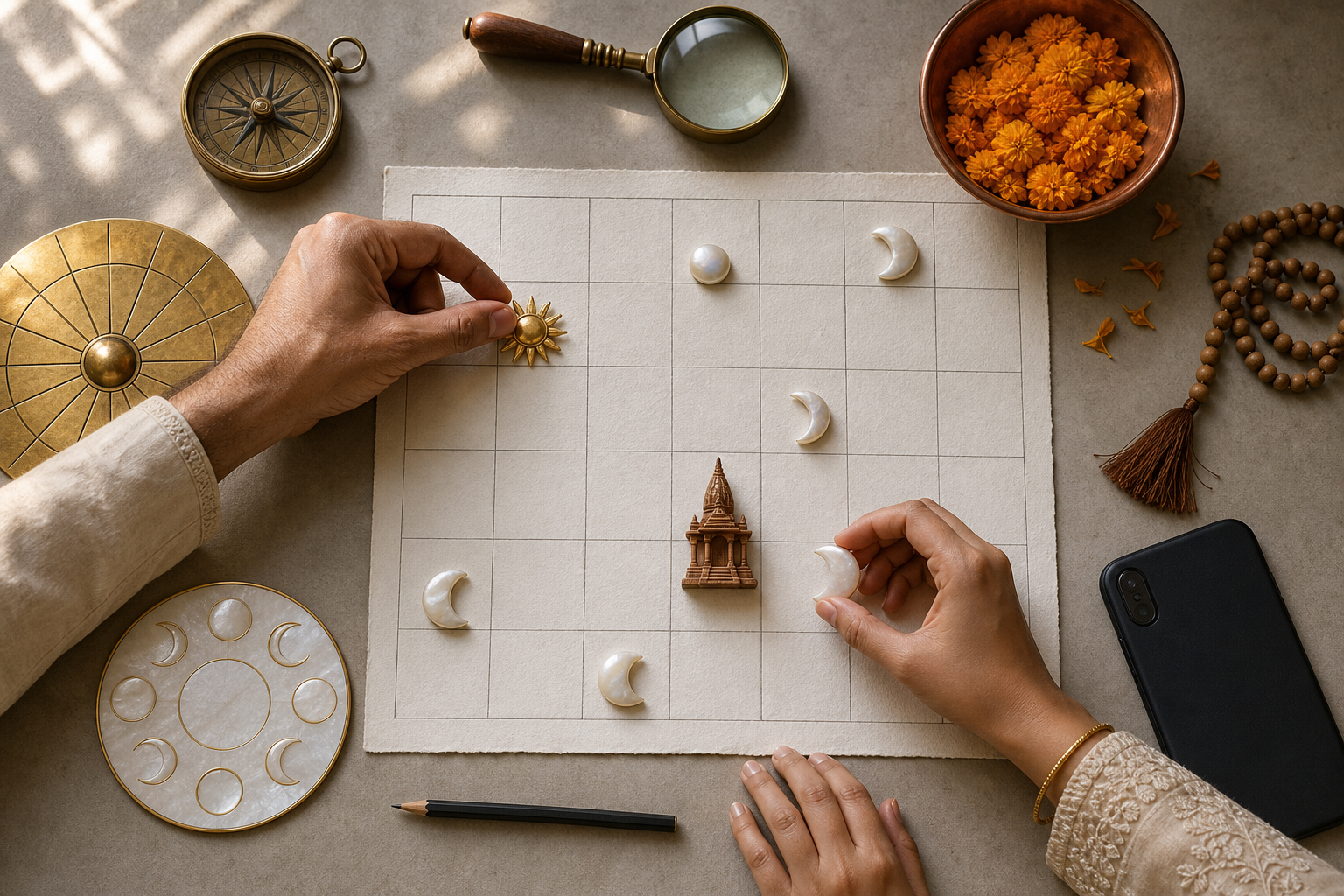
A useful dharmic calendar should show not only a date but also why that date applies to you. Build yours in the following order:
- Name the authority you follow. Record the regional panchanga, family tradition, priest, community body, or temple whose schedule governs each observance.
- Mark the calendar basis. Label an entry as solar ingress, lunar tithi, household vrata, or temple programme. This makes conflicting dates much easier to diagnose.
- Enter the Simha Sankranti anchor. Add August 17 and note the 8:04 a.m. transition reference, together with a reminder to verify the local timezone and punya kala.
- Add the lunar festivals as an undated checklist. Keep the six major observances visible, but do not circulate final dates until you have checked the relevant local calendar.
- Separate worship from logistics. Put the ritual time in one field and travel, meals, family calls, offerings, or temple arrival in another. A correct tithi does not by itself produce a workable day.
- Confirm temple information directly. Recheck the temple programme before travel, especially when your plan depends on a special puja or a series of events rather than ordinary darshan.
- Share the calendar with its assumptions. Include the city, timezone, tradition, and temple name. That keeps relatives in another region from treating a local time as universally applicable.
Open your August calendar now and enter August 17 as the solar anchor. Beneath it, create the undated lunar-festival checklist and the temple confirmations you still need. You will then have a working religious calendar grounded in your own place and tradition, rather than a list of dates that only looks precise.
References
- Hindu Pad — Govindaraja Swamy Temple Festivals August 2026, Tirupati
- Hindu Pad — Simha Sankranti 2026 | Simha Sankramana Timings
- Hindu Pad — Hindu Festivals in August 2026, Auspicious days
- Hindu Pad — Simha Sankramana in Kateel Durga Parameshwari Temple
