
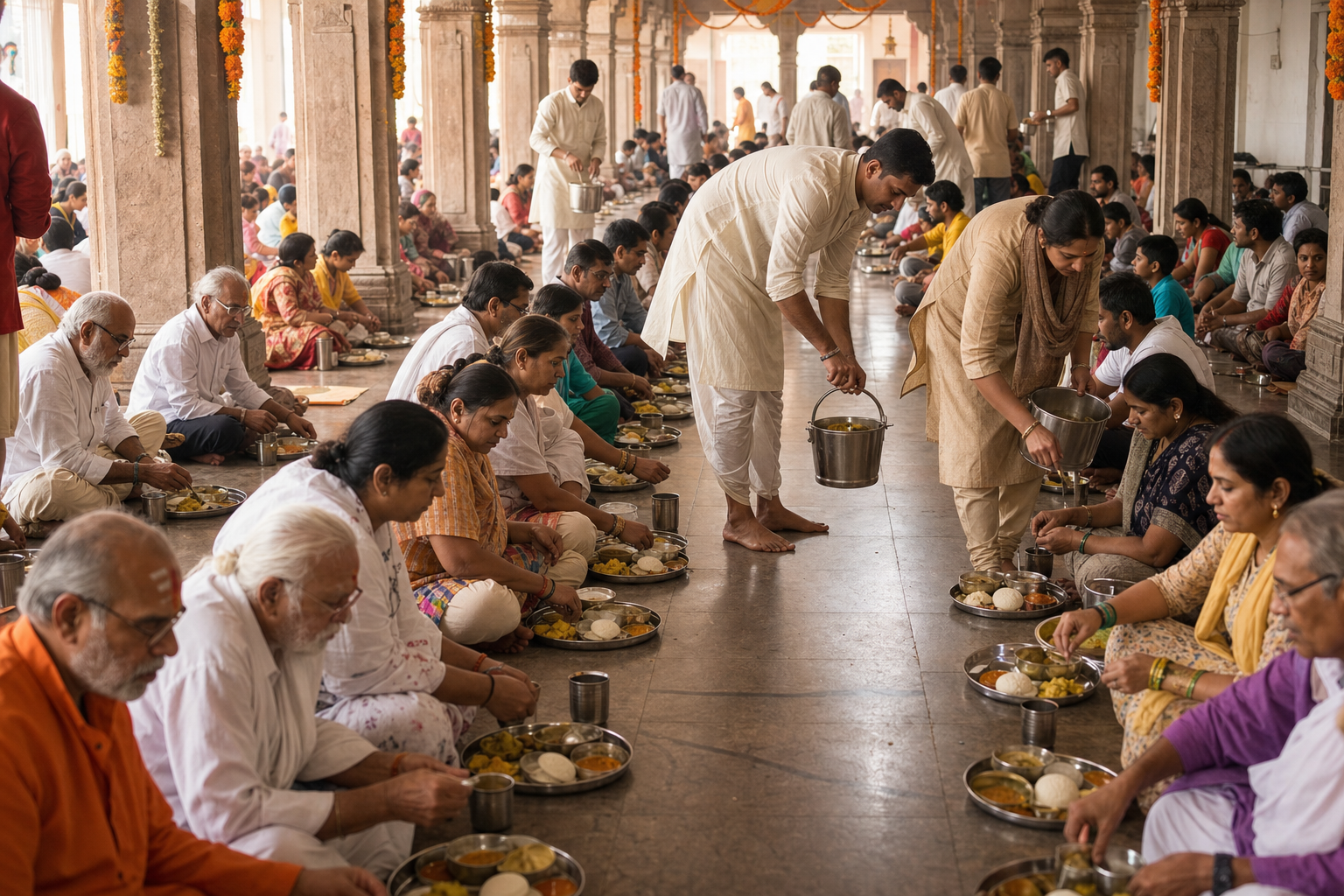
If you heard that South Indian food is being served at Mahakaleshwar Annakshetra and wondered whether it belongs in an Ujjain temple setting, ask a better question: does the change help more pilgrims feel received while preserving the sacred discipline of anna-daan?
A temple meal is not a restaurant product competing for novelty. Its meaning comes from seva, hospitality and the dignity with which food is offered. Cultural inclusion succeeds here when a wider range of devotees can recognise something of home without turning the annakshetra into a collection of disconnected regional counters.
Why a menu choice can carry cultural weight
Ujjain’s Mahakaleshwar Annakshetra has made room for South Indian cuisine as an expression of cultural inclusivity. The practical change is culinary. Its larger significance lies in what an annakshetra communicates about belonging.
Pilgrims do not arrive culturally blank. They bring languages, household customs, tastes and memories formed in different parts of Bharat. Most can respectfully receive food that is unfamiliar to them. Yet recognition still matters. A familiar preparation can make a distant pilgrim feel that the temple understands the breadth of the community it serves.
This is not an argument that every devotee must be served the food of home. Anna-daan would lose its unifying character if every preference became a separate entitlement. The stronger principle is that regional difference need not be erased before people can share one sacred space. The common act of receiving food remains central; the menu can carry more than one regional voice.
That distinction matters. Mere variety gives you more things to eat. Cultural inclusion tells you that a tradition associated with another part of Bharat is not an outsider’s curiosity but part of the same civilisational household.
Inclusion should widen the table without erasing Ujjain
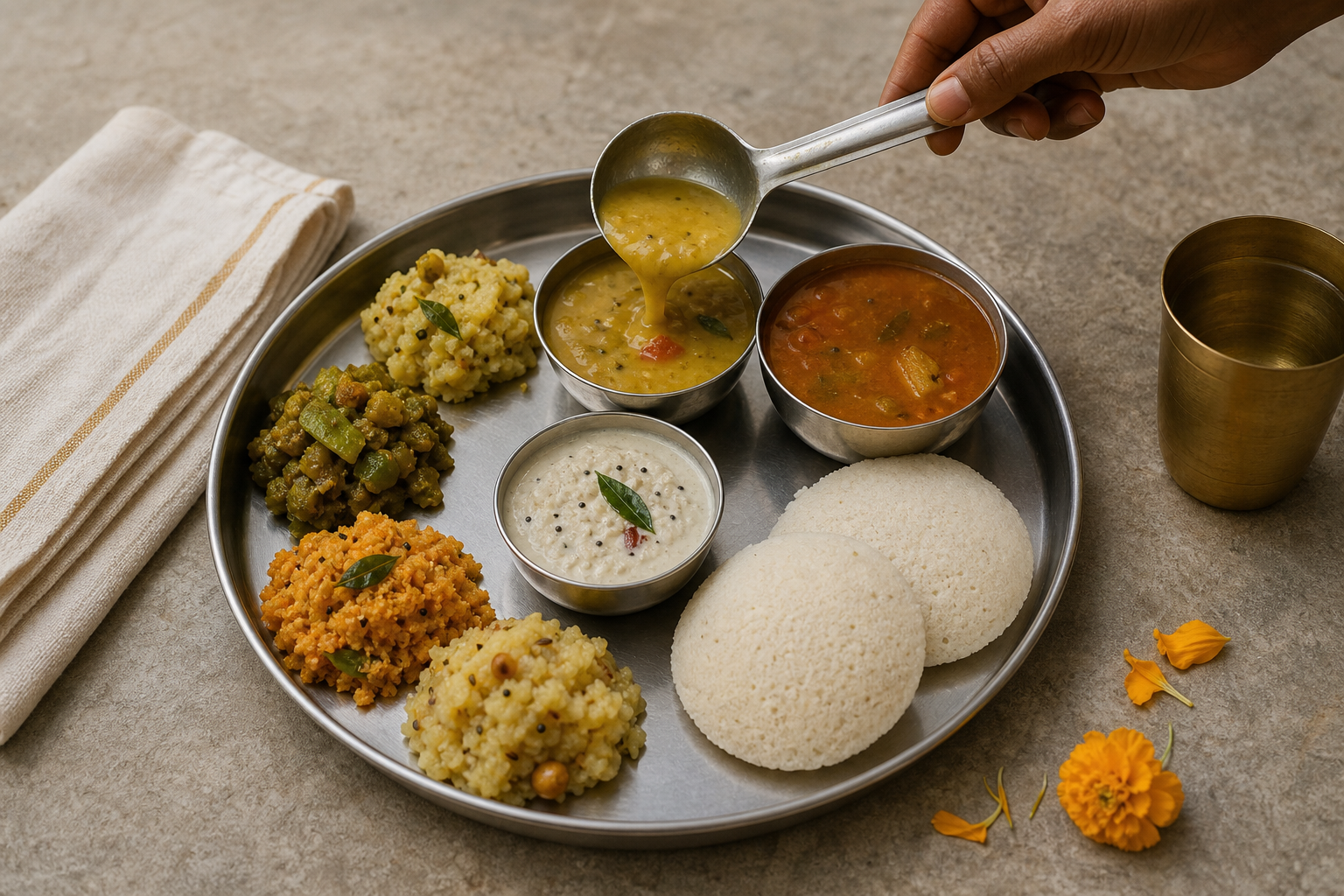
The obvious concern is whether regional inclusion will weaken the local identity of the annakshetra. It need not. Inclusion is not replacement, and sameness is not unity. Mahakaleshwar remains rooted in Ujjain even when the food service acknowledges pilgrims from elsewhere.
You can judge the balance through four tests:
- Sacred continuity: The expanded menu should follow the same religious standards, ingredient rules and spirit of service that govern the rest of the annakshetra.
- Regional precision: “South Indian” is an umbrella, not a single uniform cuisine. Preparations should be named accurately when possible rather than reduced to a vague regional label.
- Equal dignity: A regional preparation should not be presented as an exotic attraction, a concession to outsiders or a lower-status alternative to the usual meal.
- Durability: A one-time item can express goodwill, but a predictable and well-managed place in the menu is stronger evidence that inclusion has become practice.
These tests protect both sides of the balance. Local preparations do not have to disappear, and regional food does not have to be stripped of its identity before it is admitted. Coexistence is the point.
There is also a limit worth stating plainly. Inclusivity does not require an annakshetra to imitate a commercial buffet or satisfy every individual taste. Kitchen capacity, consistency, the rhythm of service and temple discipline are legitimate constraints. The useful question is whether those constraints are applied fairly and explained clearly, not whether the menu can become limitless.
What a devotee should look for in practice
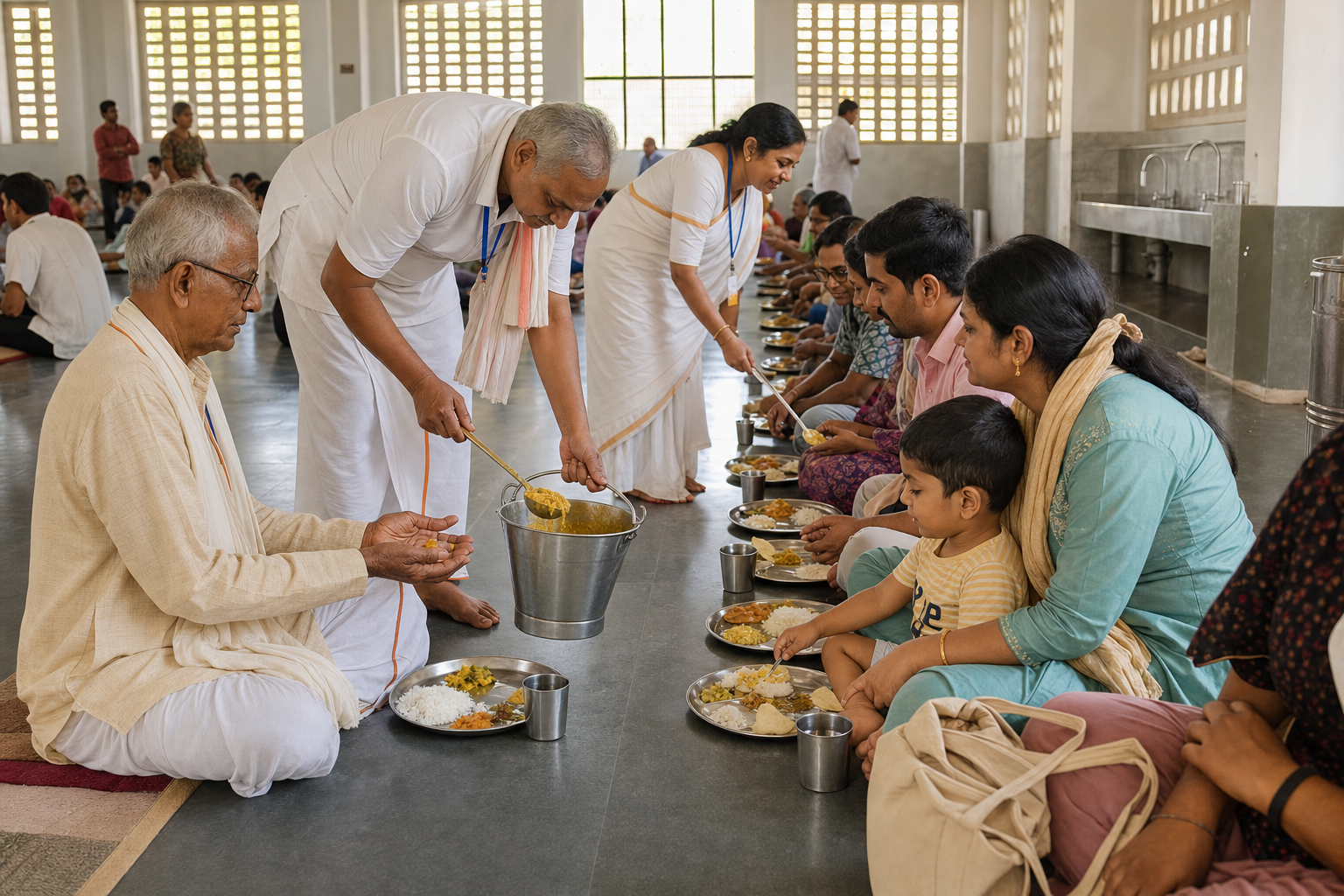
You cannot assess cultural inclusion from the presence of one dish alone. Watch how the change works around the food. The service often reveals more than the menu board.
- Notice whether familiar and unfamiliar preparations are served with the same care. Casual jokes or dismissive descriptions can undermine an otherwise inclusive menu.
- Look for clear names and basic ingredient information. A pilgrim should not have to guess what is being offered or feel embarrassed for asking.
- See whether volunteers can answer simple questions respectfully. They do not need to deliver a culinary lecture; they should be able to help a devotee make an informed choice.
- Notice whether local and regional preparations coexist. If inclusion is framed as one region defeating or displacing another, the purpose has already been misunderstood.
- Distinguish unfamiliarity from failure. A preparation is not unsuitable merely because it is different from what you eat at home.
If you want to offer feedback, make it specific. Name what you observed, explain its effect and request one practical correction. For example: “The preparation was unfamiliar and its ingredients were not displayed; a short label would help pilgrims receive it confidently.” That is more useful than declaring the entire effort good or bad.
The same discipline should guide online discussion. Supporting South Indian inclusion does not require claiming that every operational detail is already perfect. Questioning a detail does not require opposing the presence of South Indian food. Separating the principle from its execution keeps the conversation constructive.
How temple administrators can turn a gesture into a practice
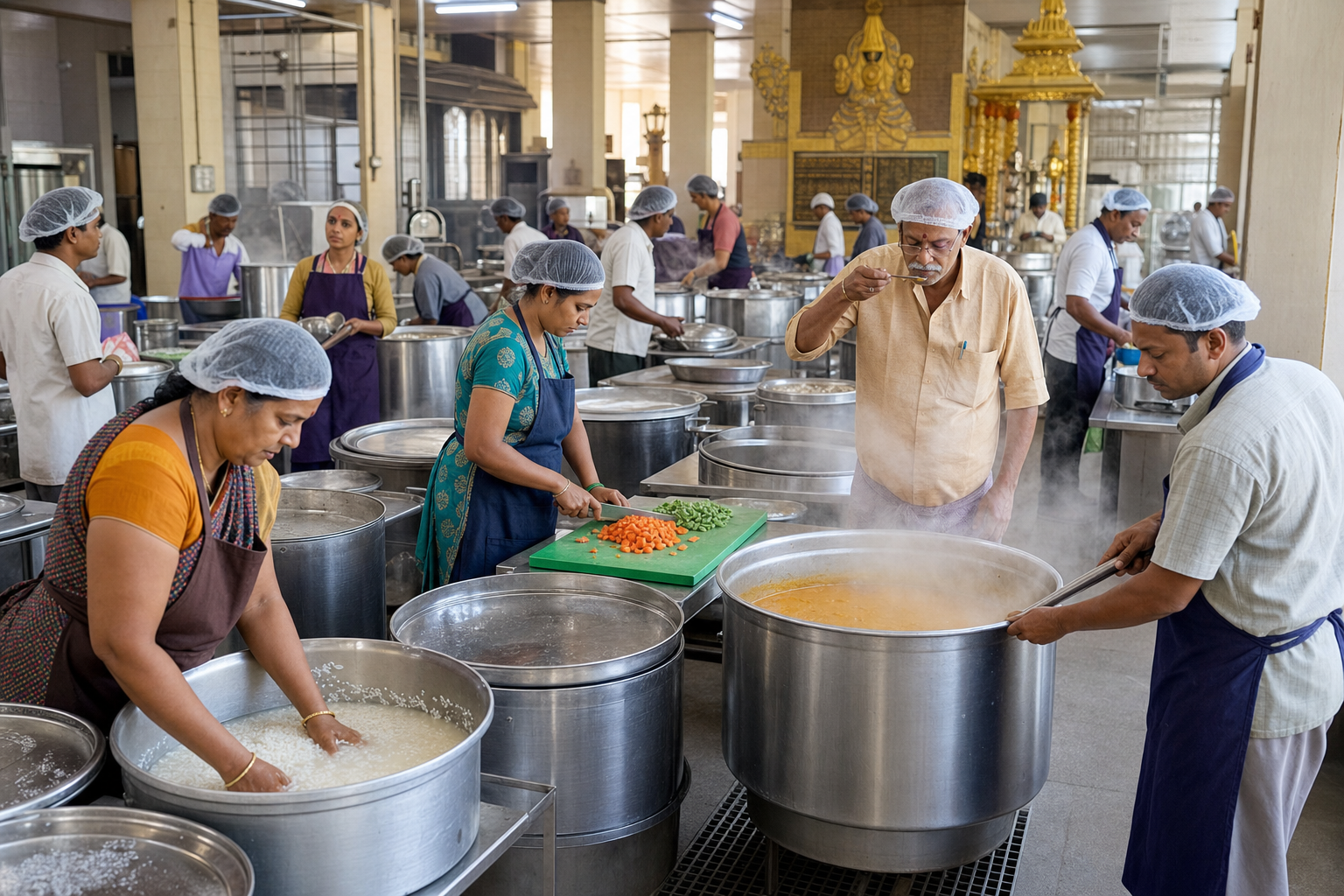
For administrators elsewhere, the lesson is not simply to add a regional item. The useful model is a repeatable process that respects both the represented tradition and the institution serving it.
- Define the purpose first. Decide whether the aim is to welcome a major group of visiting pilgrims, introduce regional rotation or express the wider cultural unity of Bharat. That purpose should determine the menu rather than follow it.
- Write down the non-negotiables. Temple food rules, ingredient restrictions, kitchen capacity, service timing and consistency should be clear before a new preparation is chosen.
- Bring in relevant culinary knowledge. A cook or community adviser familiar with the preparation can help prevent a regional name from being attached to something that bears little relation to the tradition it claims to represent.
- Choose a scope that can be repeated. One preparation served consistently and respectfully is more credible than a sprawling menu that the kitchen cannot sustain.
- Explain the change plainly. Name the preparation, identify its regional context when known and state whether it is a regular offering, a rotation or an occasional addition. Explanation turns novelty into recognition.
- Review the right evidence. Observe acceptance, leftovers, questions from pilgrims and service bottlenecks. Separate taste preferences from religious concerns, unclear communication and operational problems before changing course.
Leftover quantities alone cannot prove that a cultural initiative succeeded or failed. Pilgrims may finish an unfamiliar meal because they honour food, while poor labelling or an awkward service interaction remains unnoticed. Administrators should therefore pair operational observations with focused questions: Did devotees understand what was offered? Was it served with equal respect? Did volunteers encounter recurring confusion?
Representation also does not mean that every region must appear every day. A transparent rotation can be more honest and manageable. What matters is that the selection has a principle, does not become a contest among regions and does not depend entirely on whichever demand is loudest at a particular moment.
Most importantly, the language around the initiative should not portray South Indian devotees as an external constituency receiving a favour. They are participants in the same Dharmic life. The annakshetra is recognising an existing relationship, not manufacturing one.
Key takeaways
- Judge inclusion by dignity, continuity and execution, not by the novelty of a regional dish.
- South Indian cuisine can join an Ujjain annakshetra without displacing local identity; cultural unity does not require culinary sameness.
- Accurate naming, clear ingredient information and respectful service make regional recognition tangible.
- A manageable, recurring practice carries more meaning than a one-time symbolic addition.
- Useful feedback identifies a specific problem and a workable correction instead of rejecting the entire principle.
If you are deciding whether to support this development, support the principle and pay attention to the practice. Welcome a wider expression of Bharatiya culture, while asking for accuracy, sacred continuity and equal dignity in its execution.
On your next visit, or the next time you discuss the change, use those standards instead of asking only whether the food matches your own habits. That small shift turns a debate over preference into responsible stewardship of a shared Dharmic institution.
References
