

If you are deciding when to break an Ekadashi fast or whether to keep Pradosh Vrat on June 12, the date contains two distinct observance windows. Krishna Paksha Dwadashi continues until 3:51 PM, followed by Krishna Paksha Trayodashi. That places Parana earlier in the day and makes the evening a likely Pradosh observance in many regions.
The important qualification is locality. The 3:51 PM transition is a useful headline time, but it is not a substitute for the Parana and Pradosh intervals calculated for your city. Before making a vrata schedule, confirm the location, sunrise, sunset, and time zone used by your Panchang.
June 12 at a glance: one date, two observance windows
A tithi does not begin at midnight. It is determined by the changing angular separation of the Sun and Moon, so a single civil date can contain parts of two lunar days. On Friday, June 12, the practical sequence is Dwadashi first and Trayodashi later.
| Part of June 12 | Tithi and observance | What you should verify |
|---|---|---|
| Morning through 3:51 PM | Krishna Paksha Dwadashi; Ekadashi Parana for those who fasted | Your city’s dedicated Parana window, based on local sunrise and the applicable tradition |
| After 3:51 PM, including the evening in many regions | Krishna Paksha Trayodashi; likely Pradosh Vrat | Whether Trayodashi prevails during your city’s sunset-centred Pradosh Kala |
Do not collapse those rows into one generic auspicious period. The end of Dwadashi helps explain the day’s lunar sequence, but it is not automatically the last recommended minute for Parana. Likewise, the beginning of Trayodashi is not automatically the beginning of Pradosh worship. Each observance has its own governing window.
If you observed Ekadashi, use the Parana window
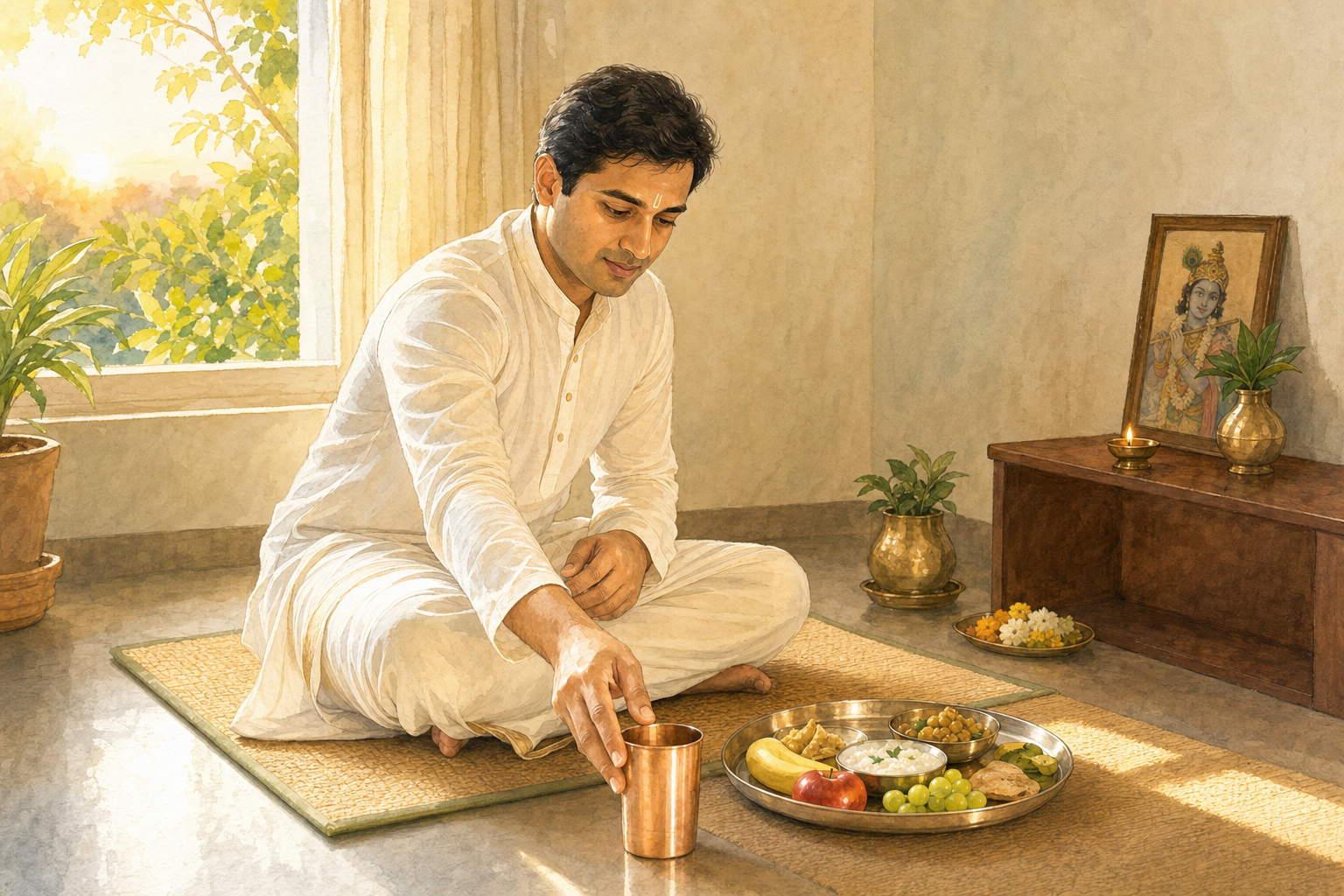
The most common scheduling mistake is to see that Dwadashi lasts until 3:51 PM and assume the fast may be broken at any convenient moment before then. Ekadashi Parana is normally performed in a more specific interval on Dwadashi, commonly during the morning-to-midday part of this date. The exact beginning and end depend on your location and observance rules.
- Open a Panchang configured for your city rather than relying on a date-only calendar.
- Confirm that the listing is for Friday, June 12, 2026, and that Dwadashi is in effect after local sunrise.
- Find the separate entry labelled Ekadashi Parana or Parana time. Use that interval, not 3:51 PM by itself.
- Arrange food and household duties in advance so that you can conclude the vrata without missing the local window.
- Break the fast simply, with a light satvic meal and gratitude, according to the practice followed in your family or sampradaya.
A Dwadashi that continues well into the afternoon gives the day a broad Vaishnava character, but it does not make postponement spiritually preferable. If your local calendar provides a morning Parana period, follow it rather than waiting for the tithi’s final minutes. If fasting is medically unsafe for you, do not prolong it to match a generic online time; follow your clinician’s instructions and seek guidance on a suitable non-fasting form of the vrata.
For Pradosh Vrat, sunset matters more than 3:51 PM
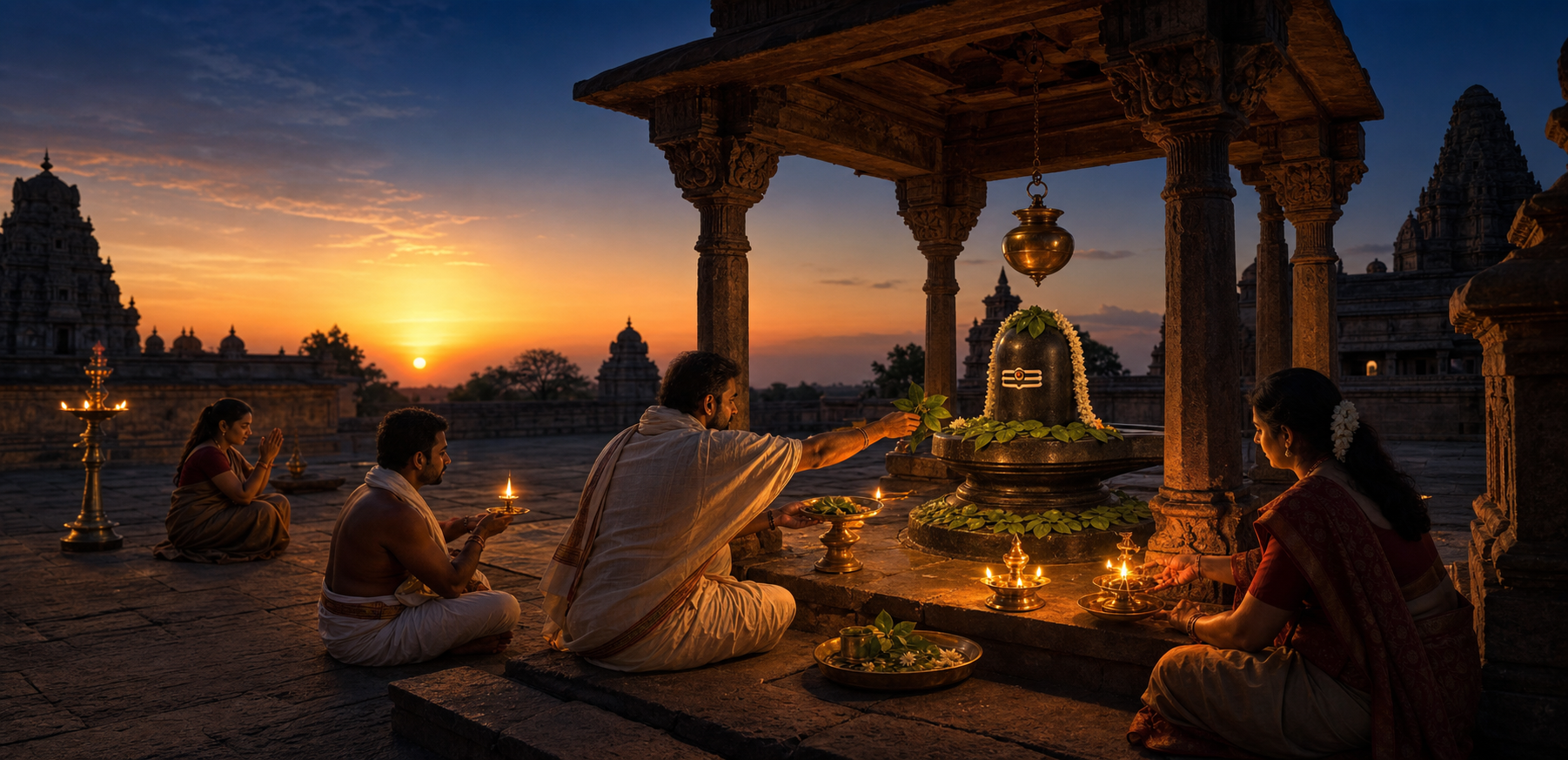
Pradosh is tied to Trayodashi during the twilight period around sunset. Because Trayodashi begins after 3:51 PM on June 12, the evening is a likely Pradosh Vrat occasion in many regions. The final test is whether Trayodashi is operating during the locally calculated Pradosh Kala.
- Check whether your city-specific calendar marks Pradosh on June 12.
- Record the local sunset and the published beginning and end of Pradosh Kala.
- Prepare before twilight so that practical tasks do not consume the observance window.
- Keep the worship proportionate to your circumstances: a simple water or milk-and-water abhisheka, Shiva remembrance, mantra-japa, and quiet contemplation are appropriate.
- Carry the vrata into conduct through daan, seva, restraint, and a deliberate act of compassion.
Do not begin merely because the clock reaches 3:51 PM. That time identifies the tithi transition; Pradosh Kala is the sunset-centred worship period. Conversely, do not move Pradosh worship to noon simply because another auspicious muhurat is available then. The vrata’s own time condition comes first.
The Dwadashi-to-Trayodashi transition also gives the day an unusually clear Vaishnava-Shaiva rhythm. A household may conclude Ekadashi discipline in the morning and turn toward Shiva worship at twilight without treating the two practices as rivals. Restraint, remembrance, gratitude, and service provide the continuity.
Use local muhurat calculations, not copied clock blocks
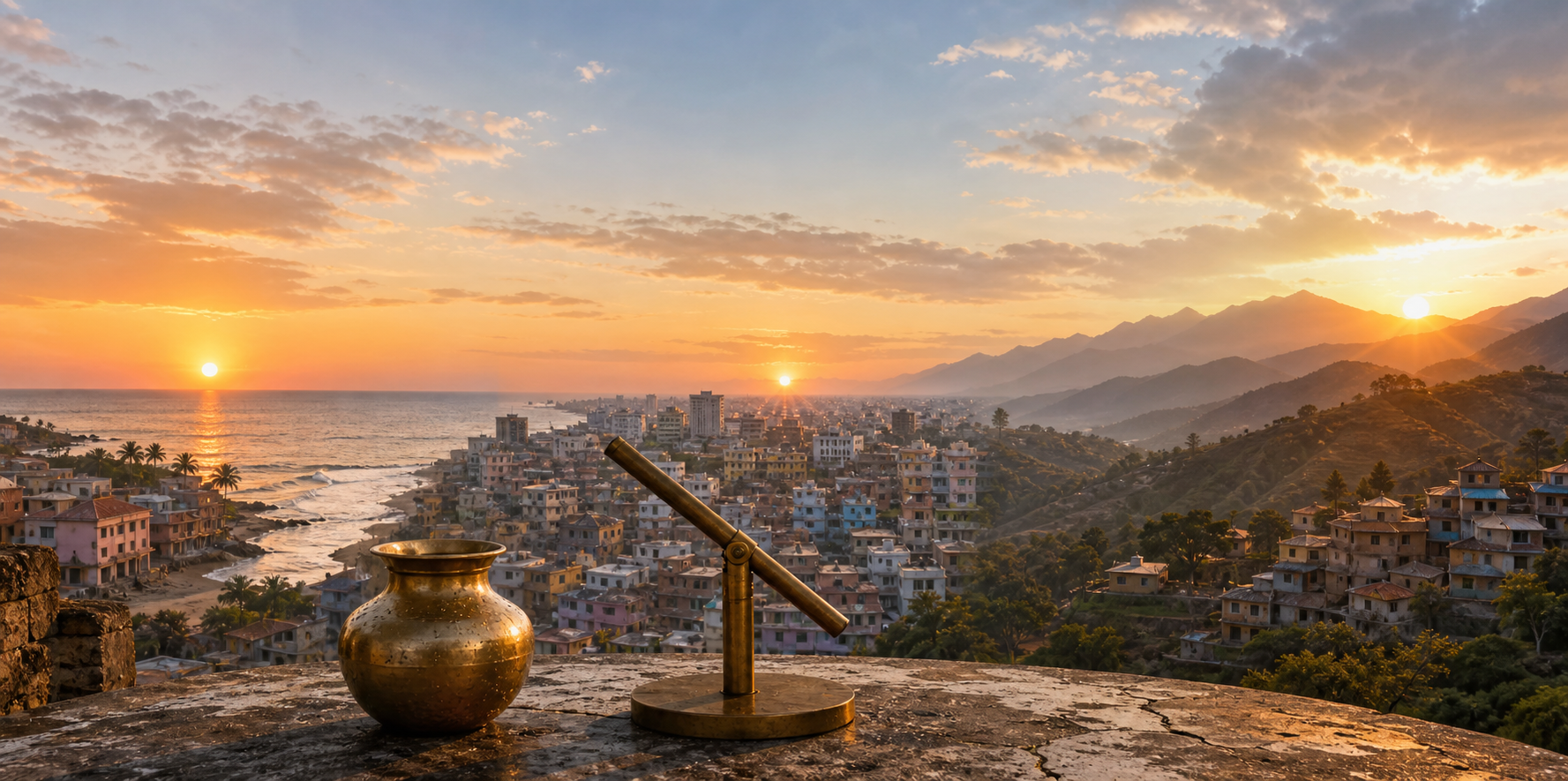
Abhijit Muhurat can be useful for beginning an important task on June 12. It is centred on local solar noon and extends roughly 24 minutes to either side. That means it should not be entered automatically as a fixed 12:00 PM period: longitude, sunrise, sunset, and the local solar-noon calculation affect its clock time.
Friday’s avoidance periods are also calculated from the actual daylight span. The familiar times below apply only to a simplified example in which sunrise is 6:00 AM and sunset is 6:00 PM:
| Friday period | Illustrative time for a 6:00 AM-6:00 PM day | How to use it |
|---|---|---|
| Gulika Kaal | 7:30 AM-9:00 AM | Avoid using the sample as your local time; check the daylight-based calculation |
| Rahu Kaal | 10:30 AM-12:00 PM | Avoid initiating a new critical undertaking during the locally calculated interval |
| Yamaganda | 3:00 PM-4:30 PM | Check the local interval before fixing a new departure or formal beginning |
These periods are generally used to avoid the start of a new, consequential action. They are not instructions to abandon routine work, caregiving, employment, or an obligation already under way. For a financial agreement, first-time launch, or planned travel departure, take the actual times from the same local Panchang you used for Parana and Pradosh.
When Nakshatra, Rashi, Yoga, and Karana affect the decision
Tithi supplies the main answer for the two vratas on this date, but it is not a complete muhurat analysis. If you are selecting a precise beginning for an important undertaking, also check the prevailing Nakshatra, the Moon’s Rashi, Yoga, and Karana. Their names and transition times must come from a reliable calculation for the intended place and time; a general date overview cannot supply a final local election.
Regional month names need not create confusion. June 12 may be placed within Jyeshtha in many North Indian calendars, while a Tamil calendar may use a solar-linked name such as Aani. The practical question remains the same: which tithi and observance window are active at your location?
Key takeaways for June 12, 2026
- Friday begins under Krishna Paksha Dwadashi, which continues until 3:51 PM; Trayodashi follows.
- If you observed Ekadashi, break the fast in your city’s published Parana interval rather than treating 3:51 PM as the default deadline.
- June 12 is a likely Pradosh Vrat date in many regions because Trayodashi begins before evening, but the local sunset-centred Pradosh Kala must be confirmed.
- Abhijit Muhurat is based on local solar noon, approximately 24 minutes on either side, and is not a universal fixed clock block.
- The example Rahu Kaal, Gulika Kaal, and Yamaganda times assume exactly 6:00 AM sunrise and 6:00 PM sunset; do not copy them when your daylight span differs.
- Use Nakshatra, Rashi, Yoga, and Karana when choosing a technical muhurat, not when a simple tithi-based vrata schedule is all you need.
Before June 12, save the Panchang page for your city and write down only the times relevant to your practice: the Parana interval if you fasted, the Pradosh interval if you are worshipping Shiva, and any avoidance period that affects a genuinely new undertaking. That small preparation turns a calendar date into a workable dharmic schedule.
References
