
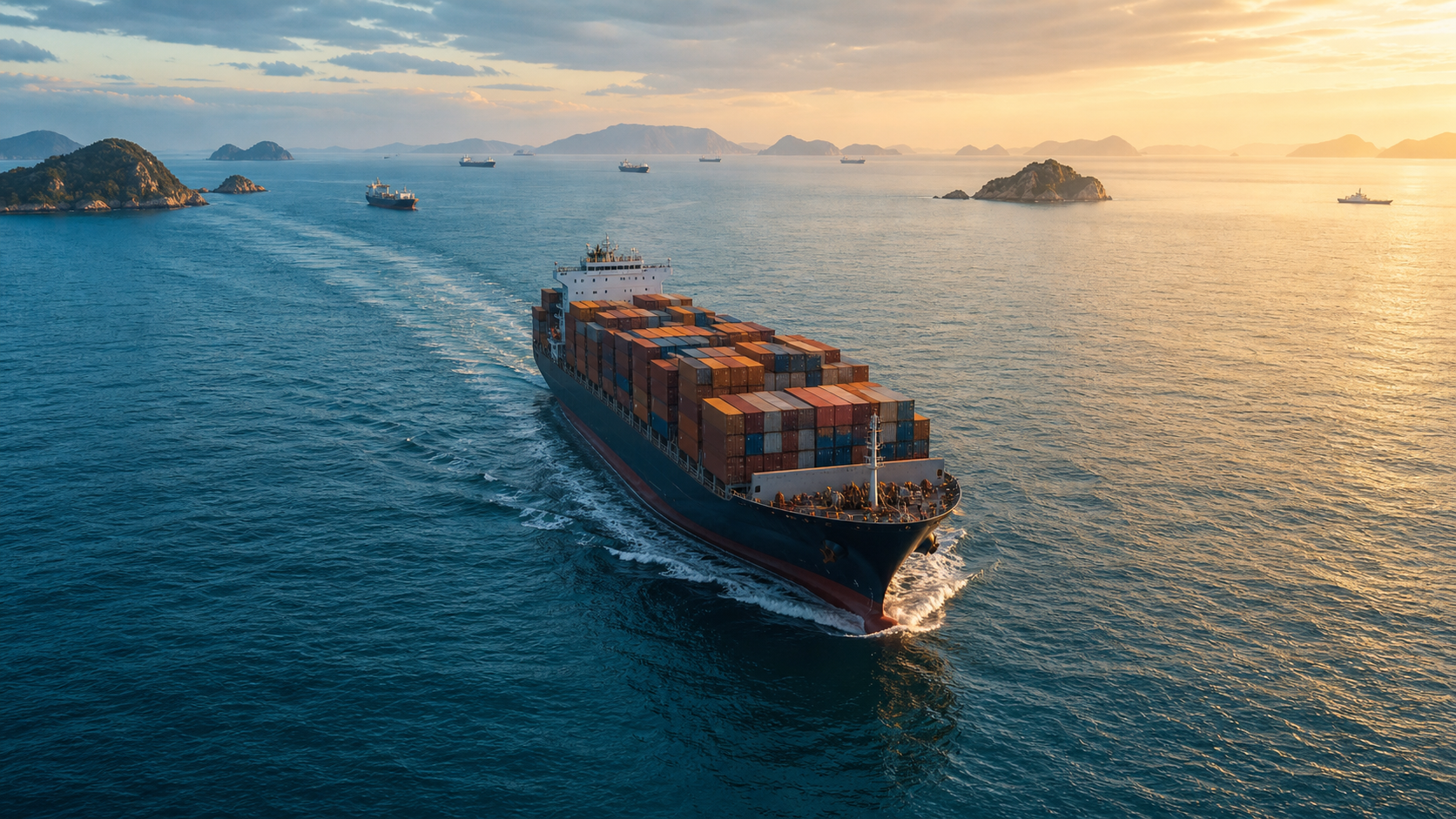
If you are wondering why Bharat should speak about waters far from its coast, start with the ships rather than the map. The South China Sea carries Indian commerce, and instability there can become an Indian economic problem long before it becomes a military crisis.
The useful question is therefore not whether India can outshout China. It is whether Indian diplomacy can protect access, uphold maritime law and resist coercion without turning every disagreement into a test of military resolve. It can, but only if New Delhi remains precise about the interest it is defending.
Key takeaways
- Bharat has a direct economic interest because more than half of Indian trade passes through the South China Sea.
- India can defend lawful maritime conduct without endorsing every territorial claim made by every state in the region.
- Peaceful negotiation and the rule of law are complementary. Negotiations manage disputes; they should not allow a stronger party to erase legal limits.
- The 2016 arbitral award matters because it found no basis under UNCLOS for Chinese claims to rights across a large expanse of the sea. Beijing rejects that conclusion.
- India’s strongest diplomacy will be consistent rather than theatrical: the same principles, expressed clearly, whenever maritime rules are challenged.
Bharat has standing because its interests are already there
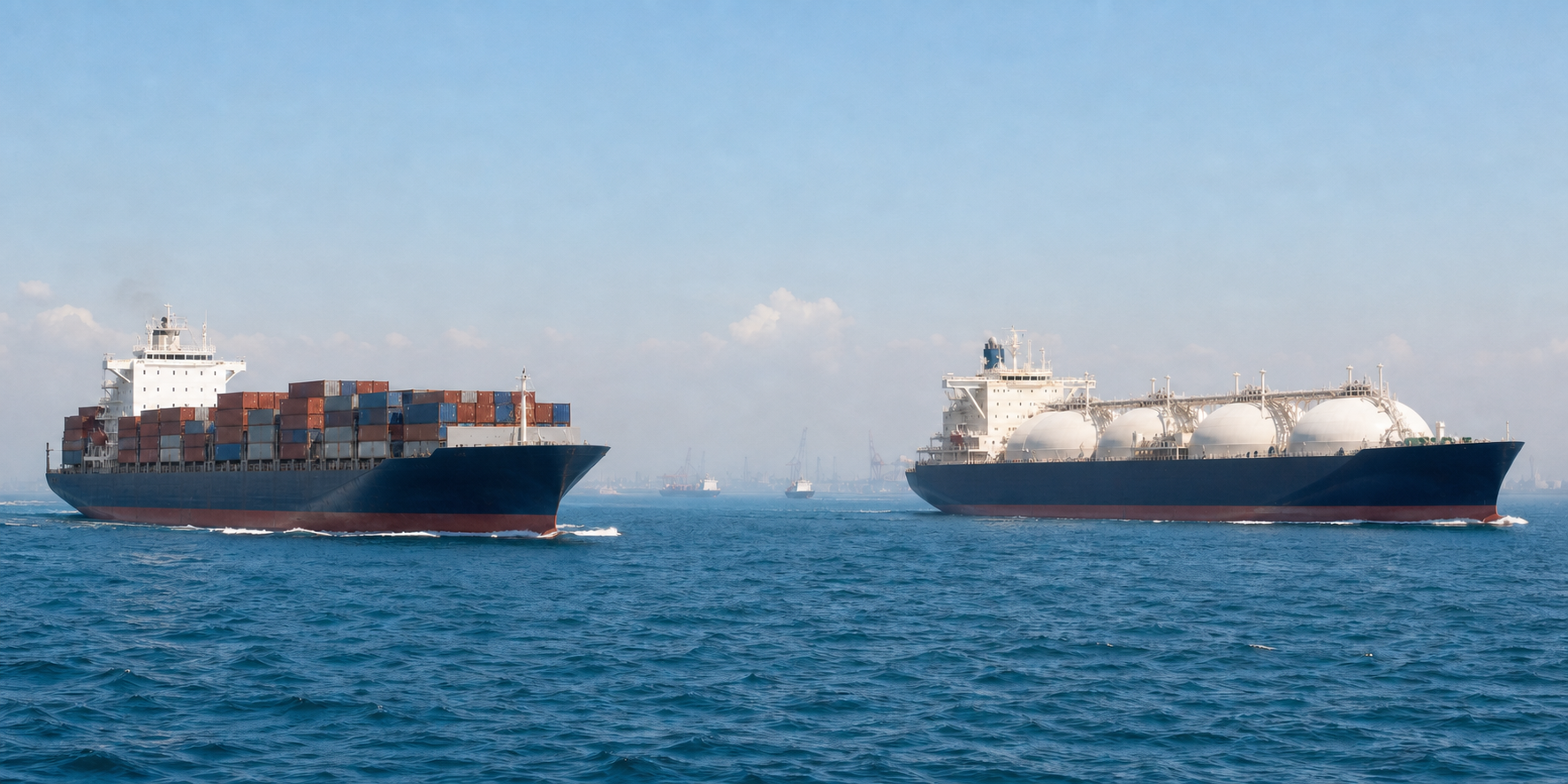
A country does not need a territorial claim in a sea before it may care about order there. Trade routes connect distant waters to Indian ports, businesses and consumers. With over 50 per cent of Indian trade moving through the South China Sea, disruption is not someone else’s problem. It can affect shipping reliability, commercial planning and the wider Indian economy.
That economic stake gives India standing, but it does not give India ownership. This distinction should discipline every official statement. New Delhi need not decide every dispute over every island, reef or maritime feature in order to defend peaceful passage, lawful conduct and an open Indo-Pacific.
Think of the issue as two circles. The first contains competing claims to territory and sovereignty. India can remain cautious within that circle. The second contains the rules under which states make claims, negotiate, use maritime space and respond to legal decisions. Bharat cannot afford silence in that circle because those rules protect interests well beyond the South China Sea.
This is also the cleanest response when Beijing tells India to stay out. New Delhi does not need to answer with wounded pride or an expansive counterclaim. It can point to its trade, state its support for peaceful resolution and insist that no country possesses a veto over another trading nation’s legitimate concern for maritime stability.
The practical test is simple. Ask whether a development could obstruct Indian commerce, weaken a rule on which Indian commerce depends or normalise unilateral control over shared waters. If the answer is yes, India has a reason to speak. Geographic distance does not cancel that interest.
The 2016 award is the legal centre, not the whole dispute

The diplomatic argument becomes clearer when the legal sequence is kept straight. The Philippines began arbitration against China in 2013 under Annex VII of the United Nations Convention on the Law of the Sea. Five arbitrators considered evidence concerning maritime features, claims and related allegations, with the Permanent Court of Arbitration serving as the registry.
The resulting 2016 award found that claims to rights over a large part of the South China Sea had no basis under UNCLOS. China rejects the award as illegal and invalid and has even dismissed it as wastepaper. Those are Beijing’s stated positions; they do not erase the existence or reasoning of the decision.
China’s relationship with the convention makes the disagreement especially consequential. It was among the early signatories to UNCLOS in 1982 and ratified it in 1996. Yet Beijing declined to participate in the arbitration and did not nominate an arbitrator. When China now rejects the outcome, the dispute is therefore not merely between China and the Philippines. It concerns whether a state may accept a legal framework but dismiss an adverse process as illegitimate.
India should nevertheless avoid overstating what the award accomplished. It does not need to claim that one proceeding settled every territorial and political question in the South China Sea. The narrower position is stronger: maritime claims must be assessed under UNCLOS, and an unwelcome outcome cannot be made irrelevant merely by denunciation.
This distinction also resolves a common false choice between law and negotiation. The Indian position supports peaceful negotiations, the rule of law and a free and open Indo-Pacific. Negotiation is necessary because governments must manage practical relations and unresolved disputes. Law is necessary because negotiation without accepted limits can become pressure by the stronger party against the weaker one.
New Delhi’s formulation should therefore preserve three separate ideas. Claims should be handled peacefully. Negotiations should occur within, not above, the applicable legal order. Commercial access to the wider Indo-Pacific should not depend on one country’s unilateral permission. When all three appear together, India’s stance is harder to misrepresent as either passivity or provocation.
Strong diplomacy must avoid silence, maximalism and inconsistency
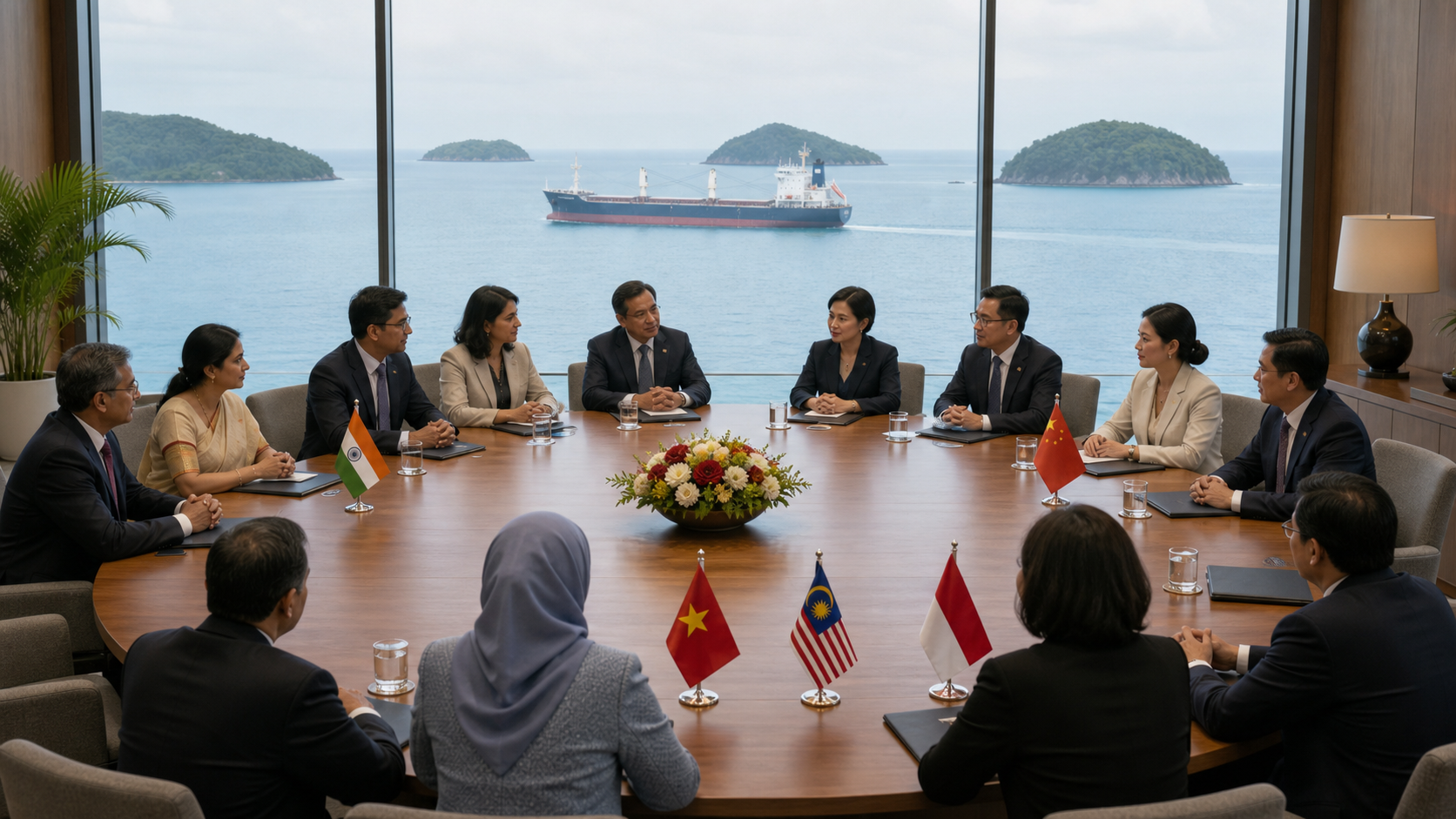
Silence is not the same as neutrality
India was comparatively restrained on South China Sea disputes for a long period. Restraint can preserve room for bilateral engagement, but silence becomes costly when it allows a coercive interpretation to harden into normal practice. A government can remain neutral about who owns a particular feature while being unambiguous about peaceful conduct and UNCLOS.
The action for Indian diplomacy is not to adopt another claimant’s entire case. It is to identify the exact Indian interest each time it speaks: predictable commerce, lawful maritime claims and freedom from unilateral disruption. That keeps the intervention legitimate and makes it more difficult to dismiss India as an opportunistic outsider.
Firmness should not become a campaign for humiliation
There is a difference between imposing diplomatic cost and seeking public humiliation. The first denies Beijing the convenience of treating the South China Sea as a closed matter. The second can trap all parties in increasingly absolute language, leaving less room for practical restraint.
India should make China’s legal contradiction visible, then return to the rule it wants observed. China signed and ratified UNCLOS; an UNCLOS process produced an outcome Beijing rejects; regional stability still requires peaceful conduct. That sequence is more effective than adjectives about Chinese behaviour because it gives other governments a principle they can support without joining an anti-China bloc.
This approach also separates firmness from militarisation. Diplomatic clarity does not automatically commit India to taking a military position in every confrontation. It commits India to refusing the claim that only directly involved coastal states may discuss the rules governing a major international trade route.
Selective legalism would weaken India’s own case
India cannot persuasively demand rule-based conduct only when the rule constrains China. The durable position is that maritime rules matter because predictable rules serve Bharat’s long-term interests, not because one particular outcome embarrasses a rival.
Consistency should be visible in the language Indian representatives use. References to peaceful settlement should be joined to an identifiable legal framework such as UNCLOS. References to negotiation should not imply that an existing decision simply disappears if one party refuses it. References to an open Indo-Pacific should be connected to actual Indian economic exposure rather than left as a slogan.
This matters because credibility accumulates slowly. One forceful statement may dominate a news cycle, but a repeated and legally precise position shapes expectations. China then knows what India will object to, regional governments know what India is prepared to defend diplomatically, and Indian businesses can see that maritime stability is being treated as an economic interest rather than a distant geopolitical hobby.
Use five questions to judge the next India-China exchange
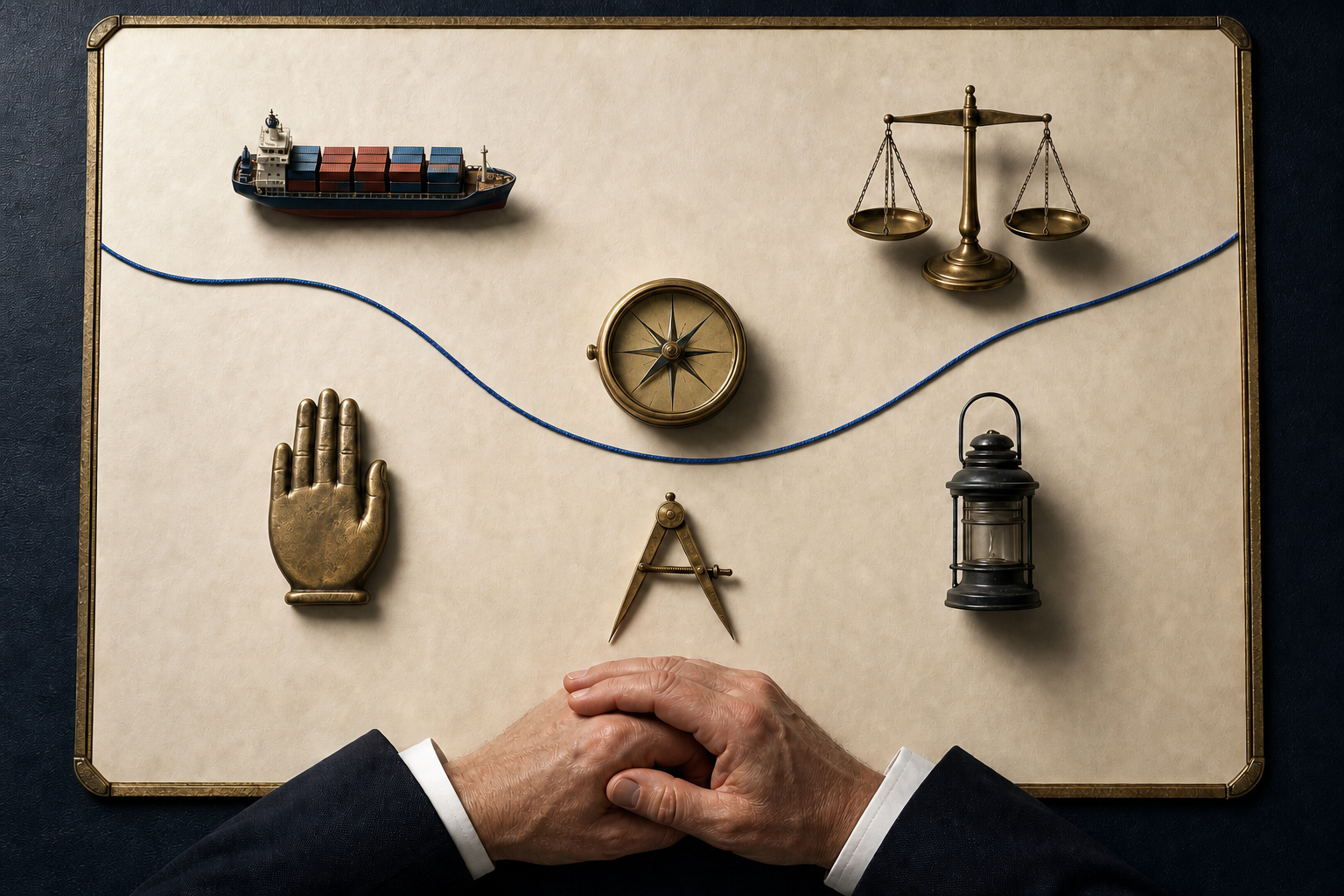
When the next diplomatic statement appears, you do not need to choose between applauding every strong phrase and dismissing every cautious one. Read it against five practical questions.
- Does India identify its own interest? A reference to trade, maritime stability or an open Indo-Pacific is more useful than generic concern. The scale of Indian commerce passing through the sea makes that interest concrete.
- Does it name the governing rule? UNCLOS is more precise than a vague appeal to international norms. Precision tells you whether the statement is meant to guide conduct or merely signal displeasure.
- Does it separate maritime law from territorial alignment? Supporting lawful maritime claims does not require India to adopt every sovereignty position advanced by the Philippines or any other claimant.
- Does peaceful negotiation have legal boundaries? Dialogue is constructive when it manages disputes within a legal order. It is inadequate when used as a reason to disregard an adverse award indefinitely.
- Is the same position repeated over time? A principle stated only during a bilateral quarrel looks tactical. A principle carried through routine diplomacy becomes policy.
A statement that passes these tests may sound restrained, but it is not weak. It protects India’s commercial standing, leaves room for negotiation and refuses to grant unilateral claims the status of accepted fact. Conversely, a statement full of confrontation but empty of legal precision may generate attention without improving India’s position.
Bharat’s best course is steady pressure rather than episodic outrage. It should speak whenever its trade routes or the governing maritime order are materially implicated, support peaceful negotiations without treating law as optional, and refuse any suggestion that concern for the South China Sea belongs exclusively to Beijing or the coastal claimants.
For you as a reader, the next step is equally concrete: look past the temperature of the rhetoric and find the trade interest, the legal rule and the proposed process. If all three are present, India is practising serious diplomacy. If one is missing, that absence tells you exactly where the policy needs to become clearer.