
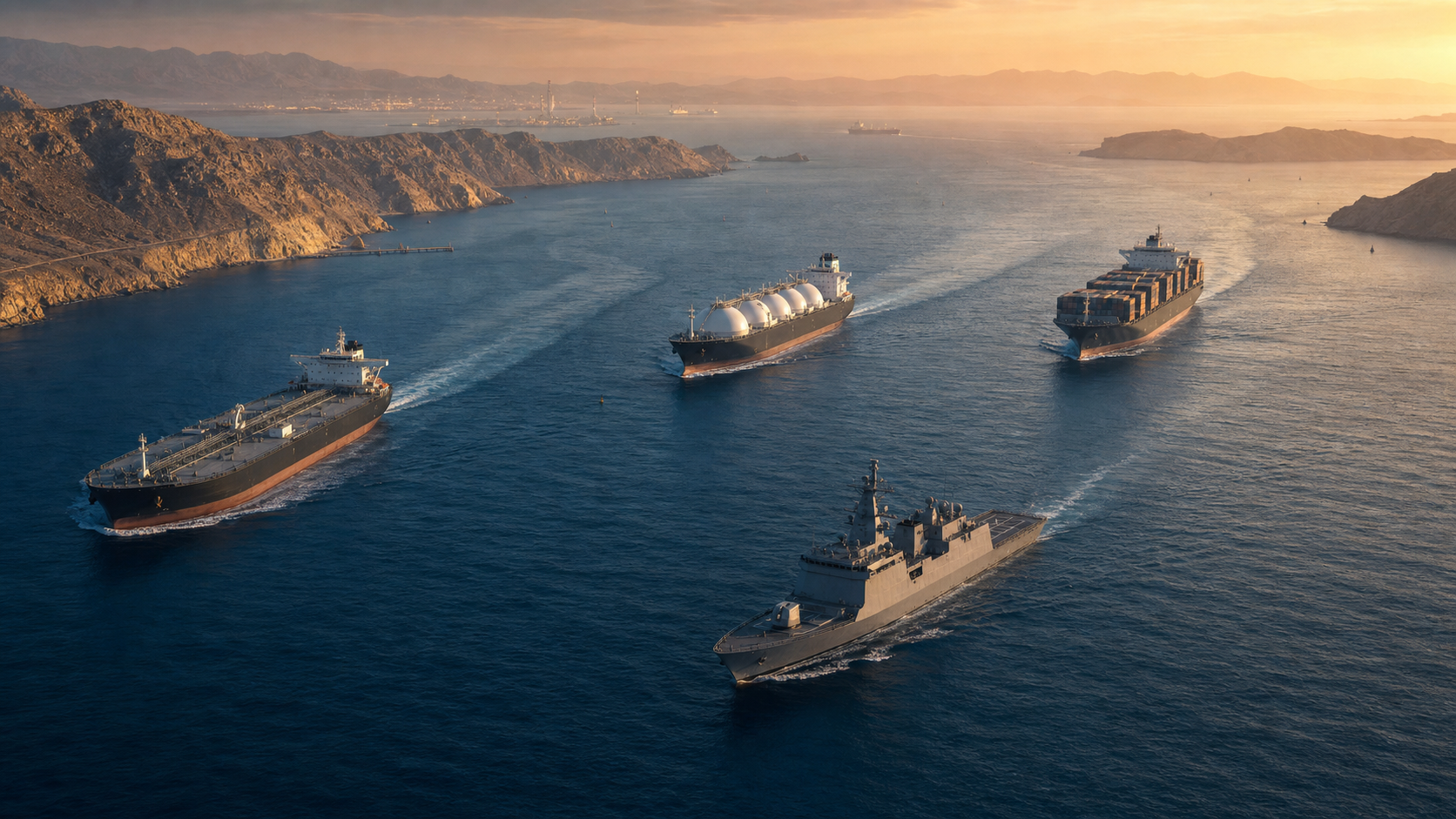
If you’re trying to decide whether India should stand with Iran, contain it, or distance itself, don’t begin with geopolitical camps. Begin with what must keep moving: Indian-crewed ships, energy cargoes, trade, insurance, and access to Central Asia.
The workable position is selective engagement backed by maritime strength and economic redundancy. India can respect Persian civilisation, cooperate where interests converge, and maintain Chabahar without granting any state or armed apparatus the power to hold Indian commerce hostage.
India’s exposure begins at the Strait of Hormuz
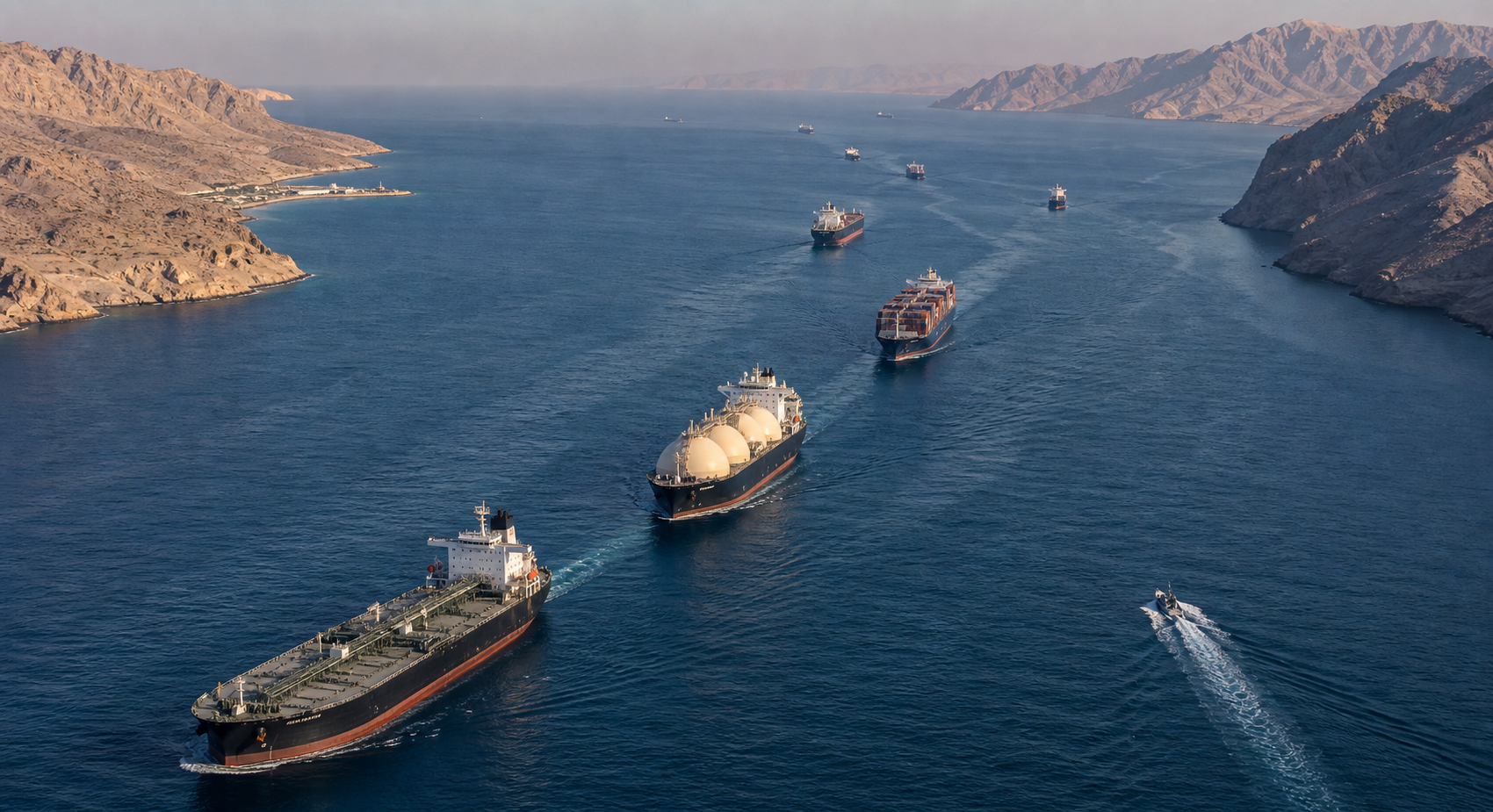
The Strait of Hormuz is not a distant regional concern. Roughly one-fifth of the world’s seaborne crude passes through it. Repeated interdictions and vessel seizures have exposed Indian-linked commercial interests and placed Indian crew members in danger.
The immediate problem is the detained vessel or delayed cargo. The larger problem is the signal sent to every shipowner, refiner, insurer, lender, and exporter using the route. When passage appears conditional, risk is priced before supply actually stops. War-risk premiums, freight costs, delivery uncertainty, and precautionary inventory requirements can all rise together.
That chain eventually reaches India through the landed cost of energy, the balance of payments, industrial margins, and consumer prices. A maritime incident can therefore become an economic shock without escalating into a conventional war.
- For the Navy and government: the relevant question is whether India can detect coercion early, protect crews, and keep critical cargo moving.
- For refiners and shipping companies: the question is whether an interrupted route, detained ship, or higher Gulf premium has an operational substitute.
- For citizens assessing foreign policy: the question is not whether a position sounds anti-Western or pro-Iranian. It is whether that position makes Indian lives and supply lines safer.
- For strategic planners: the test is whether India retains freedom of action when regional tensions rise.
This reframes the debate. Maritime security is not an accessory to India-Iran diplomacy. It is one of the conditions that makes diplomacy useful.
Engage Iran without confusing engagement with trust
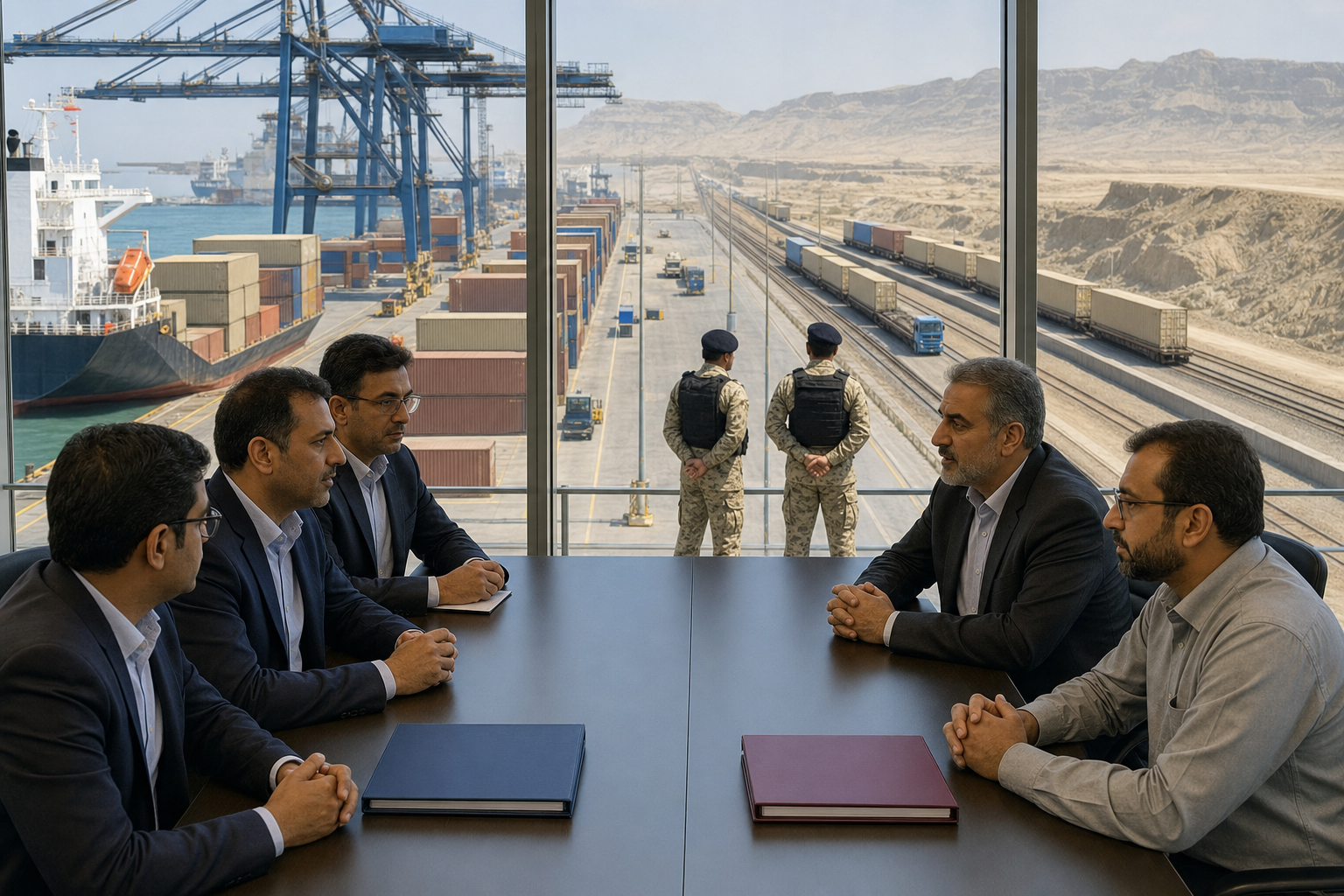
Sound policy requires three distinctions that public debate often collapses.
<!– wp:list {