
If someone claims that a harmful spirit is affecting you, fear can make an unusual instruction sound urgent. Your first safeguard is simple: no spiritual claim cancels your right to keep a companion nearby, understand what will happen, refuse physical contact, and leave.
A recent allegation from Bijnor shows why families need firm boundaries during ritual visits. You can respect a sacred place without surrendering consent or discernment.
What the Bijnor complainant has alleged
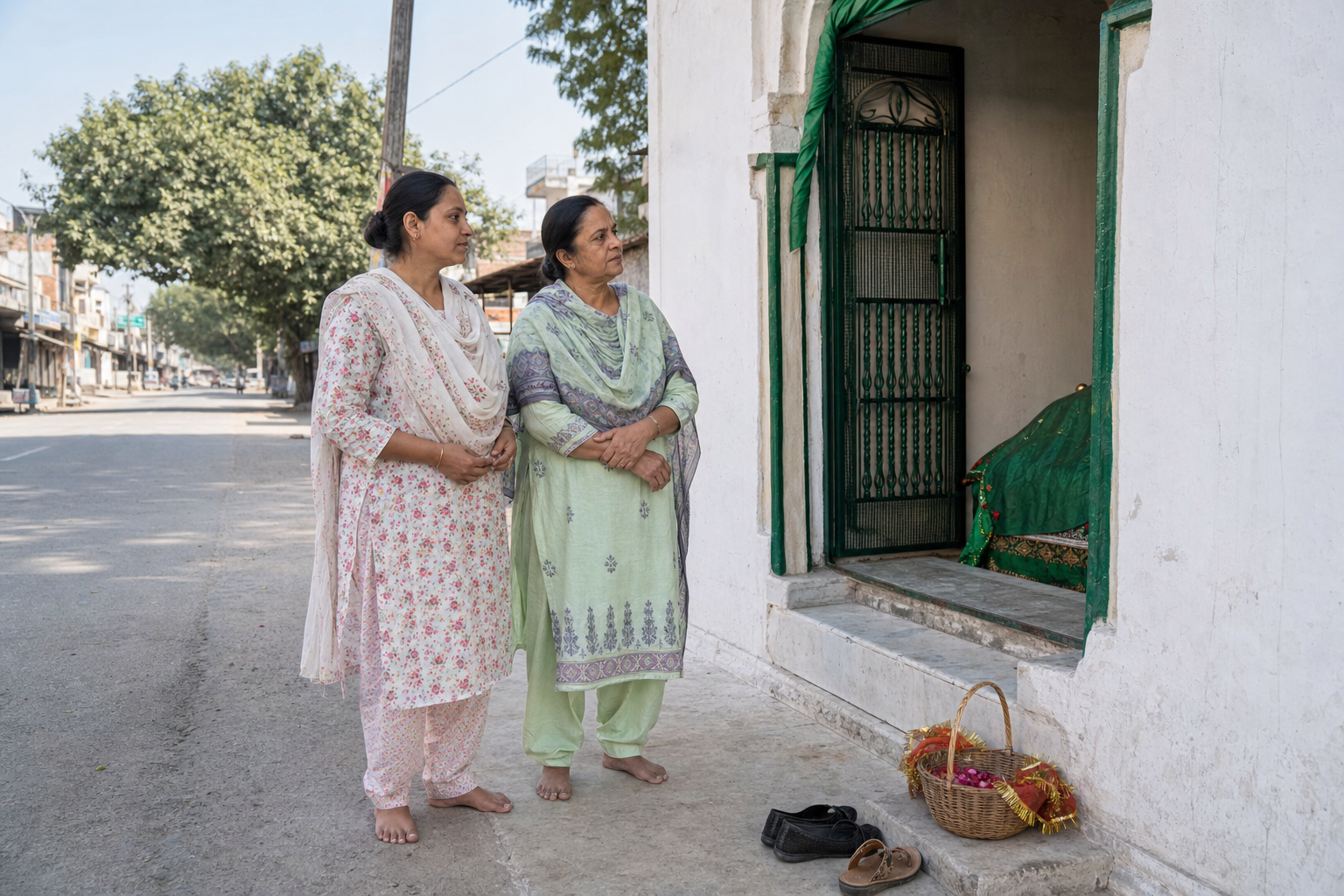
On a Thursday morning, a young Hindu woman and her mother visited a mazar on Feena Road in Bijnor, Uttar Pradesh, to make an offering. The caretaker allegedly told the young woman that a harmful spiritual influence was upon her, seated her near a burning lamp, sent her mother outside to fetch water, and instructed the mother not to return for a while.
The caretaker then allegedly began unwanted touching under the pretext of applying oil from the lamp to the young woman’s body. She left, found her mother, and disclosed what had happened. The mother and daughter contacted police, who registered a case on the young woman’s complaint and detained the caretaker.
The allegation must be treated seriously, but a complaint and detention are not findings of guilt. The legal process must determine responsibility. For families, the immediately useful detail is the sequence: a frightening spiritual claim was followed by separation from a trusted companion and then allegedly by physical contact presented as ritual treatment.
Key takeaways
- Do not let a practitioner isolate you from the person who accompanied you.
- Ask for every ritual step to be explained before it begins, including the use of oil, water, smoke, or physical contact.
- Treat unexpected touching or a sudden demand for privacy as a reason to stop.
- You do not need to debate a supernatural claim before leaving an unsafe situation.
- If a boundary is crossed, move to safety, disclose it promptly, preserve the details, and contact the appropriate authorities.
Spiritual authority does not suspend consent
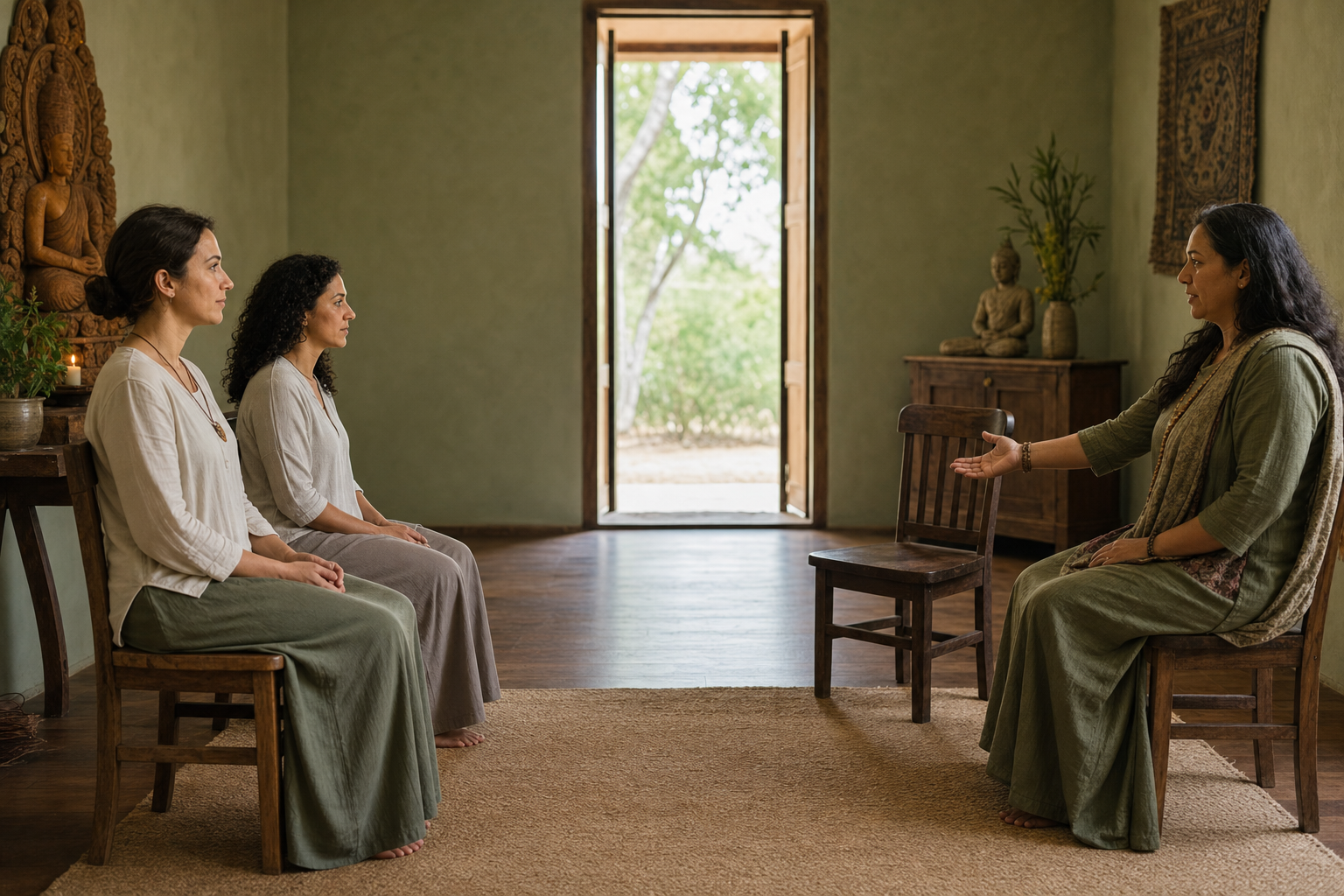
Entering a shrine, accepting an offering, or agreeing to one ritual step does not authorize every step that follows. Consent applies to a specific action. It must be freely given, and you can withdraw it at any point.
A claim involving an invisible danger can make refusal feel risky. You may worry that leaving will worsen the supposed affliction or show disrespect. You do not have to prove or disprove the claim before protecting yourself. Ask what the practitioner intends to do. Decline any contact you do not want. Keep your companion present. Leave if pressure continues.
This is where viveka, or discernment, becomes practical rather than abstract. Reverence is not submission to a caretaker. A title, robe, religious role, or reputation does not grant access to your body.
Religious identity changes neither the safety standard nor the need for due process. A Hindu woman visiting a mazar retains her dignity and agency. You can demand accountability for an individual’s alleged conduct without assigning guilt to every worshipper or member of a community. Communal escalation can pull attention away from the complainant, the evidence, and the lawful investigation.
Build a family safety protocol before you visit

Do not wait for a disturbing moment to negotiate boundaries. Agree on them before leaving home:
- Adopt a stay-together rule. Nobody leaves the room because a caretaker requests water, an object, privacy, or silence.
- Choose a neutral family phrase that means the visit ends immediately. When anyone uses it, leave first and discuss the reason outside.
- Ask for the complete procedure while everyone is present. Clarify whether it involves touch, substances applied to the body, removal of clothing, or a closed room.
- Pause if the procedure changes. Agreement to the original explanation is not agreement to an added step.
- Keep your phone and belongings with you, remain aware of the nearest exit, and tell another trusted person where you are going.
- After the visit, check in privately. Ask whether anything unexpected, uncomfortable, or unwanted occurred.
A child, a person in severe distress, or anyone unable to assess the situation clearly needs an attentive companion within sight and hearing. If a practitioner objects to that safeguard, the session should not proceed.
If a boundary is crossed, respond in this order

- Move to a safe, visible place. Do not remain alone with the person or return for a confrontation without support.
- Tell a trusted person plainly what happened. Include what was said, what contact occurred, where it happened, and who else was nearby.
- Write down the sequence while it is fresh. Preserve relevant messages, photographs, receipts, or other records without editing or deleting them.
- Contact local police if the conduct may constitute harassment or assault. Ask for the complaint to be recorded and retain any acknowledgment or case details provided.
- Seek medical care if there is injury, pain, irritation from an applied substance, or serious emotional distress. Contact emergency services when there is immediate danger.
- Protect the affected person’s privacy. Do not circulate identifying details, embellished claims, or communal rumours while facts are being established.
If someone tells you about unwanted contact, listen without blaming them for visiting the place, trusting the practitioner, freezing, or leaving later than you think they should have. In the Bijnor allegation, the young woman disclosed the incident to her mother immediately, and that support helped move the matter to police.
Before your next spiritual visit, make one family rule explicit: nobody is isolated or touched under a ritual pretext without informed and freely given consent. If a caretaker refuses that boundary, leave together.